Worksheets
Resources
Total questions: 122
Worksheet time: 1hrs 20mins
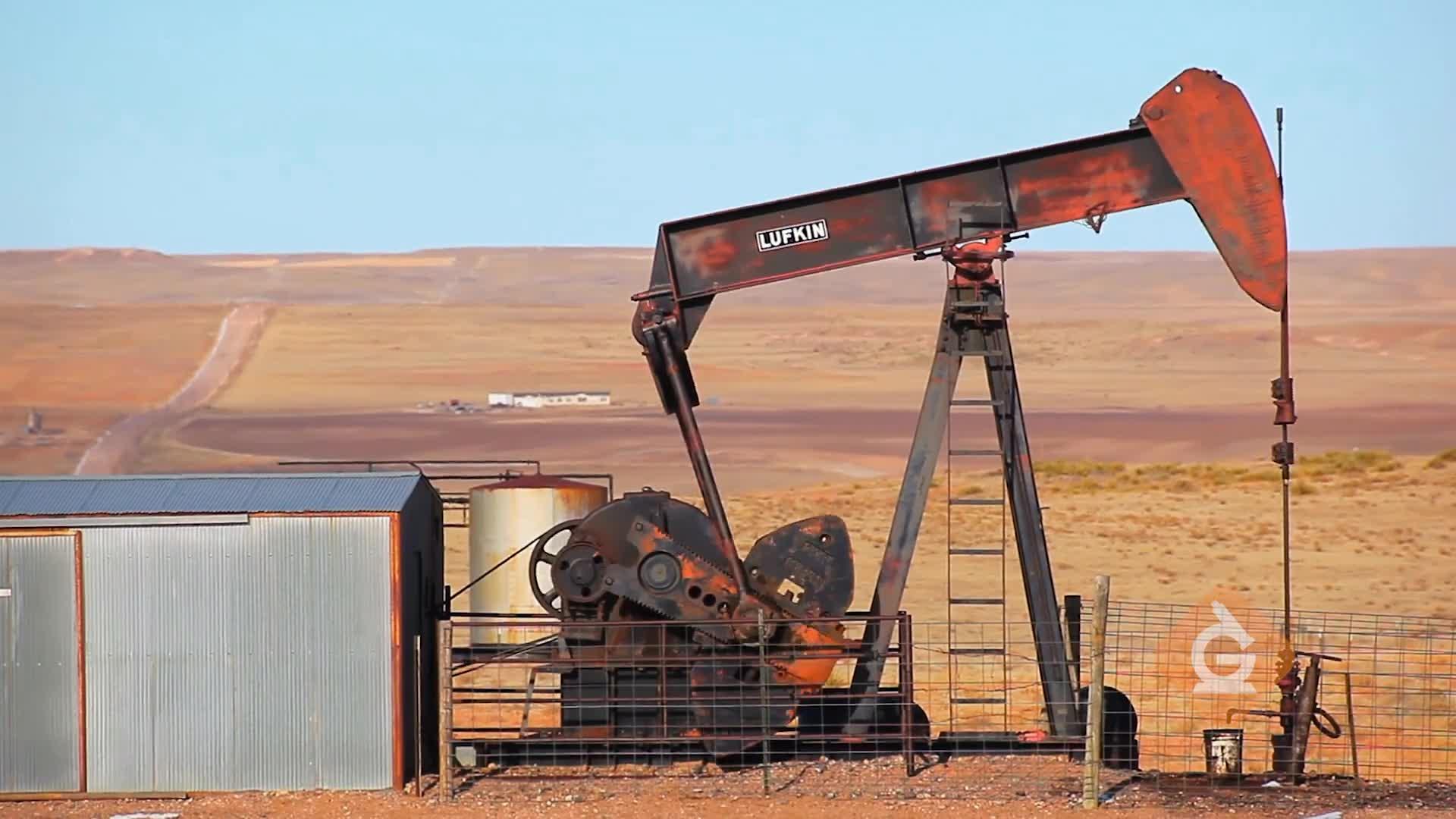
Which are ways we use fossil fuels?
eating and drinking
arts and crafts
paper and building
cars and heat
Resources that are not able to be reproduced as quickly as they are used are called _____.
renewable resources
replaceable resources
non renewable resources
non replaceable resources
Renewable resources ...
are not replaceable
are used more frequently than non renewables
are never going to run out
going to run out
What are fossil fuels?
coal, oil, uranium
oil, natural gas, uranium
coal, oil, natural gas
geothemals, coal, natural gas
Uranium atoms are split to create a tremendous amount of energy in a _____ power plant.
biomass
geothermal
nuclear
hydroelectric
Which of the following energy sources has the drawback of generating radioactive waste.
fossil fuels
nuclear
geothermal
hydroelectric
What is a disadvantage of using non-renewable resources?
They have a large carbon footprint.
They can all be used up over time.
They can lead to global warming.
All of these.
energy resources
provide energy to move cars and trains and provide light, heat, and electricity.
Soil, water, air, minerals, and rocks are all material resources
Any resource that originates from one of Earth’s sphere systems
be replenished over a relatively short period of time
Inexhaustible
Any resource that originates from one of Earth’s sphere systems
resources are those that will never run out,
far the most important material resource
resources are those that are not easily replenished
limitations
constraints
nutrients and moisture for plants that, in turn, provide food for animals
any resource that originates from one of Earth’s sphere systems
resources are those that are not easily replenished
Soil
resources are those that are not easily replenished.
most important material resource
Soil, water, air, minerals, and rocks are all material resources
nutrients and moisture for plants that, in turn, provide food for animals.
Minerals and rocks
nonrenewable resources, granite or marble and copper, iron, silver, or gold.
It is used by plants to manufacture food
nutrients and moisture for plants that, in turn, provide food for animals
resources are those that can be replenished over a relatively short period of time.
Anything that can be used to satisfy a need is called_____
Resource
Source
Nature
Material
Buildings,bridges, roads, machinery and vehicles are all examples of __________ resources
Biotic
potential
renewable
Human-made
Balancing the need to use resources and also conserve them for the future is called _____________
exploiting resources
wasting resources
over-use of resources
sustainable development
Using resources carefully and giving them time to
get renewed is called_____________
Resource conservation
Resource wastage
over- use of resources
under-use of resources
What is your chromebook?
Human Resource
Material Resource
What is your pencil?
Human Resource
Material Resource
What is the Home Ec. building?
Human Resource
Material Resource

Nuclear power plant uses ____ for fuel.
steel
coal
uranium
hydrogen
The pros of Nuclear energy are
No air pollution
Causes global warming
Nuclear waste is useful
Nuclear reactions use a small amount of matter (fuel) and creates a large amount of energy

One advantage of solar and wind power over fossil fuels is that
wind and solar are presently much less expensive than fossil fuels.
wind and solar come from natural processes and fossil fuels do not.
wind and solar are nonrenewable resources and fossil fuel are renewable.
wind and solar are continuously renewable and fossil fuels take millions of years to be formed.

This energy is from moving air.
Wind Energy
Geothermal Energy
Fossil Fuel Energy
Biofuel

This is electrical energy that comes from the force of energy of moving water. It is the most widely used type of renewable energy.
Coal
Hydroelectric Power
Wind Energy
Geothermal Energy

This is a liquid fuel derived from plant materials.
wind energy
biofuel (from biomass)
geothermal energy
solar energy

This is the energy generated in the Earth's core and produces steam and hot water.
Solar Energy
Hydroelectric Power
Fossil Fuels
Geothermal

Hydropower can have a negative impact on river wildlife.
Advantage
Disadvantage

Geothermal power is geographically limited-not available in many locations.
Advantage
Disadvantage

Wind energy is pollution free.
Advantage
Disadvantage
What are the 3 fossil fuels?
coal, oil, uranium
coal, hydroelectric, oil
natural gas, oil, coal


The sun gives of large amounts of light and ___________ energies?
nuclear
mechanical
chemical
thermal
Strong wind spinning a wind turbine can generate which type of energy?
mechanical
electrical
thermal
chemical
The total energy of all the particles in a sample of matter is called —————
Total Energy
Thermal Energy
Kinetic Energy
Particle Energy
Temperature of a material depends upon the average —————— of its particles
Kinetic energy
Thermal energy
Heat energy
Particle energy
Thermal energy is transferred from————-
A cooler object to a hotter one
A hotter object to a cooler one

You get sunburned due to __________ from the sun.
conduction
convection
radiation

Near the ceiling of a room the air is warmer. The warm air rises because of ________.
conduction
convection
radiation
The total energy of all the particles in a sample of matter is called —————
Total Energy
Thermal Energy
Kinetic Energy
Particle Energy
Temperature of a material depends upon the average —————— of its particles
Kinetic energy
Thermal energy
Heat energy
Particle energy
Near the ceiling of a room the air is warmer. The warm air rises because of ________.
conduction
convection
radiation
What is the definition of CONVECTION
When heat transfers through waves.
When heat transfers from objects that are touching.
warm fluid rises; cool fluid sinks
Heat traveling from the sun

Winds occur because hot air rises and cool air sinks in a process called...
conduction
convection
radiation
magnetism
At the equator and at 600 latitude, warm air rises creating a windless area known as the...
doldrums
horse latitudes
westerlies
polar easterlies

Winds that blow from 300 latitude to the equator are called...
westerlies
polar easterlies
trade winds
horse latitudes

Winds that blow from 300 latitude to 600 latitude are called...
polar easterlies
westerlies
trade winds
doldrums

Cooler air sinks at 300 latitude causing a windless area known as...
doldrums
horse latitudes
polar easterlies
westerlies

Winds that blow from the North and South pole toward 600 latitude are called...
trade winds
westerlies
polar easterlies
horse latitudes
Warm rising air causes___________ pressure, resulting in ___________.
high, rain
low, rain
high, clear skies
low, clear skies
Cool sinking air causes___________ pressure, resulting in ___________.
high, rain
low, rain
high, clear skies
low, clear skies

Which is the best explanation for how air masses move across the United States?
The trade winds move air masses from west to east across the United States.
The polar easteriles move air masses from west to east across the United States.
The prevailing westerlies move air masses from west to east across the United States but may be deflected by the jet stream.
The warm air of the Gulf Stream causes air masses to move from the Atlantic Ocean to the Pacific Ocean.

In which direction do weather patterns move in the United States?
east to west
north to south
west to east
south to north

What two factors determine the direction in which prevailing winds blow?
the rotation of the Earth on its axis and the sun’s uneven heating of the earth
the revolution of the earth around the sun and the sun’s uneven heating of the earth
the rotation of the Earth on its axis and the cool air from the poles
the revolution of the Earth around the sun and the cool air from the poles
In general, how does air move?
From areas of lower pressure to areas of higher pressure
From areas of higher pressure to areas of lower pressure
From areas of hot to cold
A big fan blows it around
Which heats up and cools more quickly?
Land
Sea
They heat and cool equally
Warm air going from the land to the water during night
Example: Cool air over the land sinks, warm air over the water rises
Land Breeze
Sea Breeze
Warm air going from the water to land during the day
Example: Cool air over the water sinks, warm air over the land rises
Land Breeze
Sea Breeze
Which global winds move FROM the east to the west?
Doldrums
Cauldrons
Westerlies
Easterlies
What causes the Coriolis Effect?
Rotation of the Earth
Rotation of the Moon
Earth tilt
Rotation of the Sun

Which best describes how winds in the jet stream blow?
no pattern
between a boundary of cold air and warm air
between two boundaries of hot air
between two boundaries of cold air
What are jet streams?
The trail left from an airplane.
Bands of strong wind.
The winds that push jets through the air.
Wind made from tornadoes.


When do most tornadoes occur in the United States?
early winter
late spring and early summer
late summer
fall

When do most hurricanes occur in the United States?
late summer and early fall
winter and spring
late fall and winter
spring and early summer
What air-mass woud most likely be a source for a tropical storm?
mP
mT
cP
cT
Hurricane season in the North Atlantic Ocean officially begins in June and ends in November. Which ocean surface conditions are responsible for the development of hurricanes?
warm water temperatures and low evaporation rates
warm water temperatures and high evaporation rates
cool water temperatures and low evaporation rates
cool water temperatures and high evaporation rates
Most tornadoes in the Northern Hemisphere are best described as violently rotating columns of air surrounded by
clockwise surface winds moving toward the columns
clockwise surface winds moving away from the columns
counterclockwise surface winds moving toward the columns
counterclockwise surface winds moving away from the columns
Tornados occur
between air masses with big differences in temperature
between air masses with big differences in humidity
along coastal area near warm water
at high pressure centers
How would a hurricane strengthen?
move over cold water
move over land
move over warm water

Over what do tornadoes form?
Land
Sea
Poles
Mountains

During which months do most tornadoes occur?
March - June
January - October
June - November
April - November

Hurricanes form over the . . .
Land
Oceans
Poles
Mountains

Hurricanes weaken when they move over which two (2) areas? Chose 2.
Land
Cold water
Another storm
Passes a stationary front
Enhanced Fujita Scale
Tornado
Hurricane
Saffir Simpson Scale
Tornado
Hurricane