wayground logo

Free Printable Worksheets

Font size

S
M
L
XL
Worksheets

Semester Exam Review

Total questions: 150

Worksheet time: 3hrs 30mins

Name
Class
Date
1.

What are the three branches of science?

a)

physical science

b)

earth and space science

c)

life science

d)

chemical science

2.

What are the three divisions of earth and space science?

a)

geology

b)

meteorology

c)

astronomy

d)

engineering

3.
What step does every scientific experiment begin with?
a)
hypothesis
b)
question/problem
c)
procedures
d)
conclusion
4.

What is an observation?

a)

A scientific statement based on ideas

b)

Using your senses to notice what is going on around you

c)

To be unaware of your surroundings

d)

The question that you want an answer to.

5.
A series of steps used by scientists to solve a problem or answer a question. 
a)
scientific method
b)
recipe
c)
data collection
d)
metric system
6.

You want to determine which type of fruit birds in your backyard like the most. What is the independent variable?

a)

type of fruit

b)

the birds' actions

c)

location of birdfeeder

7.

You want to determine which type of fruit birds in your backyard like the most. What is the dependent variable?

a)

type of fruit

b)

the birds' actions

c)

location of birdfeeder

8.

You want to determine which type of fruit birds in your backyard like the most. What is a controlled variable?

a)

type of fruit

b)

the birds' actions

c)

location of birdfeeder

9.

A statement that summarizes a pattern found in nature without attempting to explain it

a)

scientific law

b)

scientific theory

c)

hypothesis

d)

experimental design

10.

The explanation of an observed pattern in nature

a)

scientific law

b)

scientific theory

c)

hypothesis

d)

experimental design

11.

A representation of an object or event to make it easier to understand something difficult to observe directly.

a)

scientific models

b)

scientific theory

c)

independent variable

d)

conclusion

12.
7.82 x 10⁻⁶ is an example of scientific notation. The exponent of -6 tells you your number will be very ________.
a)
Large
b)
Small
c)
Basic
13.
Change from standard form to scientific notation: 12,000,000
a)
12.0  x  107
b)
0.12  x  107
c)
1.2  x  106
d)
1.2  x  107
14.
Change from standard form to scientific notation:  450,000
a)
4.5  x  105
b)
45  x  105
c)
4.5  x  104
d)
4.5  x  106
15.
Change from standard form to scientific notation:  0.000398
a)
39.8  x  10-5
b)
3.98  x  10-5
c)
3.98  x  10-4
d)
39.8  x  10-6
16.
Change from standard form to scientific notation: 0.004078
a)
4.078  x  10-3
b)
4.078  x  103
c)
40.78  x  10-4
d)
.4078  x  10-2
17.
Try to change the number back to standard form:  6.79  x  104
a)
679,000
b)
6,790
c)
67,900
d)
6,790,000
18.
Try to change the number back to standard form: 3.97  x  10-2
a)
0.000397
b)
0.0397
c)
0.0000397
d)
0.397
19.
The factor multiplied by a power of 10 in scientific notation needs to be greater than or equal to one but less than ___________?
a)
1
b)
10
c)
100
d)
1,000
20.

How many significant figures are there in 125 meters?

a)

1

b)

2

c)

3

d)

4

21.

How many significant figures are there in 1008 grams?

a)

1

b)

2

c)

3

d)

4

22.

How many significant figures are there in 0.0054 grams?

a)

1

b)

2

c)

3

d)

4

23.

How many significant figures are there in 0.020 meters?

a)

1

b)

2

c)

3

d)

4

24.

How many significant figures are there in 10.020 moles?

a)

2

b)

3

c)

4

d)

5

25.

How close a measurement is to the true value is called..

a)

Accuracy

b)

Precision

c)

Significant

d)

Estimate

26.
When a measurement is repeatable and consistent it is said to have...
a)
High precision
b)
Low precision
c)
High accuracy
d)
Low accuracy
27.
1 km = ___ m
a)
1
b)
10
c)
100
d)
1000
28.
___ m = 400 cm
a)
4
b)
40
c)
400
d)
4000
29.
7 decimeters equals how many millimeters?
a)
.007
b)
70
c)
7
d)
700
30.
3 kilometers equals how many meters?
a)
3000
b)
30
c)
3
d)
400
31.

What is a principal that states that geologic processes that occurred in the past can be explained by current geologic processes.

a)

Catastrophism

b)

Unconformity

c)

Uniformitarianism

d)

Angular Unconformity

32.

The two types of crust are continental crust and ________ crust.

a)

continental

b)

oceanic

c)

plates

d)

mantle

33.
Which layer of the Earth is the only liquid layer?
a)
Outer Core
b)
Inner Core
c)
Mantle
d)
Lithosphere
34.
What happens to pressure as we move from the crust to the inner core?
a)
Pressure Decreases
b)
Pressure Increases
c)
Nothing
35.

Which layer is made (mostly) of SOLID iron and nickel?

a)

crust

b)

mantle

c)

outer core

d)

inner core

36.
Why is the inner core solid?
a)
its unknown
b)
what it's made of
c)
the pressure
d)
it is colder than the outer core
37.
Which layer of Earth is made up of tectonic plates?
a)
outer core
b)
inner core
c)
asthenosphere
d)
lithosphere
38.

Which layer is the coolest?

a)

crust

b)

mantle

c)

outer core

d)

inner core

39.

If we can't travel to the center of the Earth, how do we know so much about it?

a)

Seismic waves, made by earthquakes and man-made explosions

b)

special camera scopes sent through all the layers of the earth

c)

very long thermometers that can reach to the inner core

d)

super powerful x-rays

40.

What is the Asthenosphere?

a)

an elastic substance on which the tectonic plates float.

b)

the air that we breathe.

c)

another name for a globe.

d)

the hard inner core

41.
The color of a mineral in powder form is called the mineral's 
a)
hardness
b)
specific gravity
c)
luster
d)
streak
42.
How light reflects off of a mineral is called the mineral's 
a)
luster
b)
streak
c)
cleavage
d)
fracture
43.
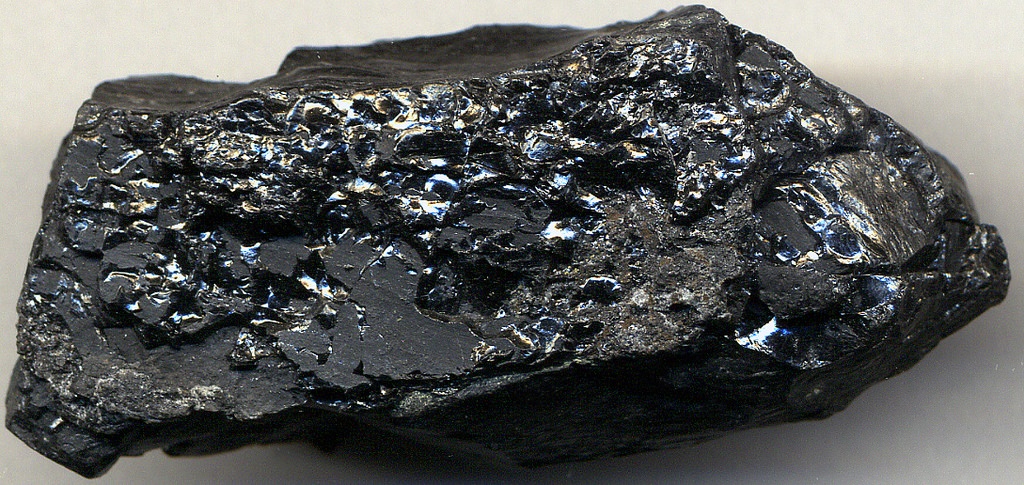
Why is coal not a mineral?
a)
It's not a solid
b)
It is man-made
c)
It is not inorganic
d)
It is made of carbon
44.
The following image shows what mineral property?
a)
Hardness
b)
Streak
c)
Cleavage
d)
Density
45.
Diamond has a hardness of ___ on Mohs Hardness Scale.
a)
1
b)
5
c)
8
d)
10
46.
Dull, silky, waxy, pearly, and earthy are terms that best describe which property of minerals?
a)
luster
b)
color
c)
streak
d)
cleavage
47.
By definition, a mineral has which of the following characteristic(s)?
a)
definite chemical composition
b)
crystal structure
c)
naturally occuring
d)
all of the above
48.
How do you test the hardness of a mineral? 
a)
Throw it against a wall
b)
Step on it
c)
Scratch Test
d)
Kick it until it breaks
49.
The solid, geometric form of a mineral produced by a repeating pattern of atoms
a)
crystal
b)
density
c)
element
d)
fracture 
50.
What mineral is the softest mineral on Moh's Hardness Scale and the main ingredient in baby powder?
a)
feldspar
b)
talc
c)
gypsum
d)
kaolinite
51.
A mineral's resistance to being scratched is called?
a)
streak
b)
luster
c)
hardness
d)
heft
52.
Large crystals are going to form
a)
when lava erupts from a volcano
b)
when a shallow sea evaporates
c)
when magma underground cools off
d)
all of the above
53.
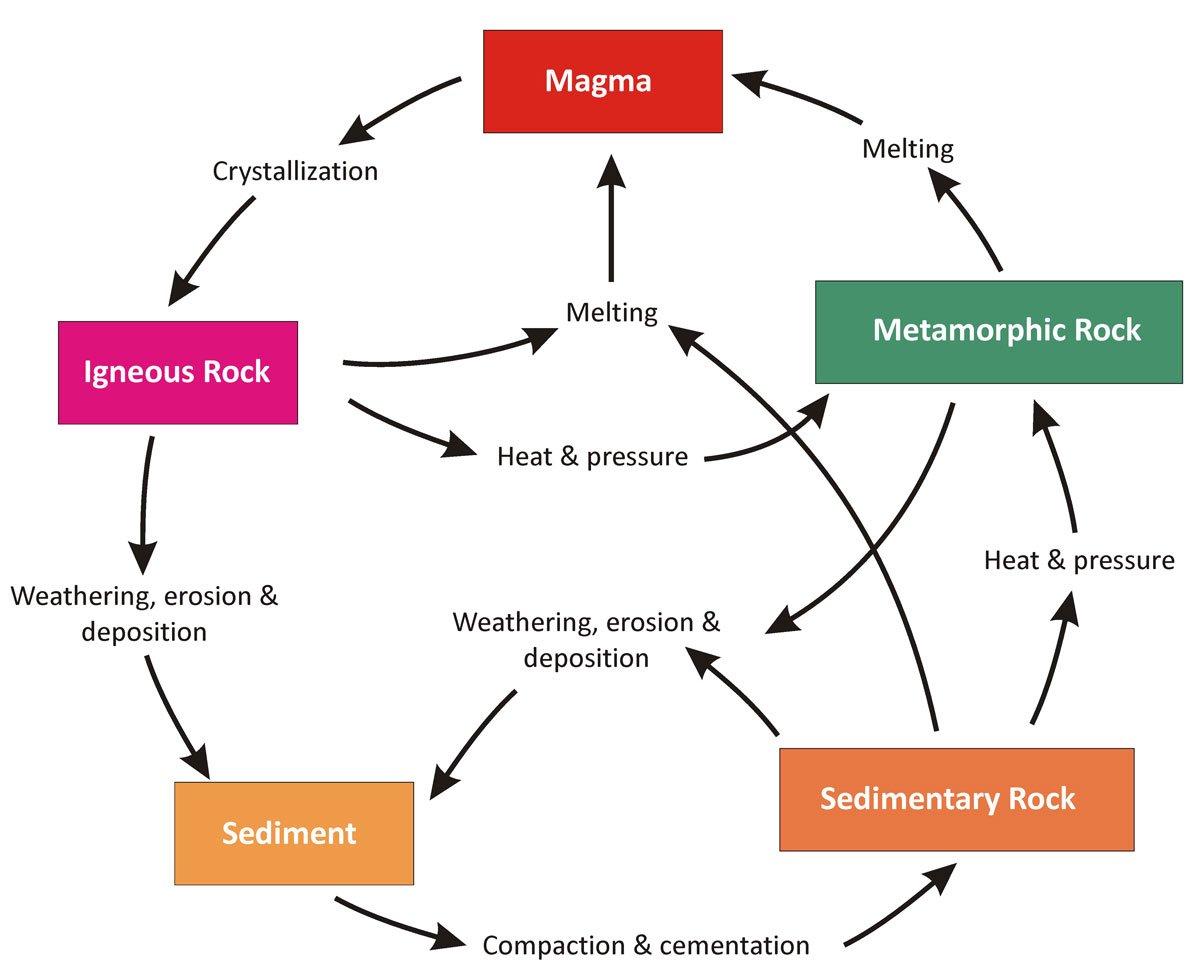
Formed by heat and pressure
a)
Sedimentary
b)
Metamorphic
c)
Extrusive Igneous
d)
Intrusive Igneous
54.
Formed by cooling & solidification of lava
a)
Sedimentary
b)
Metamorphic
c)
Extrusive Igneous
d)
Intrusive Igneous
55.
Formed by cooling & solidification of magma
a)
Sedimentary
b)
Metamorphic
c)
Extrusive Igneous
d)
Intrusive Igneous
56.
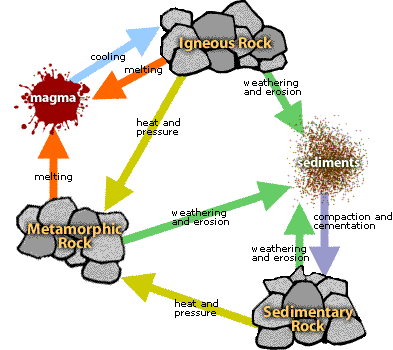
Formed by compacting & cementing of sediments
a)
Sedimentary
b)
Metamorphic
c)
Extrusive Igneous
d)
Intrusive Igneous
57.
Formed by weathering & erosion
a)
magma
b)
sediments
c)
sedimentary rock
d)
intrusive igneous
58.
Formed by melting
a)
magma
b)
sediments
c)
sedimentary rock
d)
intrusive igneous
59.
Has large crystals because of slow cooling
a)
sedimentary rock
b)
metamorphic rock
c)
intrusive igneous rock
d)
extrusive igneous rock
60.
Has small or no crystals because of rapid cooling
a)
sedimentary
b)
metamorphic
c)
extrusive igneous
d)
intrusive igneous
61.
Has wavy bands.
a)
sedimentary rock
b)
metamorphic rock
c)
extrusive igneous rock
d)
intrusive igneous rock
62.

Which of the following is an organically formed sedimentary rock?

a)

obsidian

b)

coal

c)

siltstone

d)

shale

63.

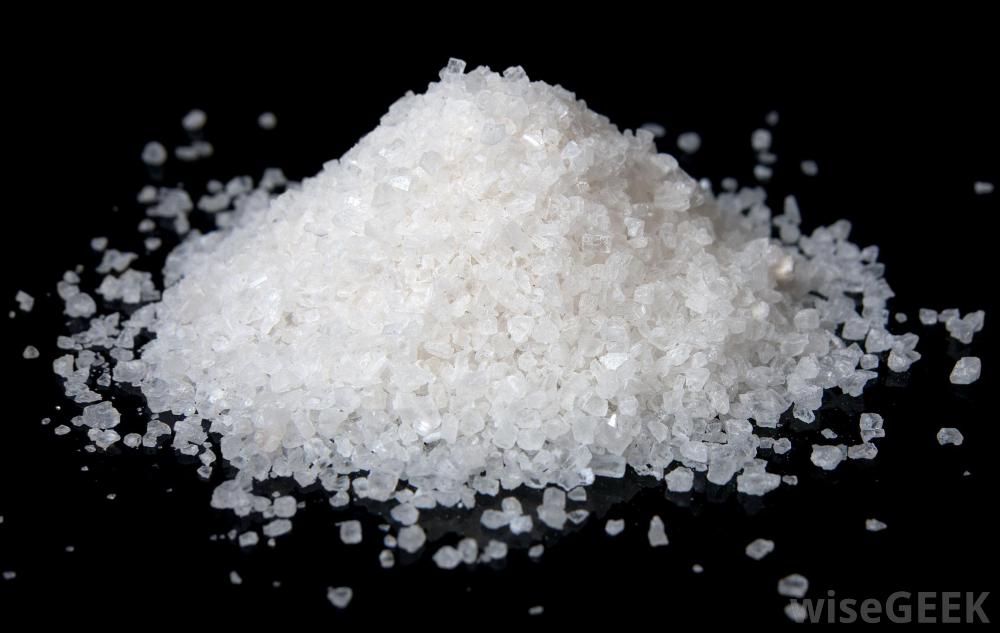
Which of the following is a chemically formed sedimentary rock?

a)

marble

b)

breccia

c)

rock salt

d)

quartz

64.

Describe the texture of breccia.

a)

vesicular

b)

clastic

c)

crystalline

d)

bioclastic

65.

What is this a picture of?

a)

plate tectonics

b)

continental drift

c)

pangaea

d)

glacier scaring

66.
How does fossil evidence support Wegener's hypothesis of continental drift?
a)
Similar fossils are found along continental margins that appear to join together.
b)
Fossils are found in areas where the present-day climate could not have supported the organisms that made the fossils.
c)
Similar fossils of giant, land-dwelling dinosaurs are found on continents separated by oceans.
d)
all of the above
67.
Why was Wegener's theory not accepted?
a)
He had no proof of how they were moving
b)
He had no evidence
c)
He was married
d)
He was not a Scientist
68.
What does the theory of continental drift state?
a)
The continents were once joined in a super-continent and have moved over time
b)
Continents are stationary and do not move
c)
The Earth is broken into lithospheric plates that move due to convection currents
d)
none of the above
69.

Major geological events that occur when plates shift suddenly and release stored energy; frequent occurrences along all types of plate boundaries

a)

Volcano

b)

Earthquakes

c)

Tsunami

d)

Tornado

70.

What is subduction?

a)

where one tectonic plate sinks below another

b)

Where two plates slide

c)

Where two plates divide

d)

Where two plates collide

71.

What is seafloor spreading?

a)

Large pieces of lithosphere that move.

b)

Layer made up of the crust and uppermost mantle

c)

The super continent that existed millions of years ago

d)

Process by which new oceanic crust forms when magma rises up and solidifies at the mid-ocean ridge.

72.

where quake begins below surface

a)

elastic rebounding

b)

focus

c)

epicenter

d)

fault

73.

where quake begins on surface

a)

epicenter

b)

joint

c)

fault

d)

focus

74.
The Richter scale measures:
a)
the amount of radon gas released
b)
the movement of plates
c)
the strength of an earthquake
d)
the weight of tectonic plates
75.
Which travels fastest, always being the first detected by seismic stations?
a)
P waves
b)
S waves
76.
What do S (secondary) waves do during an earthquake?
a)
Shake the ground
b)
Cause eruptions
c)
Open cracks in the earth's surface
d)
Create loud noises
77.
An instrument that detects and measures earthquakes is a 
a)
seismogram
b)
focus seismic map
c)
focus
d)
seismograph 
78.
What is a fault?
a)
A crack in a plate.
b)
Where two plates move toward each other.
79.
Earthquakes under the water can cause _________________________________.
a)
tornadoes
b)
tsunamis
c)
lightening
d)
hailstorms
80.
Volcanoes that have recently erupted are known as:
a)
Extinct Volcano
b)
Dormant Volcano
c)
Active Volcano
d)
What's a volcano?
81.
Volcanoes that have not erupted for at least 10,000 years are described as...
a)
Sleeping
b)
Dormant
c)
Active
d)
Extinct
82.
__________ volcanoes are formed from fast flowing, lava which flows easily over the surface, forming larger volcanoes with gentle sides.
a)
Cone
b)
Composite
c)
Angel
d)
Shield
83.
A subduction zone is...
a)
plates pull apart.
b)
the continental plate slides under the oceanic plate.
c)
where the oceanic plate slides under the continental plate.
d)
plates slap each other a high five.
84.
When a volcano erupts, empties the magma chamber, and collapses the top leaving a huge hole.
a)
Dike
b)
Caldera
c)
Silica
d)
Geyser
85.
Explosive eruption that hurls ash, gases, cinders, and bombs from the main vent.
a)
Volcano bomb
b)
Geyser
c)
Geothermal energy
d)
Pyroclastic flow
86.
Inside a volcano, magma collects in a pocket called a:
a)
caldera
b)
pipe
c)
magma chamber
d)
vent
87.
Magma's resistance to flow, or how thick it is, is called:
a)
silica
b)
viscosity
c)
hot spot
d)
caldera
88.
An opening through which the lava flows is called:
a)
crater
b)
caldera
c)
vent
d)
pipe
89.
This type of volcano has explosive eruptions that result in massive amounts of tephra (ash).
a)
Shield volcano
b)
Composite / Stratovolcano
c)
Cinder cone
d)
Fissure volcano
90.
This common type of volcano is made up of alternating layers of ash and lava.
a)
Shield volcano
b)
Composite / Stratovolcano
c)
Cinder cone
d)
Fissure volcano
91.

Which of the following is the largest intrusive igneous rock feature?

a)

dike

b)

sill

c)

volcanic neck

d)

batholith

92.

Magma that is forced into a crack that runs PARALLEL to rock layers and hardens is called a ______________.

a)

dike

b)

sill

c)

volcanic neck

d)

batholith

93.
Water from rain and melting snow that flows over the ground and into streams and storm drains.
a)
River System
b)
Flood Plain
c)
Watershed
d)
Runoff
94.
What is it called when plants give off water vapor as a waste product?
a)
condensation
b)
evaporation
c)
sublimation
d)
transpiration
95.
97% of Earth's water is __________ water.
a)
Fresh
b)
Salt
96.
A layer of rock that water can penetrate is called 
a)
permeable
b)
impermeable
c)
wetland
d)
aerated
97.
Which of the following is NOT a type of chemical weathering?
a)
water
b)
carbon dioxide
c)
ice wedging
d)
living organisms secreting acid to break down rocks
98.
What is weathering?
a)
The process by which
water, ice, wind or gravity
moves fragments of rock
and soil.
b)
The process by which
water, ice, wind or gravity
deposit rock sediments
and soil in a new place.
c)
The breaking down of
Earth’s crust into smaller
and smaller pieces.
99.
What is erosion?
a)
The process by which
water, ice, wind or gravity
moves fragments of rock
and soil.
b)
The process by which
water, ice, wind or gravity
deposit rock sediments
and soil in a new place.
c)
The breaking down of
Earth’s crust into smaller
and smaller pieces.
100.
A marble statue is left exposed to the weather.  Within a few years, the details on the statue have begun to weather away.  This weathering probably is caused by...
a)
oxygen in the air
b)
carbonic acid in rainwater
c)
lichens
d)
abrasion
101.
Which of the following is an example of mechanical weathering?
a)
Acidic groundwater dissolving limestone
b)
frost wedging
c)
Paper being burned
102.
Which type of climate will have faster chemical weathering?
a)
Hot and Wet
b)
Cold and Dry
c)
Hot and Cold
d)
Cold and Wet
103.
How do plants weather rocks?
a)
during photosynthesis
b)
when roots grow into cracks of rocks and expand the rock
c)
when the plant moves water from the roots to the leaves
104.
What is deposition?
a)
The process by which
water, ice, wind or gravity
moves fragments of rock
and soil.
b)
The process by which
water, ice, wind or gravity
deposit rock sediments
and soil in a new place.
c)
The breaking down of
Earth’s crust into smaller
and smaller pieces.
105.
What at 4 types of mass movement?
a)
compaction, cementation, heat, and pressure
b)
mudflow, slump, creep, landslide
c)
abrasion, animal action, acid rain, ice wedging
d)
oxidation, living organisms, tree roots, human activity
106.
_________________ can be compared to sandblasting.
a)
deflation
b)
abrasion
c)
deposition
107.
A loop like bend in the course of a river
a)
meander
b)
tributary
c)
waterfall
d)
rill
108.

Which landscape feature was most likely formed by glacial activity?

a)

an eroded plateau

b)

a flat floodplain

c)

a U-shaped valley

d)

a V-shaped valley

109.
_____ is one type of glacier.
a)
Mountain
b)
Ocean
c)
Continental
d)
Plain
110.
Deposited sediment from glaciers forms different land features, including hills called
a)
mountains
b)
piles
c)
moraines
d)
grooves
111.

As depth increases..........

a)

Things become shallow

b)

temperature decreases, pressure increases, and light decreases

c)

It is more salty

d)

An Ocean Current

112.

Valleys cut deep into the ocean floor

a)

Plankton

b)

Salinity

c)

Surface Current

d)

Ocean Trench

113.

gently sloping shelf of land extending from the shoreline to the continental edge

a)

Continental Slope

b)

Continental Shelf

c)

Continental Rise

d)

Abyssal Plain

114.
If the Earth did not rotate on its axis, there would be no
a)
Greenhouse effect
b)
Coriolis effect
c)
Global warming
d)
Convection
115.
What causes wind to blow?
a)
Differences in longitude
b)
Shock waves from clouds
c)
Differences in air temperature and pressure
d)
The rotation of earth
116.

The movement of deep, cold, nutrient filled water to the surface of the ocean is..

a)

Ocean Current

b)

Upwelling

c)

Deep Currents

d)

Surface Currents

117.
Currents that occur at or near the surface of the ocean are called 
a)
Deep Currents
b)
Convection Currents
c)
Surface Currents
d)
Wave Currents
118.
Regular movements of water far below the oceans surface are called
a)
Warm Currents
b)
Deep Currents
c)
Shallow Currents
d)
Surface Currents
119.

The second broadest category of geologic time is______________?. The Cenozoic is one of them.

a)

era

b)

eon

c)

epoch

d)

period

120.

Known as the age of reptiles

a)

Mesozoic

b)

Cenozoic

c)

Phanerozoic

d)

Cambrian

121.

Which fossil is an INDEX fossil?

a)

crinoid

b)

coral

c)

ammonite

d)

gastropod

122.

Which is an example of RELATIVE aging?

a)

I think she's around 50 years old.

b)

Marcus is 14

c)

Jacob is younger than Alina

d)

That dog is pretty old

123.

What era do humans live in?

a)

Precambrian

b)

Paleozoic

c)

Mesozoic

d)

Cenozoic

124.

What era was dominated by ocean organisms?

a)

Precambrian

b)

Paleozoic

c)

Mesozoic

d)

Cenozoic

125.
According to the law of superposition, the oldest fossils are found 
a)
At the top of the rock layers
b)
Near the bottom of the rock layers
c)
In the middle of the rock layers
d)
Somewhat near the surface
126.

The number of years that have passed since the rock formed is the rock's ____ age, or its actual age.

a)

relative

b)

law of superposition

c)

absolute

d)

index fossil

127.

The red layers in banded iron formations are rust, which forms when which two chemicals combine?

a)

iron and carbon dioxide

b)

iron and oxygen

c)

oxygen and carbon dioxide

d)

methane and sulfur dioxide

128.

What is the main evidence for the evolution of photosynthetic organisms?

a)

Fossils known as BIF's

b)

Formations of rock known as the Banded Iron Formations

c)

BUF's

d)

Formations of rock known as the Banded Iridium Formations.

129.
The layer of atmosphere closest to the Earth is called the
a)
mesosphere
b)
stratosphere
c)
troposphere
d)
proctosphere
130.
Air in the atmosphere is 78%
a)
Einsteinium
b)
nitrogen
c)
oxygen
d)
carbon dioxide
131.
The atmosphere is 21%
a)
nitrogen
b)
oxygen
c)
argon
d)
flatulence
132.
air pressure is the ________ that air has on a surface or object 
a)
height
b)
distance
c)
force
d)
protuberance
133.
The ozone layer
a)
is green and purple
b)
absorbs dangerous solar radiation
c)
smells like sulphur
d)
is made of carbon dioxide
134.
The greenhouse effect causes the Earth's air to
a)
heat up
b)
cool down
c)
blow up
d)
turn brown
135.
If the ozone layer were to be completely destroyed life on Earth would
a)
grow larger
b)
get smaller
c)
die from too much solar radiation
d)
stay the same
136.
As altitude increases, the air pressure 
a)
decreases
b)
stays the same
c)
increases
d)
all of the above
137.
Most of Earth's weather occurs in the 
a)
troposphere
b)
stratosphere
c)
mesophere
d)
thermosphere
138.

Which layer of the atmosphere contains the ionosphere?

a)

troposphere

b)

stratosphere

c)

mesosphere

d)

thermosphere

139.

Which layer of the atmosphere contains the ozone?

a)

troposphere

b)

stratosphere

c)

mesosphere

d)

thermosphere

140.

Winds occur because hot air rises and cool air sinks in a process called...

a)

conduction

b)

convection

c)

radiation

d)

magnetism

141.

The rotation of the Earth causes winds to bend due to the...

a)

coriolis effect

b)

doldrums

c)

trade winds

d)

westerlies

142.

Winds always blow from areas of _________ pressure to areas of _________ pressure.

a)

high, high

b)

low, low

c)

low, high

d)

high, low

143.
What is the season in the Northern Hemisphere when the North Pole is pointed toward the sun?
a)
Fall
b)
Winter
c)
Spring
d)
Summer
144.
During which season is sunlight the least intense?
a)
Fall
b)
Winter
c)
Spring
d)
Summer
145.
Which location experiences 12 hours of daylight throughout the entire year?
a)
Equator
b)
North Pole
c)
South Pole
d)
Tropic of Capricorn
146.

What season is it in the Northern Hemisphere?

a)

summer

b)

winter

c)

fall

d)

spring

147.

What season is it in the Southern Hemisphere?

a)

summer

b)

winter

c)

fall

d)

spring

148.
Which movement of Earth causes day and night?
a)
rotation
b)
revolution
149.
How long does Earth take to make a complete rotation?
a)
365 days
b)
24 hours
150.

How many days does it take Earth to revolve around the sun?

a)

24 days

b)

365 1/4 days

c)

365 days