
 Worksheets
CA 7: Energy sources and PE/KE
Total questions: 53
Worksheet time: 47mins
a natural non renewable fuel such as coal, oil, or natural gas formed over a very long time in the geological past from the remains of living organisms
fossil fuel
hydropower
geothermal
wind
a flammable, yellow to black liquid composed of hydrocarbons occurring naturally beneath Earth's surface
petroleum (oil)
wind
geothermal
biomass
an energy resource that takes millions of years to form from the remains of plants and animals, such a coal, oil, and natural gas
nonrenewable
renewable
a hard, black, solid fuel formed from the remains of plants over millions of years and extracted from the ground
coal
petroleum
natural gas
biomass
ENERGY is the ability to cause change
true
false
an energy resource such as trees or wind that is replaceable by natural means
renewable
nonrenewable
heat harnessed from deep beneath Earth's surface and converted to useable energy
Geothermal
biomass
wind
solar
movement of water through a dam in a river is converted to useable energy
hydropower
solar
nuclear
wind
the sun's energy is collected and converted to useable energy
nuclear
biomass
natural gas
solar
the splitting of uranium atoms to release energy.
geothermal
wind
nuclear
natural gas
turbines harness the movement of air and convert it to useable energy
wind
biomass
natural gas
hydropower
NATURAL GAS is usually found in the ground positioned above petroleum deposits, that is burned to obtain energy.
true
false
biological material such as plant material or animal waste converted to a usable energy source
biomass
wind
nuclear
hydropower
gases in an atmosphere that absorb and retain heat energy. High amounts cause air pollution and overheat the planet
greenhouse gases
conservation
landfill
recycling
efforts to wisely use, distribute, and protect valuable resources such as fresh water, soil, unique environments
conservation
landfill
greenhouse gases
biomass
What is a renewable resource?
A resource you can reuse over and over
An object you cannot replace
Fossil fuels
A resource that has a nearly unlimited supply
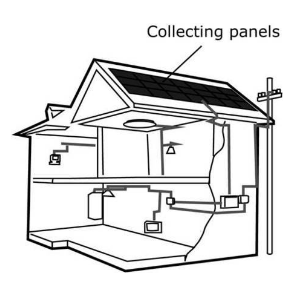
Which alternative energy source does this house use?
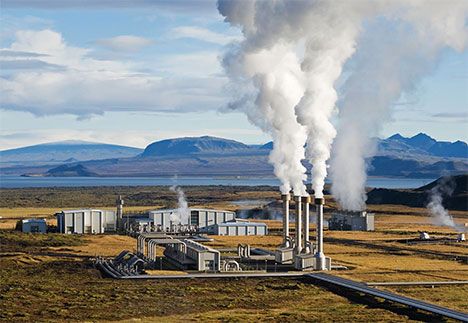
All of the following are considered renewable energy sources EXCEPT –
Wind
Coal
Biomass
Solar
Which alternative energy source does this house use?
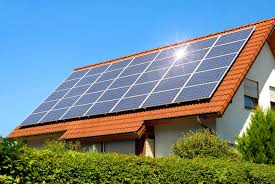


What is a renewable resource?
A resource you can reuse over and over
An object you cannot replace
Fossil fuels
A resource that has a nearly unlimited supply
All of the following are considered renewable energy sources EXCEPT –
Wind
Coal
Biomass
Solar
One benefit of geothermal energy is that ________________________________.
a plant can be built ANYWHERE
it doesn't cost a lot of money to build
it can provide power 24 hours a day
it harms ecosystems where it's built
Plant materials or animal waste used as fuel
Coal
Geothermal
Wind
Biomass
What is potential energy?
The energy an object has due to its atomic structure.
The energy an object has due to its chemical composition.
The energy an object has due to its motion.
The energy an object has due to its position or condition.
What is kinetic energy?
The energy an object has due to its position or condition
The energy an object has due to its motion
The energy an object has due to its chemical composition
The energy an object has due to its atomic structure
When does an object have no kinetic energy?
When it's at rest.
When it's moving very slowly.
When the only force that's acting on it is gravity.
When it has no electrical charge.
Which object has the most potential energy?
A ball resting on the ground.
A ball being thrown at 100 miles per hour.
A ball on top of a refrigerator.
A ball resting on the edge of a cliff.
When does a yo-yo have the most potential energy?
When it's at its highest point.
When it's at its lowest point.
When it's moving between its highest and lowest points.
When it's moving at its top speed.
When is potential energy transformed into kinetic energy?
When an object at rest is lifted to a higher elevation.
When an object at rest remains at rest.
When an object at rest is put into motion.
When an object in motion is stopped and put at rest.
What do potential and kinetic energy have in common?
They're both related to density.
They're both unrelated to size.
They're both related to volume.
They're both related to motion.
Which is the best synonym for potential energy?
Stored energy
Energy of motion
Energy due to gravity
Mechanical energy
Why do objects at high elevations have more potential energy than objects at low elevations?
Because the thinner air at higher elevations means objects have a greater potential to move very fast
Because objects at high elevations are closer to the sun, which is the source of all energy on earth
Because objects at high elevations tend to move slower than objects at low elevations
Because gravity gives objects at high elevations the potential to fall much further

All of the pictures are examples of what type of energy?
gravitational potential energy
elastic potential energy
chemical potential energy
kinetic potential energy
Gravitational potential energy depends on which two factors?
mass and height above the ground
distance and speed
speed and height above the ground
mass and speed

You throw a ball into the air as shown in the diagram. At what point does the ball have the most potential energy?
W
X
Y
Z
A stretched rubber band represents what type of potential energy?
gravitational potential energy
elastic potential energy
chemical potential energy
kinetic potential energy

At which position does the child on the swing have the most gravitational potential energy?
W
X
Y
Z
Which object has elastic potential energy?
a hanging leaf
a burning coal
a rolling ball
a stretched bow

