
 Worksheets
Benchmark Review
Total questions: 151
Worksheet time: 2hrs 53mins
term used to describe early a twentieth-century journalist who worked to expose corruption and abuses in politics and society
muckraker
reform
progressive
initiative
making changes to address abuses or injustices
reform
suffrage
referendum
progressives
refers to those who advocate making reforms to the social and political status quo
progressives
muckrakers
initiative
reforms
the right to vote
suffrage
reform
progressives
referendum
political procedure used to remove elected officials from office prior to the end of their term
recall
referendum
suffrage
initiative
political procedure in which the electorate votes directly on a legislative measure
referendum
initiative
recall
reform
political procedure where voters can propose a legislative measure directly for a popular vote
Initiative
referendum
recall
muckraker
I don't like the new law about not being allowed to own cats.
Initiative
Recall
Referendum
The news just reported that our Mayor takes a nap for three hours once a day while on the clock.
recall
referendum
initiative
Thomas Nast was a _______________ and drew political cartoons about corruption.
muckraker
suffragette
reformer
progressive
I want a new legislative measure to be put into place that all new drivers have to have a sticker on their car that says they are new.
initiative
recall
referendum
Economic recessions are typically a sign of an economy doing well.
True
False
A tariff is -
a tax on imported goods
a tax on exported goods
a tax on luxury items
a tax on your income
Helping of society often addressed by programs administered by non-profit organizations or governmental programs
social welfare
tariffs
dust bowl
new deal
With "speculation" you will always make money, and there is no risk of loss for the investor.
True
False
The Dust Bowl was a result of -
hurricanes
tornadoes
drought
inflation
The New Deal was -
a series of programs, public work projects, and financial reforms
investment in stocks
sustained period with no precipitation
the return of someone to their own country
A drought is -
an excess of rainfall
a period of no rainfall
an unusually high number of hurricanes
light snowfall
Repatriation is -
forced return to your country
government handouts
a time with no precipitation
high risks in investments
An educational law
A tax
a sustained economic decline characterized by high unemployment, low levels of production, and business failures
social wellfare
recession
dust bowl
tariff
Which would not be an example of social welfare programs?
soup kitchend
breadlines
coffee shops
social security
investment in stocks, property, or other ventures in the hope of gain but with the risk of loss.
speculations
bankers
tariffs
new deal
Which is not a cause of a recession?
high unemployment
low levels of production
business failures
government corruption
a policy of non-involvement in wars or the affairs of other nations
mobiliztion
civilians
neutrality
rationing
the making ready of military forces for war
civilians
Totalitarianism
domestic front
mobilization
form of government in which all aspects of daily life are controlled by a central authority
totalitarianism
neutral
domestic front
civilian
President Roosevelt was given authority to send things such as ammunition, tanks, and food to the war effort in Europe w/o violating the nation's official position of neutrality.
lend-lease
mobilization
casualties
rationing
On the home front (or the domestic front) means your own country rather than foreign countries
domestic front
lend-lease
neutrality
totalitarianism
a person not in the armed services or the police force.
mobilization
lend-lease
civilian
casualties
allow each person to have only a fixed amount of something
lend-lease
domestic front
mobilization
rationing
a person killed or injured in a war or accident
casualties
civilians
mobilization
totalitarianism
A dictator is an example of -
totalitarianism
casualties
mobilization
civilians
Why might people have to participate in rationing?
too little of something
too much of something
too much waste
Who used the lend-lease program?
President Roosevelt
President Taft
President Wilson
President Harding
What 2 things are negatives of war?
casualties
rationing
mobilization
domestic front
Women working in factories is an example of -
neutrality
domestic front
rationing
casualties
The U.S sending troops to Europe during WWII is an example of -
mobilization
civilians
neutrality
totalitarianism
Why did the U.S participate in the lend-lease program?
in hopes to stay neutral
in hopes to start WWII
in hopes to see high casualties
to encourage totalitarianism
A nurse that helps soldiers in New York is an example of -
totalitarianism
mobilization
a civilian
rationing
Only allowing people in the U.S to buy 2 lbs of sugar was an example of -
rationing
totalitarianism
lend-lease programs
neutrality
Soldiers dying in war is an example of -
totalitarianism
civilians
casualties
mobilization
Which of these is not something that would be seen as part of the domestic-front?
women working in factories
soldiers being shipped to Europe
rationing food items
President making a speech to the American people
Which of these is not a reason the U.S might want to stay neutral in the war?
high casualties
wars are expensive
U.S was struggling with the Great Depression
U.S was ok with Totalitarianism
Where is Harlem?
New York
Chicago
Detroit
San Francisco
Where is Harlem?
New York
Chicago
Detroit
San Francisco
What is the Harlem Renaissance?
A travelling basketball team
A rebirth of African American culture in art, music, and literature
A medieval game
Time period of around 1210 a.d. when the games of jousting and art became popular
During which decades did the Harlem Renaissance occur?
1900-1910
1920s and 1930s
1940s and 1950s
late 1800s
Who was Louis Armstrong?
famous African American artist
famous African American painter
famous African American musician
Who was Langston Hughes?
famous African American author and poet
famous African American musician
famous African American artist
Who was Jacob Lawrence?
famous African American author and poet
famous African American musician
famous African American artist
How did the Harlem Renaissance influence the world? (2)
it only had an impact on the immediate area of New York
it spread from the area of Harlem to other parts of the nation
it not only influenced African Americans, but other cultures as well
What did the Harlem Renaissance show?
racial pride in African Americans
segregation
nothing
the need for more immigration policies
Tin Pan Alley continued throughout much of the 20th century as the center for:
Parades
Singing Christmas carols
Music publishing
Scratch DJs
Tin Pan Alley was known for distributing sheet music.
True
False
Where did Tin Pan Alley start?
Chicago
New York
Cleveland
Atlanta
Jazz showed the lack of cultural contributions of African American artists and performers
True
False
Jazz music only became popular in New York.
True
False
When did the Harlem Renaissance end?
death of Louis Armstrong
World War II
Great Depression
When Tin Pan Alley was introduced

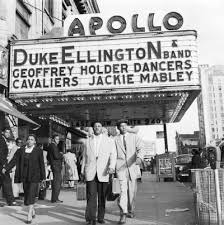
Who wrote The Weary Blues and Raisin in the Sun?
Countee Cullen
Langston Hughes
James Weldon Johnson
Which of the following was known for playing trumpet?
Duke Ellington
Louis Armstrong
Bessie Smith
Paul Robeson
What reflects the changes in American society during the 1920s?
Jazz
Literature
Poetry
Dancing
Which was not an artist during the Harlem Renaissance?
Aaron Douglas
Jacob Lawrence
Lois Mailou Jones
Bessie Smith
Austin, Texas
The trial pit modernist ideals against __________ ideals.
traditionalist
What did Scopes have to do?
Pay $100 fine
Community Service
Go to Church
Send apology letters
Increased buying of products
Consumerism
Modernity
Red
Nativism
What amendment outlawed the selling and making of alcohol?
18th
19th
21
22nd
The demand of alcohol went down after the 18th amendment.
True
False
What amendment repealed the 18th?
19th
20th
21st
22nd
Which Amendment gave all women the right to vote?
15th
19th
17th
16th
Women were able to get any job they wanted after the 19th amendment was passed.
True
False
What political party dominated the 1920s?
Demo
Republicans
Socialists
Communists
What cleared up the vagueness of the 18th amendment?
Volstead Act
Bulter Act
Speakeasy Act
19th amendment
The Teapot Dome Scandal was over --
oil
gold
silver
natural gas
Emergency Quota Act limited -
immigrants to the US
political scandals
money being printed
Palmer Raids
Why were the Palmer Raids deemed necessary in the 1920s?
Capitalist ideals
Fear of Socialism
Increased in unemployment
Fear of communism
Nativism led to a resurgence of the KKK in the 1920s.
True
False
Who were Sacco & Venzetti?
Italian immigrants accused of murder and robbery.
Japanese Americans that wanted citizenship
Italian immigrants openly spreading communism
Supporters of the KKK
Many people believe Sacco & Vanzetti were innocent and being wrongly accused since they were poor immigrants and anarchists.
True
False
What was NOT a reason immigrants were coming to the US in 1920?
to flee World War I
a better life
fashion trends
Where did most immigrants come from during the 1920s? (2)
Eastern Europe
Southern Europe
Asia
Middle East
What was NOT a concern about immigration?
veterans returning to civilian workforce
a recession
factories retooling after war
Fights between immigrants
Who did the recession hurt because their prices for their goods were low?
shop keepers
miners
farmers
immigrants
When was the literacy test enforced?
1921
1917
1924
1919
This law set the quota of legal immigrants to 3% of their current ethnic makeup in the United States.
Emergency Quotas Act
National Origins Act
Literacy Tests
National Origins Act of 1924 reduced the percentage of immigrants to 2% as well as effectively barred immigration from Asian nations.
True
False
What two things changed because of nativism?
Increase in taxes
Decrease of cheap labor
Increase in immigration to U.S.
Decrease in unemployment
Why did the US want to Americanize? (2)
some immigrants were illiterate
significant #s of population were foreign born
needed immigrants for government jobs
US didn't want other cultures
What did the Teapot Dome Scandal do to the U.S? (2)
Revealed corruption
Damaged public trust
Increased Nativism
Lowered Taxes
Impeached President Harding
Relating to recent or contemporary styled or ideas
Modernity
Consumerism
Migration
Nativism
During the 1920s, the government wanted higher taxes and lower tariffs.
True
False
Where did Americanization happen? (3)
after school programs
through labor unions
private organizations
government funded schools
in the homes
At the end of WWI, an agreement was signed called the _________________________.
Treaty of London
Treaty of Rome
Treaty of Versailles
Treaty of Amsterdam
The Treaty of Versailles said that WWI was the fault of which country?
Austria
Yugoslavia
England
Germany
True or False: The United States joined the League of Nations?
True
False


This is what the Germans called their submarines
U-Boats
Convoy System
Red Scare
Reparations

The League of Nations was created for what reason?
prevent future conflict
to set up alliances
to build up the armies of nations
to divide up the land after the war

During the war the U.S. government used the Espionage Act to limit what for citizens?
natural resources
access to soldiers
1st amendment rights
meat and wheat
T/F: The Select Service Act required all eligible men and women to register for the draft.
True
False
Pick 2: To make money for the government they --
raised taxes
sold bail bond
sold cookies
printed more money
Espionage Act limited the -
1st amendment
taxes
bail bonds
military recruitment
T/F: World War I lead to an increase of wanting immigrants to the U.S.
True
False
Why did members of Congress not want to ratify the Treaty of Versailles? (3)
threatening U.S Sovereignty
might pull in the U.S to another War
they hated the French and British
they did not believe Germany did anything wrong
threatened Congress' power
T/F: After WWI there was a push for U.S Isolationism
True
False
T/F: World War I set a precedent for the idea that when the U.S went to war, it was to "spread democracy."
True
False

Seeking to influence/persuade legislators to introduce or vote for/against a bill is called _____________.
protesting
forum
lobbying
due process

Which scenario is an example of lobbying?
A president imposes heavy tariffs on Chinese imports.
Congress passes a tax bill.
High school students from Parkland, Florida try to persuade members of the U.S. Senate to create tougher gun control laws.
The federal government cancels the Affordable Care Act Assistance contract.
This court case alleged that the voting districts as drawn in Texas contained impermissible deviations from population equality and that the plan’s multi-member districts were constitutionally invalid because they diluted the voting strength of racial and ethnic minorities.
Edgewood ISD v. Kirby
Hernandez v. Texas
Wisconsin v. Yoder
White v. Regester
This is when you go to court to solve a problem or a dispute.
Litigation
Lobbying
Amendments
Protesting
What amendment did not help encourage participation in suffrage?
12th
15th
24th
26th
What amendment allowed women to vote?
15th
19th
24th
26th
What amendment allowed people to vote no matter their race or color?
15th
19th
24th
26th
Which amendment prohibits poll taxes for people to vote?
15th
19th
24th
26th
What amendment set the voting age to 18?
15th
19th
24th
26th
Shannon went to the court house to vote and was told she was not allowed to vote unless she paid $300.
What amendment does this violate?
15th
19th
24th
26th
Abraham turned 18 in March and the next presidential election was in November. He went to vote and they told him he was too young.
What amendment does this violate?
15th
19th
24th
26th
Ethan was told he was not allowed to vote on his state representative because he did not meet the new race requirement.
What amendment does this violate?
15th
19th
24th
26th
When the Civil War was over, the United states ratified the 15th amendment which promised that a person's right to vote could not _____
be denied based on whether you were male or female
be denied based on race, color or previous condition as a slave
be denied even if a person was not a citizen
What year was the 19th amendment passed?
1918
1920
1940
1888
Who advocated for peaceful, non-violent protests?
Martin Luther King Jr
Malcolm X
Rosa Parks
Ken is struggling to pay his bills since he got hurt at work. He is thankful that when he goes to vote this November, he doesn’t have to pay a poll tax.
15th Amendment
19th Amendment
23rd Amendment
24th Amendment
Sienna stands in line at her polling place to vote in the election. She is happy that women were granted the right to vote so she can voice her opinion!
15th Amendment
19th Amendment
23rd Amendment
24th Amendment
26th Amendment
James is a freed slave allowed to vote in the election of 1872. He is excited to make his opinion heard through voting for the first time
15th Amendemnt
19th Amendment
23rd Amendment
24th Amendment
26th Amendment
Linda was told she would not be allowed to vote in the next election because she was a woman.
What amendment does this violate?
15th
19th
24th
26th

