
 Worksheets
CH 10 | Heredity + Mendelian Genetics
Total questions: 83
Worksheet time: 1hrs 25mins
Why do scientist use Punnett Squares?
A tool scientist use to to see alleles
A tool scientist use to see which alleles are dominant
A tool scientist use to determine possible genotypes for offspring
Which of the following is a homozygous recessive genotype?
HH
dd
Aa
Which of the following is a Homozygous Dominant Genotype?
Yy
YY
yy
Which of the following is a heterozygous genotype?
Gg
UU
pp
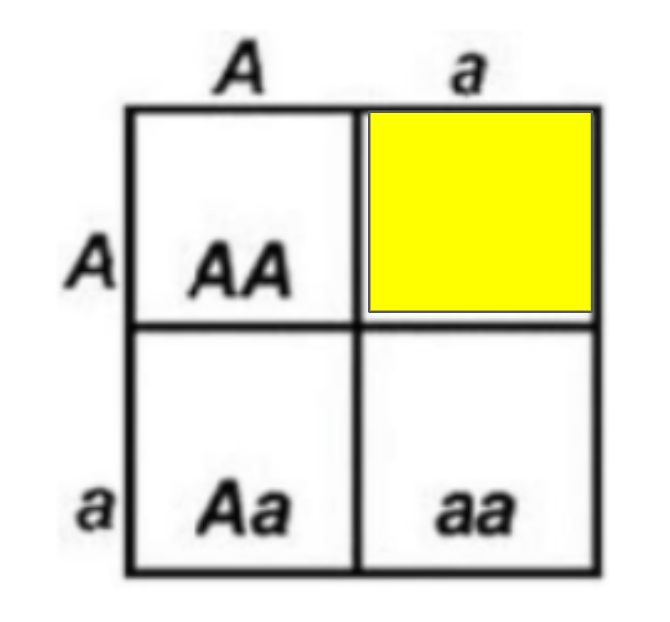
Fill in the Yellow Box
AA
Aa
aa
In a Punnett Square, 1 box is equal to 25%. How much are 3 boxes equal to?
25%
50%
75%
100%
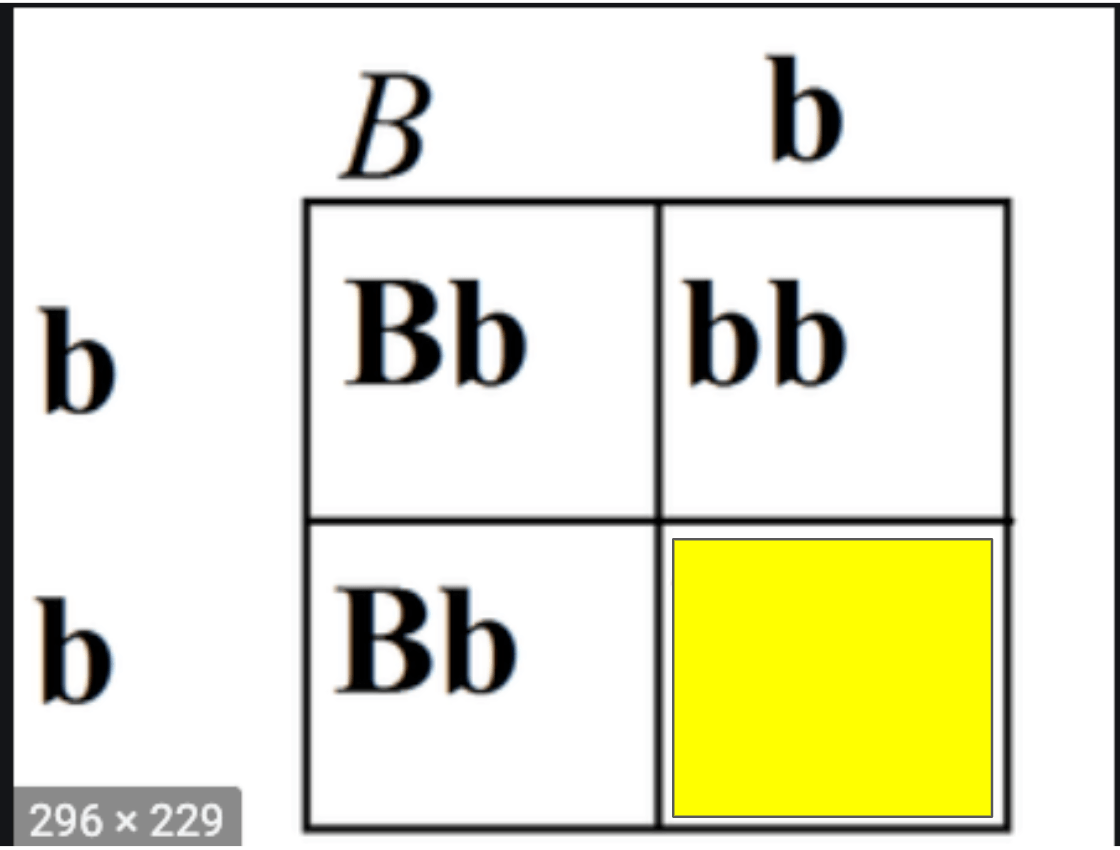
Fill in the Yellow Box
Bb
BB
bb
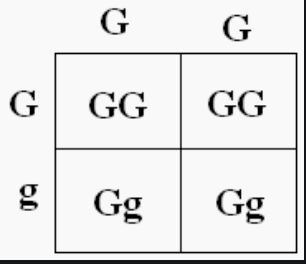
What chance the offspring born from this cross will have a homozygous dominant genotype?
25%
50%
75%
100%
The punnett square is used to tell the color of a frogs skin. "G" means green skin and "g" means brown skin. What is the chance the baby frogs will have brown skin?
0%
25%
50%
100%
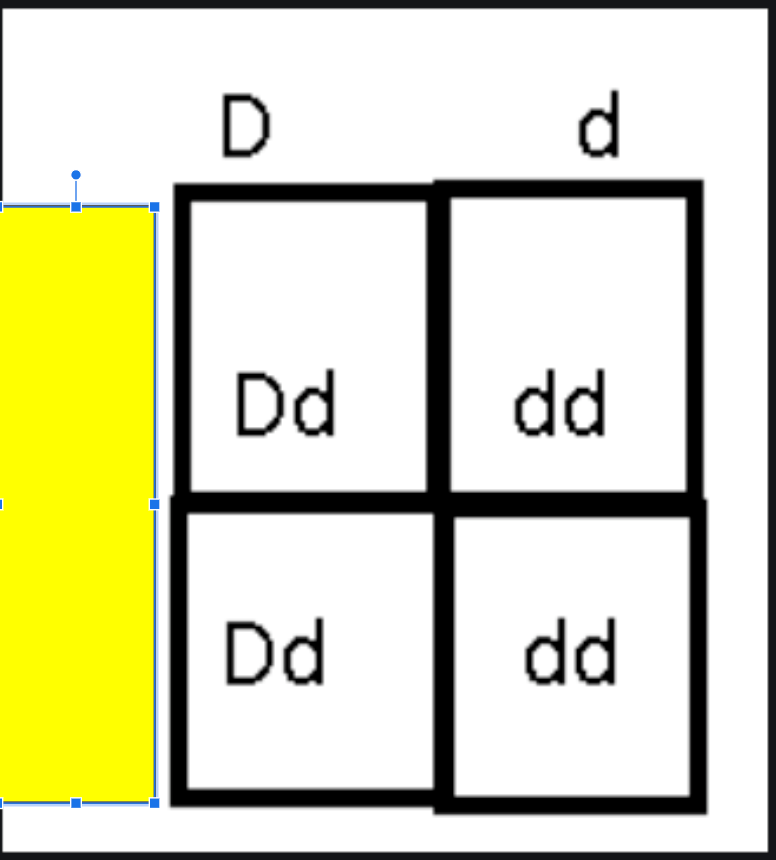
What is the mother's genotype?
DD
Dd
dd

In the punnett square below, what belongs in the missing square

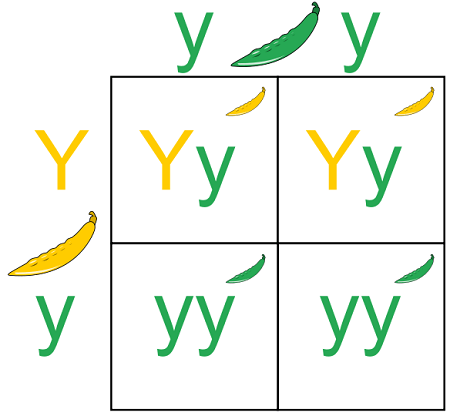
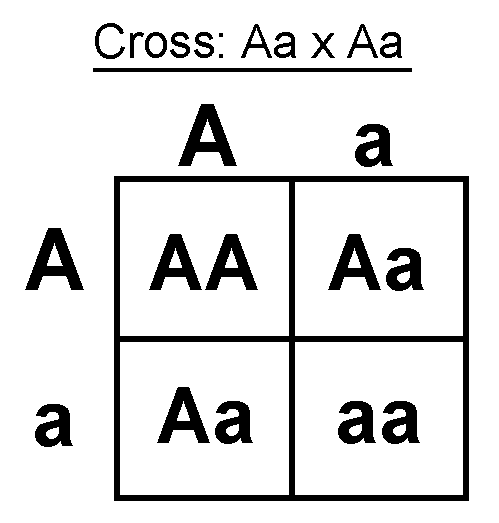
In a heterozygous genotype, the ___________ allele takes over in the phenotype.
recessive
dominant
both
Aa, DD, Ba, and yy are all examples of ---
genotypes
phenotypes
AA and Aa always show up as ---
dominant.
recessive.


b = blue eyes
What is true about these two brothers that have brown eyes?
One has genotype BB the other Bb.


The different forms of a gene
alleles
atoms
proteins
wheels
This trait always shows up in an organism when the allele is present
dominant allele
codominance
probability
recessive allele
This trait is hidden whenever the dominant allele is present
dominant allele
codominance
recessive allele
Punnett Square

A chart that shows all the possible combinations of alleles that can result from a genetic cross
dominant allele
codominance
probability
Punnett Square

An organism's genetic makeup, or allele combination. The letters we use to show the allele combination.
phenotype
genotype

An organism that has two identical (THE SAME) alleles for a trait (purebred)
homozygous
heterozygous

An organism that has two different alleles for a trait (hybrid)
homozygous
heterozygous
Segments of chromosomes that contain coded information for an organisms trait
cells
genes
alleles
genotypes
The outward expression, or appearance, of a genetic trait is its
allele
pedigree
phenotype
inheritance
The designation Rr for a pea plant's peas shows that the plant is
purple
a hybrid
heterozygous
a true breeding plant


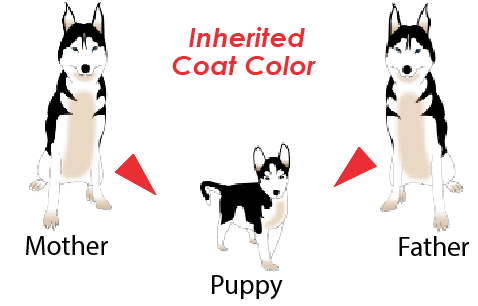
Passing on traits from parents to offspring
Chromosome
Genotype
Heredity
Allele
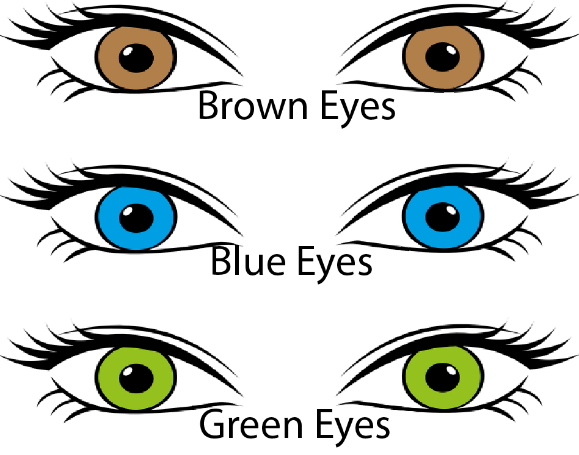
A feature regulated by a set of genes (allele) passed on
from parents to offspring. Also called inherited traits.
Heterozygous
Mendel
Chromosome
Traits
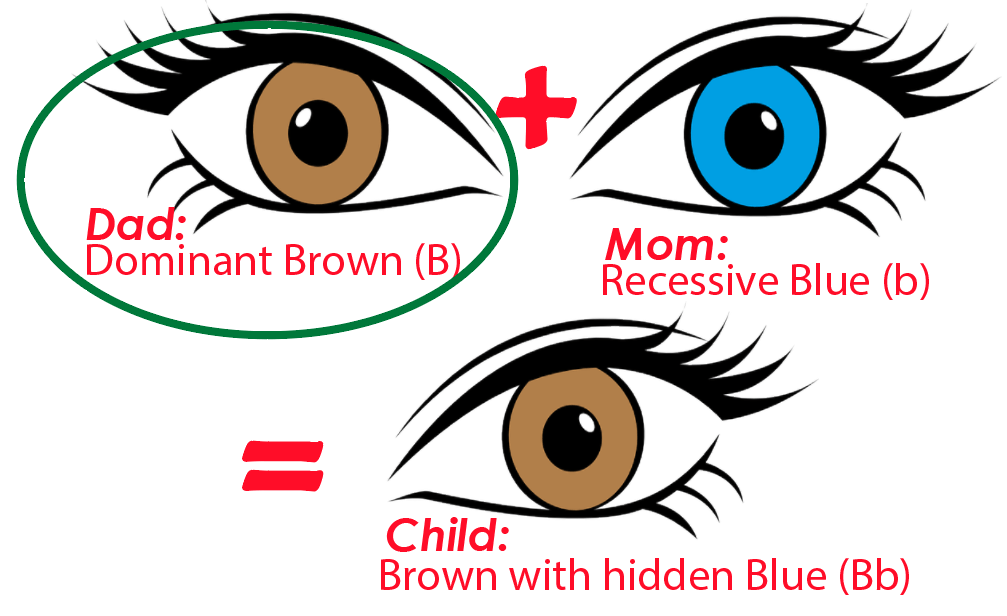
The instruction of one allele covers up the instruction
of the other allele in a homologous pair. Symbolized by a capital letter.
Recessive Allele
Dominant Allele
Heredity
Trait
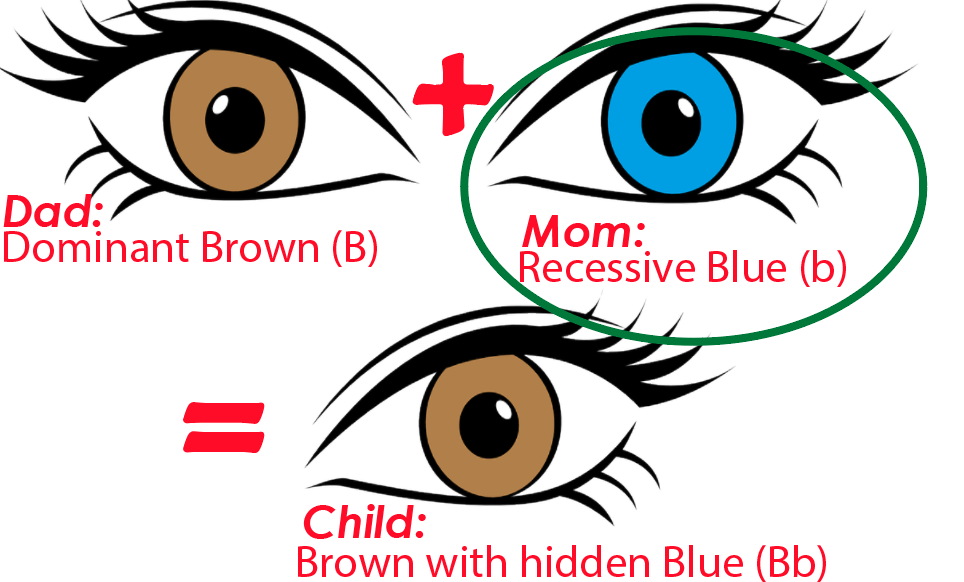
The instructions of this allele are covered up by the other allele in a homologous pair. Symbolized by a small letter.
Homozygous
Dominant
Recessive
Genetics
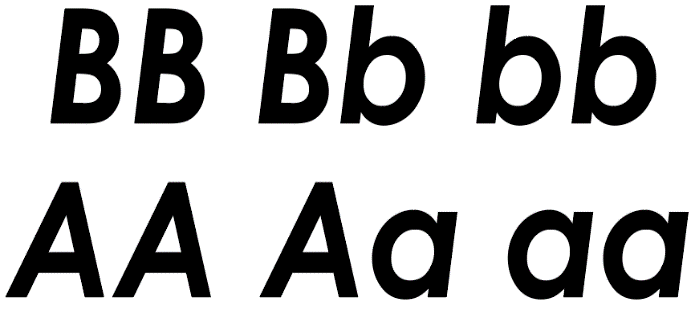
The letter symbols for both homologous alleles.
BB Bb bb AA Aa aa
Genotype
Phenotype
Recessive
Dominant
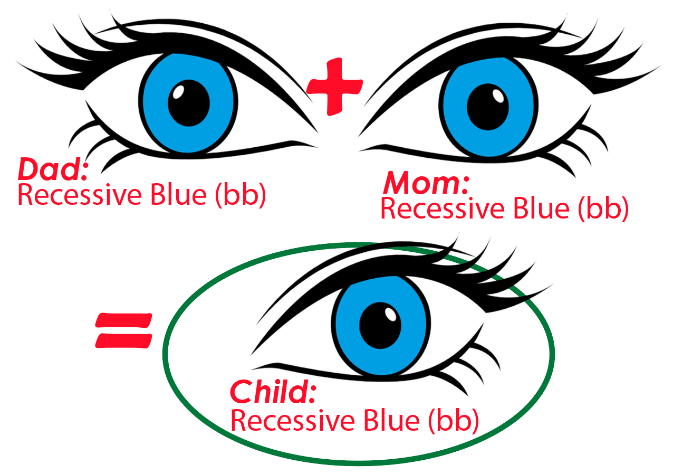
A genotype where only recessive alleles
were passed on from both parents for one trait
bb aa tt ll
Heredity
Homozygous Dominant
Homozygous Recessive
Phenotype
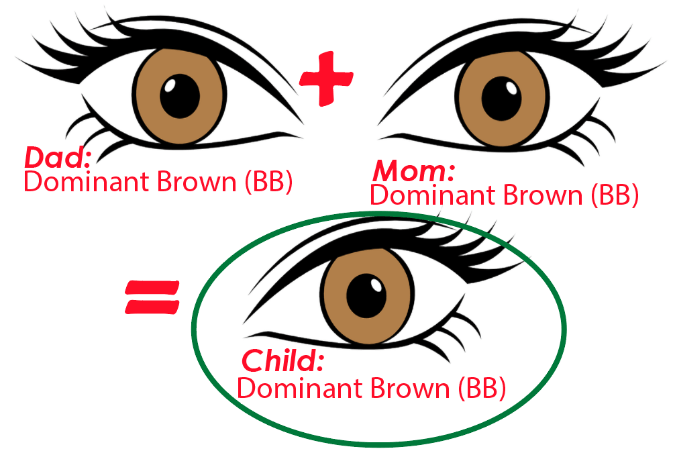
A genotype where only dominant alleles were passed on
from both parents for one trait
BB AA TT LL
Homozygous Recessive
Homozygous Dominant
Dihybrid
Heredity
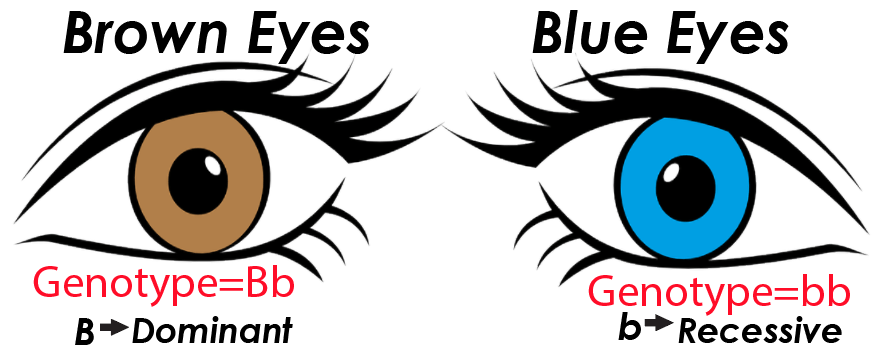
The observable traits dictated by the genotype
Phenotype
Genotype
Homozygous Recessive
Homozygous Dominant
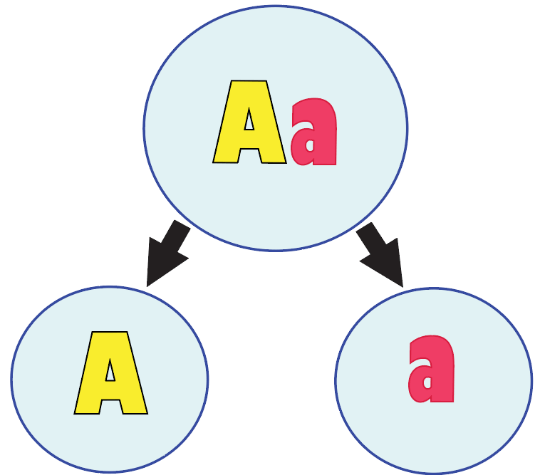
During meiosis and gamete formation, homologous (paired up) alleles split up
Phenotype
Law of Segregation
Genotype
Dihybrid Cross
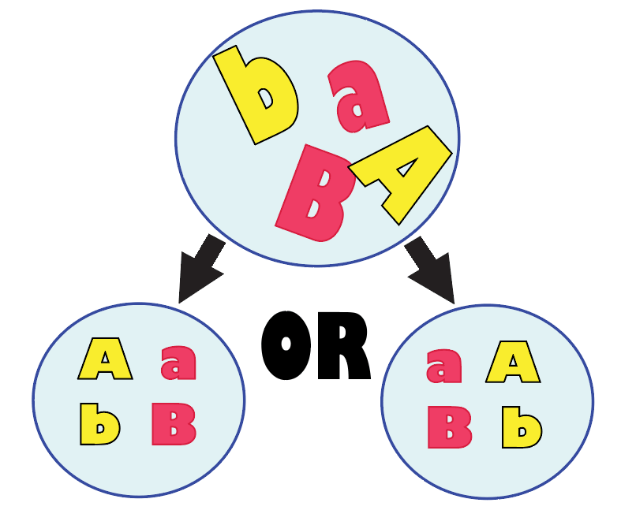
During meiosis, the homologous pairs of chromosomes and the matching alleles are lined up independently.
Offspring are a mix of maternal genes and paternal genes.
This increases genetic variation.
Homozygous Dominant
Law of Segregation
Crossing Over
Independent Assortment
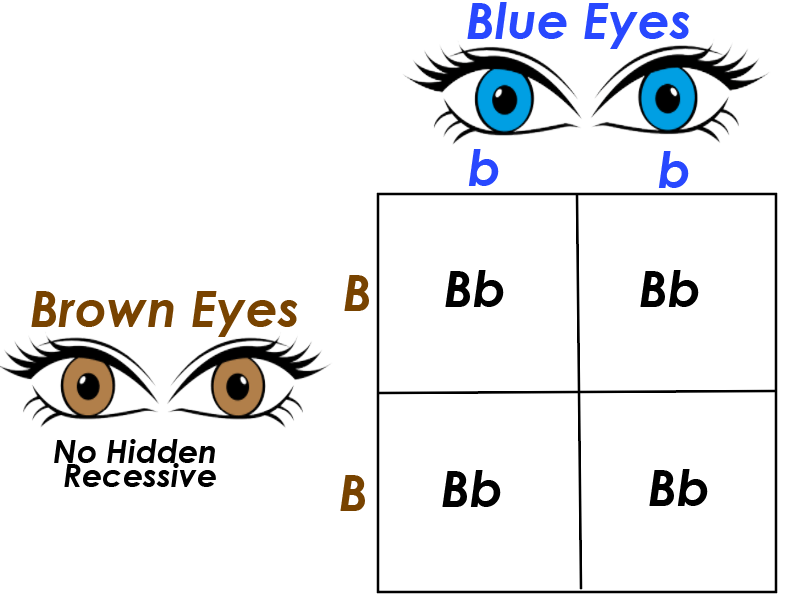
The genetic cross between two parents for one trait:
Example BB x bb
B = dominant for brown
b = recessive for blue
Incomplete Dominance
Dihybrid Cross
Monohybrid Cross
Iron Cross
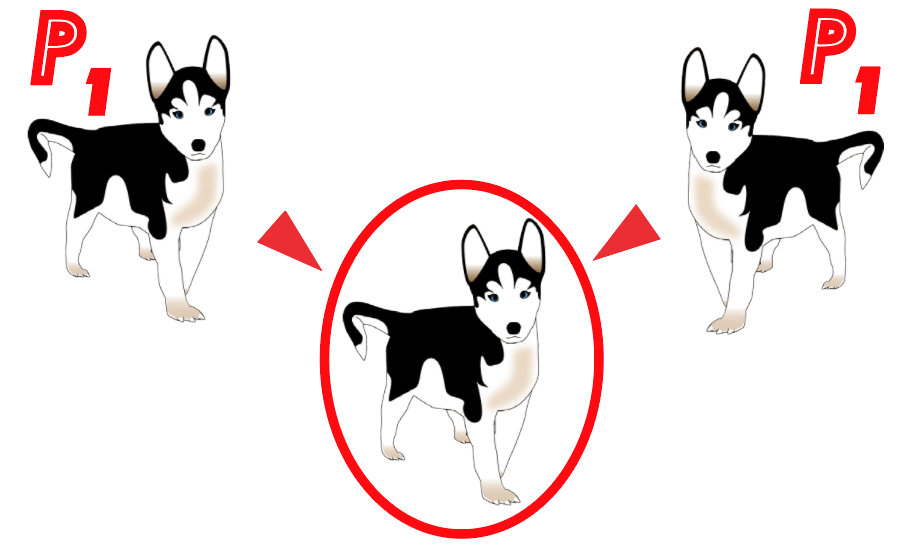
Referring to the original parents.
P1
F1
F2
Homozygous
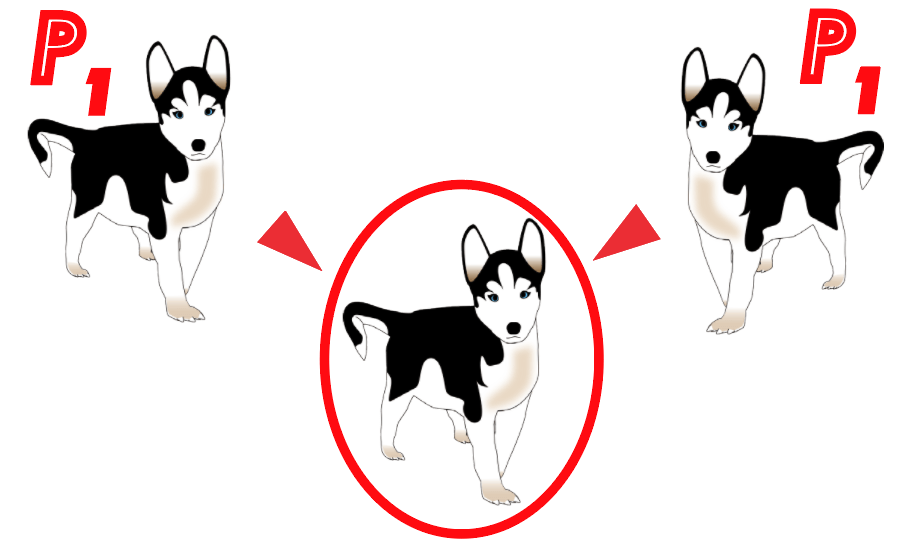
First Filial (child) Generation: the offspring of P1
P1
F2
F1
Heterozygous
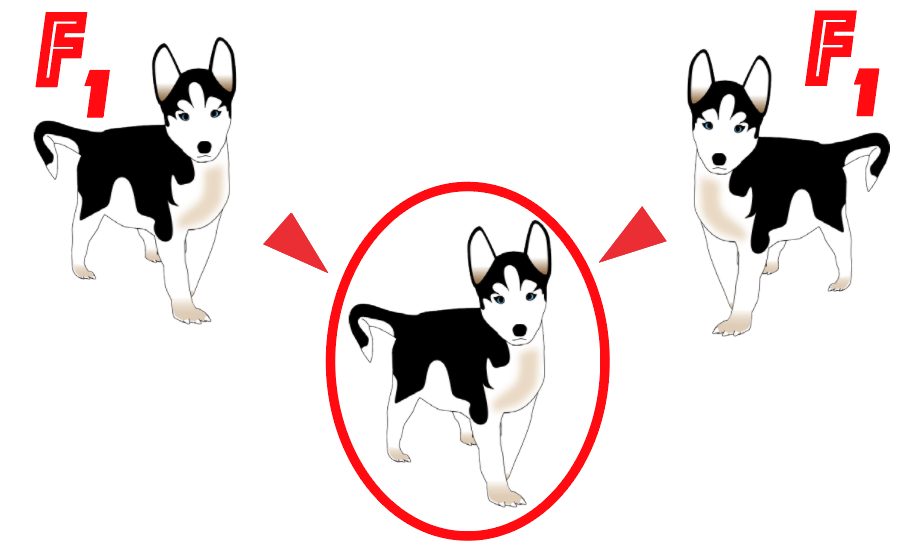
Second Filial Generation: the offspring of F1
P1
F1
F2
Homozygous Recessive
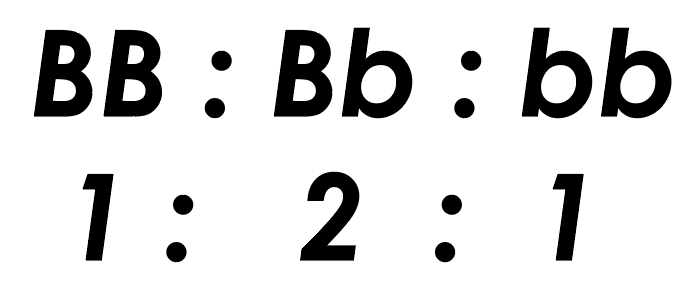
The ratio of homozygous dominant to heterozygous
to homozygous recessive offspring
Genotypic Ratio
Phenotypic Ratio
Monohybrid Cross
Homologous Pair

The ratio of phenotypes in a Punnett Square
Phenotypic Ratio
Genotypic Ratio
Dihybrid Cross
Independent Assortment
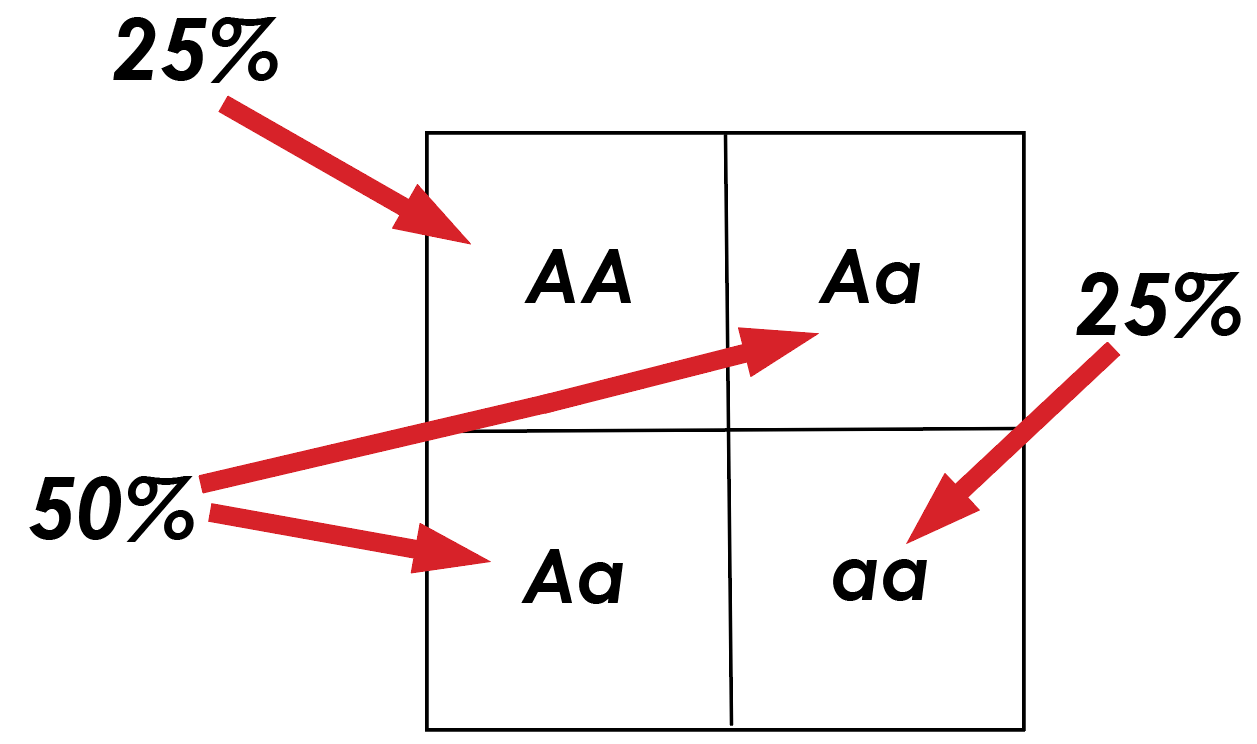
The chance that a genotype or phenotype
will actually occur in offspring
Probability
Phenotype
Genotype
Homozygous Recessive
Red (R) is dominant over white (r). How can a flower be white?
It can have RR and be white.
It has to have rr.
It has to have rR
There is no way it can be white until the third generation.

A _______ is an alternative form a gene.
chromosome
sister chromatid
allele
telomere
a trait that is always expressed if present is _____________________
Recessive
Dominant
Strong
True
a trait that is masked unless 2 copies are present is ________________________
recessive
dominant
weak
hidden
alleles for a trait that are the same
Homozygous
Heterozygous
Quasizygous
Juxtazygous
alleles for a trait that are the different
Homozygous
Heterozygous
Quasizygous
Juxtazygous
the physical/observable characteristic
phenotype
genotype
the organism's genetic makeup
phenotype
genotype
Select all that would be considered phenotypes:
Blonde
Rr
Short
rr
Select all that would be considered genotypes:
Blonde
Rr
Short
rr
Law of segregation states:
the two alleles for each trait separate during meiosis
the two alleles for each trait separate during mitosis
a random distribution of alleles occur during gamete formation
a ordered distribution of alleles occur during gamete formation
Law of independent assortment states:
the two alleles for each trait separate during meiosis
the two alleles for each trait separate during mitosis
a random distribution of alleles occur during gamete formation
a ordered distribution of alleles occur during gamete formation
Independent assortment happens:
during metaphase I of meiosis I
during metaphase II of meiosis II
during metaphase of mitosis

What goes in box 15
aabb
AABB
aaBB
AAbb

Based off this punnett square, what fraction of the offspring will have wrinkled, yellow seeds?
9/16
3/16
1/16
16/16
Based off this punnett square, what fraction of the offspring will have wrinkled, green seeds?
9/16
3/16
1/16
16/16
What is the genotype for a pea plant homozygous for round seeds (R), and heterozygous for yellow seeds?
RrYy
RRyy
RRYy
rryy
What is the expected phenotypic ratio of a dihybrid cross between two heterozygous individuals?
12 : 3 : 1
9 : 6 : 1
16 : 0 : 0 : 0
9 : 3 : 3 : 1

