
 Worksheets
Biology 1st Year Ch# 1-5
Total questions: 100
Worksheet time: 58mins
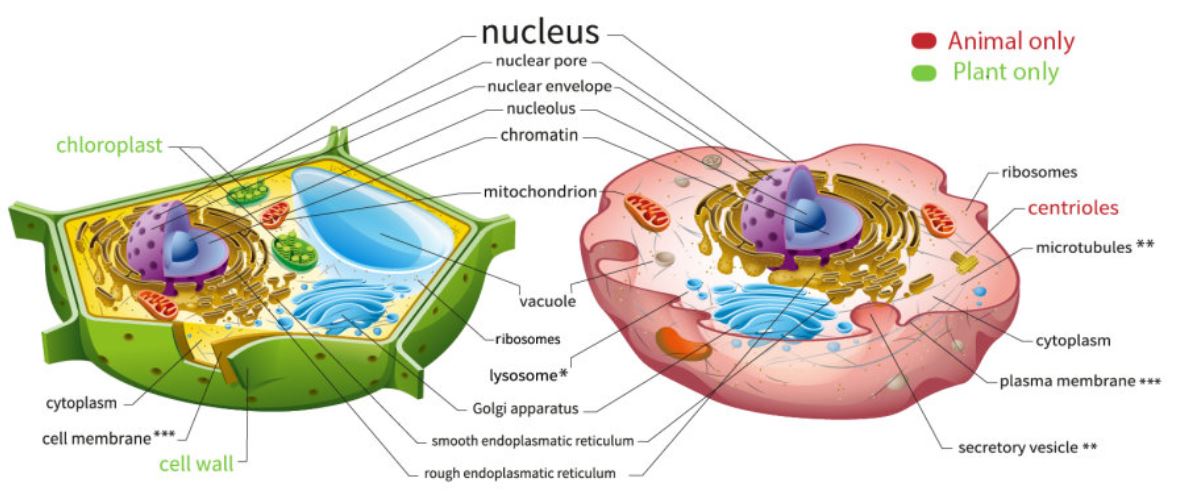
What is the study of the structure and function of cells?
Cytology
Genetics
Ecology
Taxonomy
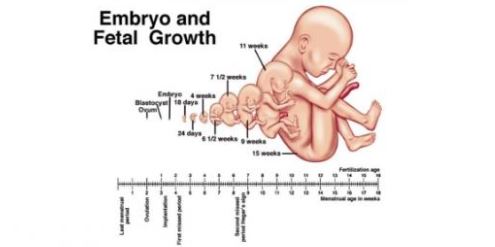
What is the study of embryo development?
Ecology
Icthiology
Microbiology
Embryology
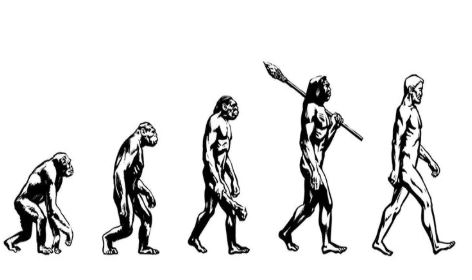
What do we call the study of changes of organisms over time?
Histology
Evolution
Microbiology
Taxonomy
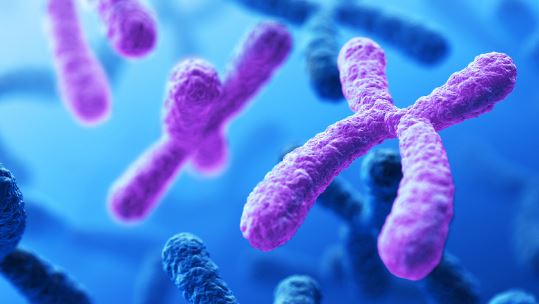
What is the study of heredity?
Microbiology
Genetics
Evolution
Anatomy
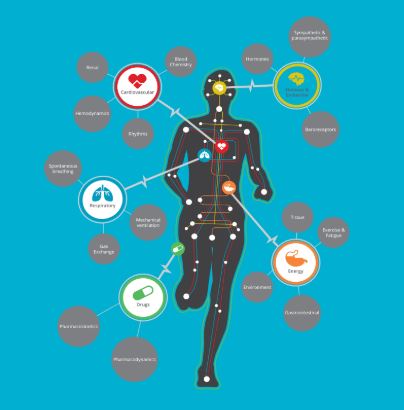
What is the study of the functions of living thing?
Physiology
Pathology
Cytology
Evolution

What is the study of the relationship between organisms and their environment?
Genetics
Ecology
Bacteriology
Biochemistry
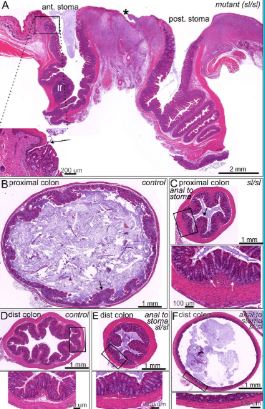
What is the study of animal and plant tissue?
Histology
Marine Biology
Taxonomy
Boatany

What is the study of insects?
Oncology
Physiology
Virology
Entomology
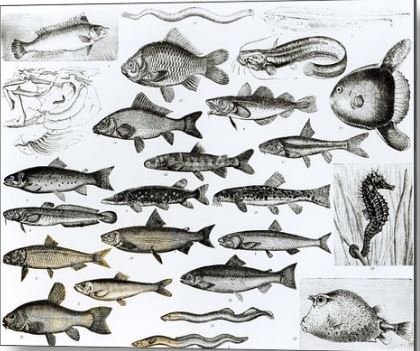
What is the study of fish?
Ichthyology
Zoology
Botany
Pathology
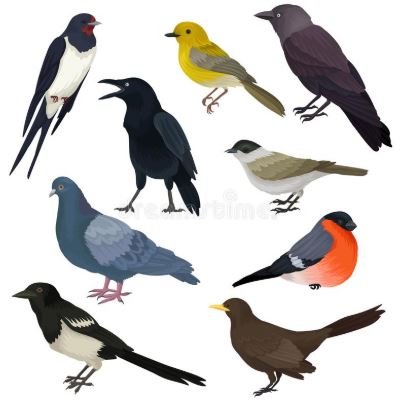
What is the study of birds?
Virology
Hematology
Ornithology
Oncology


Information gathered from observing a plant grow 3cm over a two-week period results in
Inferences.
hypotheses.
data.
variables.
Which instrument would a scientist use to study a small living organism.
Bathosphere
Electron Microscope
Light Microscope
Micrometer
Which of the following is a valid hypothesis for why a plant is dying
It has never grown well
It has been over watered
It has been kept in the shade
Its in the wrong colour pot
The chemical reactions through which an organism builds up or breaks down materials as it carries out its life processes is called
Metabolism
Respiration
Mitosis
Homeostasis
Plasma membranes are selectively permeable. This means
anything can pass in and out
the membrane regulates the passage of the material in and out of the cell
glucose cannot enter the cell
cholesterol cannot enter
Which is NOT a function of the membrane?
it forms a selective barrier
it has receptors for chemical messages
it is the control center of the cell
it is involved in self recognition
Small, nonpolar, hydrophobic molecules such as fatty acids
easily pass through the membrane's bilayer
very slowly diffuse through the bilayer
require transport proteins
enter through endocytosis
Membrane phospholipids
have hydrophobic heads that face the center of the membrane and are shielded from water
have hydrophilic tails that face outward
remain fluid because they are tightly packed
none of these
Which of the following substances would have the most trouble crossing the membrane by diffusing through the bilayer?
water
oxygen
carbon dioxide
a sodium ion
The cholesterol associated with membranes
is attached to proteins and extends into the environment surrounding the cell
helps stabilize the membrane at body temperature
is an abnormality resulting from a diet high in cholesterol
both a and c
A major function of glycoproteins and glycolipids in the membane is to
glue cells together to form tissues
allow cells to identify each other
attach membrane to cytoskeleton
help retain shape
What kinds of molecules pass through a cell membrane most easily?
ionic
small and hydrophobic
large polar
large and hydrophobic
Which of the following allows water to move faster across cell membranes?
aquaporins
ATP
peripheral proteins
the sodium-potassium pump

The majority of the plasma membrane is composed of ______.
phospholipids
proteins
carbohydrates
cholesterol

What property does the phospholipid bilayer give to a plasma membrane?
provides the barrier between the inside and outside of the cell
communicates between cells
conducts electrical impulses in nerve cells
allows cells to bind to each other


Prokaryotic Ribosomes are made up of
40S and 60S subunits
30S and 50S subunits
30S and 60S subunits
40s and 50S subunits
Number of Proteins in Prokaryotic ribosomes
21 in smaller subunit and 31 in larger subunit
33 in smaller subunit and 49 in larger subunit
21 in smaller subunit and 49 in larger subunit
A continuous membrane system that forms a reticular network which transverses the cytoplasm is known as.....
Lysosome
Endoplasmic Reticulum
Golgi complex
Ribosome
Which of the following is the basic type of E.R. ?
Rough E.R.
Smooth E.R.
Both of above
None of above
....... Acts as a storage organelle.
Smooth ER
Rough ER
Both of above
None of above
Synthesis and packeging of proteins occurs in...
Rough ER
Smooth ER
Lysosome
Plasma membrane
Makes
lipids and gets rid of the chemicals and poisons
Rough Endoplamsic Reticulum
Lysosomes
Ribosomes
Smooth Endoplasmic Reticulum
In the Golgi Apparatus macromolecules, such as lipids and proteins, are transported within the cell using____.
Vesicles
Ribosomes
Rough endoplasmic reticulum
DNA
What happens in the Golgi apparatus?
Proteins are created
Proteins are sorted, packaged, and tagged
Stores proteins and other substances
Deposits contents outside of the cell
Vesicles from the rough ER are most likely on their way to_____________ .
The peroxisomes
The lysosomes
The Gogi Apparatus
The plant cell vacuoles only.
Which of the following is part of the mitochondria
outer membrane
DNA
matrix
all of the above
Mitochondria have their own ____ and DNA floating in the matrix
ions
ATP
water
ribosomes
Has transport proteins to move pyruvate into mitochondria.
cristae
matrix
inner membrane
outer membrane
Increase the surface area available for ATP synthesis
cristae
matrix
inner membrane
outer membrane
Contains enzymes for the linking reaction and Krebs cycle.
cristae
matrix
inner membrane
outer membrane

What is the function of nuclear pores?
for the nucleus to breath
to allow in/out of nucleus
to store new DNA inside the nucleus
to remove old DNA from nucleus
How is DNA packaged into Chromosomes?
Wrapped around nucleosomes
Chromatin coiled and condensed
Long and loose
In a double strand
When does the nuclear envelope disappear in Mitosis?
Prophase
Metaphase
Interphase
Telophase

What important material is contained in the nucleus?
Jeans
Digestive enzymes
DNA
Nuclear ladders

Cell membrane was dicovered by...............
Robert Hooke
Singer and Nicolson
Danielli and Davson
None of these
Molecular formula of glyceraldehyde
C3H4O3
C3H6O3
C3H8O3
None of these
C2H5OH + HOOCCH3 ----------------> __________ + H2 0
C2H5COCH3
C2H5OCH3
C2H5OH
C2H5OCOCH3
Nucleic acids were irst isolated in __________ by F. Miescher from the nuclei of pus cells.
1769
1830
1766
1869
The E.coli genome consists of 4,639,221 base pairs, which code for at least _______ proteins.
4188
4688
4263
4288
______________ is the irst microbe to have the genome completely sequenced and this was published on July 28, 1995.
E. coli
H. Pylori
H. inluenzae
Vibrio Cholrae
Product of succinic acid by its reaction with enzyme............
Fumaric Acid
Malonic acid
Succinyle CoA
Glycealdehyde
Component of Secondary Cell wall...............
Chitin
Protein
peptone
inorganic salts
__________ (1805) a German scientist , believed that “all living beings originate from or consist of vesicles or cells”
Robert Brown
Lorenz Oken
Jean Baptist de-Lamarck
Weismann
The ____________ tumor viruses, which include retroviruses (oncoviruses).
single stranded RNA
double stranded RNA
single stranded DNA
double stranded DNA
Mumps and Measles viruses belong to group ___________-
Paramyxoviruses
RNA viruses
RNA enveloped viruses
All of these
Vaccine is available for HAV but not for ________.
HBV
HCV
Both a & b
HTV
The head of the bacteriophage sits on a long ____________.
DNA
tail fibers
tail
How do bacteriophage replicate?
Through mitosis
Through Meiosis
They do not replicate
By injecting its own DNA into a bacteria
The term "bacteriophage" means
"virus eater"
"bad virus"
"bacterial illness"
"bacteria eater"
How many bacteriophages are there on Earth?
Less than the number of animals on Earth
More than all living organisms combined
More than there are bacteria but less than bacteria plus animals
More than the number of animals on Earth but less than there are bacteria on Earth
Why are phages being used in medical practices?
To test antibiotics
To combat superbugs
To help treat cancer
To enrich diets
What is the origin of superbugs
Overuse of antibiotics
The planet Krypton
Random mutations in nature
Diseases spreading between species
In order to become immune to phages what must bacteria lose?
Their mobility
Their salt resistance
Their antibiotic resistance
Their toxicity
who where two mushriks who went to meet the prophet after the prophet after the prophet had given them a promise of safety *
Khalid ibn Walid and Abu jahl
khalid ibn walid and Ekrima
Abu jahl and Abu Sufyan
Abu Sufyan and Ekrima
Whom does opening ayaah of Surat address Ahzab?
The disbelievers
The Prophet
The believers
The entire mankind
if the guardian of an of an adopted son does not know his father's name , the adopted person should be called as ____________
brother in Islam
the guardian's son
real son
none of these
the prophets position in the believers heart should be
next to their own selves
close than the parents
equivalent to the parents
closer than their own selves
The he prophets wives are ------------ of the believers
teachers
mothers
sisters in faith
as real sisters
The tradition of making one's wife haram for him by saying" you are for me like my mother" is known as ------
ظهأر
كفأ ر ة
اولى
دعى
Which month of the Islamic Calendar is Ramadan?
1st
9th
10th
12th
The Qur’an was first revealed in the month of Ramadan. Which Surah in the Holy Qur’an affirms this?
Surah An-Nisa
Surah Al-Kahf
Surah Al-Baqarah
Surah Al-Imran
The Battle of Badr took place in Ramadan
True
False
Muslims normally break (iftar) their fast with _________
Rice
a few dates
Which of the following is allowed to postpone fasting in Ramadan?
Nursing mother
Young men
The Imam
The chief
Moral objectives of Salat include .....
Fatness
Physical exercise
Punctuality
Amassing wealth
The following EXCEPT one are the pilars of Islam
Imam
Malaika
Zakat
Sawn
Haram refers to ........
Unlawful earning
Lawful earning
Delayed payment
Permissible things
Sawn becomes an obligatory duly on ....... muslim
Male
Female
Children
Adult
It becomes compulsory for a child to pray from age of ..........
12 years
6 years
9 years
7 years
What were the two things left by the prophet for the guidance of the ummah as contained in his farewell sermon?
Kadith and Figh
Al-Quran and Sunnah of the prophet
Al - Quran and Qiyas
Sunnah and Ijmaa

