wayground logo

Free Printable Worksheets

NEW

Font size

S
M
L
XL
Worksheets

Rock Cycle Test Review

Total questions: 36

Worksheet time: 19mins

Name
Class
Date
1.

In order for sedimentary rock to form, which of the following must occur?

a)

compaction

b)

intrusion

c)

oxidation

d)

metamorphism

2.
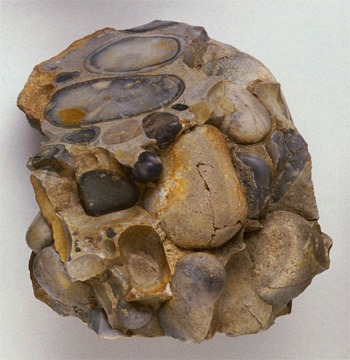
This rock formed when bits of other rocks became pressed into a solid. What type of rock is it?
a)
Sedimentary Rock
b)
Metamorphic Rock
c)
Igneous Rock
3.
What are the 3 major types of rocks?
a)
Igneous, Metamorphic, Sedimentary
b)
Metamorphic, Igneous, Cementation
c)
Brown, Red, Gray
d)
Streak, Hardness, Breakage
4.
This rock was formed by smaller pieces of rock that settled at the bottom of a lake millions of years ago. What type of rock is this?
a)
Sedimentary
b)
Igneous
c)
Metamorphic
5.
Which of the words below describe mud, sand, and tiny bits of rocks that cement together to form a type of rock?
a)
stalactites
b)
magmas
c)
metamorphs
d)
sediments
6.

Which of the following describes the process of sediments being picked up and carried away . by wind, moving water or ice?

a)

Erosion

b)

Weathering

c)

Deposition

d)

Compaction

7.

How does a Metamorphic rock become a Sedimentary rock?

a)

Heat, pressure and radiation

b)

Melting, cooling and evaporation

c)

Weathering, Erosion, Compaction and Cementation

d)

Cooling of Magma over time

8.

How can a Metamorphic rock become an Igneous rock?

a)

Weathering and Erosion

b)

Compaction and Cementation

c)

Heat and Pressurew

d)

Melting and cooling

9.
What numbers indicate melting and cooling? 
a)
1,2,4
b)
6,7,11
c)
7,8,9
d)
4,5
10.
Letter C represents what rock type? 
a)
Igneous
b)
Sedimentary
c)
Metamorphic
11.
Sedimentary rocks are represented by which letter? 
a)
A
b)
C
c)
B
12.
When particles are eroded and moved, they are eventually laid down in a process called: 
a)
deposition
b)
weathering
c)
supposition
d)
refraction
13.
This rock was another type of rock that was heated and compressed over time. What type of rock is this?
a)
Sedimentary
b)
Igneous
c)
Metamorphic
14.
This rock started as molten magma. What type of rock is this?
a)
Sedimentary
b)
Igneous
c)
Metamorphic
15.
The process when rocks break into smaller pieces due to exposure to natural elements is called
a)
erosion
b)
weathering
c)
sediments
16.

Which rock is formed form the cooling of volcanic ash on Earth's surface?

a)

intrusive igneous

b)

foliated metamorphic

c)

extrusive igneous

d)

organic sedimentary

17.

Rocks that form from colling magma inside Earth?

a)

Igneous intrusive

b)

Igneous extrusive

c)

Metamorphic foliated

d)

Metamorphic nonfoliated

18.
True/False: Igneous rocks can only turn into metamorphic rocks.
a)
True
b)
False
19.

This is a natural solid that is made of one or more minerals.

a)

Mineral

b)

Fossil

c)

Rock

d)

Sediment

20.

This is the continuous process of rock changing from one type to another.

a)

Igneous rocks

b)

Sedimentary rocks

c)

Metamorphic rocks

d)

Rock Cycle

21.

What type of rock might contain evidence of past life?

a)

Sedimentary Rock

b)

Igneous Rock

c)

Metamorphic Rock

22.

Which of the following lists the steps an igneous rock undergoes in order to become a sedimentary rock, in the correct order?

a)

Deposition, erosion, melting, cooling

b)

Erosion, weathering, eruption, cooling

c)

Dissolving, deposition, cooling, fracture

d)

Weathering, erosion, deposition, cementation

23.

According to the diagram, what process is shown by letter A?

a)

extrusion

b)

erosion

c)

crystallization

d)

intrusion

24.

According to the diagram, what process is shown by letter B?

a)

compaction & cementation

b)

weather & erosion

c)

heat & pressure

d)

melting

25.

If a lot of heat is applied to a rock, it will turn into

a)

magma

b)

rocks

c)

sediment

d)

metamorphic rocks

26.
This rock was molten lava that cooled quickly as it came out of a volcano. What type of rock is this?
a)
Sedimentary
b)
Igneous
c)
Metamorphic
27.

Is magma below or above ground?

a)

above

b)

below

28.
What is the MAIN way rocks are classified?
a)
Their color and shapes
b)
How they form
c)
Mineral bands
d)
Where they form
29.

Inorganic means

a)

non living

b)

man made

c)

comes from nature

d)

living

30.
The five characteristics that all minerals share are:
a)
Definite Chemical Composition, Color, Density, Igneous, and Solid
b)
Definite Chemical Composition,  Crystal Structure, Inorganic, Naturally Occurring, and Solid
c)
Cleavage, Faces, Hardness, Metamorphic, and Streak
d)
Cleavage, Crystal Structure, Density, Igneous, and Solid
31.

A rock consists of two or more minerals.

a)

True

b)

False

32.

Physical properties of igneous rock include

a)

cementation of smaller rocks

b)

layers

c)

crystals

d)

ribbons

33.

What is number 4?

a)

heat pressure

b)

melting

c)

weathering

d)

cooling/crystallization

34.

What is number 3?

a)

heat pressure

b)

melting

c)

weathering

d)

cooling/crystallization

35.

What is number 2?

a)

heat pressure

b)

melting

c)

weathering

d)

cooling/crystallization

36.

What is number 1?

a)

heat pressure

b)

melting

c)

weathering

d)

cooling/crystallization