
 Worksheets
Plant and Animal Systems Test Review
Total questions: 75
Worksheet time: 46mins

Flowers and Cones function is to ____________________.
Look Pretty
Decorate Christmas Wreath
Help the plant reproduce
Anchor to the ground

Where does photosynthesis takes place?
The flower
The leaf
The stem
The root

What is the vascular tissue that transports water up the plant?
Xylem
Phloem
Roots
Shoot

What is NOT a function of the root system?
Anchor the plant to the ground
Absorb water and nutrients
Store energy for example in potatoes or carrots
Create food for the plant through photosynthesis

What vascular tissue carries organic nutrients "sugar" throughout the plant?
Xylem
Phloem
Cones
Leafs
Xylem transports ...
Water
Sugar (Organic Nutrients)
Sand
Wind
What is turgor pressure and what happens without it?
pressure exerted by water inside the cell pushing against the cell wall
pressure of the outside of the cell wall
no pressure at all
pressure exerted by gravity
Leaves and stems growing towards the sunlight exhibits what kind of tropism?
geotropism
phototropism
gravitropism
autotropism
The roots of a plant growing downwards exhibits what kind of tropism?
Phototropism
Negative geotropism
Positive geotropism
autotropism
How is the turgor pressure force exerted on the inside of a seed to split it open so it can emerge into a seedling?
Water within the seed pushes out against the seed coat
Gravity pushes up on the seed coat
Gravity pulls down on the seed coat
Water from the soil pushes in through the seed coat
In a germinating seed, the downward growth of roots and the upward growth of leaves and stems are the plant's response to what?
water
osmosis
sunlight
gravity
What is the internal stimulus that would cause a plant to wilt?
Exposure to too much sunlight
Exposure to very little sunlight
A lack of water in the stem
An abundance of water in the stem
Scientists working in space would most likely be studying the effects of what kind of stimuli on plant growth?
temperature
radiation
oxygen
gravity
On a leaf surface, guard cells that open and close in response to the amount of water available to keep everything balanced is an example of what?
phototropism
homeostasis
respiration
constructive feedback
The stem, leaves, flower, and fruit are part of the __________ system.
shoot
root
cone
seed
Which form of tropism is shown in this video?
Thigmotropism
phototropism
geotropism
A force exerted by water in a plant cell that presses the cell membrane against the cell wall.
geotropism
phototropism
turgor pressure
thigmotropism
When the stem of a plant grows upwards against the force of gravity is known as _________ .
positive geotropism
negative geotropism
postive phototropism
negative phototropism

Identify the structure for label #2
root system
shoot system
stem
leaf
Which type of tropism is shown in the video?
phototropism
geotropism
thigmotropism

What are the levels of organization in plants?
Plants have cells, but not tissues.
Plants are made up of cells, tissues, organs, and organ systems
Plants contain cells and tissues, but not organs.

_________________ is something that causes a response from an organism.
geotropism
emergence
stimulus
water

An example of a positive tropism to gravity is the ________________.
shoot system growing down
root system growing down
shoot system growing up

When the plant cells contain a lot of water, the water exerts force on their cell walls. This force is called _____________________>
force pressure
transpiration
turgor pressure
out side pressure

What is the level of organization?
cell
organ
organ system
tissue

What is the level of organization?
cell
organ
organ system
tissue
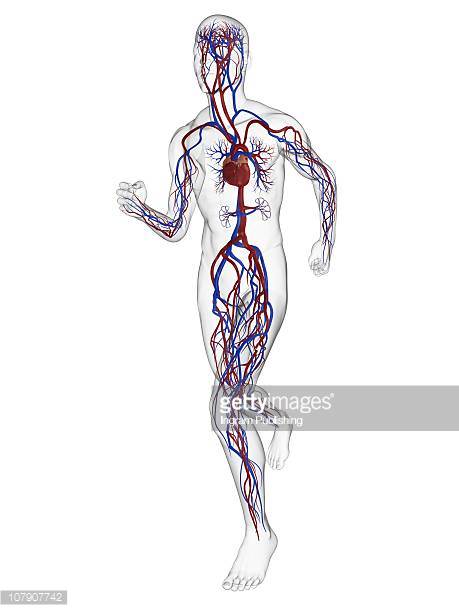
What is the main organ of the circulatory system?
small intestine
bone
lungs
heart
Arteries carry oxygen rich blood away from the heart.
True
False
Veins carry oxygen poor blood back to the heart.
False
True
The job of the heart is to . . .
pump blood around the body.
send food to the small intestines.
break down food.
give energy to the body.
Running is an activity that causes the cells in the muscular system to use oxygen at a faster rate. Which system responds by delivering more oxygen to these cells?
digestive
nervous
circulatory
endocrine
Which gas is transported by the circulatory system in humans and is used by cells during respiration to release energy stored in food?
carbon dioxide
nitrogen
hydrogen
oxygen

The diagrams show models of the circulatory systems of a fish and frog.
A student compared these diagrams. The student found that each of these organisms had a heart to pump blood. Which statement is supported by the student’s findings?
Some organisms are composed of one cell, while others are multicellular.
Many multicellular animals have similar organs and specialized systems.
The circulatory system in most organisms removes solid wastes from their bodies.
All animals have identical circulatory systems.

State the general relationship between exercise and heart rate in humans.
If a person exercises, then their heart rate will not change
If a person exercises, then their heart rate will increase
If a person exercises, then their heart rate will decrease
Person exercising and heart rate are not related
What connects the larynx to the lungs?
trachea
pharynx
nasal cavity
diaphragm
You can inhale through your ... (choose all that apply)
nose
skin
ears
mouth
What is the function of the respiratory system?
removes wastes from the body
provide us with oxygen and remove carbon dioxide
breaks down food for nutrients for the body
provides movement for the body
What organ does oxygen begin to enter the blood stream?
nasal cavity
lungs
bronchioles
alveoli
What is the order that oxygen travels when it is inhaled?
nasal cavity, bronchi tubes, pharynx, trachea, alveoli
nasal cavity, pharynx, trachea, bronchi tubes, alveoli
nasal cavity, trachea, pharynx, bronchi tubes, alveoli
nasal cavity, trachea, pharynx, alveoli, bronchi tubes
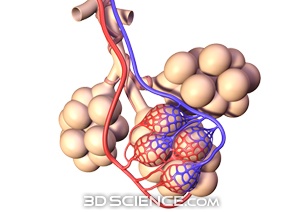
Which part of the Respiratory System plays a major role in speech? Also known as the voice box.
nose
pharynx
larynx
trachea
The two narrower tubes branching from the trachea that leads into the lungs
nose
bronchi
lungs
alveoli
The __________ system protects the body and gives it structure.
muscular
digestive
skeletal
circulatory
What do we call the place where two bones meet?
skeleton
joint
muscle
rib
Which is NOT a function of the skeletal system?
production of red blood cells
store calcium
digest food
movement, protection, and support
What kind of joint is found at your elbow?
pivot
hinge
gliding
ball and socket
Which type of joint is found at your shoulder and hip and allows for the greatest range of motion?
ball and socket
gliding
hinge
pivot
Where are red blood cells produced?
compact bone
red bone marrow
spongy bone
yellow bone marrow
Which part of the bone stores fat?
yellow bone marrow
red bone marrow
spongy bone
compact bone
___________ are attached to our skeleton and this allow us to move.
skin
muscles
hair
blood vessels


What are the functions of the muscular system. Select all the apply.
Helps you see
Helps you move
Helps fight diseases
Creates heat
Helps your heart beat
Of the 3 types of muscles, which muscles attach to bone.
Skeletal Muscle
Cardiac Muscle
Smooth Muscle
Of the 3 types of muscle, which is responsible for pumping your heart.
Skeletal Muscle
Cardiac Muscle
Smooth Muscle
Of the 3 types of muscle, which is found in hollow organs and around blood vessels.
Skeletal Muscle
Cardiac Muscle
Smooth Muscle
Skeletal Muscles is a __________________ muscle.
Voluntary
Involuntary
Cardiac muscle is a _______________ muscle.
Voluntary
Involuntary
Which type of muscle tires quickly during exercise?
skeletal muscle
breathing muscle
cardiac muscle
smooth muscle
How do pairs of skeletal muscles work together?
One muscle in the pair pulls on a bone, while the second muscle pulls on the first muscle.
While one muscle in the pair contracts, the other returns to its original length.
Both muscles extend at the same time.
One contracts and the other stretches.
When we breathe in, oxygen goes into our lungs. The Lungs are part of the:
Muscular System
Respiratory System
Circulatory System
Digestive System

