
 Worksheets
Mixtures and Matter
Total questions: 70
Worksheet time: 31mins
Salt water is a solution made up of a _______
liquid dissolved in a solid.
solid dissolved in a liquid.
liquid dissolved in another liquid.
solid dissolved in another solid.
Which of these is a mixture?
a salad
salt
bits of iron
sugar
_______________ is the combination of two or more different materials.
solution
mixture
filteration
evaporation
Which is a form of heterogeneous mixture?
gravel and water
sugar and water
powdered milk and water
powdered coffee and water
Matter is anything that has:
mass
volume
mass and volume
substance
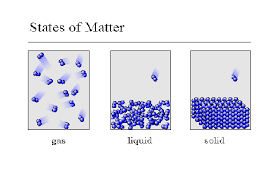

The state of matter that has no definite size or shape is
Solid
Liquid
Gas
In which state of matter do particles vibrate in place?
gas
solid
liquid
What state of matter is the air we breathe?
Solid
Liquid
Gas
Plasma
This state of matter expands to fill its container.
Solid
Liquid
Gas
Plasma


Is this a mixture or a solution?
Mixture
Solution
Are all mixtures solutions?
Yes
No
Solubility is the ability of a material to.....
conduct heat.
float.
dissolve in a liquid.
attract or repel metals.

Mixture or Solution?
Solution
Mixture

Mixture or Solution?
Mixture
Solution
Which one is not a colloid
Foam
Gel
Emulsion
Coffee

Milk and gelatin are examples of __________________.
suspensions
colloids
solutions

A snow globe is an example of a/an
solution
suspension
colloid
alloy
Tea and air are examples of ________________.
solutions
suspensions
colloids
(a) : type of mixture that always looks cloudy because clumps of insoluble particles remain suspended throughout it – they don’t settle as sediment
(a) : A cloudy liquid containing insoluble particles.

Colloids are mixtures where fine particles are dispersed throughout another substance, like milk. What are some other examples of colloids? Select all that apply.
mayonaisse
gelatin
trail mix
jelly

Tootpaste is a ________
solution
suspension
colloid
no idea

Tyndall effect means _____
the fast movement of molecules
the slow movement of molecules
the scattering of light through a solution
the scattering of light through a mixture

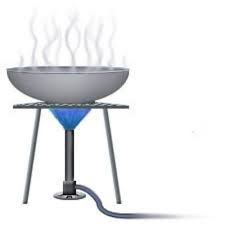
How to separate pebbles and water?
Decantation
Filtration
Evaporation
Sieving
How to separate salt and water?
Decantation
Filtration
Evaporation
Sieving
How to separate cooked noodles and water?
Decantation
Filtration
Evaporation
Sieving
How to separate needles and toothpicks?
Decantation
Distillation
Magnetic Attraction
Sieving
How to separate sugar and water?
Decantation
Distillation
Filtration
Evaporation
How to separate tea leaves and tea liquid?
Decantation
Evaporation
Sieving
Magnetic Attraction
How to separate iron filings from flour?
Distillation
Evaporation
Filtration
Magnetic Attraction
Which process separates blood cells and platelets?
centrifugation
decantation
distillation
evaporation
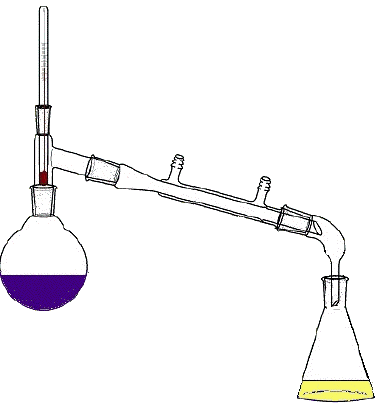
Name the separation technique shown in the diagram.
evaporation
distillation
filtration

Liquids that do not mix may be separated by using..
an evaporating dish
a separating funnel
a loading
a sedimentation

This method is utilized in industries like junkyards to remove metal scraps from other materials.
chromatography
physical manipulation
use of magnet
distillation
Julia wanted to know what substances were in the ink in her pen. What process should she use to do this?
chromatography
evaporation
filtration
sifting
Which one of the following techniques would best be used to separate soil and water?
crystallization
distillation
Filtration
Chromatography
The colour of plant leaves is due to a mixture of pigments.
Which method is used to separate these pigments?
filtration
evaporation
distillation
chromatography

Ms Lenny wants to separate a mixture of sand and salt.
Which option below can she use to obtain the sand from the mixture?
filtration only by pouring mixture of sand and salt through filter paper
dissolving only by adding water to mixture
dissolving first then use filtration
dissolving first then use evaporation

Which processes take place during distillation?
Hint: There are 2 processes.
freezing
boiling
condensation
melting

What is substance W known as?
(a)

Muddy water is filtered using filter paper and filter funnel. The mud stays on the filter paper.
Why does the mud stay on the filter paper?
The mud reacts with the filter paper.
The particles of mud are too large to pass through the holes in the filter paper.
The particles of the water stop the mud going through.
The particles of water make the filter paper wet.
Substances that are made up of ONLY one type of atom (element) or compound.
Colloid
Heterogeneous mixture
Pure substance
Suspension
Homogeneous mixture
Identify which images are PURE SUBSTANCES! (Check all that apply) : )


Identify which images are HETEROGENEOUS MIXTURES! (Check all that apply)



