
Font size
 Worksheets
Last Chance #1
Total questions: 134
Worksheet time: 2hrs 48mins
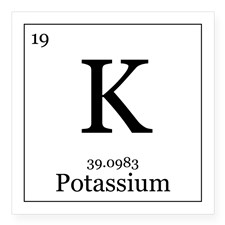

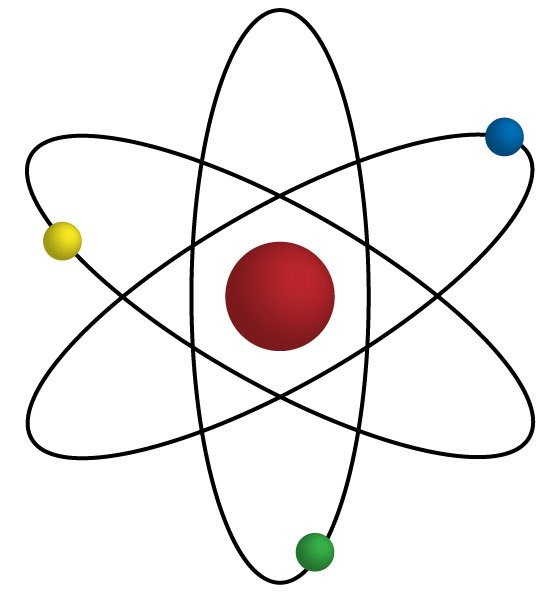
How comfortable are you with understanding what atoms are made of and how the atom is structured?
VERY COMFORTABLE!!!
Eh, pretty comfortable
I get it a little...
What are atoms?
What particles are atoms made of? (Check ALL that apply:)
Protons
Neutrons
Electrons
Nucleus
What particles are in the nucleus?
Protons
Neutrons
Electrons
Nucleus
Which particle is outside the nucleus?
Protons
Neutrons
Electrons
Nucleus
Which two particles have mass?
Protons
Neutrons
Electrons
Nucleus
Protons are:
Positive
Neutral
Negative
Neutrons are:
Positive
Neutral
Negative
Electrons are:
Positive
Neutral
Negative

How many valence electrons in this diagram:
1
3
5
7

How many valence electrons in this diagram:
1
3
5
7

How many valence electrons in this diagram:
1
3
5
7
Which atom is the most reactive?


Which atom is the most reactive?

Which atom is the least reactive?

The smallest piece of an element:
quark
electron
shell
atom
The cloud-like space that electrons travel around:
nucleus
shell
neutrons
Oort cloud
Protons and neutrons are found in the center of the atom called the:
nucleus
neutron
shell
cell
Classification system for elements is called:
Elements
Periods
The Periodic Table of Elements
Families
The subatomic particles are called:
protons, nucleus and electrons
protons, electrons and neutrons
protons, positives and negatives
cloud, shell and quarks
Substances that have only one kind of atom are called:
elements
nitrogen
electrons
nucleus
Electrons have a _____ charge.
neutral
negative
positive
both positive and negative
What is the study of matter?
Chemistry
Biology
Earth Science
Physics
_____ is what scientists think atoms are like.
Chemistry
The box
The atomic structure
The atomic theory
The abbreviation for an element:
element name
atomic number
chemical symbol
atomic symbol
Who invented the simplified version of the atom?
Dmitri Mendeleev
Niels Bohr
Sir Isaac Newton
Albert Einstein
The scientist who invented the classification system for the elements:
Dimitri Mendeleev
Niels Bohr
Sir Isaac Newton
Albert Einstein
What is the sum of an atom's protons and neutrons called?
atom
atomic theory
atomic mass
atomic number
The columns on the periodic table that are color coded and describe the number of electrons in the outer shell of the atomic structure of the element:
families
groups
periods
The rows or periods on the periodic table describe:
the same number of outer electrons
the same number of shells
the same number of protons
the same mass
The _____ is based on the number of protons in the nucleus of the atom.
atomic structure
periodic table of the elements
atomic number
atomic mass
What subatomic particle is represented by this symbol (+):
neutron
proton
electron
What subatomic particle is represented by this charge (-):
neutron
proton
electron
Why do the electrons surround the nucleus?
the negative electrons are attracted to the neutral neutrons
the negative electrons are repelled by the neutral neutrons
the negative electrons are attracted to the positive protons
the negative electrons are repelled by the positive protons
All matter is made of _____.
light
energy
cells
atoms


Observe what happens to the motion of the penny. Which of Newton's Laws does this represent?
Observe lo que sucede con el movimiento del centavo. ¿Cuál de las leyes de Newton representa esto?
Newton's 1st Law, inertia
Newton's 2nd Law, Force = m x a
Newton's 3rd Law, action/reaction
Watch the first marble as it collides with the second marble . Which of Newton's Laws does this represent?
Observar cómo choca la primera canica con la segunda canica. ¿Cuál de las leyes de Newton representa esto?
Newton's 1st Law, inertia
Newton's 2nd Law, Force = m x a
Newton's 3rd Law, action/reaction
Observe the motion of the washer as the notecard is pulled quickly out from under it. Which of Newton's Laws does this represent?
Observar el movimiento de la moneda mientras saca rápidamente el papel de debajo. ¿Cuál de las leyes de Newton representa esto?
Newton's 1st Law, inertia
Newton's 2nd Law, Force = m x a
Newton's 3rd Law, action/reaction
Watch what happens as Blake releases the balloon. Which of Newton's Laws does this represent?
Mira lo que sucede cuando Blake suelta el globo. ¿Cuál de las leyes de Newton representa esto?
Newton's 1st Law, interia
Newton's 2nd Law, Force = m x a
Newton's 3rd Law, action/reaction
Observe the 2 bottles of paint with a notecard in between. As we attempt to remove the card without disturbing either bottle, which of Newton's Laws does this represent?
Observe las 2 botellas de pintura con una tarjeta de notas en el medio. Mientras intentamos quitar la tarjeta sin molestar ninguna botella, ¿cuál de las leyes de Newton representa esto?
Newton's 1st Law, inertia
Newton's 2nd Law, Force = m x a
Newton's 3rd Law, action/reaction
As Blake spins the bucket around, observe the motion of the washers. Which of Newton's Laws does this demonstration represent?
Mientras Blake hace girar el cubo, observe el movimiento de las monedas. ¿Cuál de las leyes de Newton representa esta demostración?
Newton's 1st Law, inertia
Newton's 2nd Law, Force = m x a
Newton's 3rd Law, action/reaction
Watch as Blake pushes the 2 cars of different masses with about the same force. Observe what happens. Which of Newton's Laws does this represent?
Observa cómo Blake empuja los 2 coches de diferentes masas con aproximadamente la misma fuerza. Observa lo que pasa. ¿Cuál de las leyes de Newton representa esto?
Newton's 1st Law, inertia
Newton's 2nd Law, Force = m x a
Newton's 3rd Law, action/reaction
As I balance a meter stick and a ruler on my fingers, which one is easier to balance? Why? Which of Newton's Laws does this represent?
Mientras balanceo un metro y una regla en mis dedos, ¿cuál es más fácil de equilibrar? ¿Por qué? ¿Cuál de las leyes de Newton representa esto?
Newton's 1st Law, inertia
Newton's 2nd Law, Force = m x a
Newton's 3rd Law, action/reaction
Watch as I propel the washers across the desk. Observe what happens as I use different amounts of force.
Observa cómo empujo las monedas por el escritorio. Observe lo que sucede cuando uso diferentes cantidades de fuerza.
Newton's 1st Law, inertia
Newton's 2nd Law, Force = m x a
Newton's 3rd Law, action/reaction
Watch as I send the car down the track. What happens as I increase the force that I am using? Which of Newton's Laws does this represent?
Mira como mando el coche por la pista. ¿Qué sucede cuando aumento la fuerza que estoy usando? ¿Cuál de las leyes de Newton representa esto?
Newton's 1st Law, inertia
Newton's 2nd Law, Force = m x a
Newton's 3rd Law, action/reaction
As Blake drops a crumpled paper and a flat sheet of paper at the same time, which one will hit the ground first? Why? Which of Newton's Laws does this represent?
Cuando Blake deja caer un papel arrugado y una hoja de papel plana al mismo tiempo, ¿cuál caerá primero al suelo? ¿Por qué? ¿Cuál de las leyes de Newton representa esto?
Newton's 1st law, inertia
Newton's 2nd Law, Force = m x a
Newton's 3rd Law, action/reaction
Watch as Blake begins to run. What happens to the sheets of paper under his feet? Why? Which of Newton's Laws does this represent?
Mira como Blake comienza a correr. ¿Qué pasa con las hojas de papel bajo sus pies? ¿Por qué? ¿Cuál de las leyes de Newton representa esto?
Newton's 1st Law, inertia
Newton's 2nd Law, Force = m x a
Newton's 3rd Law, action/reaction
Observe the motion of the washer as I quickly pull the card out from under it. What happened to the washer? Why? Which of Newton's Laws does this represent?
Observe el movimiento de la moneda mientras saco rápidamente la tarjeta de debajo. ¿Qué pasó con la moneda? ¿Por qué? ¿Cuál de las leyes de Newton representa esto?
Newton's 1st Law, inertia
Newton's 2nd Law, Force = m x a
Newton's 3rd Law, action/reaction
Observe as the first ball hits the first ball in the line on the pendulum. What happens to each ball in succession? Which of Newto's Laws does this represent?
Observar cómo la primera bola golpea la primera bola en la línea del péndulo. ¿Qué pasa con cada bola en sucesión? ¿Cuál de las leyes de Newto representa esto?
Newton's 1st Law, inertia
Newton's 2nd Law, Force = m x a
Newton's 3rd Law, action/reaction
Observe what happens to the motion of the penny. Which of Newton's Laws does this represent?
Observe lo que sucede con el movimiento del centavo. ¿Cuál de las leyes de Newton representa esto?
Newton's 1st Law, inertia
Newton's 2nd Law, Force = m x a
Newton's 3rd Law, action/reaction
Watch the first marble as it collides with the second marble . Which of Newton's Laws does this represent?
Observar cómo choca la primera canica con la segunda canica. ¿Cuál de las leyes de Newton representa esto?
Newton's 1st Law, inertia
Newton's 2nd Law, Force = m x a
Newton's 3rd Law, action/reaction
Observe the motion of the washer as the notecard is pulled quickly out from under it. Which of Newton's Laws does this represent?
Observar el movimiento de la moneda mientras saca rápidamente el papel de debajo. ¿Cuál de las leyes de Newton representa esto?
Newton's 1st Law, inertia
Newton's 2nd Law, Force = m x a
Newton's 3rd Law, action/reaction
Watch what happens as Blake releases the balloon. Which of Newton's Laws does this represent?
Mira lo que sucede cuando Blake suelta el globo. ¿Cuál de las leyes de Newton representa esto?
Newton's 1st Law, interia
Newton's 2nd Law, Force = m x a
Newton's 3rd Law, action/reaction
Observe the 2 bottles of paint with a notecard in between. As we attempt to remove the card without disturbing either bottle, which of Newton's Laws does this represent?
Observe las 2 botellas de pintura con una tarjeta de notas en el medio. Mientras intentamos quitar la tarjeta sin molestar ninguna botella, ¿cuál de las leyes de Newton representa esto?
Newton's 1st Law, inertia
Newton's 2nd Law, Force = m x a
Newton's 3rd Law, action/reaction
As Blake spins the bucket around, observe the motion of the washers. Which of Newton's Laws does this demonstration represent?
Mientras Blake hace girar el cubo, observe el movimiento de las monedas. ¿Cuál de las leyes de Newton representa esta demostración?
Newton's 1st Law, inertia
Newton's 2nd Law, Force = m x a
Newton's 3rd Law, action/reaction
Watch as Blake pushes the 2 cars of different masses with about the same force. Observe what happens. Which of Newton's Laws does this represent?
Observa cómo Blake empuja los 2 coches de diferentes masas con aproximadamente la misma fuerza. Observa lo que pasa. ¿Cuál de las leyes de Newton representa esto?
Newton's 1st Law, inertia
Newton's 2nd Law, Force = m x a
Newton's 3rd Law, action/reaction
As I balance a meter stick and a ruler on my fingers, which one is easier to balance? Why? Which of Newton's Laws does this represent?
Mientras balanceo un metro y una regla en mis dedos, ¿cuál es más fácil de equilibrar? ¿Por qué? ¿Cuál de las leyes de Newton representa esto?
Newton's 1st Law, inertia
Newton's 2nd Law, Force = m x a
Newton's 3rd Law, action/reaction
Watch as I propel the washers across the desk. Observe what happens as I use different amounts of force.
Observa cómo empujo las monedas por el escritorio. Observe lo que sucede cuando uso diferentes cantidades de fuerza.
Newton's 1st Law, inertia
Newton's 2nd Law, Force = m x a
Newton's 3rd Law, action/reaction
Watch as I send the car down the track. What happens as I increase the force that I am using? Which of Newton's Laws does this represent?
Mira como mando el coche por la pista. ¿Qué sucede cuando aumento la fuerza que estoy usando? ¿Cuál de las leyes de Newton representa esto?
Newton's 1st Law, inertia
Newton's 2nd Law, Force = m x a
Newton's 3rd Law, action/reaction
As Blake drops a crumpled paper and a flat sheet of paper at the same time, which one will hit the ground first? Why? Which of Newton's Laws does this represent?
Cuando Blake deja caer un papel arrugado y una hoja de papel plana al mismo tiempo, ¿cuál caerá primero al suelo? ¿Por qué? ¿Cuál de las leyes de Newton representa esto?
Newton's 1st law, inertia
Newton's 2nd Law, Force = m x a
Newton's 3rd Law, action/reaction
Watch as Blake begins to run. What happens to the sheets of paper under his feet? Why? Which of Newton's Laws does this represent?
Mira como Blake comienza a correr. ¿Qué pasa con las hojas de papel bajo sus pies? ¿Por qué? ¿Cuál de las leyes de Newton representa esto?
Newton's 1st Law, inertia
Newton's 2nd Law, Force = m x a
Newton's 3rd Law, action/reaction
Observe the motion of the washer as I quickly pull the card out from under it. What happened to the washer? Why? Which of Newton's Laws does this represent?
Observe el movimiento de la moneda mientras saco rápidamente la tarjeta de debajo. ¿Qué pasó con la moneda? ¿Por qué? ¿Cuál de las leyes de Newton representa esto?
Newton's 1st Law, inertia
Newton's 2nd Law, Force = m x a
Newton's 3rd Law, action/reaction
Observe as the first ball hits the first ball in the line on the pendulum. What happens to each ball in succession? Which of Newto's Laws does this represent?
Observar cómo la primera bola golpea la primera bola en la línea del péndulo. ¿Qué pasa con cada bola en sucesión? ¿Cuál de las leyes de Newto representa esto?
Newton's 1st Law, inertia
Newton's 2nd Law, Force = m x a
Newton's 3rd Law, action/reaction

What law of motion does this picture represent?
Newton's 3rd law
Newton's 4th law
Newton's 1st law
Newton's 2nd law
What is Newton's 2nd law of motion?
Inertia
Force= Mass multiplied by acceleration
For every action there is a equal and opposite re-action.
Law of gravity
Objects with greater mass have a greater inertia; objects with less mass have less inertia.
true
false
A unbalanced force means that an object is
zero net force
changing its motion
sitting still
object at rest
Newton's 3rd Law states that for every action there is an equal and opposite ________.
reaction
satisfaction
fraction
transaction
A ______ is a push or pull on an object.
force
speed
acceleration
velocity
Newton's 2nd Law says the acceleration of an object depends on its _______ and ______. (Choose two answers)
force or applied force
weight
gravity
mass
Net force is a combination of all ________ acting on an object.
forces
speeds
accelerations
velocities
if an object stays still or continues moving at the same speed and in the same direction, it is a _______ force.
weak
strong
balanced
unbalanced
What is Newton's 2nd Law?
For every action there is an equal and opposite reaction.
Acceleration depends on two variables, the mass of the object and the amount of force.
What is Newton's 3rd Law?
For every action there is an equal and opposite reaction.
Acceleration depends on two variables, the mass of the object and the amount of force.
What explains a quantity that has BOTH speed and direction?
Inertia
Force
Speed
Velocity
The reason a boat bounces off the dock when it hits it.
The boat and the dock repel each other.
When the boat exerts a force on the dock, the dock exerts a force on the boat.
If an object is accelerating, then the forces acting on it must be:
Balanced
Unbalanced


A sports car speeds up much faster than a dump truck when a traffic light turns from red to green. Which law is this?
Law 1
Law 2
Law 3
A rocket pushes burning gases DOWN which causes the rocket to launch UP. Which law is this?
Law 1
Law 2
Law 3
When a truck stops suddenly, the packages on its truckbed continue to move forward. Which law is this?
Law 1
Law 2
Law 3
When a student runs and kicks a ball, they have applied an ___________ force to move the ball.
Balanced
Magnetic
Spring
Unbalanced
When the teacher rearranges the desks in the classroom, she must apply ____________ to push and pull the desks around.
acceleration
force
weight
magnets
Which law of motion says that you must push or pull objects harder if they have more mass?
1st
2nd
3rd
4th
Walking down the hall and speeding up when you turn and go down the stairs is an example of ____________.
acceleration
weight
gravity
friction
Letting go of a balloon full of air is demonstrating Newton's ______ _______ ________ _________ because the air comes out of the back and the balloon moves forward.
1st law of motion
2nd law of motion
3rd law of motion
13th law of motion
What law is best described by inertia?
1st
2nd
3rd
law of conservation of mass

A person not paying attention while skateboarding hits a rock. The skateboard stops...they don't.
The Law of Inertia (1st law)
The Law of Acceleration (2nd law)
The Law of Conservation of Momentum
Action Reaction Law (3rd law)
What Unit do we Measure Force in?
Newtons
Joules
Force
Kilograms
What is Newton's First Law
F=ma
Every action has an equal and opposite reaction
An object at rest stays at rest, an object in motion stays in motion.
Friction
A 20 kg bike accelerates at 10 m/s2. what was the force
F = m x a
25 Newtons
20 Newtons
200 Newtons
10 Newtons
Newton's third law states that any action will have a(n) _______ and ______ reaction
Equal and similar
Equal and opposite
Equal and different
Greater and opposite
8 N to the left , and 4 N to the right. Find the net force. Is this balanced
12 N Right No
4 N Left No
12 N Right Yes
4 N Left Yes

What is this graph representing?
Constant Speed
Acceleration (speeding up)
Deceleration (slowing down)
No motion
Who proposed that electrons move around the nucleus in circular orbits?
Dalton
Thomson
Rutherford
Bohr
Which is NOT a physical change?
Cutting a pizza into equal slices.
Ice cubes melting back into liquid. water
Baking cupcakes.
A chocolate bar melting.

