wayground logo

Free Printable Worksheets

Font size

S
M
L
XL
Worksheets

Health Science Mock

Total questions: 101

Worksheet time: 2hrs 41mins

Name
Class
Date
1.
Which of the following is an example of homeostasis?
a)
taking out the trash
b)
drinking water
c)
sweating on a hot day
d)
taking a shower
2.
Which body system gets oxygen from the environment and removes carbon dioxide and other wastes from the body?
a)
Circulatory
b)
Respiratory
c)
Digestive
d)
Skeletal
3.
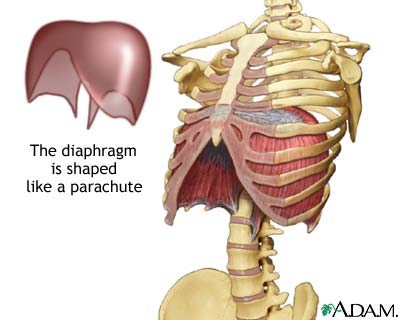
This muscle contracts and moves down to allow the lungs to expand during respiration.
a)
trachea
b)
bronchial tubes
c)
diaphragm
d)
epiglottis
4.
Which system transports materials from the digestive system and respiratory system to the cells?
a)
circulatory
b)
respiratory
c)
digestive
d)
skeletal
5.
This is the force of blood as it flows through the arteries is called...
a)
respiration
b)
blood pressure
c)
aorta
d)
circulatory system
6.
 Each body system includes two or more organs that work together.  This means that body systems are interrelated.
a)
True
b)
False
7.
Which of these 3 systems work together to get the body the oxygen and sugar that it needs to make ATP(energy)?
a)
Digestive - Cardiovascular -Urinary
b)
Cardiovascular - Respiratory - Reproductive
c)
Respiratory - Digestive - Lymphatic
d)
Cardiovascular - Digestive - Respiratory
8.

What 2 systems: Absorb and deliver the digested nutrients to the cells

a)

Digestive and muscular

b)

Muscular and lymphatic

c)

Digestive and circulatory

d)

Nervous and skeletal

9.

What 2 systems: Allows for movement

a)

Muscular and Skeletal

b)

Endocrine and Skeletal

c)

Nervous and Circulatory

d)

Integumentary and Reproductive

10.
As part of the skeletal system, bones do all of the following except
a)
protect organs
b)
store calcium
c)
make nerve cells
d)
make blood
11.
What is responsible for delivering oxygen and removing carbon dioxide from the body?
a)
cell nucleus
b)
excretory system
c)
nervous tissue
d)
respiratory system
12.
The __________ system directs the body to inner and outer changes.
a)
digestive
b)
circulatory
c)
nervous
d)
skeletal
13.
The __________ is the main organ of the nervous system.
a)
heart
b)
lungs
c)
brain
d)
skin
14.

The circulatory system uses _________ to deliver oxygen to the rest of the body.

a)

blood cells

b)

lungs and nose

c)

Stomach

d)

brain and spinal cord

15.
___________ are the building blocks of life.
a)
cells
b)
legos
c)
blocks
d)
blood
16.
In multicellular organisms, tissues are comprised of _______.
a)
organs
b)
systems
c)
cells
d)
blood
17.
When tissues come together, they form ___________.
a)
cells
b)
atoms
c)
organs
d)
systems
18.
A(n) _________ is made of small parts connected together to make a whole.
a)
system
b)
problem
c)
evidence
d)
illustration
19.
Which of the following body systems work together for support, protection, and movement?
a)
respiratory and cardiovascular
b)
skeletal and muscular
c)
skeletal and integumentary
d)
digestive and respiratory
20.
Which of the following shows the levels of organization of an organism from LEAST to MOST complex.
a)
cells-tissues-systems-organs
b)
organs-cells-systems-tissues
c)
systems-organs-tissues-cells
d)
cells-tissues-organs-systems
21.
This system includes the spinal cord, brain and nerves
a)
Nervous System
b)
Digestive System
c)
Circulatory System
22.
What body system makes your body move? 
a)
Circulatory
b)
Respiratory
c)
Skeletal
d)
Muscular
23.
What body system removes the waste from your body? 
a)
Circulatory
b)
Excretory
c)
Digestive
d)
Respiratory
24.
My spinal cord helps _________ travel between my brain and the nerves in my body. 
a)
Memories
b)
Blood
c)
Waste
d)
Messages
25.
My body needs ______ from the air to live. 
a)
Oxygen
b)
Cardon Dioxide
c)
Carbon Monoxide
d)
Hydrogen Peroxide
26.
The main purpose of the _______ system is to ensure the continuation of the species.
a)
respiratory
b)
reproductive
c)
circulatory
d)
endocrine
27.
The main purpose of the ________ system is to produce hormones for the body.
a)
excretory
b)
digestive
c)
reproductive
d)
endocrine
28.
Which body system is a collection of glands that secrete different types of hormones that regulate metabolism, growth and development, sleep, and reproduction?
a)
Excretory System
b)
Endocrine System
c)
Skeletal System
d)
Digestive System
29.
Which body system is responsible for protecting the structures underneath from infection and disease? (think the skin)
a)
Integumentary System
b)
Digestive System
c)
Respiratory System
d)
Excretory System
30.

Which body system is shown on the left?

a)

Muscular System

b)

Circulatory System

c)

Digestive System

d)

Nervous System

31.
The main purpose of the ____________ system is to break food particles into pieces that can be used.
a)
circulatory
b)
respiratory
c)
digestive
d)
skeletal
32.
What is responsible for delivering oxygen and removing carbon dioxide from the body?
a)
cell nucleus
b)
excretory system
c)
nervous tissue
d)
respiratory system
33.
The __________ system directs the body to inner and outer changes.
a)
digestive
b)
circulatory
c)
nervous
d)
skeletal
34.
The __________ is the main organ of the nervous system.
a)
heart
b)
lungs
c)
brain
d)
skin
35.
When tissues come together, they form ___________.
a)
cells
b)
atoms
c)
organs
d)
systems
36.
In multicellular organisms, tissues are comprised of _______.
a)
organs
b)
systems
c)
cells
d)
blood
37.
Which of the following body systems work together for support, protection, and movement?
a)
respiratory and cardiovascular
b)
skeletal and muscular
c)
skeletal and integumentary
d)
digestive and respiratory
38.
This system protects the body's organs, provides support for the body.
a)
Nervous System
b)
Skeletal System
c)
Respiratory System
39.
This system helps the body respond to signals and information from both inside and outside the body.
a)
Nervous System
b)
Muscular System
c)
Skeletal System
40.
This system includes the spinal cord, brain and nerves
a)
Nervous System
b)
Digestive System
c)
Circulatory System
41.
What body system makes your body move? 
a)
Circulatory
b)
Respiratory
c)
Skeletal
d)
Muscular
42.
What body system removes the waste from your body? 
a)
Circulatory
b)
Excretory
c)
Digestive
d)
Respiratory
43.
How many bones make up a human adult?
a)
205
b)
206
c)
207
d)
208
44.
My spinal cord helps _________ travel between my brain and the nerves in my body. 
a)
Memories
b)
Blood
c)
Waste
d)
Messages
45.
My body needs ______ from the air to live. 
a)
Oxygen
b)
Cardon Dioxide
c)
Carbon Monoxide
d)
Hydrogen Peroxide
46.
What is the body system that sends and recieves electrical signals from the brain?
a)
Skeletal System
b)
Nervous System
c)
Muscular System
d)
Digestive System
47.
What system receives oxygen and gets rid of carbon dioxide?
a)
Heart
b)
Muscular System
c)
Veins 
d)
Respiratory System
48.
The main purpose of the _______ system is to ensure the continuation of the species.
a)
respiratory
b)
reproductive
c)
circulatory
d)
endocrine
49.
The main purpose of the ________ system is to produce hormones for the body.
a)
excretory
b)
digestive
c)
reproductive
d)
endocrine
50.
What system is the body's way of fighting off pathogens that would make it sick?
a)
Excretory
b)
Immune
c)
Digestive
d)
Endocrine
51.

The protective covering of the body.

a)

respiratory system

b)

cardiovascular system

c)

integumentary system

d)

endocrine system

52.
Identify the structure the arrow is pointing to
a)
right atrium
b)
right ventricle
c)
left atrium
d)
left ventricle
53.
Identify the structure the arrow is pointing to
a)
right atrium
b)
right ventricle
c)
left atrium
d)
left ventricle
54.
Identify the structure the arrow is pointing to
a)
right atrium
b)
right ventricle
c)
left atrium
d)
left ventricle
55.
Identify the structure the arrow is pointing to
a)
Pulmonary Vein
b)
Pulmonary Artery
c)
Vena Cava
d)
Aorta
56.

Pumps the oxygen-rich blood to all parts of the body

a)

Right Ventricle

b)

Left Ventricle

c)

Right Atrium

d)

Left Atrium

57.

Veins

a)

carry deoxygenated blood to the heart

b)

carry deoxygenated blood away from the heart

c)

carry oxygenated blood to the heart

d)

carry oxygenated blood away from the heart

58.

Formed in the bone marrow, they are small cells that have important function of clotting of the blood

a)

white blood cells

b)

red blood cells

c)

platelets

d)

leukocytes

59.

Blood is made up of

a)

Plasma

b)

Blood cells - red and white

c)

Platelets

d)

All of the above

60.

What is function of the dome-shaped diaphragm muscle?

a)

This is where gas exchange happens.

b)

Air passes through the diaphragm on the way to the lungs.

c)

It attaches to the lungs and contracts and relaxes to help in breathing.
61.
What is the function of the bronchi?
a)
Transport air from nose to lungs
b)
Transport air from trachea to lungs
c)
Transport air from lungs to alveoli
d)
Transport air from alveoli to blood
62.
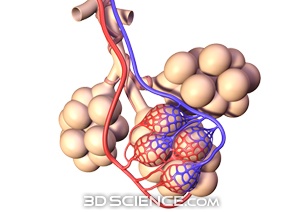
The air sacs that are covered with capillaries where gas exchange takes place
a)
bronchi
b)
lungs
c)
oxygen
d)
alveoli
63.

Flap of tissue that covers the opening to the windpipe during swallowing

a)

Pharynx

b)

Trachea

c)

Epiglottis

64.
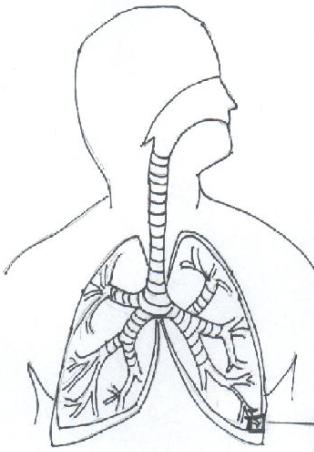
Numbers 5 and 9 are pointing to which organ of the Respiratory System?
a)
Bronchi Tubes
b)
Lung
c)
Alveoli
d)
Trachea
65.
Number 11 is pointing to which organ of the Respiratory System?
a)
Alveoli
b)
Lungs
c)
Bronchi Tubes
d)
Bronchioles
66.
Letter B is pointing to which organ of the Respiratory System?
a)
Nose
b)
Trachea
c)
Lungs
d)
Diaphragm
67.
When the diaphragm contracts and moves down, the lungs are...
a)
expanding with air
b)
shrinking - pushing air out
68.
What is the place where two bones meet?
a)
hinge
b)
bone
c)
spot
d)
joint
69.
What is the name for the connector that attaches muscle to bone?
a)
ligament
b)
tendon
c)
patella
d)
string
70.
What is the name for the connector that attaches bone to bone?
a)
ligament
b)
tendon
c)
patella
d)
string
71.
Your skeletal system is in charge of making your blood and giving you shape.
a)
True
b)
False
72.
Humans have ______ bones in their bodies, on average.
a)
106
b)
201
c)
206
73.
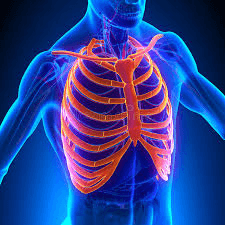
The ribs protect your...
a)
heart
b)
lungs
c)
liver
d)
all of the above
74.

Which of the following statements about joints is NOT true?

a)

ball and socket joints allow the greatest range of motion

b)

fibrous joints allow no movement

c)

the only hinge joint is the elbow

d)

joints are also called articulations

75.

What bone is highlighted?

a)

Skull (Cranium)

b)

Mandible

c)

Clavicle

d)

Scapula

76.

What bone is highlighted?

a)

Skull (Mandible)

b)

Clavicle

c)

Mandible

d)

Scapula

77.

What bone is highlighted?

a)

Ribs

b)

Vertebrae

c)

Clavicle

d)

Femur

78.

What bone is highlighted?

a)

Radius

b)

Ulna

c)

Humerus

d)

Carpals

79.
Which mineral makes up our bones?
a)
Calcium
b)
Vitamin D
c)
Blood Cells
d)
Bone Marrow
80.
The mouth has 2 different types of digestion.  They are
a)
Physical and Elemental
b)
Mechanical and heat
c)
Mechanical and chemical
d)
Acidic and motion
81.
Digestion starts in the 
a)
Mouth 
b)
Esophagus
c)
Stomach 
d)
Intestine
82.
The tube that connects the mouth to the stomach (number 2 in the diagram) is called the
a)
Epiglotis
b)
Esophagus
c)
Entry
d)
Elimination tube
83.
Which organ absorbs most of the nutrients using small fingerlike structures called villi?
a)
Gall Bladder
b)
Pancreas
c)
Large Intestine
d)
Small Intestine
84.
Which organ absorbs water and is the last stage of the digestive process.
a)
Gall Bladder
b)
Pancreas
c)
Large Intestine
d)
Small Intestine
85.

Chemical digestion starts in the mouth due to

a)

Chewing

b)

Saliva

c)

Air

d)

Chemical digestion does not happen in the mouth

86.

The tiny little structures that line the small intestine are called

a)

Fingers

b)

bile

c)

Acid

d)

Villi

87.

What is the largest organ in the body?

a)

Liver

b)

Gallbladder

c)

Pancreas

d)

Stomach

88.

What is a nerve cell?

a)

axon

b)

neuron

c)

dendrite

d)

myelin

89.

What are the three major parts of your brain?

a)

Cerebrum

b)

Nerves

c)

Cerebellum

d)

Spinal Cord

e)

Brain Stem

90.

What part of your brain is responsible for coordinating muscle movements between the voluntary and involuntary muscles?

a)

Cerebellum

b)

Cerebrum

c)

Brain Stem

d)

Nerves

91.

What is the number 2 pointing to?

a)

brain stem

b)

cerebrum

c)

cerebellum

d)

spinal cord

92.

Why is your spinal cord important?

a)

Because it holds our spine together

b)

Because all communication needs to travel through the spinal cord, towards and away from the brain.

c)

Because it controls our senses

d)

It's not

93.

What is the colored part of the eye called?

a)

Iris

b)

Optic Nerve

c)

Cornea

d)

Rods and Cones

94.

Which sense organ helps you hear?

a)

Eyes

b)

Nose

c)

Mouth

d)

Ears

95.
What part of the eye sends messages to the brain from the retina?
a)
Optic Nerve
b)
Iris 
c)
Lens
d)
Cornea
96.
What are the four types of tastebuds
a)
Sweet, Sour, Salty, Sugary
b)
Sweet, Sour, Bitter, Spicy
c)
Sweet, Bitter, Salty, Sour
d)
Sour, Bitter, Sugary, Spicy
97.
What part of the eye bends light to focus it on the retina?
a)
Retina
b)
Iris
c)
Optic Nerve
d)
Lens
98.

____________ ---> ____________ ---> _______________

a)

Response, Stimulus, Interpret

b)

Interpret, Stimulus, Response

c)

Stimulus, Interpret, Response

d)

Response, Interpret, Stimulus

99.

This part of the neuron receives chemical messages from the neurotransmitters of other neurons. It is labeled A in the diagram.

a)

Dendrite

b)

Axon

c)

Axon Terminal

d)

Cell Body

100.

The long, fiber like part of a neuron which the cell sends information to receiving neurons. Labelled D in diagram.

a)

Synapse

b)

Axon

c)

Axon Terminal

d)

Dendrite

101.

What is the gap between two neurons called?

a)

Impulse

b)

Synapse

c)

CNS

d)

Inter neuron