
 Worksheets
Human Body Systems - Exam Review
Total questions: 106
Worksheet time: 1hrs 12mins
What is the function of the digestive system?
It transports blood and oxygen to your cells
It breaks down food so the nutrients can be absorbed by your body
It helps you breathe by taking in oxygen and transporting carbon dioxide out of your body
It helps you move
What is the function of the muscular system?
The function is movement of the body through muscles
The function is to get rid of waste
The function is to process food for nutrients and energy
The function is to protect you against disease
What is the function of the cardiovascular / circulatory system?
To provide nutrients to the whole body
To maintain homeostasis for the body
To fight off infection or disease
To transport nutrients, oxygen, and blood throughout the body
What is the function of the nervous system?
Controls all parts of the body; sends signals between the brain, spinal cord, and nerve endings
What happens when you get nervous to do something
To fight off diseases
To carry oxygen, nutrients, and blood throughout the body
What is the function of the respiratory system?
To digest your food
To remove waste from the body
To take in oxygen and remove carbon dioxide
To fight disease
What is the function of the excretory/urinary system?
Removes liquid waste from your body
digests food
helps you breathe
circulates your blood
Which is an example of a function the muscular system performs?
Voluntary muscles pump blood through the body.
Skeletal muscles keep a body’s joints working properly.
Cardiac muscles move bones and hold a body’s skeleton in place.
Smooth muscles help move food through the organs they surround.
The muscular organ that pumps blood through out your body is your
Arteries
Diaphragm
Heart
Larynx
Which system is responsible for creating red blood cells?
skeletal
muscular
respiratory
nervous
Which system of the human body provides protection to most of the major organs?
skeletal system
circulatory system
respiratory system
muscular system
The joint with a rounded end of bone fitting snug within another bone.
ball and socket joint
hinge joint
pivot joint
gliding joint
The joint that moves in one direction, like a door
ball and socket joint
hinge joint
pivot joint
gliding joint
The joint that consists of a bone resting atop another bone, permitting free movement.
ball and socket joint
hinge joint
pivot joint
gliding joint
The joint in which bones slip over other bones, allowing free movement.
ball and socket joint
hinge joint
pivot joint
gliding joint
This is at the end of a bone, cushions/tough
cartilage
tendon
ligament
This attaches bone to muscle.
cartilage
tendon
ligament
This attaches bone to bone
cartilage
tendon
ligament
The part of the bone that makes red blood cells.
cartilage
tendon
ligament
bone marrow
How many bones are in an adult body?
106
206
306
406


Bones are alive and can heal.
True
False

Hinge joints are found in your _____ and _____.
skull, jaw
hips, shoulders
hands, feet
elbows, knees
The bones of the ankle are called
carpals
jewlups
tarsals
calcaneus
The thigh bone is also known as the
tibia
humerus
fibula
femur
Phalanges are in two places in the body, they are
hands and arms
feet and legs
hands and feet
hands and ankles


What is your kneecap called?
manible
patella
calcaneus
tarsals
What is your jaw called?
mandible
ilium
metacarpals
ischium
What is your shoulder blade called?
clavicle
ulna
sternum
scapula


Your heart pumps blood throughout your entire body through little tubes called _____________.
veins
arteries
hoses
Blood is carried back to your heart in little tubes called ____________.
veins
arteries
hoses
Where do arteries carry blood?
from tissues to the heart
away from the heart to tissues
to the bones only
arteries are not a type of blood vessel
What occurs in the capillaries?
diseases are cured
red blood cells are created
the exchange of gasses occur
white blood cells are created
The FREQUENCY of heart contractions is...
heart rate
blood pressure
respiratory rate
voluntary muscle contraction
The FORCE of heart contractions is ....
heart rate
blood pressure
pulse
respiratory rate
What are veins?
they carry blood away from the heart
they carry blood to the heart
they exchange gasses
they release hormones into the bloodstream
The heart is made up of what kind of muscle?
smooth
cardiac
skeletal
voluntary
The bottom part of the heart is divided into two chambers called what?
Ventricles
Atria
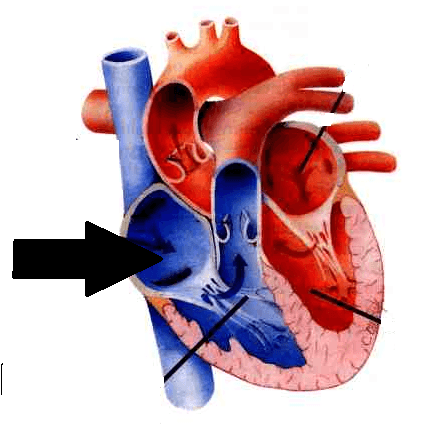
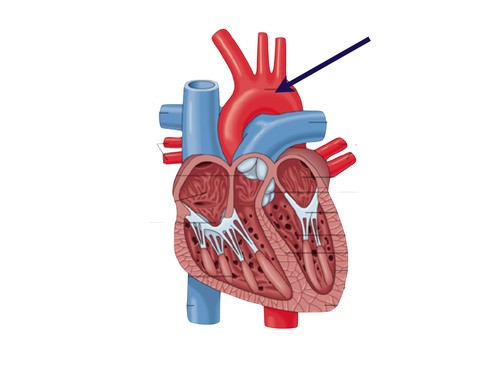
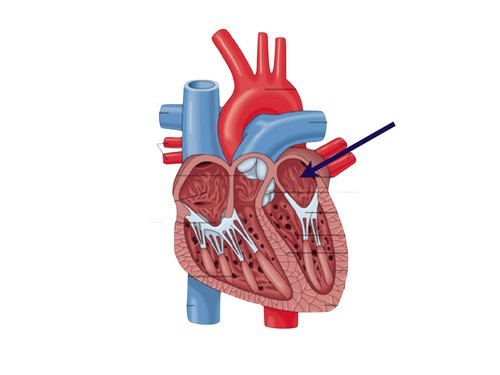
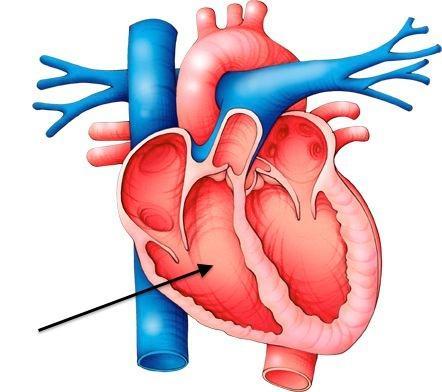
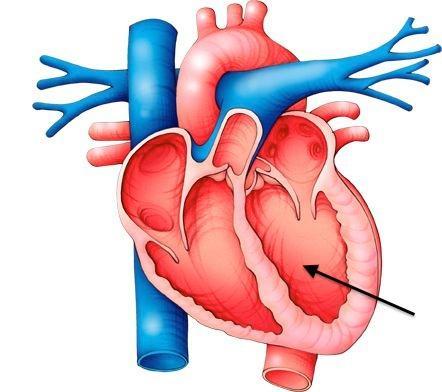
This chamber of the heart RECEIVES oxygen rich blood back from the lungs
Right Atrium
Left Atrium
Right Ventricle
Left Ventricle

What part of the digestive system is highlighted?
Esophagus
Appendix
Small Intestine
Stomach

What part of the digestive system is highlighted?
Gall Bladder
Small intestine
Pancreas
Liver

What part of the digestive system is highlighted?
Small intestine
Large intestine
Stomach
Liver

What part of the digestive system is highlighted?
Stomach
Pancreas
Liver
Gall bladder

What part of the digestive system is highlighted?
Esophagus
Stomach
Salivary glands
Mouth

What part of the digestive system is highlighted?
Pancreas
Gall Bladder
Stomach
Liver

What part of the digestive system is highlighted?
Large intestine
Small intestine
Stomach
Appendix

What part of the digestive system is highlighted?
Small Intestine
Large intestine
Stomach
Liver



