
 Worksheets
Protists and Chromosomes
Total questions: 107
Worksheet time: 1hrs 18mins

2. Protists contain a nucleus with their cell(s). For this reason, they are called
Heterotrophic
Prokaryotic
Eukaryotic
Autotrophic

3. Which one of these is not considered a type of Protist?
Animal-like
Plant-like
Fungus-like
Bacteria-like

4. Protozoans which have a true nucleus, can move to obtain food, and do not have cell walls are called?
Animal-like
Plant-like
Fungus-like
Bacteria-like

5. Protozoans that must get their energy from consuming other organisms are called _________________ ?
Heterotrophic
Unicellular
Eukaryotic
Autotrophic

A type of protist with tiny, hair-like projections that are used like oars for moving and feeding are called ________________ ?
Amoeba
Paramecium
Euglena
Diatom

A ______________ is a long, whip-like tail used for locomotion by Euglena and Peranema protozoans?
Paramecium
Cilia
Pseudopods
Flagella

Some protozoans feed host organisms. The host serves no benefit and may be harmed or even killed. This relationship is known as
Mutualism
Commensalism
Parasitism
Dichotomous

11. Plant-like protists are considered to be _____________________ because they use the Sun’s energy to obtain energy.
Heterotrophic
Unicellular
Eukaryotic
Autotrophic

Which of the following is a plant-like protist?
Protozoa
Plasmodium
Algae
Amoeba

Algae can not live on damp surfaces or in water.
True
False

Some species of protists, like slime molds and downy mildew have cell walls and produce spores in order to reproduce. These are known as
Bacteria-like
Plant-like
Fungus-like
Animal-like

Although protists are unique organisms, they are grouped in with the Kingdom Fungi.
True
False

Which category of protists are autotrophic, those that can make their own food?
Animal-like
Plant-like
Fungi-like
Which is NOT an example of a plant-like protist?
Bacteria
Algae
Euglena
Diatom
Protists that make their own food are...
Autotrophs
Heterotrophs
Plantotrophs
Sigotrophs
Protist require water in their environment to survive
True
False
What do fungus-like protest use to reproduce?
Chlorophyll
Hyphae
Spores
They split in half
What is Cilia?
A tail like structure that help protist move
Hair like fibers that help protist move
A place where spores are kept
A fake foot that help protist move
Protists obtain food by
Autotrophs
Heterotrophs
Autotroph & Heterotroph
Sigotrophs
Is algae plant-like, fungus-like, or animal-like?
Fungus-like
Plant-like
Animal-like

Which protist is this?
Amoeba
Paramecium
Plasmodium

Which protist is this?
Amoeba
Euglena
Water mold
Paramecium
A cell with a nuclear membrane.
Prokaryote
Eukaryote
What type of cell(s) do Protist have?
Eukaryotic
Prokaryotic
Which of the following is not a type of protist?
Plant-like
Animal-like
Organism-like
Fungus-like
Protists are capable of producing:
Sexually
Asexually
Asexually and Sexually
Some organisms produce their own food. They are defines as:
Autotroph
Heterotroph
Ambiotroph
Some organisms cannot produce their own food and must find it elsewhere to survive. They are know as:
Autotrophs
Heterotrophs
Ambiotrophs
An animal-like protist is capable of producing its own food.
True
False
A plant-like protist is capable of producing its own food through photosynthesis.
True
False
Plant-like protist must have cell walls.
True
False
A close relationship between two organisms of different species that benefits at least one of the organisms.
Protist
Symbiosis
Mutalism
Spore
Algae

Name this protist?
Euglena
Amoeba
Paramecium
Volvox
Reproduction without the use of sex cells is called what?
Sexual Repoduction
Asexual Reporduction
long and thin , tail-like appendage used by cell for movement
Cilia
Pseudopodia
Flagella
Protist can be grouped into what 3 general types?
animal-like, plant-like, fungus-like
eurkaryote, prokaryote, cells
animal-like, plant-like, bacteria-like
none of the above
What is the long tail called that some protist have?
a tail
flagella
hair
cilia
What do protist use to move?
flagella
cilia
pseudopods
all of the above
What do all protists have in common?
Their cells have nuclei
They can make their own food through photosynthesis
They live in saltwater environments
They are multicellular
Are protist Eukaryotic or Prokaryotic?
Eukaryotic
None
Prokaryotic
Both
Animal-like protist are also known as...
Animals
Protozoa
Plant
Carnivores

How many DNA molecules make up a chromosome?
1
2
23
46

The structure that holds two chromosomes together until they separate for cell division is the
chromatid
chromatin
centromere
cytoplasm
Which of these organisms has more chromosomes than humans?
chimpanzees
potatoes
plums
all of these -- the number of chromosomes does not determine complexity of the organism
Cells that contain two sets of chromosomes (example: 2n = 46) are called
gametes
haploid
diploid
chromatin
Chromosomes contain genetic information in the form of
DNA
histone
centromere
karyotypes
Gametes that contain one set of chromosomes (example: n = 23) are called
diploid
autosomes
haploid
somatic cells

An organism's reproductive cells, sperm and egg cells, are called _____.
bacteria
prokaryotes
gametes
pathogens

A _________ is DNA tightly coiled around proteins.
gene
chromosome
trait
mutation

The 2 exact copies of DNA in a chromosome are called ________.
chromatids
genes
mutations
pathogens

How many chromosomes does a human body cell have, total?
48
46
23
47

Body cells that contain both sets of chromosomes (from both parents) are called _________.
diploid
haploid
triploid
polyploid
How many chromosomes do we get from each parent?
12
23
46
78

The structure in the image is called a:
Chromosome
Karyotype
Gene
Protein
Humans have ____________ pairs of chromosomes
19
23
46
25
For an organism to grow and function properly cells must constantly __________ to produce ________________
divide, new cells
repeat , die
divide, copies
copy, divide
DNA is passed from
offspring to parents
Parents to offspring
Offspring to offspring
Parent to parent
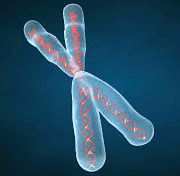
How many chromosomes does a human body cell have, total?
48
46
23
47


MITOSIS
INCREASES GENETIC VARIATION
ALLOWS TRAITS TO BE PASSED ON TO OFFSPRING
PRODUCES 2 IDENTICAL DAUGHTER CELLS
ALL ARE TRUE
MEIOSIS PRODUCES 4 CELLS-THE CHROMOSOME NUMBER IS ...
DIPLOID
HAPLOID
If the diploid number of carrots is 18, the haploid number is
18
9
27
36
The chromosomes that pair up during meiosis, are called __________ chromosomes.
heterozygous
haploid
homologous
diploid

At the end of mitosis you have _____ cells.
identical
different
identical twins
variety
What are homologous chromosomes?
Pairs of chromosomes with different genes on each.
Pairs of chromosomes with the same genes on each.
Pairs of chromosomes with no genes.
Pairs of chromosomes with the wrong genes on each.

California blackworms, also known as mudworms, are able to break apart. Each body section that broke apart is able to become an identical new worm. What type of reproduction does this example represent?
Sexual reproduction
Asexual reproduction

Penguins lay 1-2 fertilized eggs that the male and female take turns incubating on their feet. What type of reproduction does this example represent?
Sexual reproduction
Asexual reproduction


What are the "X" shaped things in the drawing.
PMATs
Chromosomes
Ribosomes
Telophase
PMAT helps us remember the correct order of the phases of Mitosis. Which of the following has the phases of Mitosis in the correct Order
Interphase, Mitosis, Cytokinesis
Prophase, Metaphase, Anaphase, Prophase
Anaphase, Telophase, Prophase, Telophase
Prophase, Metaphase, Anaphase, Telophase
What is the purpose of Mitosis?
Growth of an organism and Repair of damaged tissue
To help the body get rid of extra cells
To increase the amount of classwork you have to do
To get rid of the nucleus

What is the image above:
Chromosome
Chromotid
Centromere
Centriole
A chromosome is packaged
DNA
Protein
Carbohydrates
Lipids



