
 Worksheets
CFE Review
Total questions: 105
Worksheet time: 6hrs 59mins
The natural chemical or physical processes that breaks down rock on Earth's surface.
weathering
erosion
deposition
jackhammering
The process by which water, ice, wind or gravity moves weathered rock and soil from one place to another.
weathering
erosion
deposition
dumptruck
This type of weathering occurs when rock is physically broken down into smaller pieces of rock.
mechanical weathering
chemical weathering
erosion weathering
deposition
This type of weathering occurs when rocks weaken then break down due to chemical changes in the composition of the rock.
mechanical weathering
chemical weathering
erosion weathering
deposition
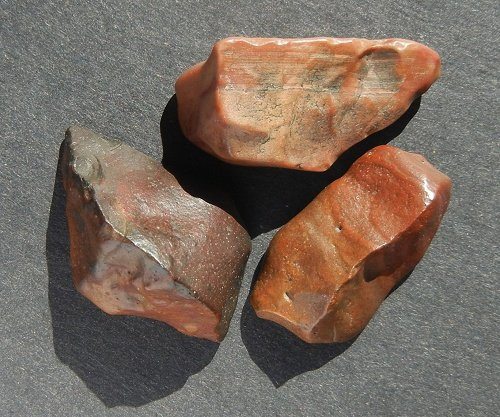
These rocks were made smooth by wind blowing smaller rock particles across their surface. This is an example of:
ice wedging
chemical weathering
acid rain
mechanical (physical) weathering

These rocks were broken apart from the continuous freeze/thaw of water in the cracks of the rocks. This is an example of:
ice wedging
acid rain
permeability
abrasion
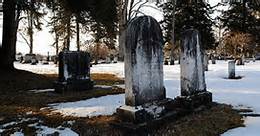
These gravestones have slowly broken down and turned a blackish color due to the action of:
ice wedging
abrasion
acid rain
mechanical weathering
How might a weathered mountain appear different than an unweathered mountain?
Weathered mountain would be taller.
Weathered mountain would be rounder and less jagged.
Weathered mountain would be more jagged and less rounded.
Weathered mountain would have no trees.
Weeds growing into the cracks in a sidewalk and the sidewalk begins to crumble is an example of:
mechanical weathering
chemical weathering
A metal statue slowly turning green after years of being outside is an example of:
mechanical weathering
chemical weathering
Rocks along a riverbed that are smoothed from continuously moving water and sediment rubbing against them is an example of:
mechanical weathering
chemical weathering
A piece of sandstone changing color (from brown to rusty red) from exposure to water and air is an example of:
mechanical weathering
chemical weathering
The formation of stalactites and stalagmites in a cave as water mixed with carbon dioxide creates carbonic acid, which dissolves away the limestone, is an example of:
mechanical weathering
chemical weathering
The formation of large cracks in the face of a mountain from ice wedging is an example of:
mechanical weathering
chemical weathering

A cliff formed near the ocean. Which statement best describes how this cliff formed?
Warm air melted the rock.
Sun rays evaporated the rock.
Ocean waves washed away rock.
Plant roots pushed away the rock.
Deposition changes the Earth’s surface because eroded materials _____.
stop the river's flow
make rich farmlands
are dropped in new places
move very slowly
How does freezing water cause the weathering of rocks? The freezing water—
keeps the rocks in place
makes the rocks last longer
expands cracks and breaks rocks
causes rocks to fall in landslides

Where does Florida get its fresh water from for drinking?
Lake
Aquifer
Sinkhole
ocean

What landform is shown here?
Delta
River
Lake
Mountain

How do plants weather rocks?
during photosynthesis
when roots grow into cracks of rocks and expand the rock
when the plant moves water from the roots to the leaves
Plants don't weather rocks

What landform is shown here?
Mountain
Spring
Lake
Sinkhole

What is this landform that is made of ice?
Lake
Spring
Glacier
Sinkhole

What is this landform?
Mountain
Lake
Coastline
River
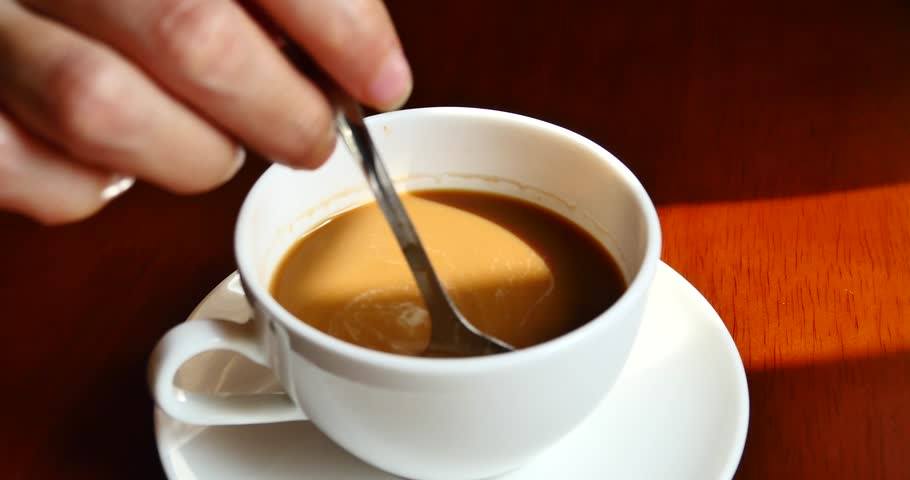
Hot coffee is stirred with a spoon, the spoon gets hot due to
Convection
Conduction
Radiation
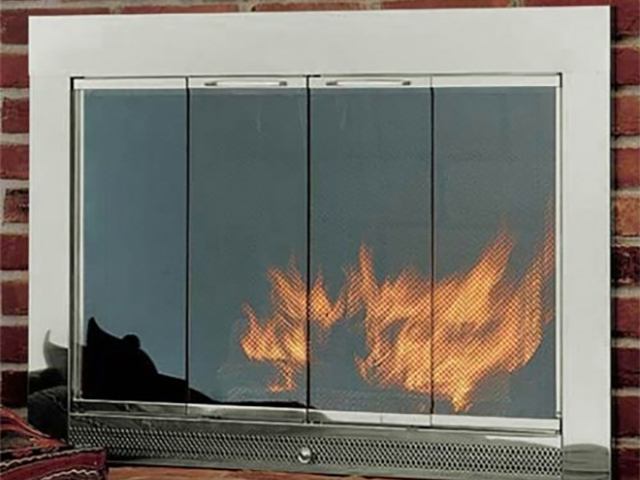
A chair is placed several feet from a fire in a fireplace. The fireplace has a glass screen. The side of the chair facing the fireplace gets warm because of
Convection
Conduction
Radiation
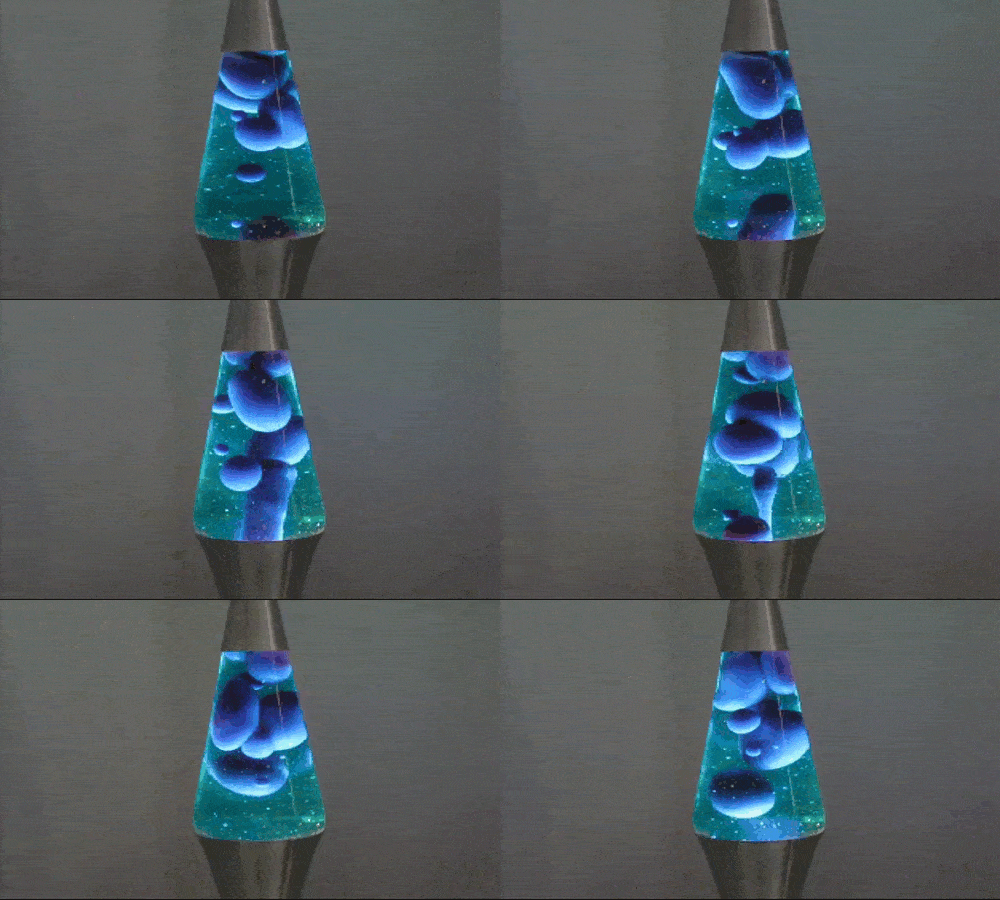
A certain type of decorative lamp contains colored liquids. These liquids form globs that break off and rise to the top of the liquid. The globs rise due to
Convection
Conduction
Radiation

Near the ceiling of a room the air is warmer. The warm air rises because of
Convection
Conduction
Radiation
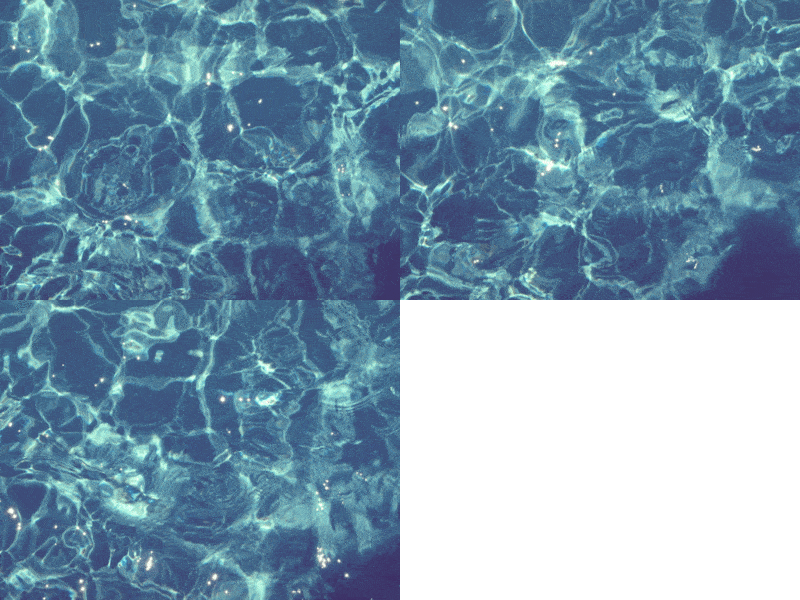
In a swimming pool, the water near the surface is slightly warmer. The warm water rises because of
Convection
Conduction
Radiation
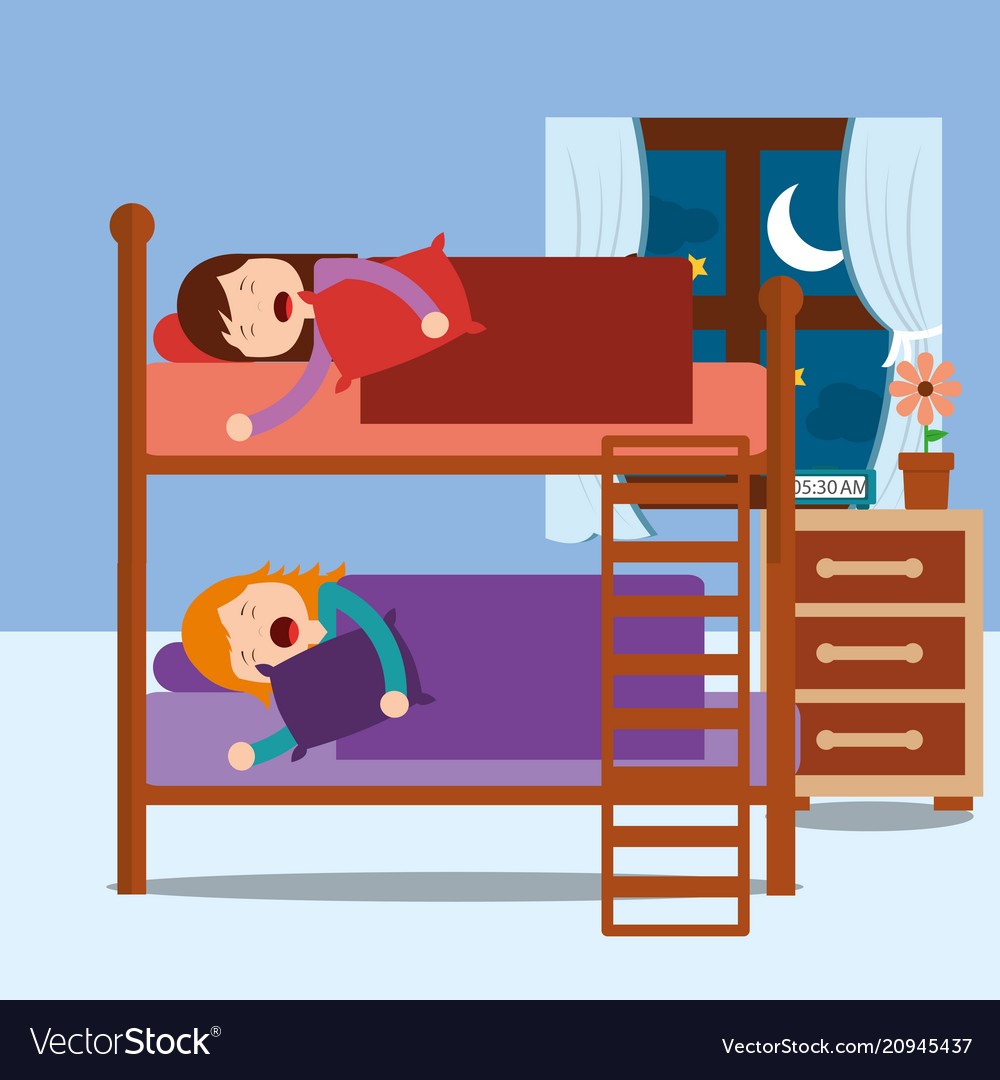
You are in the top bunk of a bunk bed and you want to turn the air conditioner on while your friend on the bottom bunk is fine is caused by
Convection
Conduction
Radiation
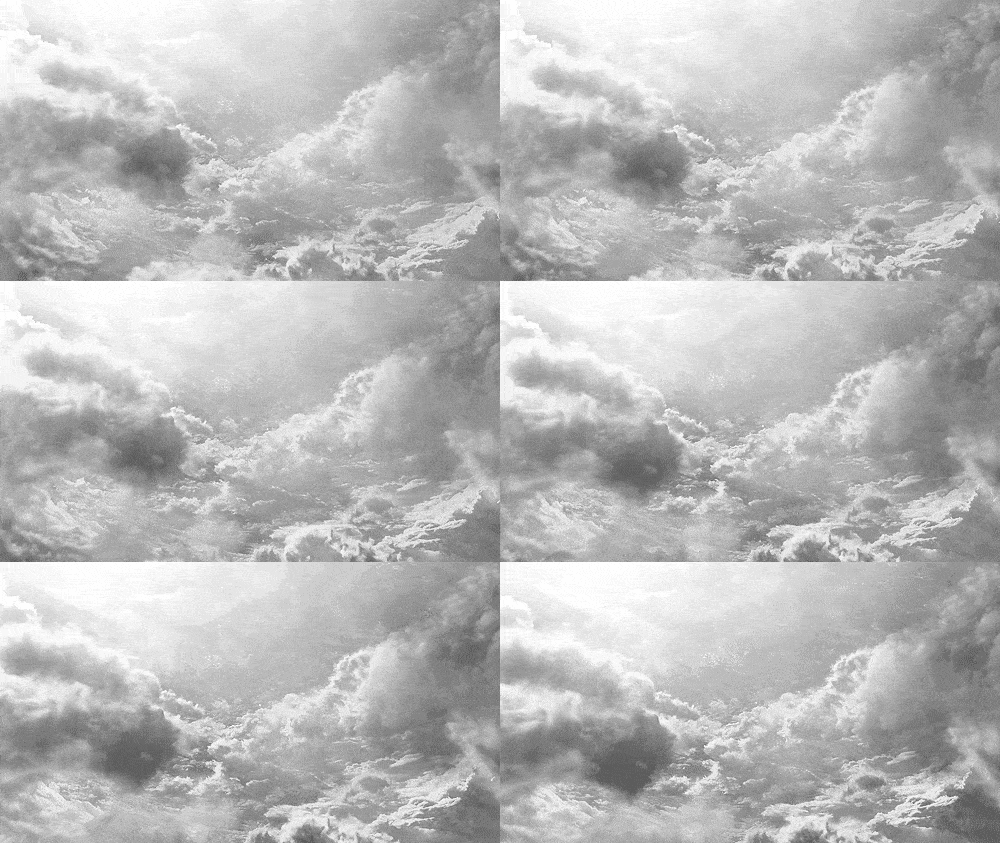
The cause of weather systems on earth is
Convection
Conduction
Radiation
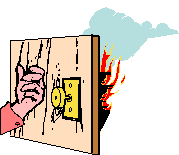
A fireman feels a door and it is hot. Why does his hand feel hot?
Convection
Conduction
Radiation
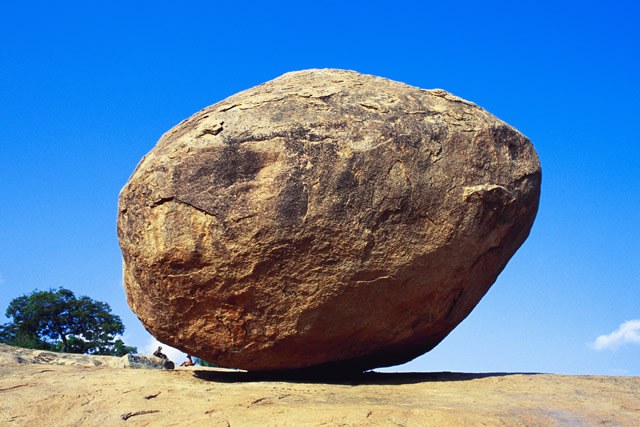
A huge boulder at the state park gets so hot during the day.
Convection
Conduction
Radiation
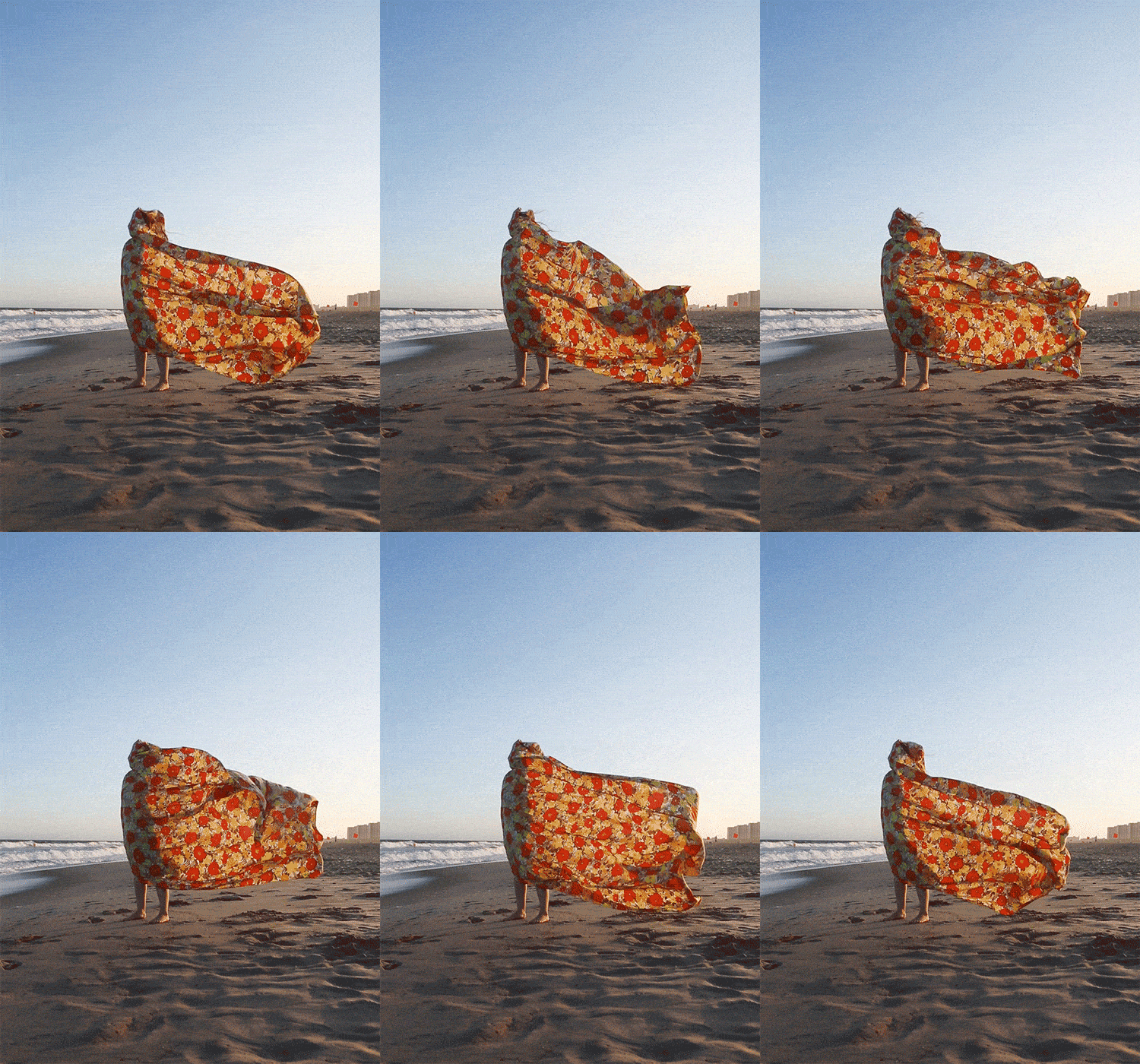
Warm air over the beach rises while cooler dense air from the ocean rushes in due to
Convection
Conduction
Radiation
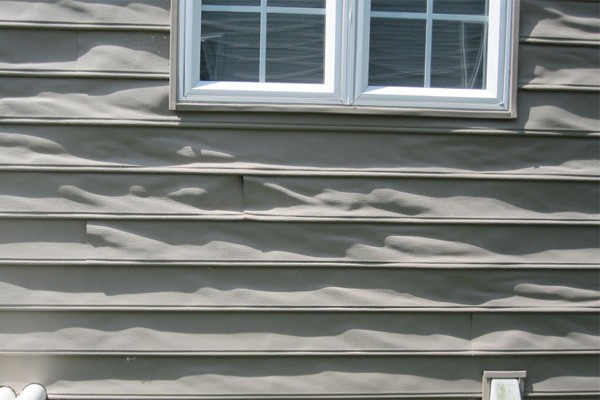
A house burns down. On the house across the street, all of the vinyl siding is twisted and warped by the heat. The heat was transferred across the street by
Convection
Conduction
Radiation
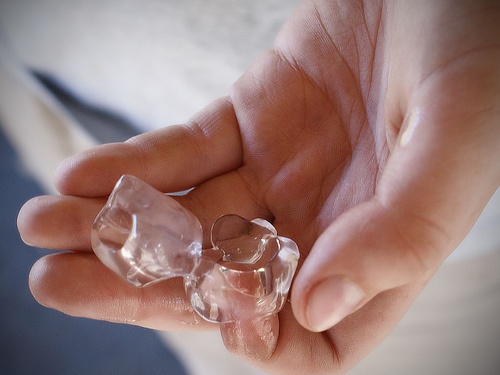
As you hold pieces of ice, they begi to melt from the warmth of you hand on them. This is because of
Convection
Conduction
Radiation

A group of friends gather around a fire to stay warm.
conduction
convection
radiation
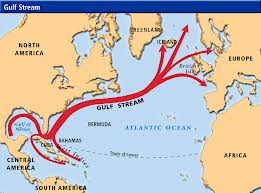
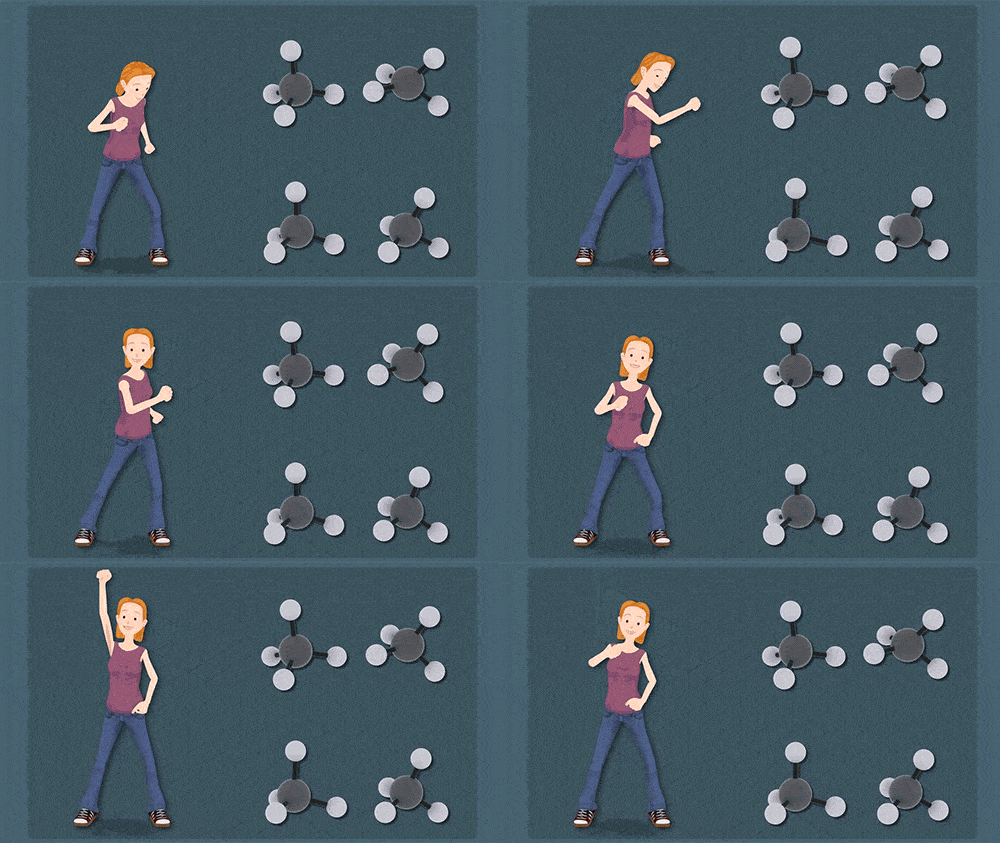
Which statement is true?
The quicker a molecule moves, the colder it is.
The slower a molecule moves, the warmer it is.
The quicker a molecule moves, the warmer it is.
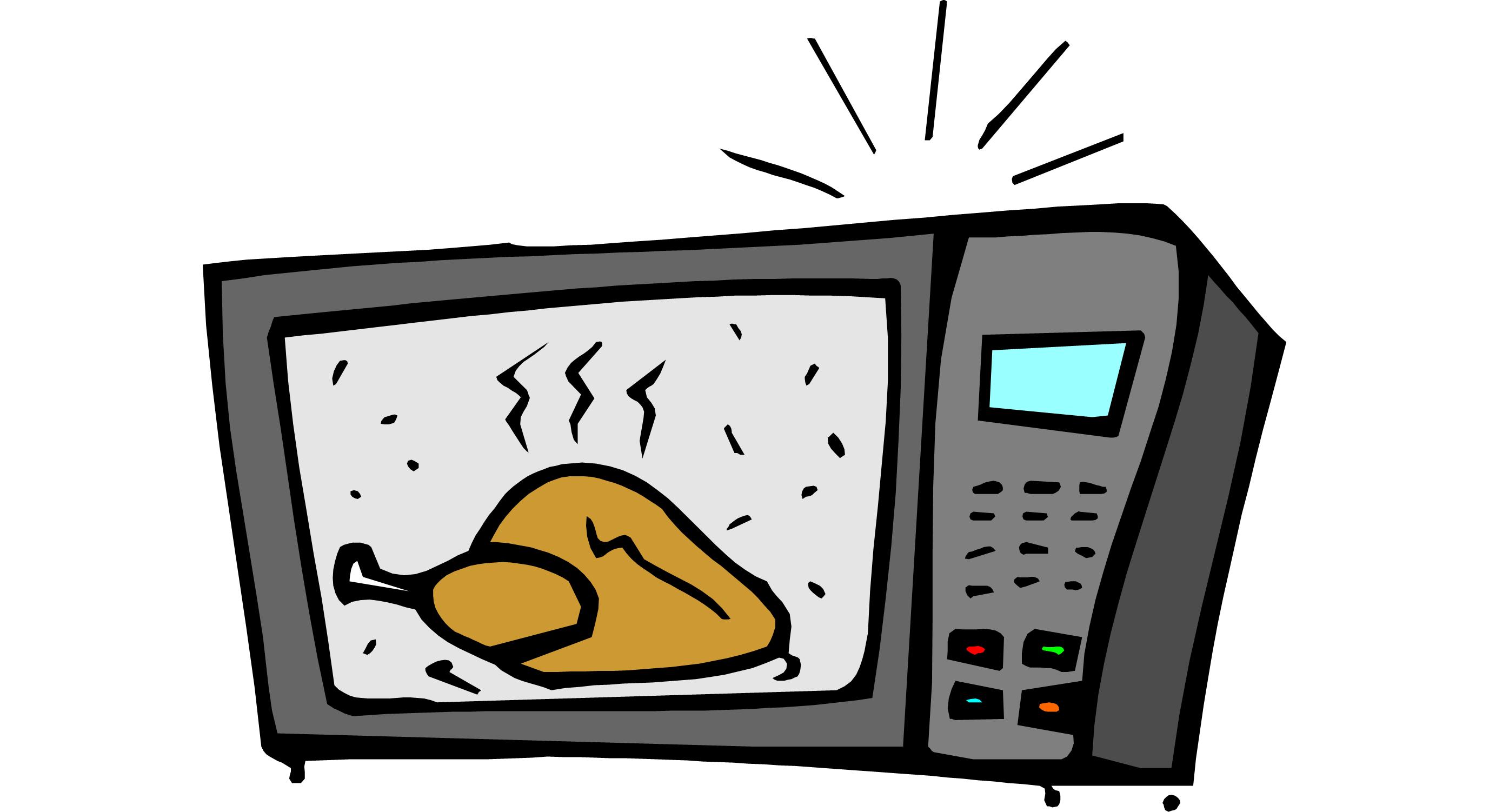
When you use a microwave, what is the main way that heat is transferred?
Convection
Conduction
Radiation
What does the ribosome do?
Stores food, water and waste for the cell
Creates energy for the cell
Controls the cell and contains DNA
Make protein for the cell.
What does the cell membrane do?
Protects the cell and controls what goes in and out.
Gives the plant cell extra strength and protection
Makes energy for the cell.
Gives the plant cell sugar from water and carbon dioxide
What does the cell wall do?
Holds the cell together and controls what goes in and out
gives the plant cell extra strength and protection
Make energy for the cell
gives the plant cell sugar from water and carbon dioxide
What does the cytoplasm do?
Holds the cell together and controls what goes in and what goes out
gives the plant cell extra strength and protection
jelly like substance that protects the organelles and gives shape to the cell
gives the plant cell sugar from water and carbon dioxide

What is this organelle?
chloroplast
mitochondria
cell membrane
vacuole
What is the function of the golgi apparatus?
Package and ship chemicals and proteins for the cell
Create energy for the cell
make energy from sunlight
support the cell
Which of the following is NOT a part of the cell theory?
All cells come from pre-existing cells
The cell is the basic unit of life
All living things are made of cells
All cells grow and develop.
Which is NOT a characteristic of living things?
Grow and develop
Obtain and use energy
Respond to the environment
Being able to walk
What is the smallest unit of life?
Organ
Molecule
Cell
Orgnaism
Which of the following is an example of an organ system?
Stomach, small intestines, large intestines
heart
stomach
brain
What does the ribosome do?
Stores food, water and waste for the cell
Creates energy for the cell
Controls the cell and contains DNA
Make protein for the cell.
What does the cell membrane do?
Protects the cell and controls what goes in and out.
Gives the plant cell extra strength and protection
Makes energy for the cell.
Gives the plant cell sugar from water and carbon dioxide
What does the cytoplasm do?
Holds the cell together and controls what goes in and what goes out
gives the plant cell extra strength and protection
jelly like substance that protects the organelles and gives shape to the cell
gives the plant cell sugar from water and carbon dioxide
What is this organelle?
chloroplast
mitochondria
cell membrane
vacuole
What does the cell wall do?
Holds the cell together and controls what goes in and out
gives the plant cell extra strength and protection
Make energy for the cell
gives the plant cell sugar from water and carbon dioxide




At what point is the person not moving?
A and C
B and D
D and E
A and E

At what point is the person returning to the house?
A
B
D
E

Letter "C" shows ...
No movement
Steady increase in speed
A return home
a person walking away

The letter "A" shows...
A person returning to a starting point
A person walking away from a starting point
A person not moving
A person resting

The word "stationary" means...
moving towards
moving away
moving
not moving

The Concorde Airplane could fly 1,400 mph. This is an example of ______________________.
Speed
Velocity
Acceleration
Deceleration

This truck is moving at 65 km/hr, which type of energy does it have?
Potential
Friction
Kinetic
Gravity

Which line shows no movement?
A
B
C
D

Which graph shows a person returning to the start line?
A
B
C
D

Which is true of a balanced force?
There is no movement
There is movement to the left
There is movement to the right
Balanced forces are always contact forces

What force would be labeled C?
Air Resistance
Friction
Magnetic
Gravity
On a distance vs time graph, what is always on the x-axis?
Speed
Time
Distance

This graph shows the result of two cars racing. Which car was moving faster?
The green one
The red one
They were both moving at the same speed
You cannot tell from this graph

