
 Worksheets
Body Systems
Total questions: 70
Worksheet time: 40mins
Which biomolecules begin to be chemically broken down in the mouth?
Proteins
Fats
Carbohydrates
Amylase
The integumentary system includes:
blood vessels
hair
skin
nails
What causes your lungs take in air?
The lungs expand and contract
The diaphragm contracts & flattens
The diaphragm relaxes & becomes convex
The pulmonary artery signals that Oxygen levels are low
What role does the liver play in digestion?
It stores bile.
It makes bile.
It makes insulin.
None
What type of digestion occurs in the large intestine?
No digestion
Chemical
Mechanical
Both chemical and mechanical
What part(s) of a neuron receive messages from previous neurons?
cell body
myelin sheath
axon
dendrites
What portion(s) of the heart are responsible for squeezing blood out of the heart?
atria
ventricles
vessicles
valves
Which of the following are functions of the heart valves? Check all that apply.
Regulate blood pressure.
Keep blood flowing in one direction.
Regulate amount of blood entering and exiting the heart
Control pulse rate.
Which biomolecules are first broken down chemically in the stomach?
proteins
fats
carbohydrates
pepsins
True or False: Veins typically carry oxygenated blood towards the heart.
True
False
True or False: White blood cells contain hemoglobin.
True
False
The part of an neuron that carries information away from the cell body and towards other neurons is called a(n) _____________.
axon
dendrite
synapse
soma
You've cut your knee and it starts to bleed. Which component of blood is involved in stopping the blood flow and forming a scab?
Plasma
White Blood Cells
Red Blood Cells
Platelets
Your doctor tells you that there is evidence that your pancreas is not working well. What is the likely outcome?
You may have difficulty regulating your blood sugar after you have eaten something sweet.
Your body may struggle to break down and utilize fat.
Your body may have difficulty absorbing vitamins and minerals from the food you eat.
You may experience loose and watery stools.
_________ typically carry blood away from the heart.
Veins
Arteries
Capillaries
White blood cells
The fluid portion of blood that contains salts and sugars is referred to as:
(a)
________________ attach muscles to bone.
Ligaments
Fascia
Tendons
Myeline sheeth
(a) is responsible for providing cushioning in your joints.
Bile is stored in your ______________.
Pancreas
Gall bladder
Liver
Small Intestine
Urine exits your body through the ______________
Ureters
Bladder
Kidneys
Urethra
You eat a serving brown rice. The nutrition label says one serving contains 11% of your daily value of iron. Is this considered a high source of iron?
Yes
No
Which blood component plays a role in fighting pathogens?
Platelets
Red Blood Cells
Plasma
White blood cells
You had emergency surgery that required you to be intubated. After the surgery, your voice quality is changed - it's hoarse and scratchy. You may have damaged your _________________.
trachea
larynx
pharynx
salivary glands
Which line(s) of defense in your immune system are non-specific - indicating that your body is responding to the general presence of a pathogen, but not mobilizing a specific defense to a specific pathogen? Check all that apply.
First line of defense.
Second line of defense.
Third line of defense.
Where does gas exchange occur in your lungs?
capillaries surrounding the alveoli
the diaphragm
mucous membranes
myelin sheath
Gas exchange in your capillaries occurs via (a) .
You purchase a "100 calorie pack" of nuts. One serving size (pack) is 100 calories. True or False: This is NOT considered a low calorie food.
True
False
You've just eaten lunch. What path does food take through your digestive system?
stomach, esophagus, small intestine, large intestine
stomach, small intestine, large intestine, esophagus
esophagus, stomach, large intestine, small intestine
esophagus, stomach, small intestine, large intestine
Blood transports
oxygen
carbon dioxide
nutrients
all of the above
Oxygen passes from the blood into organs through the walls of _______________.
atria
arteries
capillaries
veins
Although chemical digestion occurs throughout the digestive system, it mostly occurs in the ________________.
liver and pancreas
liver and gall bladder
stomach and intestines
esophagus and stomach
An important function of the circulatory system is to _______________________.
control muscle movement
break down food
absorb nutrients
transport nutrients to other parts of your body
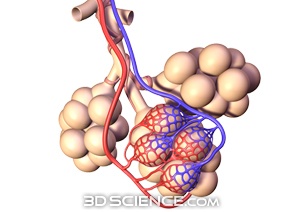
True or False: Your respiratory system and your digestive system are both needed to obtain energy from the food you ingest.
True
False
Bronchi are:
tubes that filter waste from your blood
air sacs that look like tiny grapes
tubes that carry oxygen into your lungs
located in the brain
Your wind pipe is also referred to as your (a) .
Which part of your brain is involved in coordination and balance?
cerebellum
brain stem
cerebrum
occipital lobe
Mr. Smith sustains a traumatic brain injury in a motor vehicle accident. Bleeding in his brain causes pressure to build up inside of his skull and his brain stem is severely damaged as it gets pushed through the bottom of the opening in his skull. What is the most likely outcome?
Mr. Smith will have trouble with solving complex problems and remembering things.
Mr. Smith will have difficulty with balance and coordination
Mr. Smith will die.
After a day or two, Mr. Smith will be completely recovered.
Which of the following is NOT a function of your integumentary system?
movement
homeostasis
waste removal
protection
Amino acids are the building blocks of (a) .
Glucose molecules are the building blocks of (a) .
Fatty acids are the building blocks of:
(a)
Nucleotides are the building blocks of (a) .
Your doctor just informed you that you have emphysema. Which body system is affected?
digestive system
nervous system
integumentary system
respiratory system
What component(s) makes up the Central Nervous System? Check all that apply.
Nerves
Brain
Spinal Cord
Spinal vertebrae
This type of muscle is found in the digestive system and blood vessels. Check all that apply.
skeletal
smooth
involuntary
voluntary
A ________ is a type of muscle that bends part of your body.
extensor
flexor
tendon
ligament
This type of exercise helps strengthen your cardiovascular system.
Aerobic
Anaerobic
Lactic acid fermentation
Weight lifting
True or false: One of the primary function of your bones is to store things your body needs.
True
False
Maria had a stroke. What body system has been damaged? Check all that apply.
Respiratory System
Cardiovascular system
Digestive system
Nervous system
What is the function of marrow? Check all that apply.
produces red blood cells
generates ATP energy
produces white blood cells
stores fat
Which body system's primary function is to remove waste from our blood?
respiratory system
integumentary system
digestive system
urinary system
Your skin color is determined by the amount of ___________ in your skin.
protein
keratin
melanin
vitamin D
Vaccines contribute to _____________.
Passive Immunity
Active immunity
Millions of people becoming ill each year.
True or False: "Breathing" is the same thing as "respiration".
True
False
Jonathan's grandmother has recently started to have difficulty with her language functioning - she often can't find the right word when she is trying to talk and sometimes she doesn't understand what people say to her even though her hearing has been checked and is fine. What general region of her brain has probably been effected?
the cerebellum
the brain stem
the cerebrum
the 4th cranial nerve

The largest organ of the human body is the:
liver
skin
lungs
intestines


What kind of muscle is in the heart?
skeletal
cardiac
smooth
memory
True or False: I learned quite a bit in science this year.
True
False

