
 Worksheets
Review Test for TLE Quarter 4
Total questions: 45
Worksheet time: 34mins
Scraping the surrounding meat around the bone until the bone is completely removed.
trimming
boning
cutting
Removing the extra fat, bones, and connective tissues that gives a wholesale and retail cuts neat and clean finish.
trimming
larding
cutting
Assures that every customer gets the same amount of serving for the same price paid for.
cutting
weighing
portioning
weighing and portioning
Adding fat to a very lean and/or tough pieces of meat.
stuffing
tying
larding
Softening a cut of meat by breaking down its interior fibers to make it easier to eat and digest.
marinating
tendering
grinding
The food is first browned at a high temperature, then simmered in a covered pot in cooking liquid.
braising
stewing
broiling
The hottest stage in cooking using moist-heat method.
boiling
simmering
steaming
A form of dry-heat cooking that uses a very hot pan and a small amount of fat to cook the food very quickly.
sauteing
baking
deep frying
This relies on heat conducted through the air from an open flame.
broiling and grilling
sauteing and pan frying
baking and roating
Cooking in liquid below boiling point (82-99°C or 180- 211°F).
stewing
simmering
boiling
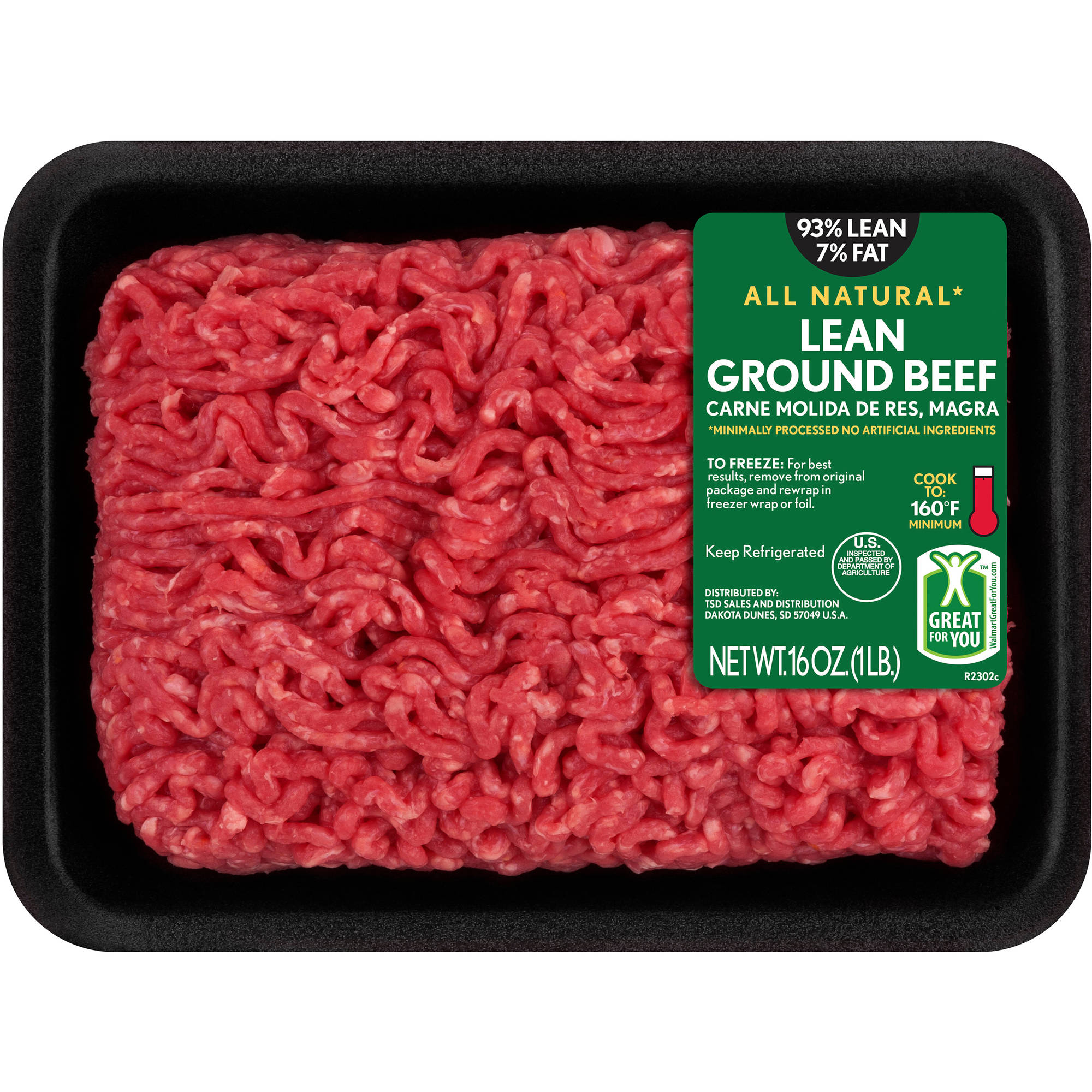
Meat from hog is called _______.
beef
mutton
pork
Meat from cow is called _____.
pork
beef
veal
The meat of a 6-8 months old sheep is called _____.
Lamb
Mutton
Veal
_____ is goat's meat.
Chevon
Lamb
Mutton
A carcass consists of bones, fat tissues, and _____.
Lean tissue
Connective tissue
muscle tissue
Fatty tissues within the mucles is called _____.
Subcutaneous fat
Cutaneous fat
Intramuscular fat
The muscular tissues is consist of lean meat fat and _____.
bones
connective tissues
subcutaneous tissues.
The ossified tissue that forms the skeleton is the _____.
cartilage
bones
connective tissue
Meat treated with sodium nitrate is _____meat.
cured
treated
chilled
Chilled meat is cooled up to _____ centigrade.
3 degrees
6 degrees
9 degrees

(a)

(a)

(a)
what are the 4 most common red meat?
beef, veal, snake, and pork
beef, veal, lamb, and rabbit
beef, veal, goat, and pork
beef, veal, lamb, and pork

what good source that meat is high?
carbohydrates
dairy
fiber
protein
what should meats be?
fat and juicy
stock and marketing
tender and juicy
high and low
what is the best way to cook chuck steak?
grill
fry
slow cook/ stew
stir fry
this material holds muscle to the bone and binds muscle fibers.
connective tissue
elastin
collagen
fat
The following are all moist methods of cooking:
Sautéing, simmering, steaming, stewing
Braising, boiling, baking, barbequing
Simmering, steaming, braising, stewing
Braising, boiling, sautéing and stewing
The method of heat transfer in roasting is:
Conduction to Convection
Convection to Conduction
Convection to Radiation
Conduction to Radiation
When meat is stewed, it becomes tender because:
Gluten converts to gelatine
Collagen converts to gluten
Gelatine coverts to collagen
Collagen converts to gelatine
Microwaving heats food by causing:
Starch molecules to give up heat energy
Water molecules to vibrate and give off heat energy
Water molecules to evaporate
Starch molecules to vibrate and give off heat energy

Name the process where food is directly kept on fire?
Roasting
Boiling
Baking
Steaming

Choose method of cooking where we use water ?
Baking
Steaming
Roasting
Frying
Food is cooked to make the following high risk foods safe to eat:
Sausages, Biscuits, fish, minced beef
Chicken, red kidney beans, fish, minced beef
Pork, runner beans, fish, minced beef
Turkey, burgers, biscuits, bread, cheese
The following are all moist methods of cooking:
Sautéing, simmering, steaming, stewing
Braising, boiling, baking, barbequing
Simmering, steaming, braising, stewing
Braising, boiling, sautéing and stewing

Fried
Boiled
Grilled
Roast

Fried
Roast
Grilled
Baked

Which of the following does NOT come from a cow?
butter
cheese
honey
ice-cream

soup
cereal
juice

What is cooking methods for chicken soup ?
bake
boil
grill

