
 Worksheets
The Living Earth (Final--Spring 22)
Total questions: 100
Worksheet time: 2hrs 15mins
Does car color impact the temperature of the inside of the car? What is the independent variable?
The color of the car
The temperature inside the car
The size of the car
The place the car is parked
Does car color impact the temperature of the inside of the car? What should be the constants in this experiment? Check all that apply.
The color of the car's interior
The type of car being used
Where the cars are parked
The thermometer taking the temperature
The color of the car's exterior
Does car color impact the temperature of the inside of the car? What is the dependent variable
The color of the car's interior
Where the car is parked
The temperature of the air outside
The temperature inside of the car
What is a control?
What is changed in an experiment
What stays the same in an experiment
What is measured during an experiment
What the "normal/natural" circumstances are

High school students should be required to wear uniforms.

When writing you hypothesis, what information follows IF?
dependent variable
how you know it will happen
independent variable
anything

When writing a hypothesis, what information do you fill in after THEN?
dependent variable
independent variable
how you know it will happen
anything good

Choose the correct hypothesis for "What effect does studying have on your test grade?"
IF I study for hours, THEN my test grade will be better.
IF I have a good test grade, THEN I will study.
Good grades are from studying.

A students was doing an experiment using the scientific method. Every three days the student plans to count the green leaves. Which would be a good hypothesis for this experiment?
If plants are placed in direct sunlight, then they will grow more green leaves.
If plants are places in bright light, then they will grow more green leaves than in dim light.
If plants are place in clay pots, then they will grow more green leaves than plastic pots.
If plants are in warmer temperatures, then they will grow more green leaves.
Food, water, sunlight, air, soil are resources that are often __________.
limiting factors
wet
messy
found in rocks

The number of individuals a habitat can sustain with the resources it has available
Carrying capacity
Limiting factors
Resources
Population
In ecology, resources that organisms need can also be called Limiting Factors. Which of the following is the best definition for this key term?
Environmental factors that are all abiotic
Resources that are all biotic
Resources that may cause a species' population size to change
Environmental factors that affect predators but not prey
Which best describes what happened to the wolf population when wolves could not find what they needed to survive?
Their population size stayed the same
Their population increased in size
Their population decreased in size

What is the carrying capacity of the graph?
1000
8000
800
600
This may cause a population to increase
increase of food supply
removal of predators
removal of disease
all of these

The graph to the right shows the interaction of the wolf and moose populations on Isle Pekie. If the moose population continues to increase, the wolves' food supply will increase. What will most likely happen to the wolf population as a result?
It will decrease.
It will increase.
It will remain the same.

In a forest community, an introduced bird species enters the ecosystem and hunts for the same fish as another species. This would be an example of an increase in ________ among the bird species.
abiotic factors
competition
space
food supply

The clownfish lives among the tentacles of tropical sea anemones. The stinging tentacles of the anemone protect the clownfish from predators. The mucus on the fish protects it from the tentacles. In turn, the anemone is provided food from the predators that approach the anemone to eat the clownfish. What type of relationship does this example describe?
Mutually beneficial
Predator & Prey
Consumer & Producer
Competition

When a tick attaches to a dog, the tick will suck the blood of the dog and can transfer diseases. This is an example of what type of relationship?
competition
mutualism
parasitism
Where does the energy that animals get their food come from?
Space
Italy
Mars
The Sun
A plant that converts the sun's energy is called..
A producer
seaweed
plankton
a herbivore
Animals that eat the producers are called...
Hungry
Predators
Primary consumers
Caterpillars

Click on the image to make it larger-- Choose all that apply: The hawk gets energy from...
mouse
rabbit
wildflowers
snake

Click on the image to make it larger-- Choose the living things that are producers...
wildflowers
rabbit
snake
grass

Click on the imgae to make it larger-- Choose the herbivores in the food web....
hawk
mouse
rabbit
snake
Grass > Grasshopper > Bird > Snake

Why might an organism have more than one arrow coming from them in a food web?
More than one organism may eat them.
They may eat more than one other organism.
This organism gets its energy from multiple sources.


The word "primary" means "first."
If that's true, what does primary consumer mean?
Hint: look carefully at the food chain!
the first organism in a food chain
the first organism that consumes something else for energy

According to the image, what is the primary consumer in the food chain?
plant
insect
mouse
snake

According to the image, what is the secondary consumer?
plant
insect
mouse
snake
An instinct it:
a behavior that is learned
a behavior that an animal begins life with
something that a person buys
What is a learned behavior?
a behavior that they go to school for
a behavior that they learn from others
a behavior that they don't want
a behavior that is bad


A species that plays a critical role in the health, maintenance, growth, or definition of an ecosystem.
keystone
invasive
engineer
predator
Chloroplast
Oxygen and Sugar
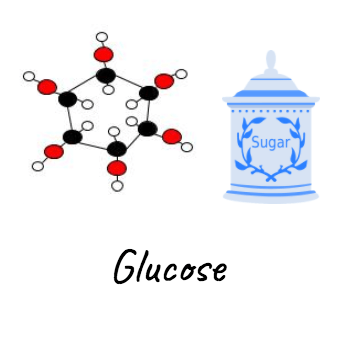

This is the chemical formula for a molecule of...
Oxygen
Carbon dioxide
Glucose
Water
Biodiversity refers to.........
differences in plants
differences in animals
the variety of all life on earth
animals located near the artic
The largest threat to biodiversity is
bacteria
humans
fungi
plants
The loss of a natural habitat is called:
Habitat Development
Pollution
Biodiversity
Habitat Destruction
Careful usage of resources is called ______________
Conservation
Development
Sustainability
To use natural resources wisely for today’s needs and also to conserve them for future generations is called ____________
Sustainable development
Conservation of resources
Development of resources


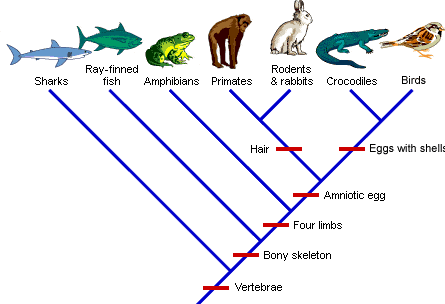
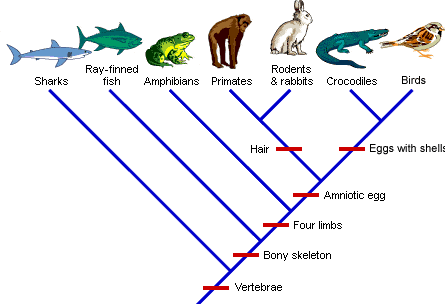
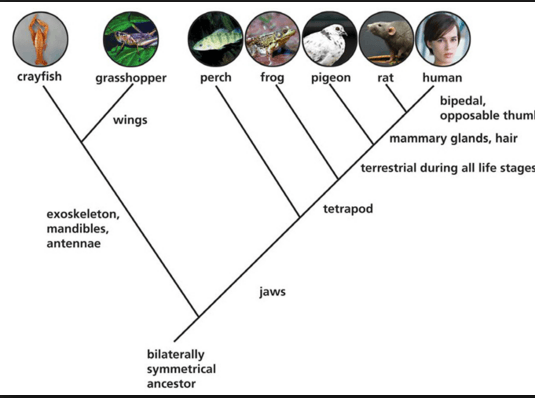
Similarities in bone arrangements, like those in the picture, support the hypothesis that...
these organisms are not well adapted
these organisms share a common ancestor
these organisms all share the same DNA sequences
these organisms are members of the same species
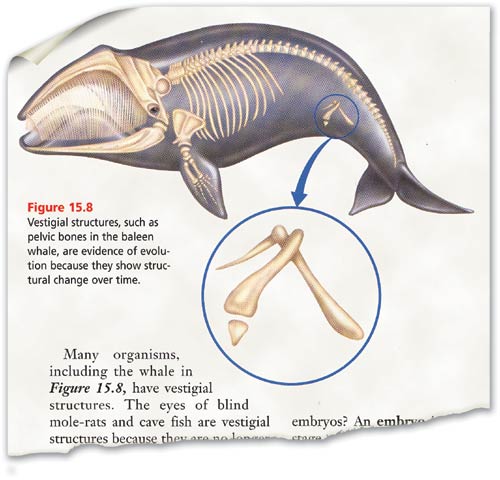
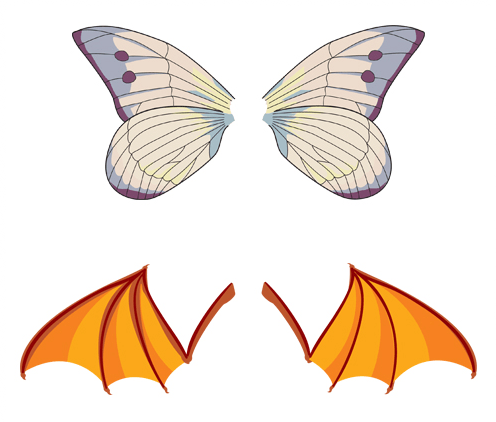
What is this an example of?
Homologous structure
Analogous structure
Vestigial organs
Functional adaption

The picture shows a/an ___________
homologous structure
vestigial structure
The process of biological change in a population over time is called...
Evolution
Natural Selection
Creationism
Intelligent Design
Natural Selection states that...
Genetic mutation is random
Organisms will change to adapt to their environment
The best adapted organisms will live longer and reproduce more than others
Organisms are naturally selected by God to reproduce
According to the principle of Descent with Modification, what happens to harmful traits, in a population, over time?
They become less common
They become more common
They increase allele frequency
They decrease genetic drift
Genetic Drift causes...
Increased genetic variation
Loss of genetic variation
Population growth
Population decline
Gene Flow...
Increases genetic variation
Decreases genetic variation
Increases population size
Decreases population size
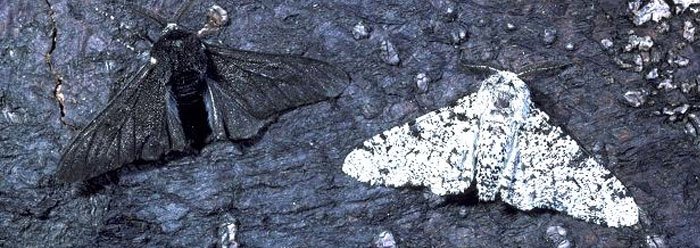
The allelle / (trait) that is "weaker". The offspring will not have the trait represented unless there are two of these.
recessive allele
dominant allele
co-dominant allele

How many chromosomes do humans have?
46
23
96
21
43


Chromosomes are found in the ____________ of the cell
Chloroplast
Nucleus
Cytoplasm
Mitochondria
Vacuole


In the punnett square below, what belongs in the missing square

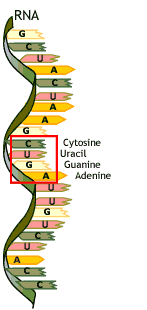
GTAGTCA

What is the amino acid sequence for the following mRNA strand:
AUG-ACU-CGA-UGA
Met-Thr-Arg-Stop
Cys-Thr-Arg-Val
Met-Thr-Ser-Stop
Met-Phe-Arg-Stop
DNA molecule segment is : TTACGCAAG
The mutated DNA segment is TTCGCAAG. This is an example of ___ mutation.
Substitution
Deletion
Insertion
Inversion
What mutation has occurred here?
T-G-A-C-C-A
T-G-A-G-C-A
Substitution
Deletion
Insertion
Frameshift
ATTTGAGCC- Original
ATTGAGCC - Mutated
The example above is an example of a
Insertion- Frameshift
Deletion- Substitution
Deletion -Frameshift
All of the above

