
 Worksheets
Human Body Systems Practice Questions
Total questions: 85
Worksheet time: 1hrs 25mins
What is the main function of the endocrine system?
It creates chemicals, or hormones, that are sent around the body to maintain homeostasis.
It creates electrical messages that are sent around the body to maintain homeostasis.
It maintains the correct level of oxygen in the body to maintain homeostasis.
It releases waste from the body to maintain homeostasis.

What structure(s) shown in the picture above the kidneys?
Thyroids
Adrenal glands
Testes
Parathyroids

This structure releases what hormones?
insulin and glucagon
calcitonin and estrogen
Parathyroid hormone and antidiuretic hormone
epinephrine and testosterone
Which of the following are chemicals that travel in the blood and cause changes in different parts of the body?
Hormones
Glands
Parathyroid
Adrenal Gland


Where does digestion begin?
The mouth
The stomach
The liver
The small intestine
Which of the following answers correctly sequences the pathway food takes from the beginning to end?
mouth, esophagus, stomach, small intestine, large intestine
mouth, esophagus, stomach, large intestine, small intestine
mouth, stomach, esophagus, small intestine, large intestine
mouth, stomach, esophagus, large intestine, small intestine

Structure 17 is the
pancreas
liver
stomach
gall bladder
Structure 20 is the
pancreas
stomach
large intestine
small intestine
What is a neuron?
a bone in your spinal cord
a blood vessel in your brain
a nerve cell
a stroke
The two major parts of the nervous system are the
brain and spinal cord
central and somatic nervous systems
sympathetic and parasympathetic systems.
peripheral and central nervous systems
The two parts of the Peripheral Nervous System
Brain and Spinal Cord
Somatic and Autonomic
Systematic and Brain
Spinal cord and Autonomic
The main function of the nervous system
send messages to and from the brain and spinal cord to and from the body
break down food to be used by the body
remove wastes from the body
all of these

What system does the muscular system work in conjunction with to allow our body to move?
Digestive
Respiratory
Skeletal
Circulatory
When your body receives signals from an external environment and transmits the information to the brain, which body system is being used
Nervous
Integumentary
Digestive
Skeletal
Muscles are connected to bones by an elastic-like (stretchy) strap called a ______
Joint
Bone
Tendon
Muscle
When the ________ contract, the arm bends towards the shoulder.
Biceps
Triceps
Abdomninus
Optimus Prime

What muscle is highlighted?
Lats
Abdominals
Pectoralis
Quads

What muscle is highlighted?
Trapezius
Lats
Pectoralis
Deltoids
About how many muscles do you have in your body?
600
50
1,000
100

What bone is highlighted?
Skull (Cranium)
Mandible
Clavicle
Scapula
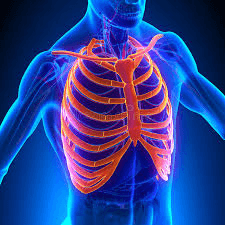
What bone is highlighted?
Ribs
Vertebrae
Clavicle
Femur

What bone is highlighted?
Patella
Pelvis
Clavicle
Femur

The __________ system protects the body and gives it structure.
muscular
digestive
skeletal
circulatory
Which tissue cushions the end of bones?
tendons
ligaments
cartilage
joints
Which is NOT a function of the skeletal system?
production of red blood cells
store calcium
digest food
movement, protection, and support
Which bone disease causes bones to become weak and brittle?
artereosclerosis
arthritis
fracture
osteoporosis
These vessels carry blood away from the heart.
arteries
veins
capillaries
superior vena cava
These are the smallest blood vessels with the thinnest walls in order to maximize diffusion of nutrients in and out of the interstitial fluid
arteries
veins
capillaries
aorta
Which of these does not keep your heart healthy?
Following a nutritious diet
Daily physical activity
Eating processed foods
Having regular health check ups
What is the side of the adult heart?
size of an apple
size of a pillow
size of a pea
size of a large fist
What is the role of veins in the cardiovascular system?
Carry blood away from the heart
Carry blood back to the heart
Carry blood to the lungs
Allows the exchanges of gases, nutrients and wastes between blood and the tissues
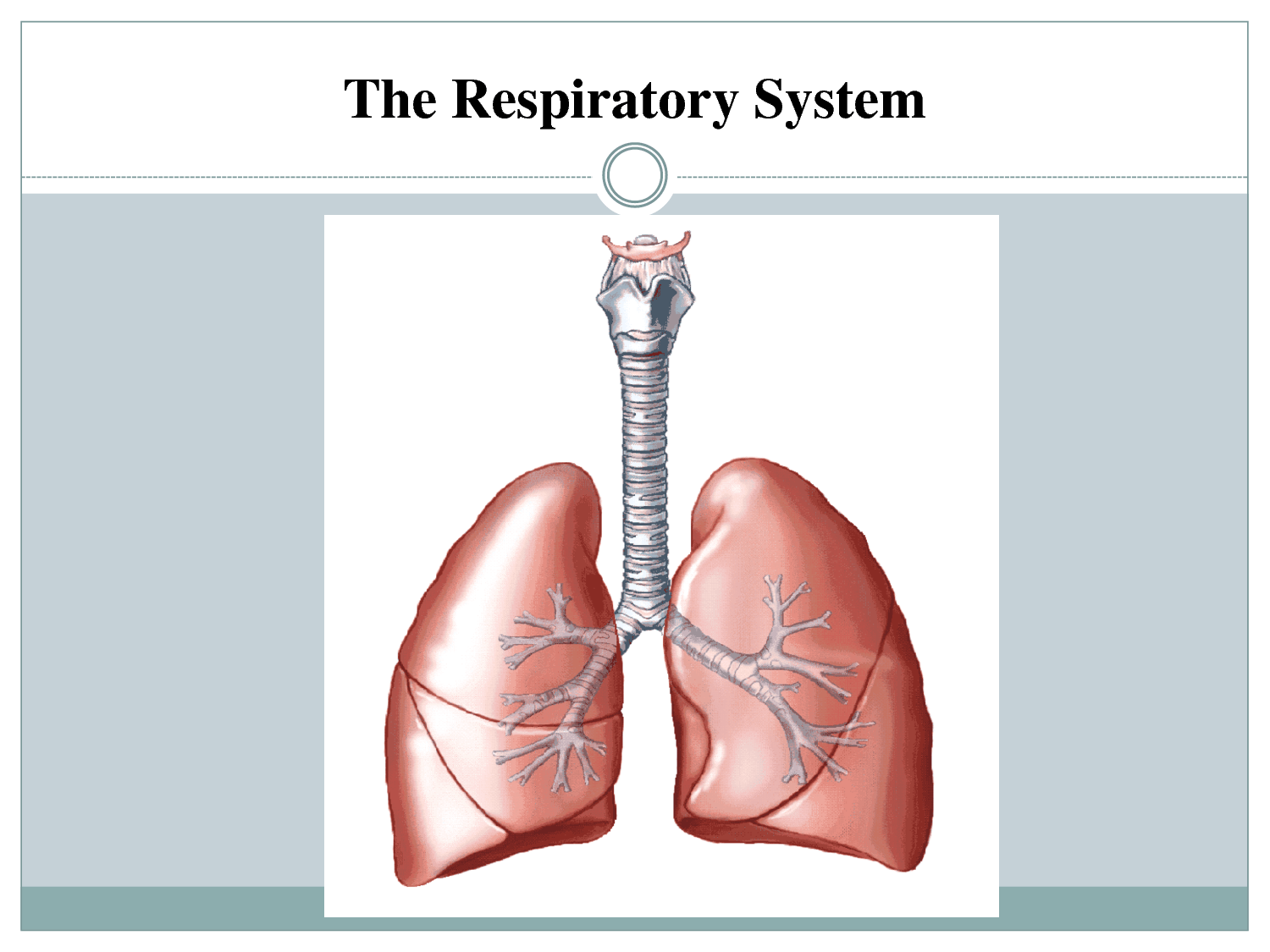
What is the main function of the respiratory system?
to provide oxygen and remove carbon dioxide from the body
o break down food and absorb nutrients
to remove oxygen from the body and deliver carbon dioxide
The circulatory system works with the ___________ system to provide our body with oxygen and get rid of CO2 (carbon dioxide).
respiratory
digestive
muscular
skeletal
Excess water and some chemical and cellular waste products eliminated from the body in liquid waste is called
urea
urine
liquid waste
solid waste
The two narrow tubes that urine flows through from the kidneys to the bladder are the
urethras
kidneys
esophagus
ureters
The urine passes through the __________ as it passes out of the body.
urethra
ureters
bladder
kidney
Kidneys maintain homeostasis by regulating ________ levels
waste
blood
water
food

Which is not a function of the urinary system?
filtration
waste storage and removal
homeostasis maintenance
hormone production

Which immune system organ is found in the back of the throat?
thymus
spleen
tonsil
liver

Which are part of the integumentary system?
Muscles, skeleton, bone marrow
Hair, skin, bones
Hair, skin, nails
Brain, spinal cord, nerves

Which is not a function of the integumentary system?
Protection against foreign objects
Sweating/cooling
Insulating/warming
Urinating

How is your body cooled?
Hair
Fat
Oil glands
Sweat

What's the outer-most layer of your skin called?
Epidermis
Dermis
Subcutaneous fat layer
All of the above

What is the largest organ of your body?
Liver
Kidneys
Skin
None of the above


What 2 systems: Allows for movement
Muscular and Skeletal
Endocrine and Skeletal
Nervous and Circulatory
Integumentary and Reproductive
Which two body systems interact to send oxygen throughout the body?
Nervous and Digestive
Respiratory and Cardiovascular
Excretory and Endocrine
Cardiovascular and Skeletal
digestive and urinary
When your body comes in contact with a sharp object, an impulse sent you your brain triggers a reflex that causes you to move away from the object. What body systems are interacting to cause this response?
Nervous, Respiratory,
Nervous, Muscular
Nervous, Skeletal
Nervous, Digestive
Olympic sprinters undergo increased heart and breathing rates while competing. Which of the following best describes the interactions among systems of a sprinter?
Respiratory system is working to obtain more oxygen, while the cardiovascular system works to transport the oxygen to the muscles.
The digestive system takes in more glucose, while the excretory system removes waste.
The endocrine system transports ATP to the nervous system
Excretory system removes waste from the digestive system to reduce weight so the sprinter can run faster
Kidneys are part of the urinary system in a human body. They purify the impure blood and send it back to the rest of the body. Which system is mainly responsible for the transport of blood to the kidneys?
Respiratory system
Cardiovascular system
Muscular system
Nervous system
Dialysis is a medical treatment used when a person’s kidneys are no longer able to function. During this process, a machine uses an artificial membrane to remove waste products from the blood. Which body system below is not functioning properly in a person who requires dialysis?
Endocrine system
Integumentary system
Urinary system
Circulatory system
The digestive system is made up of which of the following organs?
Brain, nerves and spinal cord
Lungs, trachea and mouth
Esophagus, stomach, small intestine and large intestine
Mouth, brain, cells and large intestine
The respiratory system consists of what organs?
Mouth, stomach, small intestine, large intestine
Heart, cells, lungs
Brain, spinal cord, nerves
Mouth, nose, trachea, lungs
What is a major role of the endocrine system?
release hormones to control many body functions
digest and absorb food
transport nutrients through the blood
first line of defense from infection
The cardiovascular system interacts with the ______ system to remove waste from our blood and produce urine.
nervous
endocrine
urinary
digestive

