
 Worksheets
Botany Semester 2 Final Review
Total questions: 130
Worksheet time: 1hrs 13mins
What are the reactants in Photosynthesis?
Sun, CO2, glucose
glucose and oxygen
sun, carbon dioxide, water
water, glucose
In cellular respiration, carbon starts out in the glucose molecule, but ends up in a(n)
oxygen molecule
water molecule
CO2 molecule
C6H12O2 molecule
In photosynthesis, what kind of molecule does hydrogen start in?
water
oxygen
glucose
carbon dioxide
How do humans get glucose so they can live?
breathe it in
photosynthesis
eat food
drink liquids
For photosynthesis, a plant needs water, sun, and...
oxygen
carbon dioxide
glucose
mitochondria
For humans to live, we need energy. What is the name of the energy that the body makes in cellular respiration?
sugar
glucose
ATP
fructose
What is a product of photosynthesis AND a reactant for cellular respiration?
oxygen
water
carbon dioxide
Doctor Pepper
The sun gives us what type of energy?
chemical
radiation
potential
kinetic

The enlarged base of the pistil that stores the eggs of the plant is the ___.
ovary
ovule
stigma
style

The tip of the style that has sticky hairs to trap pollen is the ___.
stamen
stigma
ovary
style

Small grains that contain a plant's male reproductive cells.
stamen
pollen
anther
stigma

Brightly colored parts of flowers that attract insects.
petals
pistils
stamen
filaments

The part of the stamen that produces the pollen grains is the ___.
anther
pistil
filament
ovary
The enlarged base of the pistil that stores the eggs of the plant is the ___.
ovary
ovule
stigma
style
The tip of the style that has sticky hairs to trap pollen is the ___.
stamen
stigma
ovary
style
Brightly colored parts of flowers that attract insects.
petals
pistils
stamen
filaments

The transfer of pollen, containing the sperm cells, to the female part of the flower.
seed disperal
pollination
germination
fertilization

The ovary, style, and the stigma make up the female part of a plant called the ?
stamen
petals
stem
carpel (pistil)

After fertilization what does the ovary develop into?
Fruit
Bud
Seed
Flower

What is the function of the nectar in a flower?
To provide food for the flower
To attract pollinators
To attract animals to disperse the fruits
To produce perfumes for Man


The male reproductive structure of a flower is the ___.
pistil
ovary
stamen
ovule

egg in the ovule combines with the sperm in the pollen.

What type of pollination is shown in this diagram?
Cross pollination
Self pollination
Single pollination
Transfer pollination
What is the term given to a fertilised ovule in a plant?
Seed
Stamen
Style
Pollen
___________________ is the transfer of pollen grain from the anther to the stigma within one flower or between flowers of the same kind.
Reproduction
Pollination
Flowering
Germination


The flexibility in plants is due to this kind of simple permanent tissues.
chlorenchyma
aerenchyma
collenchyma
parenchyma
find out the wrong statement.
Intercellular space is less in collenchyma tissues
collenchyma cells are living
cells of collenchyma have very thin cell wall
collenchyma cells provide mechanical support.

Identify the type of simple permanent tissue.
sclerenchyma
collenchyma
epidermis
parenchyma
This tissue makes the plant hard and stiff.
Collenchyma
Epidermis
sclerenchyma
collenchyma

Identify the type of simple permanent tissue which is present in the shell of the nut given in the picture.
collenchyma
sclerenchyma
aerenchyma
chlorenchyma
Which tissue provides strength to the plant parts?
collenchyma
parenchyma
sclerenchyma
cork cells
Chlorenchyma is involved in the process of photosynthesis because of green pigment, ____________________ present in them.
mesophyll
chlorophyll
xanthophyll
Aerenchyma contains ________________present in them,which enables the aquatic plants to float on water.
chloroplast
thick cell wall
air cavities
Parenchyma
are living cells
give mechanical strength
store food
can divide


Recall the main function of a xylem cell.
To transport nutrients (mainly sucrose) to different parts of a plant.
To make energy for the plant via photosynthesis.
To transport carbon dioxide to the leaves for photosynthessis.
To transport water to different parts of plant.

Recall the main funtion of a phloem cell.
To transport nutrients (mainly sucrose) to different parts of a plant.
To transport water to different parts of a plant.
To make energy for the plant via photosynthesis.
To provide structural support to a plant.

Recall which of the following form part of the phloem.
Sieve-tube elements
Trachieds
Vessels
Companion cells
What are the functions of the roots? (Select two answers)
Absorbing Water and Minerals
Attracting Insects
Anchoring the Plant
Performing Photosynthesis
Making Nectar
What does the Xylem transport?
Water and Minerals
Glucose
Blood
Chlorophyll
What does the Phloem transport?
Water and Minerals
Sucrose and Amino Acids
Blood
Chlorophyll
What is water used for in the leaves of the plant?
Drinking
Respiration
Photosynthesis
Transport
Xylem tubes are made of...
Dead cells
Living cells
Phloem tubes transport substances in which direction?
Up
Up and down
Xylem tubes transport substances in which direction?
Up
Up and down
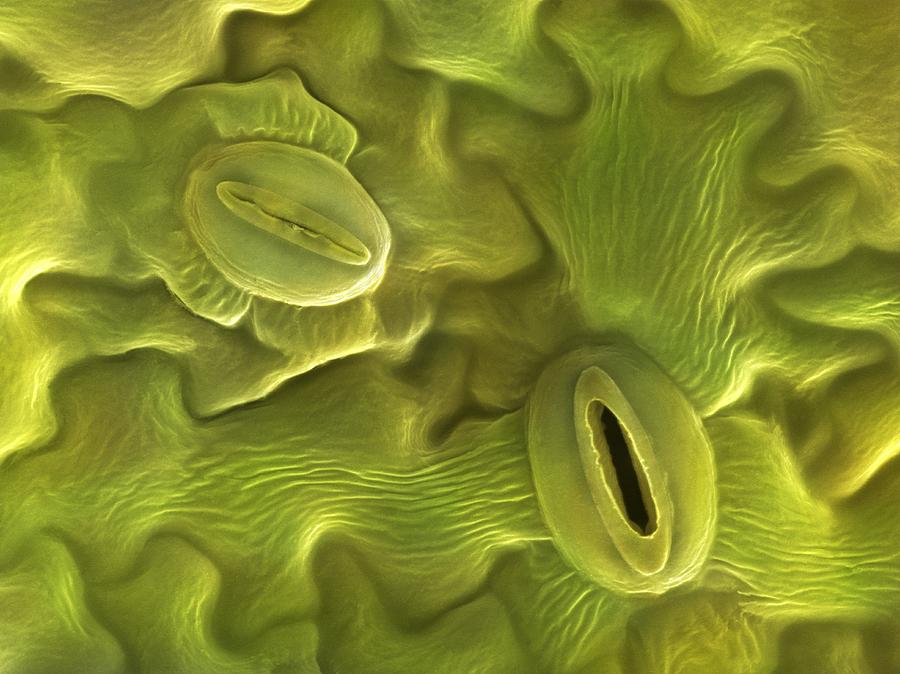
Which statement describes the phloem transport system of plants?
It transports sugar and is lignified
It transports sugar and is not lignified
It transports water and is lignified
Phloem tubes transport substances..
From the roots to the stem and leaves
From the leaves to the rest of the plant
How does water enter a plant?
through the stomata
through the roots
by active transport in root hair cells
by osmosis in root hair cells

The part of the plant
that is generally
under the ground
and in the soil
Reproductive System
Transpiration
Shoot System
Root System

The part of the plant
that is generally above the ground including stems, leaves, buds and reproductive structures
Stem System
Leaf system
Shoot system
Xylem

The tubes and support that transport water
and nutrients up, down and around in plants
Vascular System
Shoot System
Root System
Reproductive System

In general, leaves, roots, stems and flowers
Plant Systems
Plant Cells
Plant Organs
Plant Organisms

Vascular tissue (tubes) responsible for the transportation of water and minerals up from the roots and around the plant.
Stomata
Transpiration
Phloem
Xylem

Vascular tissue (tubes) responsible for the transportation of glucose down and around in a plant.
Transpiration
Xylem
Phloem
Root Hairs

The process of water movement in plants
due to evaporation out the stomata
and absorption of water through the root hairs
Active Transport
Transpiration
Stomata
Guard Cells

Pores under leaves
that allow for transpiration
and gas exchange
Xylem
Stomata
Phloem
Transpiration

Two cells that regulate the size of the stomata depending on temperature and
water conditions
Phloem
Xylem
Stomata
Guard Cells

A large number of elongated cells that
grow out from the roots. They absorb water and minerals from the soil
via osmosis.
Root Hairs
Stomata
Guard Cells
Pholem

The parts of the plant (angiosperms) involved in producing gametes (pollen and eggs) and seeds (fertilized eggs)
Shoot System
Phloem
Xylem
Reproductive System
What is one of the greatest threats to biodiversity on Earth?
habitat destruction
loss of drinking water
hunting
pollination
How does eutrophication cause the death of aquatic organisms
the build up of carbon dioxide in the water
the lack of nitrogen in the water
the lack of carbon dioxide in the water
the lack of oxygen in the water
How can an algal bloom (eutrophication) lead to a decrease in dissolved oxygen? Select all that apply.
Algae is a heterotroph and consumes more oxygen than it produces.
Decreased light penetration limits photosynthesis below the surface.
Bacteria consume oxygen as they decompose dead algae and other organisms.
Decomposes that would have produced oxygen are outcompeted by algae.

Abiotic is non-living

Which type of soil holds the least water?
silt
sand
loam
clay
New technology and farming methods began as a result of the _____________ revolution
red
blue
yellow
green
The practice of planting a nitrogen-using plant with a nitrogen-fixing plant is called
intercropping
contour farming
agroforestry
monoculture
Over use of farmland can cause a depletion in soil nutrients and can lead to
waterlogging
desertification
irrigation
intercropping
When irrigation water evaporates, salts are left behind on the soil surface and can cause plant death or lead to
soil salinization
desertification
waterlogging
monocropping
one thing done over and over without change
rotation
surplus
beneficial
monoculture
The development of large-scale industries or businesses.
principles
monoculture
industrialization
symbiosis

What best describes the image?
Monoculture
Biodiversity
The growing of multiple types of crop in one particular area
Industrial agriculture
The content of the soil, its depth and texture significantly influence agricultural activity
TRUE
FALSE
What name is given to the soil conservation technique used on steep slopes?
Terrain Cultivation
Crop Rotation/ Shifting
Terracing
Soil Creep
Primary function of stem is to
Bear and hold out leaves
Absorb water and minerals
Fixation of plant
Help in vegetative propagation
An underground specialised shoot with reduced disc like stem covered by fleshy leaves is
Bulb
Bulbil
Rhizome
Rhizophore
New Banana plants develop from
Rhizome
Sucker
Stolon
Seed
Potato tuber is modified /Edible part of potato is
Stem
Bulb
Stolon
Root
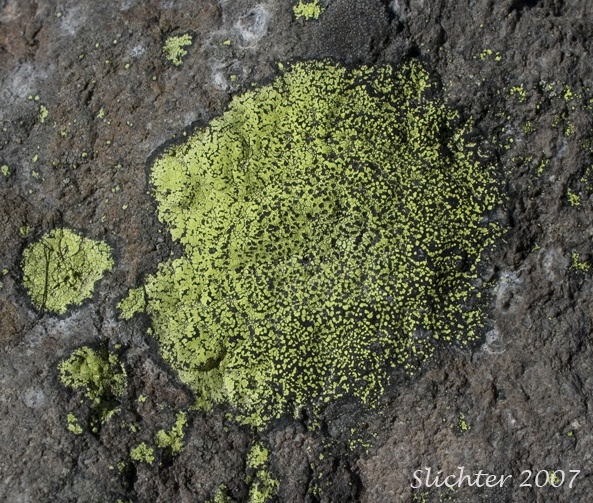
Competition occurs when organisms attempt to use the same resources
True
False
A habitat is ___________________.
the place or kind of place in which an animal or plant naturally lives.
is how plants produce their own food.
is an animal that only eats meat.
the place where only one animal lives.
A niche ________________.
is the function that an organism performs in the food web of that community.
includes everything else the organism does and needs in its environment.
is specific to each individual animal and plant.
All of the above.


Which of the following forms of biodiversity describes all of the different livable spaces in an ecosystem?
Species
Habitat
Genetic
None of the Above

Which of the following forms of biodiversity describes all of the different types of biotic factors in an ecosystem?
Species
Habitat
Genetic
None of the Above
Which of the following forms of biodiversity describes the differences between individuals within the same species?
Species
Habitat
Genetic
None of the Above

Which do you think has a higher species diversity biodiversity, a food chain or a food web?
Food Chain
Food Web

What has a higher biodiversity: a rain forest or a desert?
Rain forest
Desert
They have a similar biodiversity

What has a higher biodiversity: a temperate forest or a frozen tundra?
Frozen Tundra
Temperate Forest
They have a similar biodiversity

In general, as you move from the equator to the poles, what happens to biodiversity>
Increases
Decreases
Remains the same

Why is biodiversity in an ecosystem so important?
Because it can help humans where to determine good places to develop farm land.
Because places that have a healthy biodiversity are unaffected by major disturbances.
Because having a high biodiversity allows ecosystems to withstand major changes.
Because having a high biodiversity allows for fewer opportunities of competition for similar resources.

What happened to the biodiversity in Yellowstone national forest with the addition of wolves to that temperate forest ecosystem?
Increased
Decreased
Stayed the same

What is happening to the biodiversity of the aquatic ecosystem as a result of the Great Barrier Reef dying?
Increased
Decreased
Stayed the same
All of the different organisms interacting in a pond make up
a community
a population
the habitat
an organism
Biodiversity is greater
Near the poles
In the Tundra
In the desert
Near the equator


