
 Worksheets
99 questions, but me mastering ain't one
Total questions: 99
Worksheet time: 2hrs 6mins
Why are advantageous traits more likely to be passed onto offspring?
Because they are more likely to survive and reproduce.
Because they come from dominant alleles.
Because they come from recessive alleles.
Because the organism knew it needed that trait, survives, and passes it on.
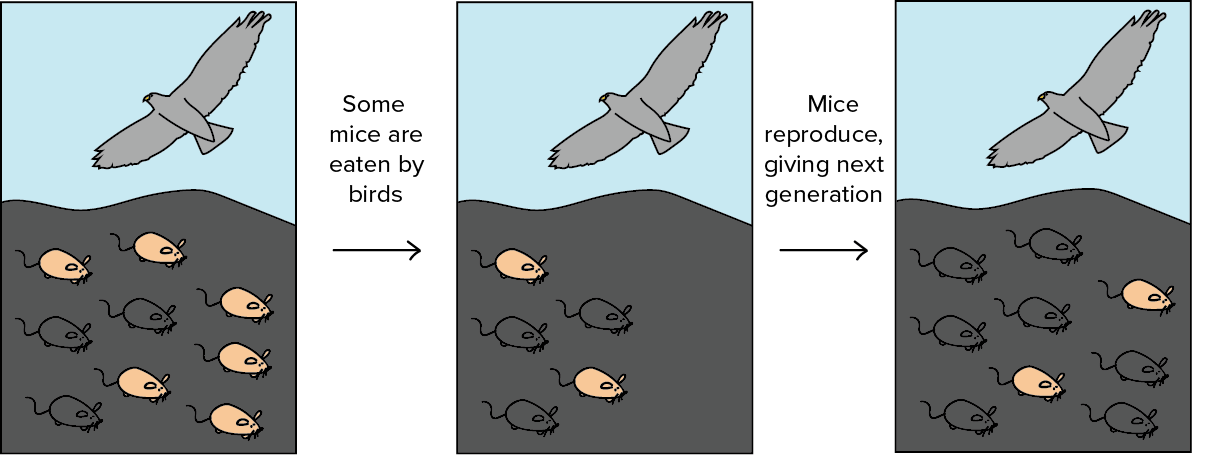
Where do adaptations come from?
The individual organism decides to adapt
Mutations that give an organism an advantage in its environment
Genetic recombination during meiosis
Both mutations and genetic recombination are sources of adaptation
Which best describes the role of mutations in natural selection?
Mutations help an organism to better survive in their environment
An organism may acquire a helpful mutation by interacting with the environment
A mutation may result in a beneficial trait that makes an organism more likely to survive and reproduce
Organisms with certain traits are more likely to win competitions for mutations

All rabbits of the same species living in a particular area would be an example of a(n)
population
species
community
ecosystem


Which layer contains the oldest fossil?
Layer 1
Layer 2
Layer 3
Layer 4
Which of the following would be an example of absolute age?
Fossil A is older than Fossil B
Fossil A and Fossil B are the same age
Fossil A is 10 million years old
Which of the following is an example of relative age
Fossil A is older than Fossil B
Fossil A is about 10 million years old
Fossil B is 2 million years old

Organisms D and C clearly lived in an aquatic (water) environment. Organism A does not look like it lived in the water. What is the most likely explanation for this?
The fossil in layer A died on land and was carried to the water
The fossils in layer C and D did not live in the same location as the fossil in layer A
The environment changed over a long period of time. It used to be under water, but is not anymore

What is a likely event that occurred between fossil layers B and D?
explosion of new species
mass extinction
can not tell from the image
small changes to the environment

Starting at layer H (at the bottom) what pattern do you notice as you move up towards layer B
organisms become more complex
random arrangement of organisms
organisms go from water only to land only
organisms become more simple

The trend for a certain type of fish is that over time, the species increases in the number of teeth they have. A new fossil is found to have 34 teeth. Use the chart to estimate the age of this fossil.
20 million years old
30 million years old
70 million years old
100 million years old

Fossil A is an ancient mollusk, an organism that needs water to survive. Why do you think that the mollusk went extinct in this particular sample of the fossil record?
When the ocean levels rose in layer 4, the mollusk went extinct because they cannot live in water
For some reason, the ocean disappeared causing the mollusk to thrive
For some reason, the ocean disappeared causing the mollusk to go extinct
When the ocean level rose in layer 4, the mollusk thrived because they need water

Which is the major difference between the Permian period and the Jurassic period?
Organisms evolved to from land animals to being able to fly
Organisms went from four legs to two
Organisms got fatter
Organisms stayed the same during these periods

The evolution of the horse is the most complete fossil record we have of a single organism. Using the picture, what can you conclude happened to the horse over time?
The horse grew larger and lost its toes
The horse shrank and lost its toes
The horse grew larger and gained toes
The horse shrank and gained toes
I have cell walls
I am an autotroph
I am multicellular
What am I?
Plant
Animal
Eubacteria
Protist
I have no cell walls
I am eukaryotic
I reproduce sexually
I am multicellular
What kingdom do I belong to?
Plant
Animal
Protist
Fungi
I am unicellular
I am prokaryotic
I am found in extreme ecosystems
What kingdom do I belong to?
Protist
Plant
Animal
Archaebacteria
What is the correct order?
Domain, Kingdom, Class, Phylum, Family, Order, Genus, Species
Domain, Kingdom, Phylum, Class, Order, Family, Genus, Species
Kingdom, Domain, Order, Class, Family, Phylum, Genus, Species
Domain, Kingdom, Family, Class, Order, Genus, Phylum, Species
What is the main difference between prokaryotes and eukaryotes?
Prokaryotes have a cell wall, eukaryotes do not
Prokayotes have a nucleus, eukaryotes do not
Eukaryotes have a nucleus, prokaryotes do not
Eukaryotes have a cell wall, prokaryotes do not
A scientific name consist of which two categories
Class and Family
Family and Genus
Genus and Species
Species and Class
I am a type of bacteria
Don't mistake me for archaea
I can be found almost anywhere
What am I?
Fungi
Protist
Eubacteria
Archaebacteria
A ________ can be used to classify organisms based on characteristics.
punnet square
phylogenetic chart
trophic pyramid
dichotomous key

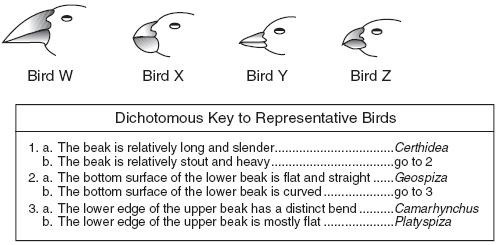
arachnids and insects?

A student discovers an arachnid without a segmented abdomen, and legs longer than its body. The student uses the dichotomous key below to identify it. Which arachnid has the student found?
Whip Scorpion
Wind Scorpion
Daddy long legs
Scorpion
A student discovers an arachnid with a segmented abdomen, long legs, and a tail with no stinger.
The student uses the dichotomous key below to identify it.
1. a) Abdomen segmented.............go to 2
b) Abdomen not segmented ......go to 4
2. a) Abdomen with tail....................go to 3
b) Abdomen without tail...............go to 5
3. a) Tail with stinger..........................Scorpion
b) Tail without stinger.....................Whip scorpion
4. a) Legs longer than body.............Daddy Long Legs
b) Legs not longer than body……….Wind scorpion
5. a) Covered with spines .......................Mite
b) Few spines.....................................Tick
Whip Scorpion
Daddy Long Legs
Mite
Tick

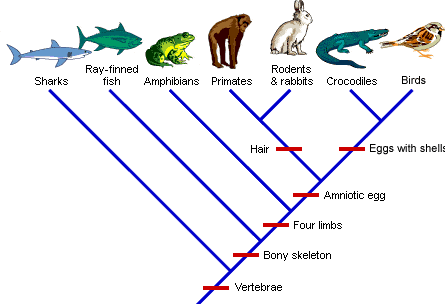
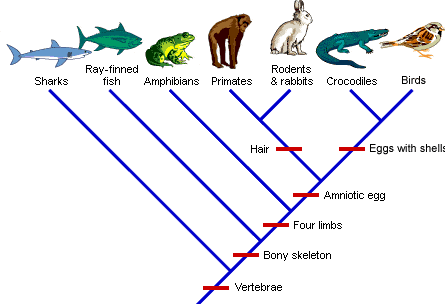
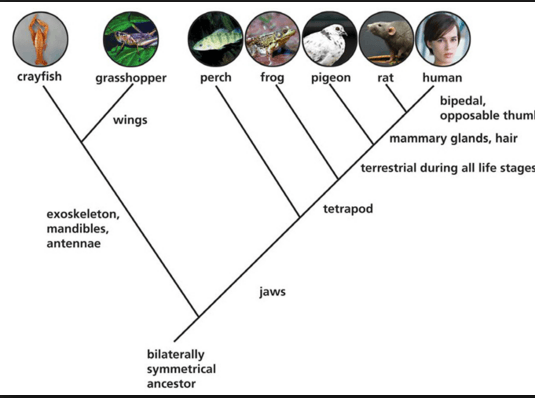

Which species is most closely related to species C?
A
B
D
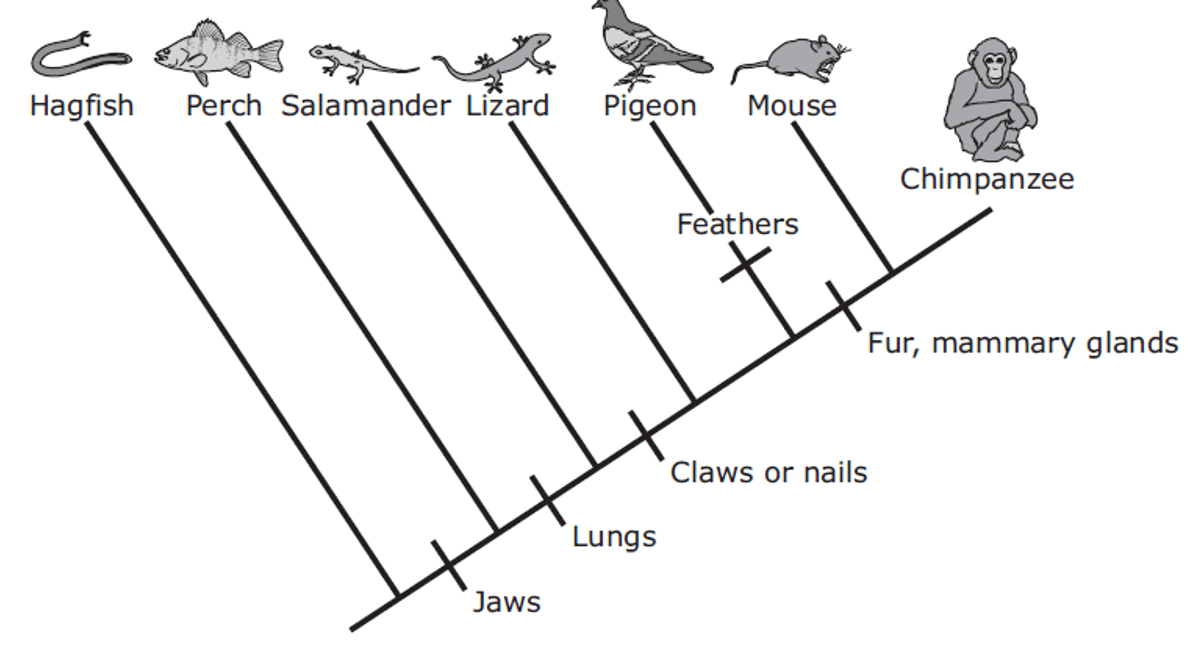
All the animals to the right of the salamander would have the common characteristic of...
Fur
Claws or nails
Lungs
Jaws

Which letter represents the most recent common ancestor of sponges and mushrooms?
A
B
C
D
E
What kingdoms have organisms that are prokaryotic? (hint: 2 correct answers)
animalia
fungi
eubacteria
archeabacteria

All of the following have a nucleus except...
Bacteria
Animalia
Plantae (Plant)
Protista (Protist)
What kingdom has organisms that feed off dead or decaying organisms?
Plantae (Plant)
Fungi
Protista (Protist)
Archaebacteria
Which kingdom is known as the "odds and ends" kingdom?
Animalia
Plantae (Plant)
Protista (Protist)
Fungi

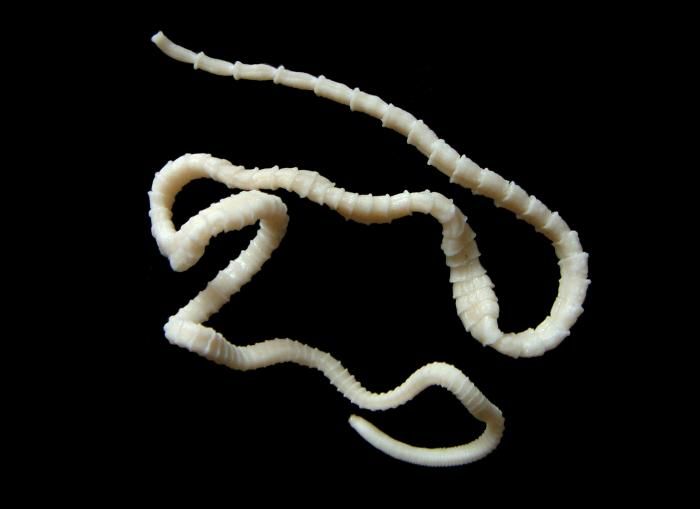
A tapeworm lives in the intestine of a cat absorbing nutrients through its skin. A tapeworm and a cat have this type of relationship.
mutualism
parasitism
commensalism
competition
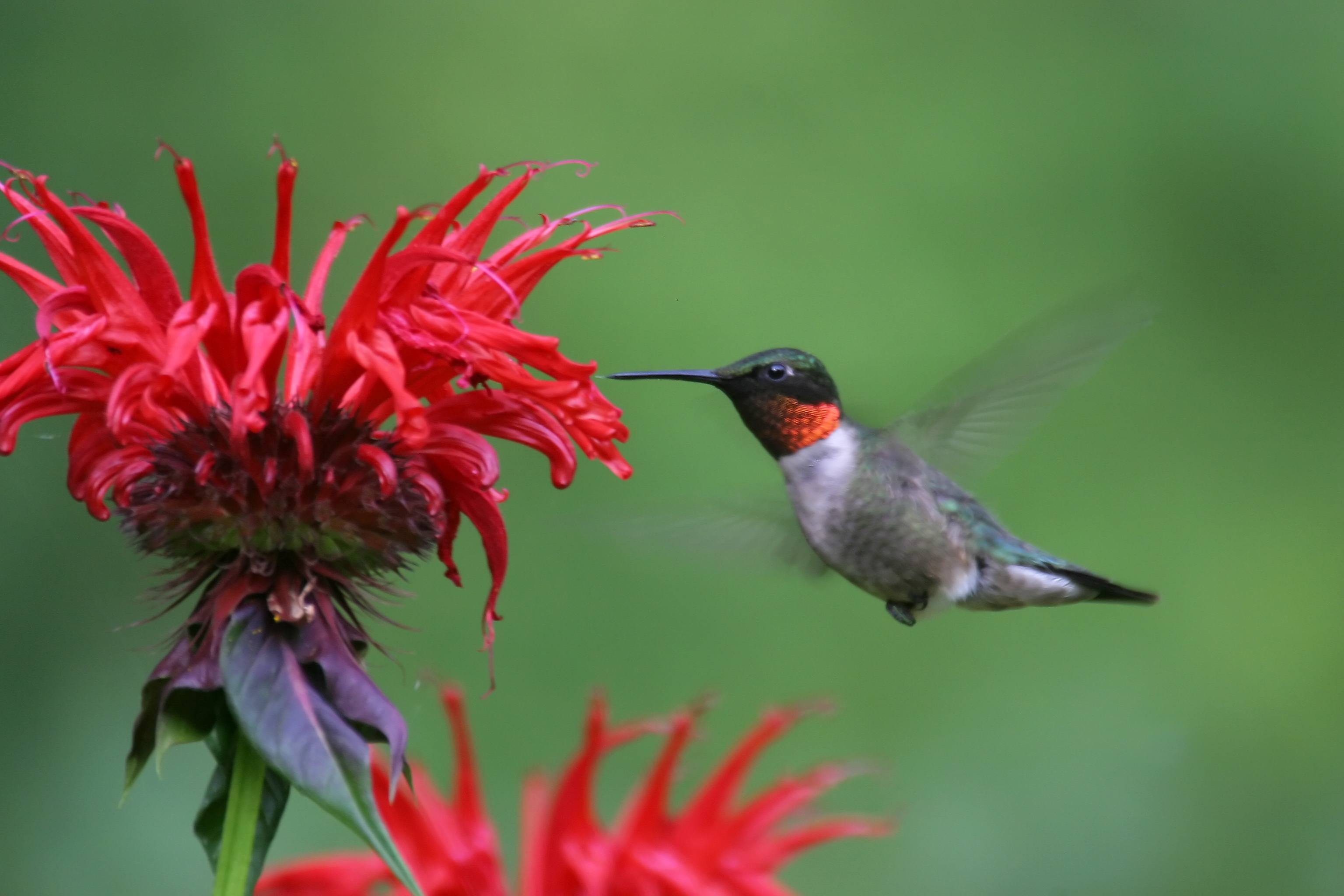
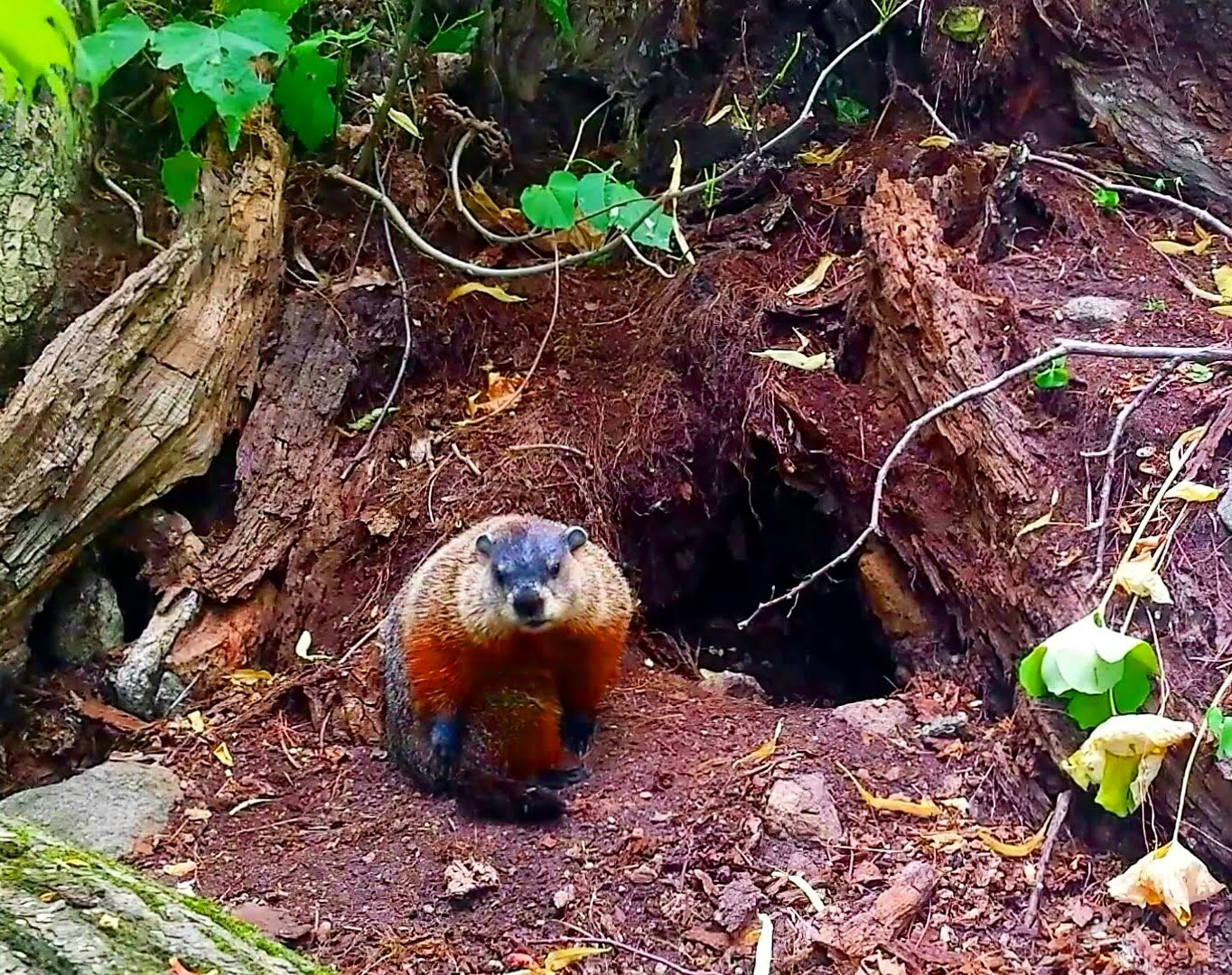
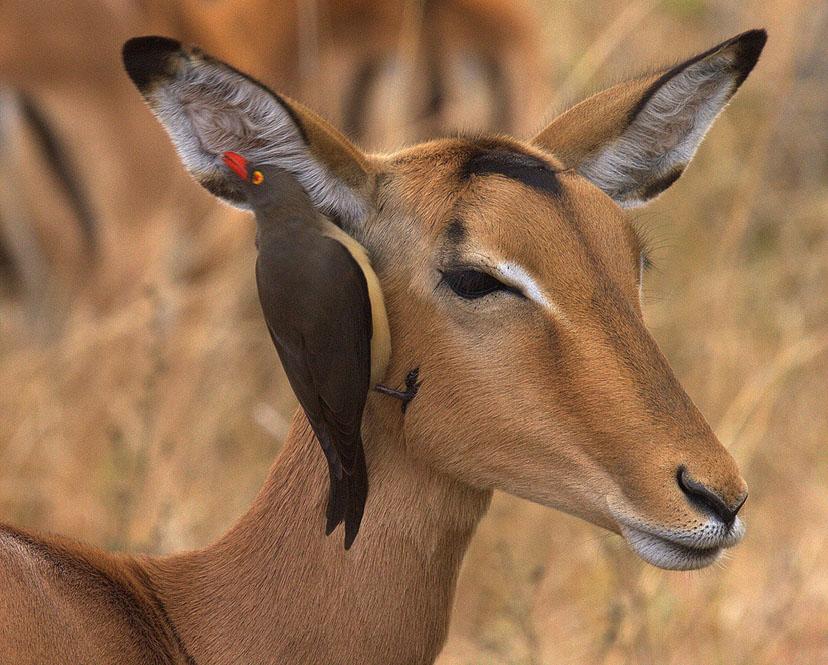

Aphids are tiny insects that live on and eat the leaves of plants, removing vital nutrients from the plants.
Predation
Parasitism
Commensalism
Mutualism

Clown fish live among anemones, acting as a lure for the sea anemone's prey. The clown fish get protection and shelter from the anemone. This is an example of which type of symbiosis?
Commensalism
Mutualism
Parasitism

In the jungles of South America lives a thorn tree call an acacia. A species of ant eats secretions of the acacia, drinks its sap, and raises its young in the hollow thorns. The ants also keep competing vines from growing near the acacia tree and they help repel any insects that would damage the acacia tree.
mutualism
commensalism
parasitism

Which of the following would be the most likely effect, if there were a sudden increase in the cricket population?
There would be a decrease in the small bird population.
There would be a decrease in the grass/flowers population.
There would be a decrease in the mice population.
There would be an increase in the grass/flowers population.


According to the diagram, which of the following both have large amounts of precipitation?
desert & tropical rain forest
seasonal forest & tundra
tundra & desert
tropical rain forest & temperate rain forest
Which of the following adaptations would you see from an animal that lives in a desert biome?
nocturnal
burrowing
both nocturnal and burrowing
none of the above

The biome shown in the climatogram above would best be described as a:
temperate deciduous forest
desert
tundra
tropical rain forest
Characteristics of this biome include: warm year round, large herbivores and predators, drought resistant plants, animals give birth during the rainy season.
tropical rainforest
savanna
desert
tundra
An animal adaptation for this biome is a change in fur color between the warmer and colder seasons.
temperate forest
tropical rainforest
taiga
none of these
If you start near the North Pole and head south to the equator what biomes would expect to come across?
tundra, then grassland, then tropical rainforest
tropical rainforest, then deciduous forest, then desert
desert, then deciduous forest, then tropical rainforest
desert, then taiga, then more desert

_________ is the amount of salt dissolved in water.
Temperature
Salinity
Nutrients
Pressure
How might an introduced plant species kill native plant species?
. Its rapid growth can deprive native plants of sunlight.
Its rapid growth can deprive native plants of food.
It can cause soil loss from erosion.
Its rapid growth can deprive native plants of oxygen.
1. Why might an introduced animal species overrun native species in an ecosystem?
. Its population size is smaller than those of native species.
. It is more energy efficient, so it eats less food.
It is a predator of the native species.
It often has no natural enemies


Which of these is one cause of deforestation?
Urbanization
Buying a Christmas tree during the holidays
Overbreeding birds in the wild
Cutting down the tree in your backyard
The threat to biodiversity that occurs when the homes of different species are destroyed
pollution
habitat destruction
overexploitation
climate change
The tundra is a vast plain with frigid temperatures and plenty of snow. Which of the following adaptations does not help the polar bear survive in the tundra.
Layers of fat for insulation
webbed toes for swimming
white fur for camouflage
total herbivorous diet


