
 Worksheets
Environmental Science Final 2022
Total questions: 150
Worksheet time: 2hrs 28mins
Which hypothesis is correctly written?
I think I will do well on my test today, because I ate a good breakfast.
If I eat a good breakfast, then I will do well on my test today.
If I eat a good breakfast, then I will earn a passing grade on my test today.
If I do well on my test today, I get to out to eat for breakfast.
Which of the following is an example of a solution to the tragedy of the commons?
Improving literacy among urban populations
Raising tax rates for large corporations
Inventing stronger antibiotics
Passing a law to set limits for fishermen

Is a rain an abiotic or biotic factor?
Abiotic
Biotic

Is soil or dirt considered biotic or abiotic?
Biotic
Abiotic

Is a pinecone considered biotic or abiotic?
Biotic
Abiotic



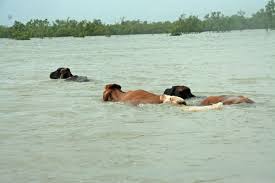
Due to severe overcrowding in an Asian village, many children do not survive to reach adulthood.
Density-Dependent: Disease
Density-Independent: Disease

What do we call the variety of life in an ecosystem?
Producer
Biology
Biodiversity
Keystone Species

A species that plays a critical role in the health, maintenance, growth, or definition of an ecosystem.
keystone
invasive
engineer
predator
Which major biome's lack of precipitation limits plant grow and is home to cacti, mesquite, white thorn, pack rats, small reptiles, birds, antelope, lizards, fox, snakes, bob cats and coyotes?
desert
taiga
tundra
grassland
grasses and scattered trees adapted to a tropical wet and dry climate
taiga
tundra
temperate deciduous forest
tropical grasslands


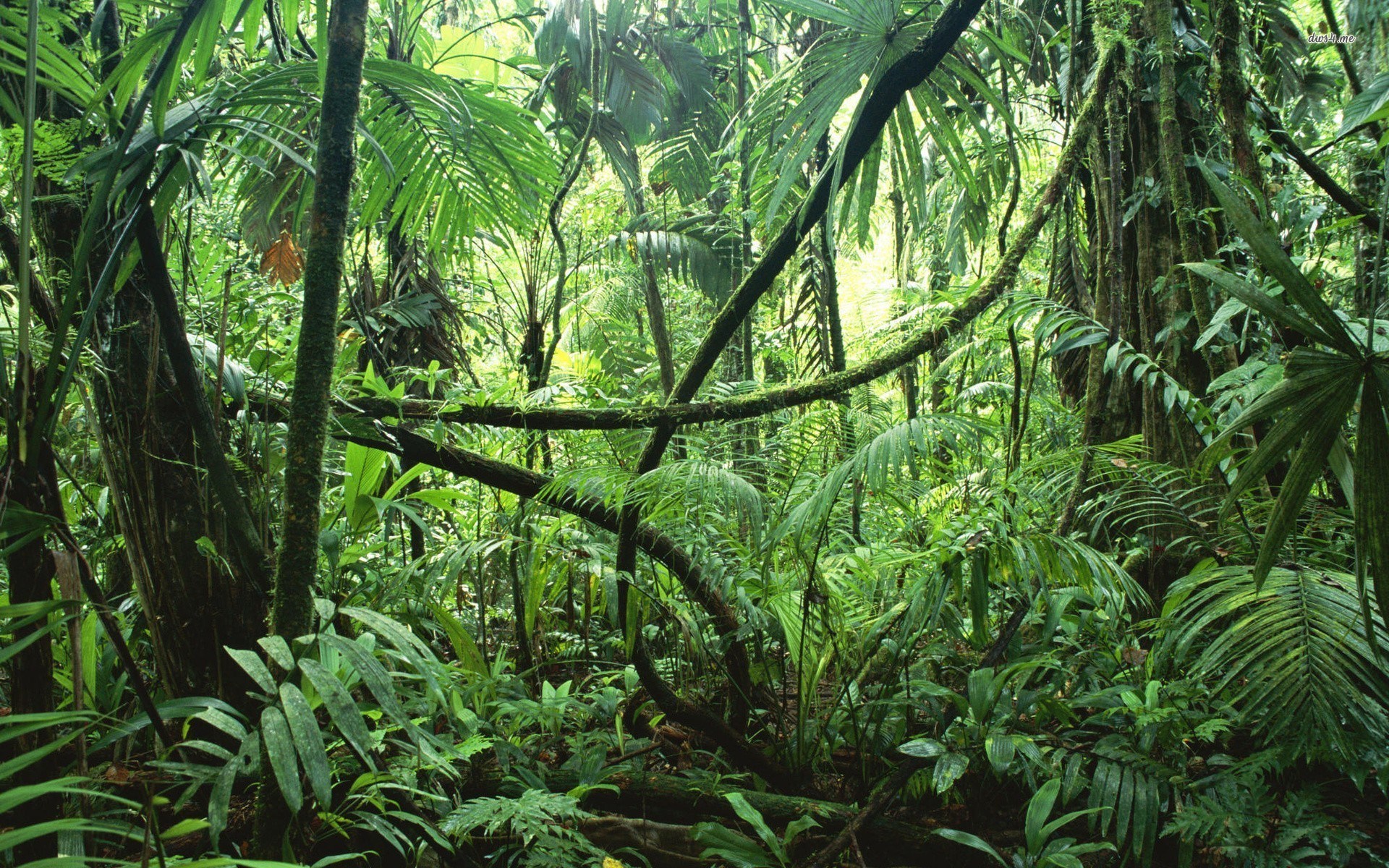

Which biome has the highest biodiversity?
Tropical rainforest
Temperate forest
Desert
Taiga

Identify the cycle pictured
The Nitrogen Cycle
The Water Cycle
The Carbon Cycle
The Phosphorous Cycle
How does carbon dioxide leave the atmosphere and become part of the food chain?
through transpiration
through photosynthesis
through factory emission
sunlight
how do animals get the carbon they need?
decomposing
combustion
eating plants
breathing it in
What is one way that carbon dioxide can be put back into the atmosphere?
sunlight
burning of fossil fuels
ocean currents
rain
How does nitrogen become part of the food chain?
through transpiration by plants
through uptake of nitrogen compounds in the soil by plants
through factory emission and combustion of fossil fuels
sunlight changes nitrogen into usable forms
Nitrogen in the atmosphere is not available. Free nitrogen has to be changed into a usable form in a process called ____
nitrogen fixation
transpiration
photosynthesis
cellular respiration
How is nitrogen "fixed" into a usable form for plants?
Through action of bacteria only
Through lightning only
Through action of bacteria and lightning
Through photosynthesis


Precipitation means...
water vapor cooling to form clouds
water running downhill
water falling from the sky
water heating up and rising as gas

This is NOT a part of the phosphorus cycle.
Phosphate is incorporated into sedimentary rocks
Phosphate bound to soil
Atmospheric phosphate
Phosphate is absorbed from the soil by plants
Too much phosphorus in waterways (rivers, lakes) can lead to___________.
eutrophication
nothing
decreased pH levels
diseases

Which experiences the least change over time?
Pioneer Species
Primary Succession
Aquatic Succession
Climax Community
What best describes the term succession?
rapid changes that create an ecosystem overnight
gradual changes over time to fully create or restore and ecosystem
forest with the tallest trees
the rate species produce offspring
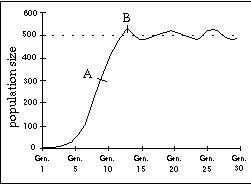
Anything that restricts the size of a population is a ________________________.
biotic potential
carrying capacity
species
limiting factor

All of the elephants that live in this area at the same time make up a _____________________.
ecosystem
community
population
biosphere


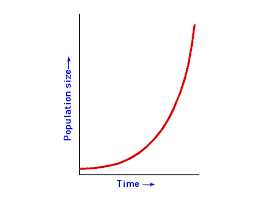

The average number of individuals of the same species per unit of surface area at a given time is the ……………………
population density
population growth
population birth rate
population size


A pack of wolves that live and move together are an example of what type of dispersion?
territorial
clumped
uniform
random

How would you describe the population of this country?
They are experiencing stable population growth
They are experiencing negative population growth
They are experiencing rapid population growth

How would you describe the population of this country?
They are experiencing stable population growth
They are experiencing rapid population growth
They are experiencing negative population growth

Describe the likely death rate of this country.
This country has a low death rate
This country has a high death rate
This country has many old people
Very few people die in this country

What population is displayed on the RIGHT side of this pyramid?
Children
Women
Men
Elderly

Describe the healthcare of this country.
Good healthcare available to most
Good healthcare available to some
Poor healthcare for all
Poor healthcare for most
A graph that shows the number or proportion of individuals surviving to each age for a given species or group.
survivorship curve
exponential
linear
logistic

Describes organisms with a high death rate (or low survivorship rate) immediately following birth. Examples include bacteria, fish, and invertebrates.
Type I
Type II
Type III
Type IV
Survivorship curve represented with low death rates during early and middle life, then an increase among older age groups, a good example are humans.
type I
type II
type III
type IV
Survivorship curve represented by a death rate that is constant over organism’s life span, squirrels and songbirds are good examples.
type I
type II
type III
type IV

What age groups does the bottom of a population pyramid represent?
The elderly
The working adults
The children
Males

Which growth rate does this population pyramid represent?
Slow Growth
Zero Growth
Rapid Growth
Negative Growth


According to this graph, Which stage of the demographic transition has the highest level of population growth?
pre-industrial
transitional
industrial
post-industrial

The human population is now about
300 million
1.3 billion
7.9 billion
12 billion
As a population (especially females) gains access to better health care and higher education, we would expect the RATE of population growth to
increase.
decrease.
stay the same.
Education does not affect population growth
Wolves were reintroduced to Yellowstone National Park in 1995. This keystone species restored the park’s ecosystem. What is the ecological value of a keystone species?
they influence the survival of many other species in an ecosystem.
they prevent the ecosystem from changing and growing.
they protect land and water resources within the ecosystem.
They decrease the number of unwanted species in an ecosystem.
Sometimes when a bee pollinates a flower, this action is beneficial to humans. Bees are the main pollinators of many plants that humans eat, such as blueberries, potatoes, apples, celery, and strawberries. What are the benefits that humans receive from the ecosystem called?
ecological restoration
sustainability
ecosystem services
ecology
A species that is at serious risk of extinction is called
a threatened species
an endangered species
an invasive species
a native species
What is the biggest threat to biodiverity?
climate change
littering
habitat destruction
pollution
An area with a great amount of biodiversity is called
a tundra
a diversity center
a biodiversity hotspot
Endemic species are
Rare species
Species localized in a specific region
Cosmopolitan in distribution
None of these

Which community has a greater species richness?
Community A
Community B
They both have equal species richness
Two of the most biodiverse places on the planet. (choose both).
tropical rainforest
coral reef
alpine forest
tundra
Invasive species alter the ecosystem by _____ in number quickly. This leads to _____ food for the native species.
increasing, less
increasing, more
decreasing, less
decreasing, more
The particular role (job) of an organism in its environment, including types of food it eats, how it obtains its food and how it interacts with other organisms is called a ---
Niche.
Habitat.
Home.
Ecosystem.
Which of the following could be caused by the increased temperatures of heat islands?
Decreased littering
Increase in urban sprawl
increase in air pollution and electricity used
Decreased need for open spaces
Which type of land is mainly used for raising livestock and grazing?
Forest land
Rangeland
Farm land
Wilderness
Areas of potential hazardous waste and pollution
Greenbelt
Suburbs
Brownfield
Farm lands
Land used for recreation, scenic, enjoyment, and for preserving native animal and plant communities and ecosystems
Rangeland
Parks and preserves
Wetlands
Farmland
What is the goal of smart growth?
To produce a higher yield of crops
To increase urban sprawl
To build urban areas across more land
To preserve farms and open spaces around cities
Urban areas increase pollution through all of the following except
Vehicle emissions
Burning fossil fuels
Sewage disposal
Public transport
What was the main reason Rachel Carson wrote Silent Spring?
To present a thesis.
To call for attention to the villagers of her town.
The massive use of synthetic chemical pesticides after WWII.
To investigate the harms of plastic.
What was the consequence of her book, Silent Spring?
She was attacked by the chemical industry.
She won an award in literature.
She won a Nobel Prize
She destroyed a complete industry.
In which state was Rachel Carson born?
Maryland
Texas
New York
Pennsylvania
Extensive agriculture can be described as
using high amounts labor, resources and irrigation
using low amounts of labor, resources and irrigation
occurring outside
occurring in greenhouses
Where is intensive agriculture most commonly practiced?
The U.S. and Western Europe
China
Southern Africa
The Amazon Rainforest

Measurements of carbon dioxide concentrations in the air taken over the past decade have shown a ____.
leveling off. (stopping the increase)
slow increase.
steady decline.
dramatic increase.
Which of the following government agencies is responsible for the Clean Air Act?
the USGS
the USDA
the EPA
the USDOJ

The general term for air pollution that reduces visibility, especially in cities.
atmospheric transport
pollution
smog
wet scrubber
Which is NOT caused by acid rain?
damage to statues
dying fish
spread of disease
weakened trees
What is the main cause of air pollution?
plowing fields and releasing dust
using solar power
burning fossil fuels
using water power
Pollution traced to a single point
water shed
permeable
point source pollution
non-point source pollution
Pollution that cannot be traced to a single point because comes from many sources
estuary
water shed
non-point source pollution
point source pollution
The land that water flows across or under on its way to a stream, river, or lake is called...
conservation
land form
runoff
watershed
largest watershed in the United States
Chesapeake Bay Watershed
Mississippi River Watershed
Susquehanna River Watershed
Turri River Watershed
Number of watersheds in Pennsylvania
4
67
6
13
What is NOT true about an aquatic macroinvertebrate?
The presence of only pollution tolerant macroinvertebrates like aquatic worms and black fly larva indicates
good quality water
poor quality water
fair quality water
swimming pool water
In what stage of their life cycle are most of the organisms we caught during kick netting?
pupa
alevin
adult
larvae

Acid mine drainage is the result of
ash and air debris creating acid rain
boulders and debris blocking the flow of rivers/streams
toxins from water in mines drain into streams
minerals from mining being left behind creating pollution

Indiana, PA is a part of all of the following watersheds EXCEPT
Blacklick Creek Watershed
Ohio River Watershed
Susquehanna River Watershed
Twolick Creek Watershed
Acid mine drainage is the result of
ash and air debris creating acid rain
boulders and debris blocking the flow of rivers/streams
toxins from water in mines drain into streams
minerals from mining being left behind creating pollution
What is the pH of water found in a healthy stream?
1-2
3-5
6-8
10-12
What is one example of Biomass?
Electricity
Trees
Wind
Water
Which example is NOT a renewable resource?
Trees
Wind
Solar
Uranium (Nuclear)
What is one disadvantage of coal?
Coal produces air pollution.
There isn't a lot of coal left which makes it expensive.
The world isn't using a lot of coal which makes it an undesirable job.
You can only use it to roast hot dogs and cook hamburgers.
All are examples of Nonrenewable energy sources EXCEPT...
Coal
Petroleum
Hydropower
Uranium (Nuclear)
What is one disadvantage of renewable energy?
Electricity and power could become much cheaper.
Third world countries could have affordable energy.
Many people could become energy independent.
Most sources are expensive to get started.
How is geothermal energy harvested? (How do we get it?)
solar panels collect the sunlight.
The heat from the earth boils water to create steam.
We pump it from the earth and refine it into gasoline.
We drill for it and burn it like coal or wood.
What is one disadvantage of using hydropower?
Hydropower is a renewable energy resource. There are no disadvantages.
The power is used as electricity to power large buildings instead of homes.
Building dams can damage natural wildlife and water systems like lakes and rivers.
Most of the time there isn't enough water power to create electricity.
What can you infer about fossil fuels from their name?
They emit harmful gases when burned.
They've been buried in the earth's crust for millions of years.
They're the most abundant energy source on the planet.
They're used to make gasoline.
.Which of these is an example of biomass energy?
A coal-burning generator
A wood-burning stove
A gasoline-burning automobile
An automobile that operates on fuel cells
How is natural gas different from coal?
Natural gas is a renewable resource; coal is a fossil fuel.
Natural gas is a form of petroleum; coal is extracted from coal deposits.
Coal is a form of petroleum; natural gas is emitted by volcanoes.
Coal is a fossil fuel; natural gas is a renewable resource
Which of these is an advantage of fossil fuels?
You can extract them without complicated machinery.
They are relatively inexpensive to produce.
Burning them does not have any negative side effects.
There is an unlimited supply of them.
How do wind turbines affect the environment.
Birds and bats may be injured.
Cuts the clouds which affects the water cycle.
Hits trees around them which blows up the wind turbine.
They are perfect for the environment.
Wind energy is considered renewable because:
wind turbines can be easily replaced
no carbon dioxide or water vapour is produced during operation
no waste heat energy is produced
there is a continuing supply of wind energy
Which of the following is NOT a benefit we derive from our dams and reservoirs?
Recreation
Flood management
Irrigation
Endangered species protection
Hydropower

