
 Worksheets
Biology Final Exam Review
Total questions: 105
Worksheet time: 2hrs 45mins

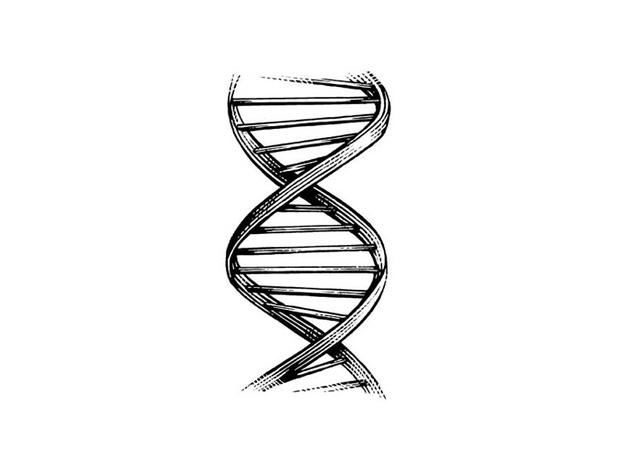
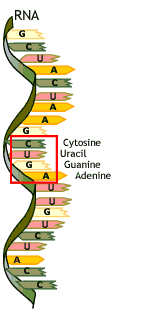

DNA holds the code for making
lipids
carbohydrates
proteins
sugars
Choose the sequence of the mRNA strand that would be match up with to the following strand:
GTAGTCA
UATUAGA
ACGACTG
CAUCAGU
CATCAGT
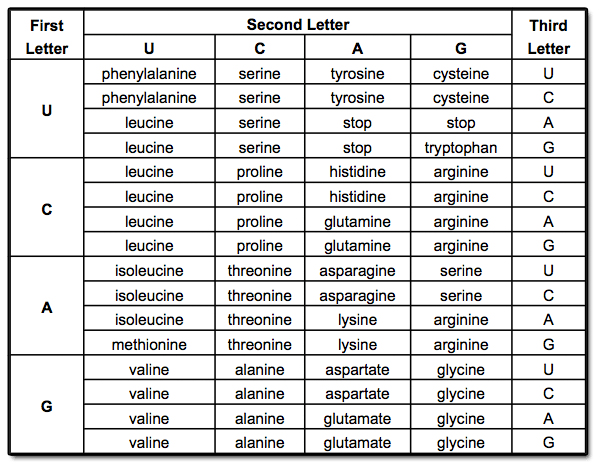

What is the correct amino acid sequence for the mRNA code AUGCCAGUAUGA
Met-Pro-Ala-Val
Met-Pro-Val
Tyr-Gly-His
Tyr-Gly-Arg-His
Which is the mRNA molecule that would be created from this DNA template:
TGGCAAGTACGT
ACCGTTCATGCA
UGGCAAGUACGU
UCCGUUCUUGCU
ACCGUUCAUGCA

True or false, evolution happens when an individual organism starts changing itself to adapt to its environment. For example, an adult polar bear might start swimming more so it can handle the melting of the polar ice caps.
false, if it had a cub that could swim better due to longer legs or more buoyant bone structure, this could become a more common trait.
True, evolution happens due to changing individuals
maybe, if it chose to.
I wish I had a pet penguin
When organisms are better adapted to their environment they will survive and reproduce more successfully than organisms less adapted. This process is called what?
Selective breeding
Natural Selection
Cloning
Evolution of all species

Scientists have collected millions of fossils of different organisms, and have developed a timeline of life on Earth. What do we call this?
Mutation
Natural Selection
The theory of evolution
Fossil Record

Sometimes bones in the front limbs of animals are very similar in structure. What do we call similar bone structures that indicate a link to a common ancestor?
Adaptations
Gradualism
Homologous Structures
Extinction
A physical or behavioral trait that helps an organism survive and reproduce in its environment is called a what?
An adaptation
A response to a stimulus
A mutation
Evolution
What most likely caused the finches on the Galapagos Islands to have beaks that were different from the finches on the mainland?
There were different types of predators on the island.
There were different types of food available on the island.
The finches had no water to drink.
The finches on the mainland could not fly high enough.
When looking at two birds of the same species, you notice that one has darker feathers than the other one. You also notice that one has a beak that is just a little longer. These slight differences within members of the same species are called.....
Fossils
Extinction
Meiosis
Variations
What is the study of organisms at the early stages of development?
DNA studies
Comparative Embryology
Extinction
Fossil Record
What do we call a change in a species over time?
Adaptation
Evolution
Extinction
Environmental influences

In relative dating, which later is the youngest?
top
middle
bottom
they all have the same age

In the model are rock strata and fossils. The fish fossil is in the first layer of the rock strata, is this the youngest or oldest fossil in these rock strata layers?
Youngest
Oldest

Scientists theorize that the ancient horse on the left is related to the modern horse on the right. The scientists theorize that the horse has gone through many changes over time. How did the scientists conclude that the animal changed over time?
by examining fossil records
by learning about natural selection
by studying deposition of sediments
by observing different types of rock formations
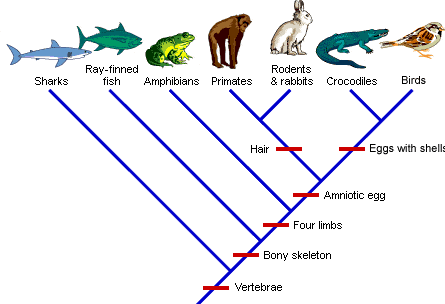


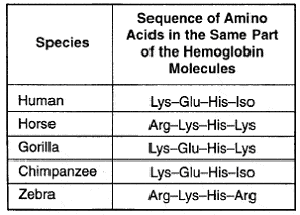
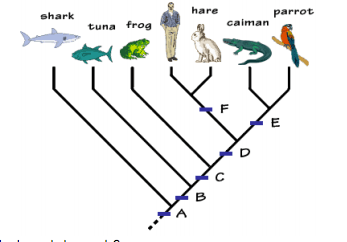
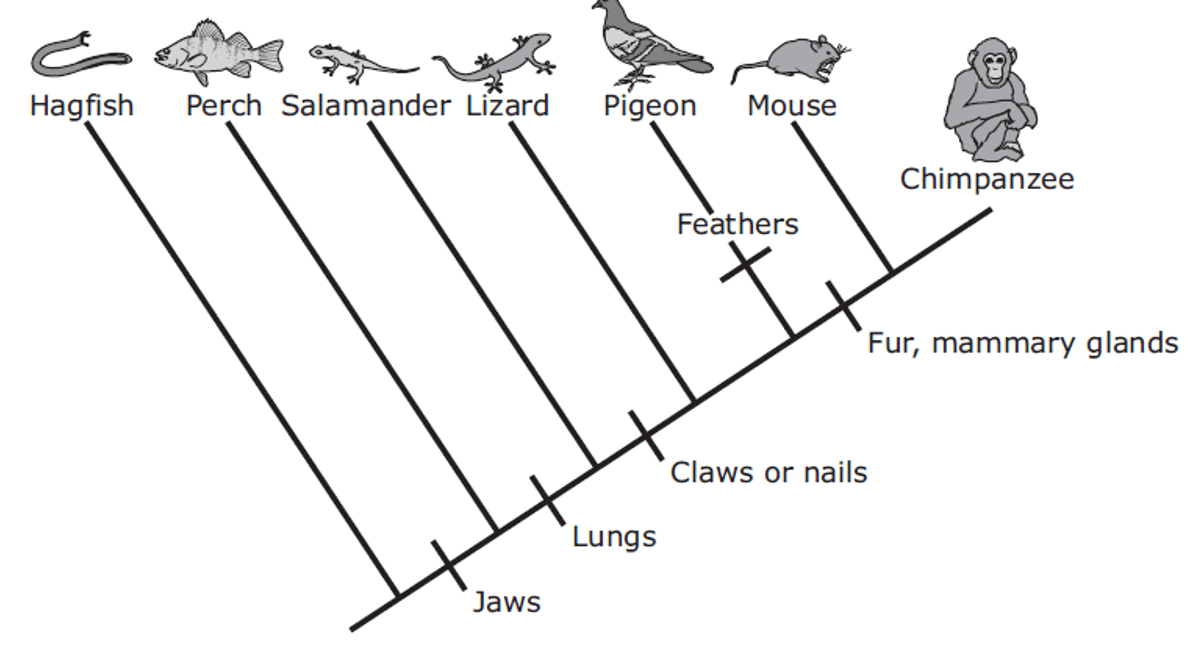


Which statement is true about viruses?
Viruses can eat and metabolize food.
Viruses can reproduce only using a host cell.
Viruses can reproduce on their own at any time.
Viruses contain DNA, so they are alive.
Which of these is characteristic of both viruses and bacteria?
They get their energy from their environment.
They can reproduce on their own.
They can form crystals and become dormant.
They contain proteins and nucleic acids.
Bacteria come in which of the following shapes?
rod, cone, spiral
rod, sphere, spiral
rod, sphere, cone
sphere, cone, spiral
Which of the following is true?
Viruses and bacteria are both prokaryotes.
Bacteria are eukaryotes and viruses are prokaryotes.
Some bacteria are prokaryotes and some are eukaryotes.
All bacteria are prokaryotes.

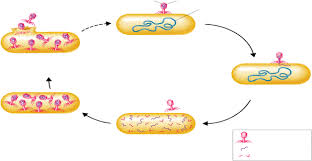
Which viral life cycle kills its host cell by lysing (bursting)?
Lysogenic Cycle
Lytic Cycle
Binary Fission
Conjugation

What is the name of this virus
Capsule
Helical
Bacteriophage
Teva (my dog)
A viruses are considered
Living
Non-living
Viruses require a host cell to
Breathe and eat
Replicate
Move and sleep
Make protein and carbohydrates

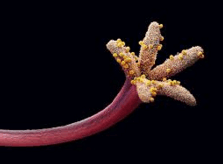
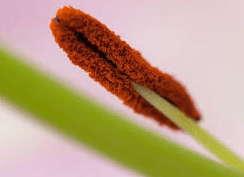

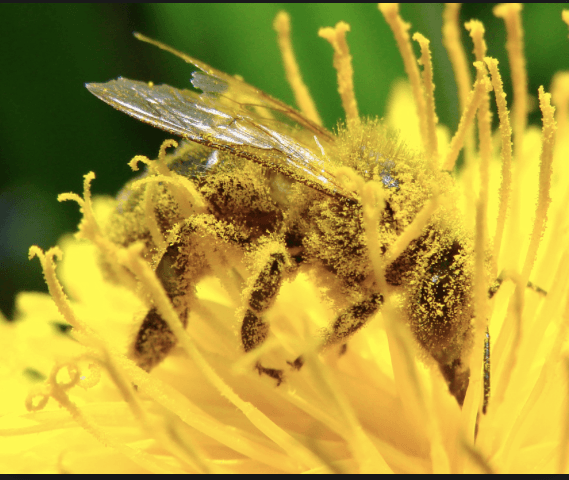

Supports the flower, also serves to transport water and food
Filament
Pistil
Stem
Style
the part of the ovary of seed plants that contains the female germ cell and after fertilization becomes the seed.
Ovule
Style
Stamen
.Pistil

A tropism is...
a change in the environment
plant movement in response to a stimulus
something that causes a response
when photosynthesis takes place

What is the stimulus in this example?
Internal
Light
Touch
Temperature

Roots of a tree growing towards the water line of a house.
Geotropism
Phototropism
Thigmotropism
Hydrotropism

A plant growing in response to a greenhouse light.
Geotropism
Phototropism
Thigmotropism
Hydrotropism

Venus Flytrap flower reacts to a bug.
Thermotropism
Negative Geotropism
Thigmotropism
Hydrotropism
What is thigmotropism?
The movement of plants in response to touch
The movement of plants toward the sun
A prokaryote's movement inside the bloodstream
The movement of plants in response to gravity
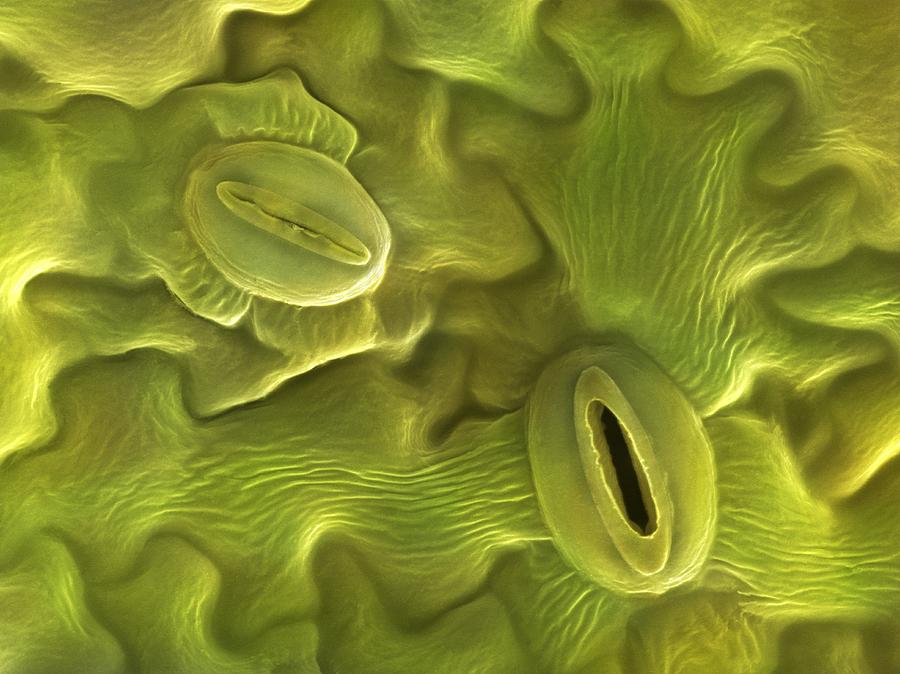

#1 - outermost layer and not made of cells; helps regulate water loss.
Epidermal cells
Palisade cells
Xylem cells
Waxy cuticle
#6 - porous opening in the bottom of the leaf that allows for gaseous exchange
Pallisade mesophyll
Spongy mesophyll
Stomata
Vein
What body system takes nutrients and oxygen to and carbon dioxide and waste from the cells?
circulatory system
nervous system
digestive system
respiratory system
What body system breaks down food?
circulatory system
nervous system
digestive system
respiratory system
What body system controls movement of the human body?
circulatory system
nervous system
digestive system
respiratory system
What body system takes oxygen into the body and gives off carbon dioxide?
circulatory system
nervous system
digestive system
respiratory system
The digestive system is made up of which of the following organs?
brain, nerves and spinal cord
trachea, lungs and heart
esophagus, stomach, small intestine and large intestine
mouth, brain, and large intestine
The _______ is the basic building block of the human body.
organ
cell
tissue
system
The respiratory system is made up of which of the following organs?
brain, nerves and spinal cord
cells, lungs and heart
esophagus, stomach, small intestine
mouth, nose, trachea, lungs
The circulatory system is made up of which of the following parts?
brain, nerves and spinal cord
cells, lungs and heart
heart, blood vessels and blood
skin, tissues and muscles
The nervous system is made up of which of the following organs?
brain, nerves and spinal cord
cells, lungs and heart
heart, blood vessels and blood
skin, tissues and muscles
How many chambers does the human heart have?
1
2
3
4

