
 Worksheets
Yr 8 big energy quiz
Total questions: 110
Worksheet time: 6hrs 30mins
Potential energy is...
energy in motion
stored energy
What two factors affect an object's potential energy?
area and volume
area and height
mass and height
mass and velocity

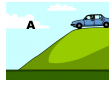
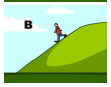
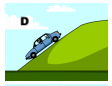
The least amount of potential energy is at
a
b
c
d

The most potential energy is at
a
b
c
d

Where would a person have to be located to have the minimum potential energy?
up on the roof
down in the basement
in the middle
outside

Where would a person have to be located to have the maximum potential energy?
up on the roof
down in the basement
in the middle
outside

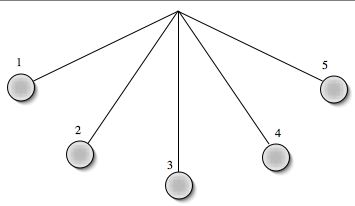
Which object will have the largest value for its potential energy?

Select all which are action energy
heat
light
sound
elastic
electric
Select all which are potential energy
kinetic
electrical
gravitational
nuclear
heat
The law of conservation of energy is:
Energy can be created or destroyed
Energy cannot be created or destroyed
Energy can be used up and created
Energy is always changing
chemical energy is...
stored in springs
stored above the ground
stored in food
stored in batteries
stored in a stretched rubber band
True or false - the total amount of energy in the universe is always changing
true
false
wasted energy is...
energy that goes away and is destroyed
energy that we use
energy that is not transformed into a useful form
the extra energy used when you leave the lights on
The type of energy stored in a stretched spring is....
electrical energy
heat energy
kinetic energy
elastic energy
sound energy
They type of energy stored in a ball lifted above your head is...
action energy
kinetic energy
gravitational energy
heat energy
chemical energy
Useful energy is...
(select all that are correct)
energy for operating a device
energy that does something
heat and light
energy that does something useful
energy that does not do anything useful

Select all types of energy involved in jumping on a trampoline
elastic
nuclear
kinetic
gravitational
light
What is the energy stored in food?
heat
light
electrical
chemical
kinetic

You run an experiment about the period of a pendulum. Select reasonable independent variables
Mass of the bob
Length of the string
The time taken for a full string
The angle of release
The height off the ground (floor vs desk

The energy transformation moving from the top to the bottom of a roller coaster is...
Kinetic (potential energy) -> Gravitational (action energy)
Kinetic (action energy) -> Gravitational (kinetic energy)
Gravitational (action energy) -> Kinetic (potential energy)
Gravitational (potential energy) -> Kinetic (action energy)
The energy transformation when burning a potato chip is...
heat energy (potential energy) → chemical energy (action energy) + light energy (action energy)
chemical energy (potential energy) → heat (action energy) + light (action energy)
chemical energy (action energy) → heat (action energy) + light (action energy)
heat energy (potential energy) → light (action energy)
The energy transformation in a pendulum is...
gravitational -> kinetic
kinetic -> gravitational
kinetic -> heat
gravitational -> heat
The WASTED energy of a light bulb is...
light
electrical
heat
sound
The useful energy of a laptop is....
Light
Sound
Gravitational
Heat
Electrical
Energy is measured in...
millilitres
degrees Celsius
kilojoules
grams
The energy transformation of a lightbulb is
heat -> light + sound
electrical -> heat
heat -> light + electrical
electrical -> heat + light
The energy transformation in a car is
chemical -> kinetic + heat + sound + light
kinetic -> sound
electrical -> kinetic + gravitational
chemical -> kinetic + electrical
The energy transformation when a ball is dropped is
kinetic -> gravitational
chemical -> kinetic
gravitational -> kinetic
height energy -> sound energy
True or false - the sun provides all of the earth's energy
True
False
Light, Sound, Heat (or thermal), Kinetic, Electrical are examples of...
potential energy
action energy
Energy due to the motion of an object is called
movement energy
gravitational energy
kinetic energy
elastic energy
An action energy that travels in waves. Waves of different frequencies will appear in different colours. E.g. sunlight which is how plants get their energy.
heat
light
sound
kinetic
The unit of energy is....
metres
minutes
kilojoules
grams
When a bicycle screeches to a stop, its kinetic energy is transformed mostly into
heat and sound
potential energy
sound energy
heat and light
The faster an object moves...
The more potential energy it has
The more kinetic energy it has
The faster it vibrates
The cooler it gets
Which object has the greatest elastic potential energy?
A boy on a trampoline who is touching the mat but has not yet bounced
A girl who has stretched a hair elastic 20 cm
A boy who has dropped a ball from a height of 1 metre
A girl who has bounced and has risen into the air by 150 cm
Which object has the highest gravitational potential energy?
A boy on a trampoline who is touching the mat but has not yet bounced
A girl who has stretched a hair elastic 20 cm
A boy who has dropped a ball from a height of 1 m
A girl who has bounced and has risen into the air by 150 cm

Which globe is the MOST energy efficient
1
2
3
4
Which globe is the LEAST energy efficient
1
2
3
4
It takes 6kJ/minute of energy to sit in class quietly. How much energy is used during a 70 minute lesson
11mins
420kJ
11kJ
420mins

A student makes a peanut butter sandwich using 2 slices of white bread and 2 tablespoons of peanut butter. How much energy does this sandwich contain?
(a)
30 minutes of walking a dog burns 312 kilojoules. How many minutes of walking are needed to burn the energy in a mars bar? (round to to the nearest whole number)
(a)
Cycling for one hour burns 1595kJ. How much energy would a person use if they cycled for 30 minutes
(a)
Cycling for one hour burns 1595kJ. How much energy would a person use if they cycled for 3 hours?
(a)
1 minute of jogging burns 24 kilojoules. How much energy would 20 minutes of jogging use?
(a)
250mL of juice contains 450kJ. How much energy is in 50mL of juice?
(a)
A 300mL bottle of coca-cola contains 540kJ. How much energy is in 100 mL of coca-cola?
(a)
An iced coffee from a cafe contains 2210 kJ. 1 minute of jogging uses 24 kilojoules. How many minutes of jogging are needed to use all the energy in an iced coffee?
(a)
3 chocolate cookies contain 583 kilojoules. How much energy is in one single chocolate cookie?
(a)
A large fries from McDonalds contains 1530 kilojoules. 1 minute of walking your dog uses 10kJ. How many minutes of walking the dog would it take to use all the energy in a large fries?
(a)
1 cupcake contains 778 kilojoules. If you cut the cupcake in half and only ate half, how much energy would you be consuming?
(a)
In the burning of fireworks during New Year displays, chemical potential energy is converted into:
heat, light and sound energy.
light and sound energy.
sound and heat energy.
gravitational potential energy and light.
The energy needed to make a car move along a flat road, to launch a rocket into outer space and to operate a small calculator is converted from:
kinetic energy
chemical energy
elastic potential energy
gravitational potential energy

Which graph most closely describes where the skater is?


Which graph most closely describes where the skater is?

Which graph most closely describes where the skater is?

Which graph most closely describes where the skater is?
The law of conservation of energy states that energy cannot be__________________
transformed or transferred
created or destroyed
used or wasted
input or output
Input energy is...
How well a device converts input energy into useful energy
Energy that is not used for something useful/ something we want
Energy that is used for something useful
Energy that goes into a device/ process
The law of conservation of energy states that energy cannot be__________________
transformed or transferred
created or destroyed
used or wasted
input or output
Input energy is...
How well a device converts input energy into useful energy
Energy that is not used for something useful/ something we want
Energy that is used for something useful
Energy that goes into a device/ process
Useful energy is...
How well a device converts input energy into useful energy
Energy that is not used for something useful/ something we want
Energy that is used for something useful
Energy that goes into a device/ process
Wasted energy is...
How well a device converts input energy into useful energy
Energy that is not used for something useful/ something we want
Energy that is used for something useful
Energy that goes into a device/ process
Energy efficiency is...
How well a device converts input energy into useful energy
Energy that is not used for something useful/ something we want
Energy that is used for something useful
Energy that goes into a device/ process
The units of energy are...
Joules
Grams
Watts
%
Energy efficiency should be expressed as....
Joules
Grams
Watts
%
Power is measured in...
Joules
Grams
Watts
%

The input energy is....
heat
light
electrical
The wasted energy is....
heat
light
electrical
The useful energy is....
heat
light
electrical

The input energy is...
heat
electricity
light
sound
The useful energy is...
heat
electricity
light
sound
The power of an electronic device is measured in....
Pascals
Joules
Watts
Volts
Energy efficiency (%) =
Input energy Useful energy×100
Useful energyInput energy × 100
Wasted energyUseful energy × 100
Wasted energyInput energy×100
The efficiency of this light bulb is
40 %
60 %
100 %
1.67 %
0.0167 %
The useful energy of a kettle =
power x time to boil
final temperature - initial temperature
4.2 x volume of water x change in temperature
useful energy / input energy x 100
The change in temperature of the water in a kettle is
power x time to boil
final temperature - initial temperature
4.2 x volume of water x change in temperature
useful energy / input energy x 100
The input energy for a kettle is
power x time to boil
final temperature - initial temperature
4.2 x volume of water x change in temperature
useful energy / input energy x 100
Energy efficiency =
power x time to boil
final temperature - initial temperature
4.2 x volume of water x change in temperature
useful energy / input energy x 100
A toaster has an efficiency of 82%, an air fryer has an efficiency of 87%, and a kettle has an efficiency of 78%. Which appliance is the MOST efficient?
toaster
air fryer
kettle
A toaster has an efficiency of 82%, an air fryer has an efficiency of 87%, and a kettle has an efficiency of 78%. Which appliance is the LEAST efficient?
toaster
air fryer
kettle
The Russell and Hobbs kettle had a starting temperature of 24 degrees and a final temperature of 100 degrees. The power of this kettle is 2400 watts. It took 84 seconds to boil. 500mL of water was boiled. What is the CHANGE IN TEMPERATURE?
(a)
The Russell and Hobbs kettle had a starting temperature of 24 degrees and a final temperature of 100 degrees. The power of this kettle is 2400 watts. It took 84 seconds to boil. 500mL of water was boiled. CALCULATE THE USEFUL ENERGY
(a)
The Russell and Hobbs kettle had a starting temperature of 24 degrees and a final temperature of 100 degrees. The power of this kettle is 2400 watts. It took 84 seconds to boil. 500mL of water was boiled. CALCULATE THE INPUPT ENERGY
(a)
The Russell and Hobbs kettle had a starting temperature of 24 degrees and a final temperature of 100 degrees. The power of this kettle is 2400 watts. It took 84 seconds to boil. 500mL of water was boiled.. CALCULATE THE EFFICIENCY AS A PERCENTAGE
(a)
The Abalone brand kettle takes 83 seconds to boil. The starting temperature was 24 degrees and the final temperature was 97 degrees. The power of the kettle is 2200 watts. 500mL of water was boiled. CALCULATE THE CHANGE IN TEMPERATURE.
(a)
The Abalone brand kettle takes 83 seconds to boil. The starting temperature was 24 degrees and the final temperature was 97 degrees. The power of the kettle is 2200 watts. 500mL of water was boiled. CALCULATE THE USEFUL ENERGY
(a)
The Abalone brand kettle takes 83 seconds to boil. The starting temperature was 24 degrees and the final temperature was 97 degrees. The power of the kettle is 2200 watts. 500mL of water was boiled. CALCULATE THE INPUT ENERGY
(a)
The Abalone brand kettle takes 83 seconds to boil. The starting temperature was 24 degrees and the final temperature was 97 degrees. The power of the kettle is 2200 watts. 500mL of water was boiled. CALCULATE THE EFFICIENCY AS A PERCENTAGE
(a)
The energy of a runner....
Chemical energy
Kinetic energy
Elastic energy
Nuclear energy
The energy of a stretched elastic band
kinetic potential energy
kinetic action energy
elastic potential energy
elastic action energy
The useful energy of a kettle.....
heat
light
sound
electrical
Select the correct energy chain for a microwave
electrical potential-> heat, kinetic (action
Chemical potential -> elastic potential -> kinetic, sound
chemical potential -> heat, light, sound
electrical -> light -> heat
Select the correct energy chain for fireworks
electrical potential-> heat, kinetic (action
Chemical potential -> elastic potential -> kinetic, sound
chemical potential -> heat, light, sound
electrical -> light -> heat
Select the correct energy chain for a computer screen
electrical potential-> heat, kinetic (action
Chemical potential -> elastic potential -> kinetic, sound
chemical potential -> heat, light, sound
electrical -> light -> heat
Select the correct energy chain for a hair dryer
electrical potential
-> heat, sound
Chemical potential -> elastic potential -> kinetic, sound
chemical potential -> heat, light, sound
electrical -> light
-> heat
An engine has an energy input of 100J and gives out 42J of useful, kinetic energy. What is the efficiency of the engine?
(a)
Select all that are true about RENEWABLE energy
Does not run out
Will eventually run out
Examples are coal, gas, oil
Examples are solar, wind, hydroelectricity
Select all that are true about NON RENEWABLE energy
Does not run out
Will eventually run out
Examples are coal, gas, oil
Examples are solar, wind, hydroelectricity
Select all the things you could do to have a FAIR TEST
Change only one thing (ONE independent variable)
Change multiple things (more than one independent variable)
Control other variables or factors which could affect the results
Take precise measurements
Consider the pendulum experiment. Select variables which could be changed to investigate an effect on the period of a pendulum
mass of bob
length of pendulum
angle of release
height off the ground
how many students run the experiment

