
 Worksheets
States of Matter
Total questions: 57
Worksheet time: 37mins
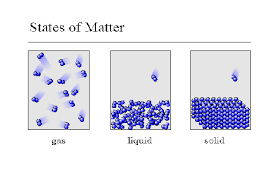
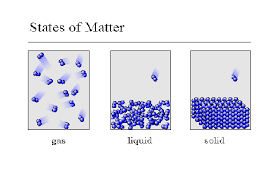

Freezing
Solid to gas
Liquid to solid
Gas to solid

Boiling
liquid to gas
gas to solid
gas to liquid
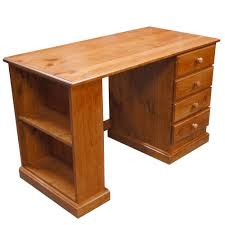

The state of matter that has no definite size or shape is
Solid
Liquid
Gas

Particles in a ______________________ move quickly and are far apart.
gas
solid
liquid
Solid to Gas
Deposition
Sublimation
Evaporation
The slower the particles in a substance move,
the colder it is.
the warmer it is.
the more energy it has.
Liquid to Gas
Condensation
Evaporation
Sublimation
Particles move relative to each other, but remain in contact with each other.
solid
liquid
gas
Basic state of matter with the greatest amount of energy.
solid
liquid
gas
What happens to particles when their temperature increases?
The particles move slower
The particles move faster
The particles lose mass
The particles gain mass
The amount of space something takes up is its...
Mass
Volume
Thermal Energy
Temperature
The energy of MOTION is...
chemical energy
radiant energy
potential energy
kinetic energy


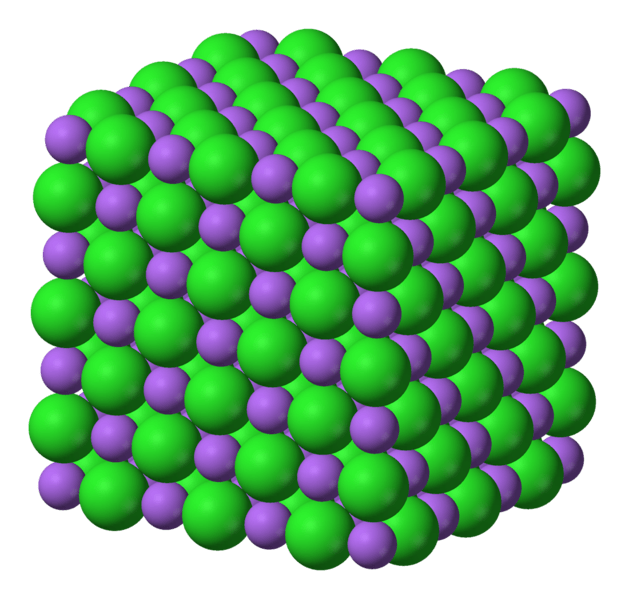
Which state of matter does this picture show?
Solid
Liquid
Gas
As temperature increases, what happens to particles?
They speed up
They slow down

What is happening in this picture of this lake freezing?
Molecules are speeding up
Molecules are slowing down
Which substance has a HIGH viscosity?
water
oil
honey
milk
What is viscosity?
the resistance of a liquid to flow
liquid pouring out of the container
a liquid
how hot or cold a liquid is

State of matter that can fill containers with no fixed shape or volume.
Solid state
Liquid state
Gas state
Plasma state

State of matter that takes the shape of it's container and has a definite volume.
Solid state
Liquid state
Gas state
Plasma state

State of matter in which materials have a definite shape and volume.
Solid state
Liquid state
Gas state
Plasma state
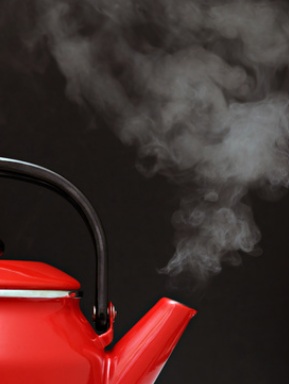
What change of state is taking place in this photograph?
Condensation
Freezing
Vaporization
Melting

What change of state is taking place in this photograph?
Condensation
Freezing
Vaporization
Melting

The diagram shows the changes in state of water (H2O). What is the process Z called?
Condensation
Freezing
Vaporization
Melting

Which of the following is a property of gases?
They have a definite volume.
They are not compressible.
They have no definite shape.
They have no ability to flow.

The diagram shows the way the particles of a solid occupy space. Select the property of a solid that is consistent with this micro-view.
No define shape
Cannot be compressed
No definite volume

When a beaker of water is heated its volume increases a little. What is happening to the particles in the liquid?
They are getting bigger.
They are moving slower.
They are moving faster.
They are getting smaller.

Which is NOT a property of a solid?
They do not flow.
Definite volume.
No definite shape.
They are incompressible.

When you place a bottle of water in the freezer its volume increases. What is happening to the particles in the liquid?
They are getting bigger.
They are moving slower.
They are moving faster.
They are getting smaller.

Which state of matter is represented in the following diagram?
Liquid
Liquid and gas
Gas
Solid

Which of the following states is correct?
Gases cannot be compressed.
Solids are easily compressed.
Gases are easier to compress than solids.
Liquids cannot be compressed or expanded.

Which change of state occurs when particles in a solid begin to move slowly past each other?
Melting
Freezing
Condensing
Vaporizing

TRUE or FALSE: The particles in solids move around a lot and spread out.
TRUE
FALSE

TRUE or FALSE: In order to change the state of matter, you need increase or decrease the energy (heat).
TRUE
FALSE

TRUE or FALSE: Gases have the least kinetic energy out all 3 states of matter.
TRUE
FALSE

Phase change from gas to solid is called:
Sublimation
Freezing
Deposition
Vaporization

When changing a substance from liquid to solid, the energy has to...
INCREASE
DECREASE
When changing a substance from gas to liquid, the energy has to...
INCREASE
DECREASE
When changing a substance from liquid to gas, the energy has to...
INCREASE
DECREASE

Which of the following statements is NOT true about gases?
Gases do not have fixed shape or volume
Gas particles do not move much, but vibrate
Gas particles have a lot of free space
Unlike solids, gases can be compressed

Which of the following statements is true about liquids?
Particles do not move around much, but vibrate
Particles have a lot of free space and spread out
Liquids have fixed shape & volume
Particles are less closely packed than solids

Which of the following statements is true about phase changes?
Solid turning into liquid is called freezing
When ice melts, the kinetic energy is decreased
Liquid turning into gas is called condensing
When water boils, the kinetic energy is increased

Which of the following statements is true about solids?
Particles do not move around much, but vibrate
Particles have a lot of free space and spread out
Solids have fixed shape but not volume.
Particles are less closely packed than gas.

What is sublimation? (Definition)
When liquid turns in solid.
When solid turns into gas.
When gas turns into solid.
When solid turns into liquid.

