
 Worksheets
Kitchen Basics & History of Food Science
Total questions: 65
Worksheet time: 33mins
A labeling term from the USDA that indicates the food was produced through approved methods (without the use of pesticides, herbicides, insecticides, fungicides, bioengineering or chemical fertilizer)
natural
organic
food analog
adulteration
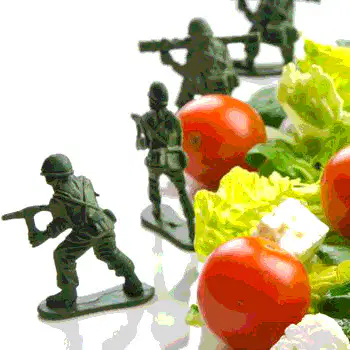
The protection of food products from intentional adulteration by biological, chemical, physical or radioactive agents
food defense
food analog
farm to the table
food security

Access to nutritionally adequate and safe to eat foods
food security
farm to table
food defense
food adulturation

These are substances with extremely low boiling points, often used in the preservation of food to maintain its color, taste and nutrients. These substances are used to make frozen foods without the larger ice crystals created by traditional methods. What are they called?
hydroponic liquids
ice
food analogues
cryogenic liquids
Lowered quality and safety of a food product caused by adding inferior ingredients that may be toxic (such as making milk appear more white in color by adding watered down white paint)
food analog
adulteration
food processing
nutrition
the path of food from the growth of raw product, through processing, preparation, and presentation, to the final customer
food processing
food security
farm to the table
harvesting
the study of the nature of food, the causes of deterioration, the principles of underlying food processing, and the improvement of foods for the consuming public
nutrition
food processing
agriculture
food science

crops grown with their roots suspended in liquid nutrient solutions
water crops
hydroponic crops
cryogenic liquid crops
organic

Natural or manufactured substances used in place of foods or food components (such as Splenda instead of sugar or soy instead of meat for "meatless burgers")
food adulteration
food science
food analogs
food dietetics

access to nutritionally adequate and safe food
food security
food defense
homeland security
farm to table

the study of food components and their use by the body to sustain life and health
food science
nutrition
organic science
wellness

any deliberate change in food occurring between its point of origin and its availability for consumption (examples include cooking, salting, pickling...etc.)
food security
food processing
food defense
food adulturation
What is the definition of food science?
The study of producing, processing, preparing, evaluating, and using food.
The chemistry of food products.
The study of producing, processing, marketing, and distributing agricultural food products.
The biological component of our food system.

This scientist developed over 100 products from peanuts, pecans, and sweet potatoes.
Justus von Liebig
George Washington Carver
Fannie Farmer
Clarence Birdseye
Which of these would not be regulated by the FDA?
cheese
tylenol
flu shots
thermometers

This organization/agency is responsible for food and nutrition guidelines as well as overseeing agriculture and forestry.
FDA
EPA
USDA
OSHA
How many fl oz are in a cup?
4 fl oz
16 fl oz
8 fl oz
2 fl oz
What is the abbreviation for tablespoon?
(a)
What is the abbreviation for quarts?
(a)
How many tablespoons are in a cup?
16 Tbsp
8Tbsp
20 Tbsp
4 Tbsp
Which tool is recommended to measure 1 cup of milk?


Pound
lb.
pd.
#
lb. or #
What is the abbreviation for teaspoon?
(a)
What is the abbreviation for Gallon?
(a)
What is the abbreviation for pounds?
(a)
What is the abbreviation for fluid ounces?
(a)
What is the abbreviation for ounce?
(a)
How many cups are in a gallon?
20
12
4
16

The study of food components and of how our bodies used them to sustain our life and health is called...
nutrition
food science
microbiology
physiology
All of the following foods were first developed during the Industrial Revolution, largely as a response to military and at-home needs arising during World War II, EXCEPT
pancake mix
cheese
self-rising flour
commercial yeast
cake mix
When items like pancake mix and cake mix where first created and introduced to the public, people where highly resistant to the idea and very few bought these products. Most thought they couldn't be as good as what they made from scratch in their own homes. What changed their minds (and caused these items to become much more popular)?
The high cost of ingredients during the Great Depression
Research by the USDA regarding the nutritional value of mixes as compared to homemade
Convincing ads on T.V.
Women entering the work force due to World War II

Who was Harvey Wiley and why was he so important to the development of food science?
President of the United States during the Industrial Revolution. Helped pass the Pure Food and Drug Act
Head chemist at the USDA. Campaigned for and helped develop the earliest food and drug regulation laws.
Inventor of the microscope - the invention that allowed scientist to finally understand the effects of bacteria on spoilage & human health.
The man who bought out the early rites to Coca-Cola. He used marketing & ingenuity to turn it from a little known local product to an internationally recognized brand.
Which tool is recommended to measure 1 cup of sugar?
This 1906 act prohibited the manufacture, sale, or shipment of impure or falsely labeled food, drinks and drugs.
The Food Code
The Pure Food and Drug Act
FDA Food Safety Modernization Act
The Food, Drug, and Cosmetic Act
A law that regulates the quality, purity, potency, effectiveness, safety, labeling, and packaging of food, drug, and cosmetic products. This expanded the previously passed 1906 law to cover cosmetics.
The Food Code
The Pure Food and Drug Act
FDA Food Safety Modernization Act
The Food, Drug, and Cosmetic Act
A guide to the safe handling and preparation of food (such as keeping food at a certain temperature or regulating that employees must wash their hands before leaving the restroom or handling food)
The Food Code
The Pure Food and Drug Act
FDA Food Safety Modernization Act
Nutrition Labeling and Education Act
Requires food manufacturers and processors to disclose uniform information about serving sizes and nutrients on their products, and establishes standard definitions for various terms like low fat, lean or organic. Established in 1990
Food Allergy Labeling and Consumer Protection Act
The Pure Food and Drug Act
FDA Food Safety Modernization Act
Nutrition Labeling and Education Act
Requires manufacturers to clearly label known allergens (milk, eggs, fish, shellfish, nuts, peanuts, wheat, soybeans...etc.) on all food products.
Food Allergy Labeling and Consumer Protection Act
The Pure Food and Drug Act
FDA Food Safety Modernization Act
Nutrition Labeling and Education Act

How many tablespoons are in a stick of butter?
4
6
8
10

How many cups are in ONE stick of butter?
1/4 cup
1/2 cup
3/4 cup
1 cup
2 cups
Which is bigger, a tablespoon or a teaspoon?
Teaspoon
Tablespoon
How many teaspoons are in ONE tablespoon?
2
3
4
5
Which Government agency regulates meat poultry and eggs
USDA
FDA
PHS
CDC
Which Government agency is responsible inspecting all foods except meat poultry and eggs
Local regulatory Authority
USDA
FDA
CDC
All of the following are considered major periods in the historical development of food EXCEPT
Early Food Discoveries
The Industrial Revolution
The Era of Government Regulation
The Modern Food Era

Passed in 1906, this was the first ever government regulation of food. It gave the federal government responsibility for insuring food and medicine are safe and banned the sale of mislabeled or adulterated food products.
Food Allergy Labeling and Consumer Protection Act
Pure Food and Drug Act
Fair Packaging and Labeling Act
Meat Inspection Act
Adding sawdust to cinnamon powder and selling it as "pure cinnamon powder" would be an example of
a food analog
food adulturation
food insecurity
really bad food science
food terrorism


What is this object?
turner
rubber spatula
scraper
burger flipper

What is this object?
rice pot
stock pot
sauce pan
soup pan

What kitchen tool is this?
Whisk
Mixer
Spatula
Spoon
Which of these should you use to accurately measure milk?


chop


To work dough by pressing and folding until it becomes elastic and smooth. A fold, push, and turn motion
Stir
Knead
Beat
Fold In

To remove the skin
Cut
Slice
Tear
Peel

To blend fats and sugars until very soft and smooth
Knead
Mix
Cream
Soften

To roughly cut food into smaller pieces/chunks
Chopping
Grating
Slicing
Dicing
Mincing
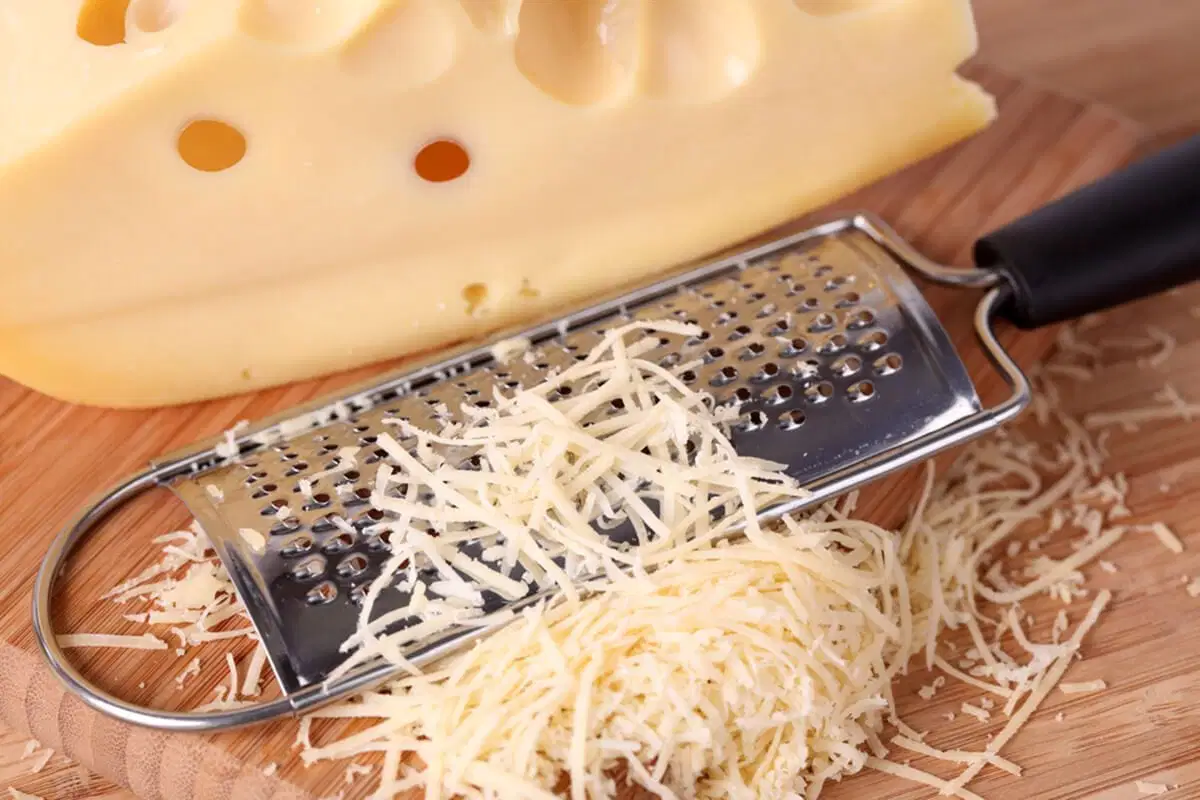
To reduce a piece of food into thin shreds by rubbing it on a surface with sharp projections
Grating
Shreding
Dredging
Mincing

Cutting food into the smallest possible pieces
Julliening
Mincing
Chopping
Dicing
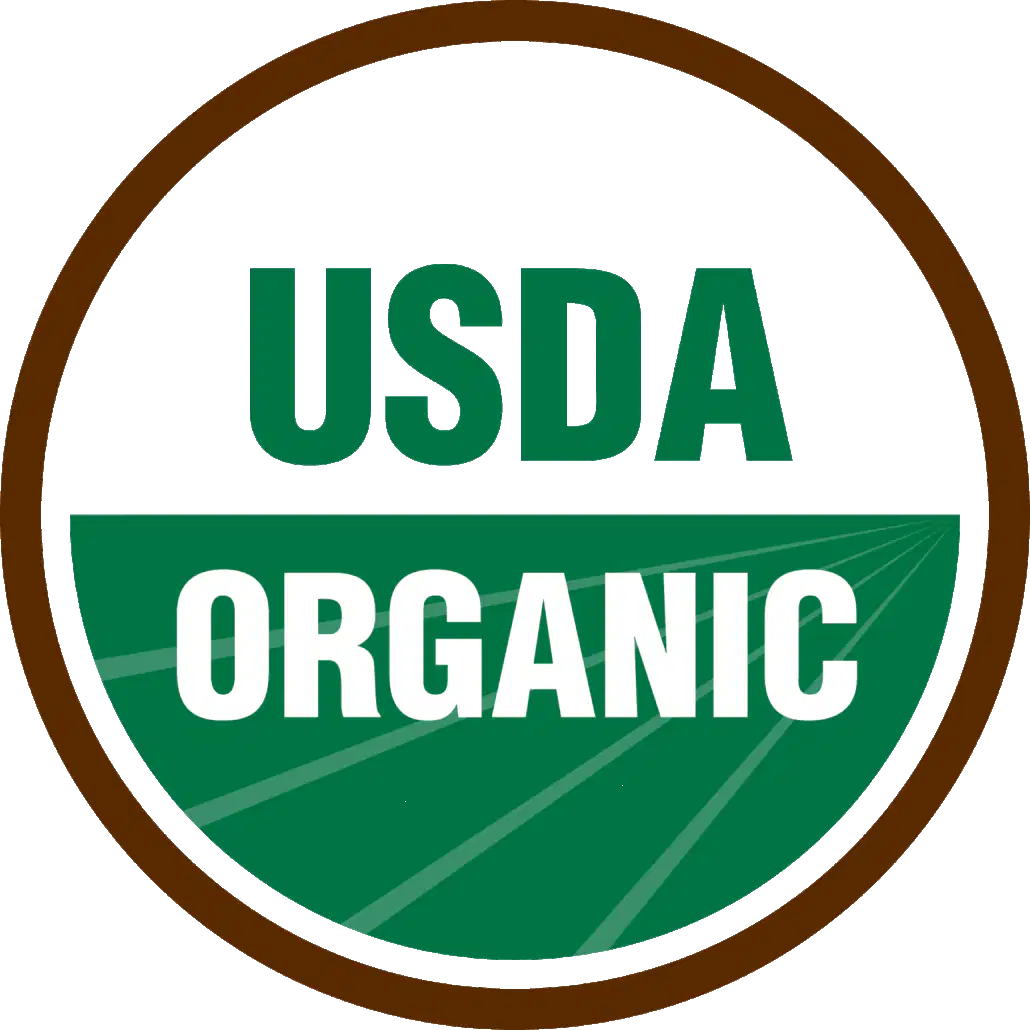
Scientific studies have conclusively shown that organic foods are healthier and more nutritious than conventional, non-organic foods
True
False

