
 Worksheets
SKIN UNIT REVIEW
Total questions: 100
Worksheet time: 1hrs 21mins

your skin is the largest body organ
False
True

Sunlight is used to manufacture vitamin what
E
C
D
A

What is know as the skins pigment
Karatin
sun
Melanin

Blood vessels are located in what layer of skin?
epidermis
Dermis
hypodermis

Nerves are located in the epidermis
False
True

What layer is used to store fat
Epidermis
Dermis
Hypodermis

Sweat glands are located in what layer of the skin
Dermis
Hypodermis
Empidermis

How many layers is the skin
6
5
1
3

What is the thickest layer of skin
Dermis
Empidermis
hypodermis

what is the top layer of skin
Dermis
Epidermis
Hypodermis

Melanin
protein
skin
pigment
hair

Integumentary system
Hair, skin, nails
hair, skin, sweat glands
hair, nails, acne
Which skin layer is where mitosis begins?
stratum corneum
stratum basale (aka: germinativum)
Which skin layer is deepest?
stratum corneum
stratum basale
Which skin layer is most superficial?
stratum corneum
stratum basale
The hypodermis is also referred to as...
subcutaneous
subdermis
lower epidermis
Which cells create the pigment that gives skin its color?
melanocytes
keratinocytes
leukoocytes
adipocytes
This layer of skin provides heat insulation and protects the deeper tissues of the body.
Epidermis
dermis
hypodermis/subcutaneous
The oldest cells of the epidermis will be found here?
Visible stretch marks on the skin surface are actually the result of microscopic tears in collagen fibers in which layer?
dermis
hypodermis
epidermis
stratum corneum
stratum basale
What forms due to mechanical stress that causes a separation of the epidermis from the dermis?
Melanoma
Stretch marks
Blister
Bruise


What layer is represented by letter B?
Stratum Corneum
Dermis
Stratum Lucidum
Epidermis
A structure out of which strands of hair grow
Follicles
Pores
Head
Eyelashes

These structures are considered part of the DERMIS LAYER - the middle layer of your skin.
nerves, fat, keratin
sweat glands and hair follicles
protein layers and melanocytes
How does sweat cool you?
evaporation
condensation
sublimation
keratinization
epidermis
dermis
basale


Ringworm
Impetigo
Psoriasis

Which letter refers to the hypodermis?
A
B
C
D
E

Aging affects our integumentary system
true
false
Which of the following is a warning sign of melanoma in a mole?
symmetrical shape
smooth border
small diameter
different colors
Which of the following increases your risk for having melanoma?
Having darker skin
Being exposed to UV light
Using sunscreen
Being young
What is melanoma?
A type of skin cancer
A type of acne
A type of protein found in your skin
A type of oil produced by the skin


Which type of gland produces oil for waterproofing the skin?
lacrimal

The epidermis has
blood vessels
no blood vessels
What part of the Integumentary System helps to keep our bodies from overheating?
Hair
Nails
Sweat Glands
Pores
What is hair made of?
Keratin
Collagen
Phosphates
Calcium
What does perspiration mean?
to sweat
to shiver
to pass out
to breathe
The reason your face and body may become red when you exercise is...
Blood vessels in the skin constrict to slow blood flow and retain heat
Blood vessels in the skin expand to increase blood flow and release heat
Blood vessels in the skin burst open to release extra nutrients
The heat made when you exercise "cooks" your skin cells
A pimple forms when a ________________ becomes clogged with oil, dead skin cells, and bacteria.
Sweat Gland
Sebaceous Gland
Melanocyte
Blood Vessel
The oil produced by the sebaceous glands that helps keep your skin and hair moisturized is called...
Dermoil
Sweat
Sebum
Insulin
Which type of tissue forms protective coverings in the body?
Epithelial
Connective
Muscle
Nervous

Light colored, half-moon area at the base of the nail:
The epidermis is replaced approx. every:
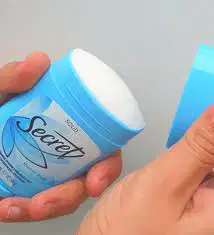
ELEMENT IN ANTIPERSPIRANT?
Na
Au
K
Al

CREATED BY...?
ARRECTOR PILI MUSCLE
DERMAL PAPILLA
SEBACEOUS GLAND
ELASTIN
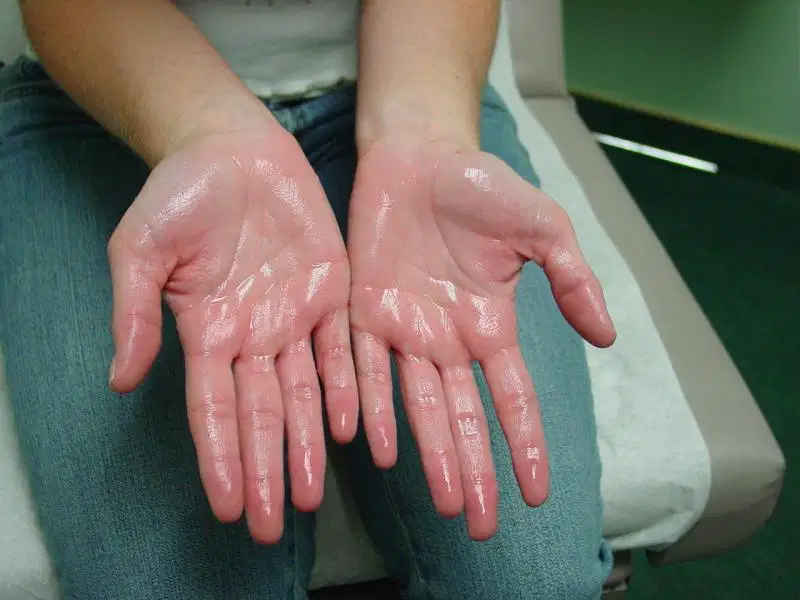
WHATZIT?
HYPERTRICHOSIS
HYPERSWEATY
HYPERHIDROSIS
HYDROLYSIS
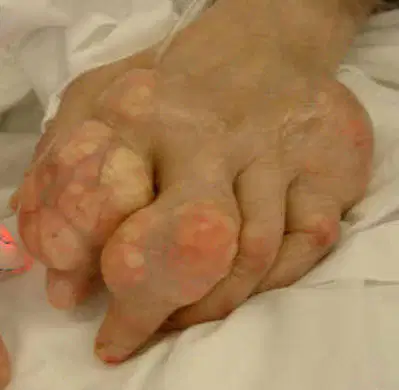
WHATZIT?
STONE MANS DISEASE
ELEPHANTIASIS
ARTHRITIS
GOUT
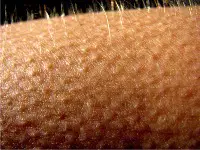
CREATED BY...?
ARRECTOR PILI MUSCLE
DERMAL PAPILLA
SEBACEOUS GLAND
COLLAGEN
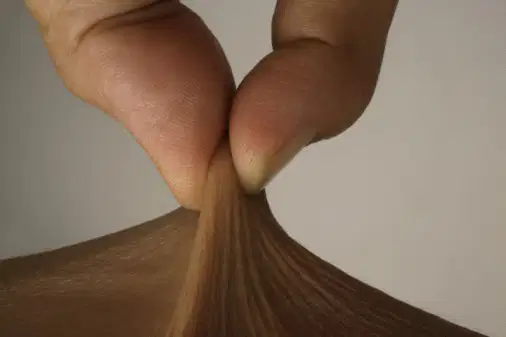
PROTEIN BEST ASSOCIATED WITH THIS PIX?
ELASTIN
LEPTIN
MELANIN
URIC ACID
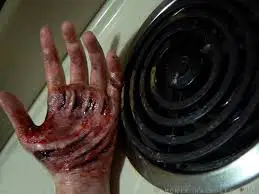
THIS PIX COULD BE USED WHEN TEACHING ABOUT...?
PORT-WINE-STAINS
ANGIOMAS
CONGENITAL INSENSITIVITY
HYPERHIDROSIS
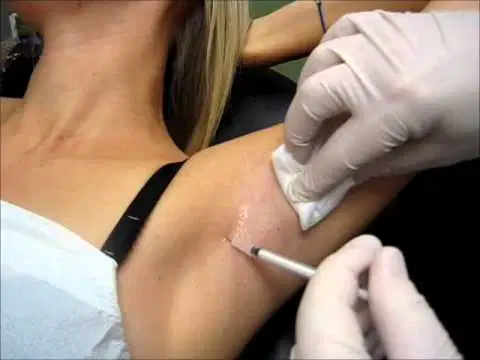
TREATMENT FOR...?
FIRST DEGREE BURNS
HYPERHIDROSIS
ADERMATOGLYPHIA
CONGENITAL INSENSITIVITY
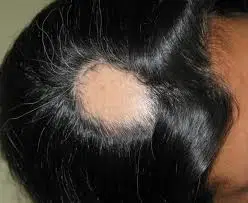
TYPE?
AREATA
TOTALIS
UNIVERSALIS
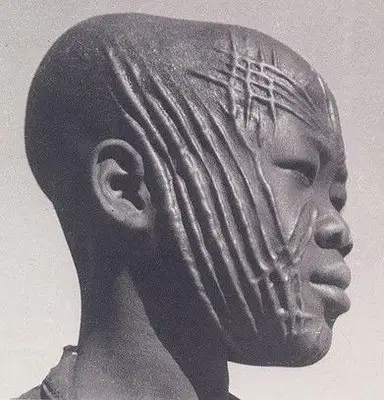
BEST ASSOCIATED WITH...?
MELANIN
LYMPH
LEUKOCYTES
COLLAGEN
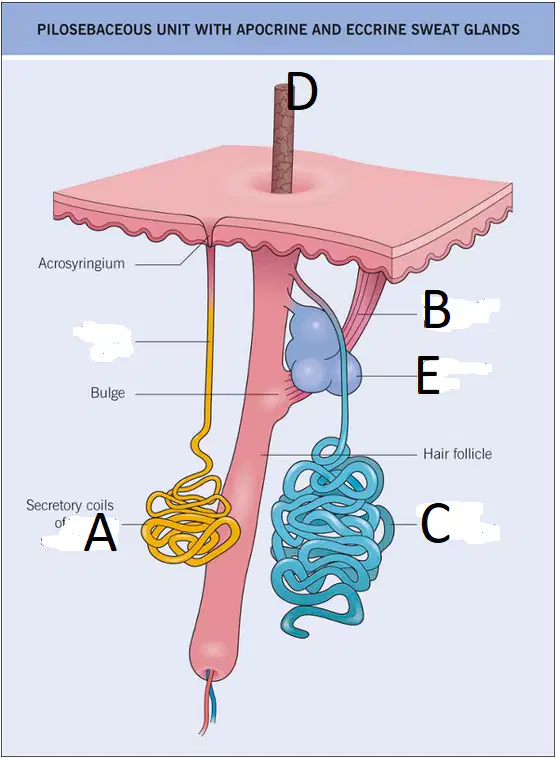
APOCRINE GLAND?
A
B
C
E
ECCRINE GLAND?
A
B
C
E
SECRETES PHEROMONES?
A
B
C
E
SECRETES SEBUM?
A
B
C
E
CAUSES GOOSEBUMPS?
A
B
C
D
E
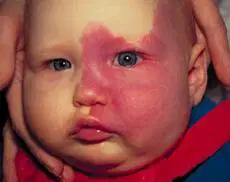
TYPE OF SKIN BLEMISH?
3RD DEGREE BURN
LIVER SPOT
CAFE-AU-LAIT
PORT WINE STAIN

WHATZIT?
PSORIASIS
ECZEMA
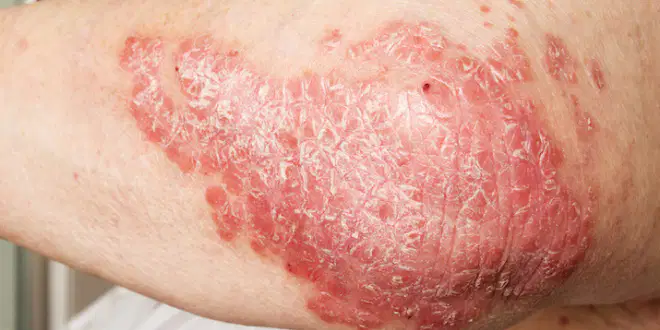
WHATZIT?
MEASLES
SMALLPOX
ECZEMA
ANGIOMA
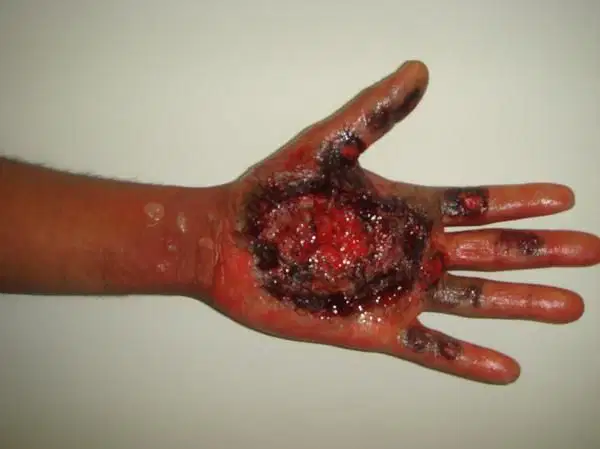
DEGREE BURN?
1ST
2ND
3RD
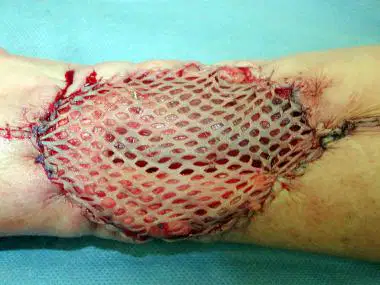
TYPE OF SKIN GRAFT IF IT CAM FROM A HUMAN DONOR?
ALLO-
XENO-
AUTO-
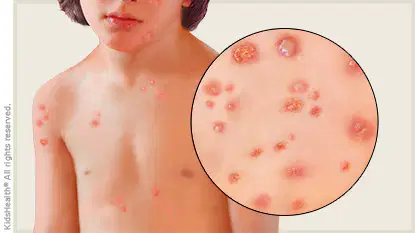
WHATZIT?
PSORIASIS
CHICKEN POX
ANGIOMAS
NONE OF THESE
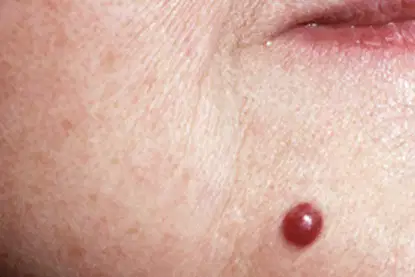
WHATZIT?
ANGIOMA
ROSACEA
PORT WINE STAIN
SQUAMOUS CELL CANCER

SKIN DISORDER?
CHICKEN POX
SHINGLES
3RD DEGREE BURN
EB

TREATMENT ASSOCIATED WITH THIS PIX?
SCLEROTHERAPY
MOH'S SURGERY
RUBBING ALCOHOL
AUTOGRAFT
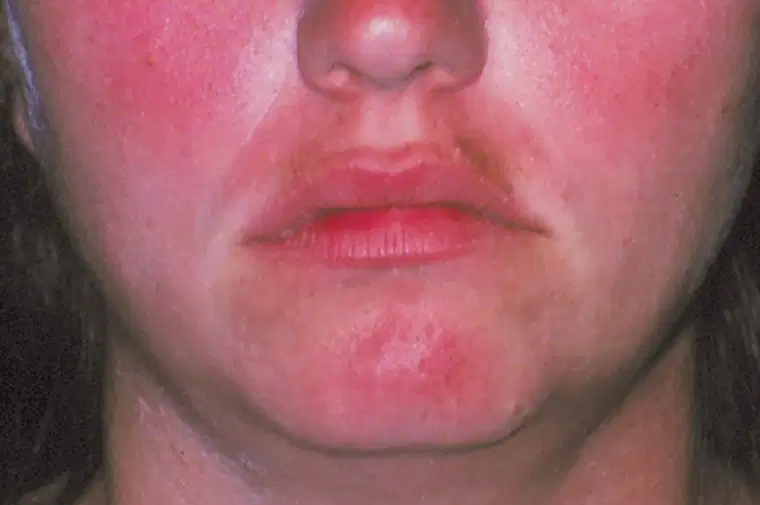
NOT A TERM ASSOCIATED WITH THIS PIX?
ANGIOMA
ERYTHEMA
ROSACEA
CAPILLARIES
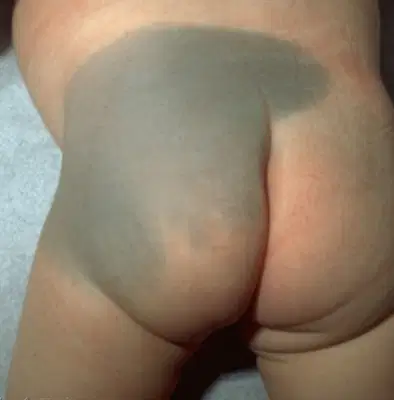
A GOOD EXAMPLE OF CAFE-AU-LAIT?
NO
YES
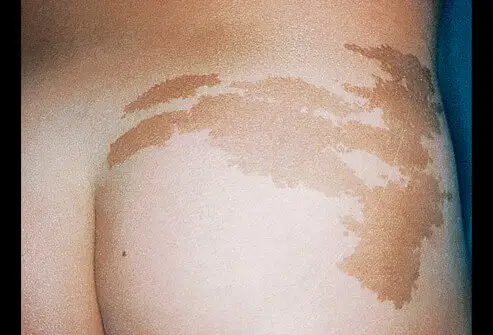
A GOOD EXAMPLE OF VITILIGO?
TRUE
FALSE
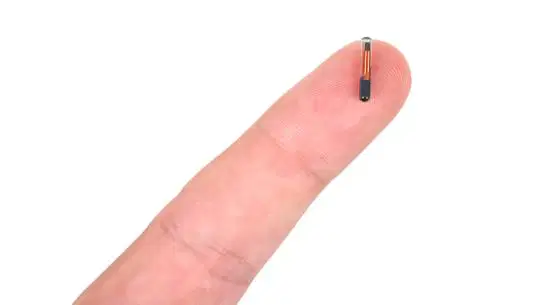
WHATZIT?
ELASTIN
XENOGRAFT
RFID
JANE ELLIOT'S HEARING AID
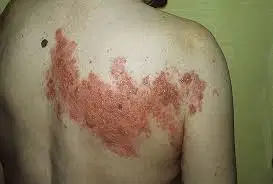
SKIN DISORDER?
SHINGLES
ROSACEA
CHICKEN POX
SMALLPOX
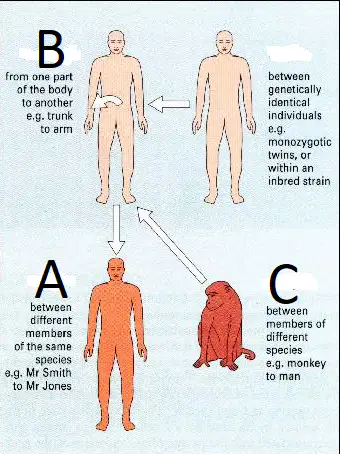
XENOGRAFT?
A
B
C
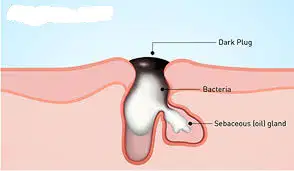
WHATZIT?
ACID MANTLE
GOOSEBUMP
PHEROMONE CYST
BLACKHEAD
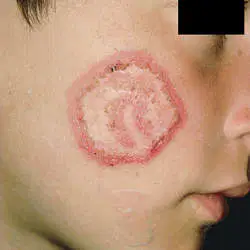
SKIN BLEMISH?
ANGIOMA
RINGWORM
ROSACEA
HERPES
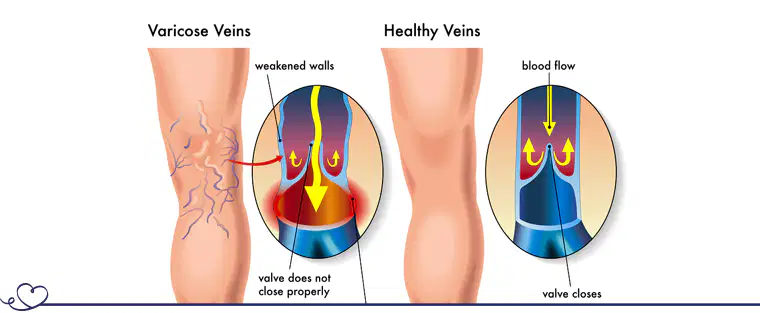
TERM BEST ASSOCIATED WITH THIS PIX?
VASCULATURE
LYMPH
KERATINIZATION
THRUSH

WHATZIT?
ACNE VULGARIS
SMALLPOX
THRUSH
MILK PLAQUE
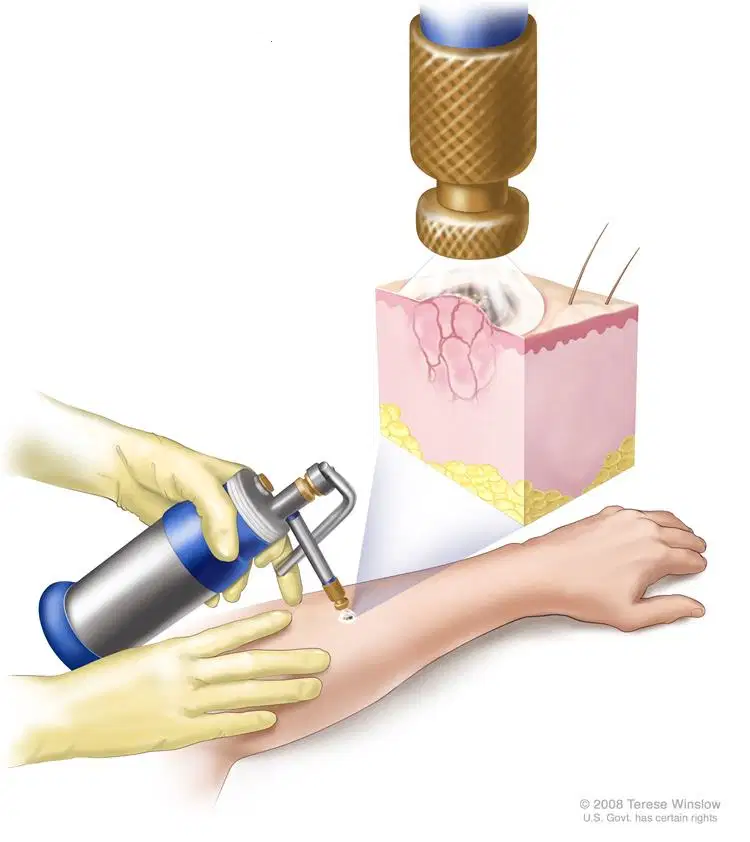
PROCEDURE?
MOH'S SURGERY
LASER SURGERY
CRYOSURGERY
SCLEROTHERAPY
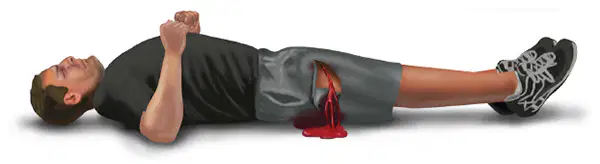
TYPE OF SHOCK?
ANAPHYLACTIC
HYPOVOLEMIC
SEPTIC
GROSS
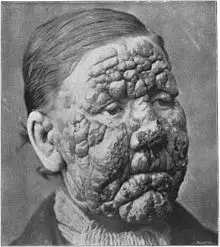
WHATZIT?
SMALLPOX
CHICKENPOX
MEASLES
ROSACEA
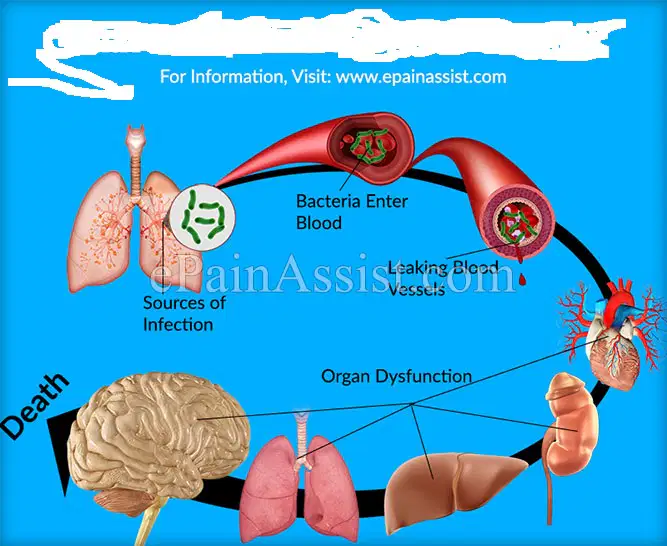
TYPE OF SHOCK?
ANAPHYLACTIC
HYPOVOLEMIC
SEPTIC

