
 Worksheets
Cell Theory + Prokaryotes vs. Eukaryotes
Total questions: 50
Worksheet time: 3580secs
Which cell type tends to be smaller?
Prokaryote
Eukaryote
there is not a size difference
The presence of which of the following characteristics differentiates prokaryotic and eukaryotic cells?
DNA
Ribosomes
Nucleus
Cytoplasm
Plant and animal cells are examples of
prokaryotic cells
eukaryotic cells
Which of the following is only found in EUKARYOTIC cells?
nucleus
DNA
cell membrane
ribosomes
The smallest unit of a living thing are
atoms
cells
DNA
organelles
Bacteria is an example of a(n)
prokaryotic cell.
eukaryotic cell.
What is NOT apart of the Cell Theory?
all cells come from existing cells
all cells have a nucleus
all living things are made of cells
cells are basic unit of structure and function in living things
True or False: Eukaryotic cells are small, simple cells
True
False
Which do BOTH prokaryotes and eukaryotes contain?
nucleus
mitochondria
ribosomes
cell wall

Theodore Schwann, a German physician and physiologist, once said that "all _______ are made up of cells.
plants
animals
microorganisms
fungi
carry out specific functions inside the cell
cell theory
organelles
unicellular
multicellular
What is the smallest unit of an organism that can perform life functions?
Organ system
Organ
Tissue
Cell


Bacteria is what kind of cell?
Eukaryotic
Prokaryotic
Which type of cell has a cytoplasm?
Prokaryotic cells
Eukaryotic cells
Both prokaryotic and eukaryotic cells
Who named the cell?
Robert Hooke
Robert Redford
Robert Smith
Robert DeNiro
Which scientist realized that, by studying samples under a microscope, all animals are made up of cells?
Rudolf Virchow
Robert Remak
Theodor Schwann
Isaac Newton
Which scientist looked at dental scrapings & pond water and called the single-celled organisms "animalcules"?
Van Leeuwenhoek
Hooke
Pasteur
Virchow
Who said that all plants are made of cells?
Schleiden
Schwann
Van Leeuwenhoek
Pasteur
Who wrote a book that said that cells come from other cells like them?
Virchow
Pasteur
Hooke
Van Leeuwenhoek
Which invention was the most important thing that helped scientists develop the cell theory?
compound light microscope
petri dish
scanning electron microscope
dissection tools
While looking at cork, Hooke observed box-shaped structures, which he called “cells” because...
they reminded him of the cells, or rooms, in monasteries.
they looked like cellulitis


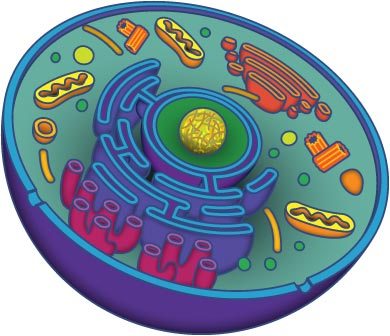
All cells -----
come from other dead cells
come from other living cells
crystallize out of the air

Robert Hooke
Matthias Schleiden


The 3 parts of the Cell Theory are...?
All living things are composed of cells
Cells are the basic units of structure and function in living things
All cells are produced from other cells
All living things are composed of cells
Cells are the basic units of dance and vibes in living things
All cells are destroyed from other aliens
All living things are composed of Jell-O
Cells are the basic units of structure and function in living things
All cells are produced from factories in Canada
All living things are composed of cells
Cells do karate and practice eating whole pies in their free time
All cells are produced from other cells
All living things are made of cells
Cell Theory Part 1
Cell Theory Part 2
Cell Theory Part 3
Cell Theory Part 4
Was the first person to see cells by looking at cork under a microscope and gave them their name
Hooke
Leeuwenhoek
Virchow
Schleiden
Proposed that all cells come from other cells
Leeuwenhoek
Schleiden
Schwann
Virchow
Said that all plants are made of cells
Hooke
Virchow
Schleiden
Schwann
Said that all animals are made of cells
Hooke
Virchow
Schleiden
Schwann
The smallest unit of life
cells
atoms
quarks
tissues
The cell theory was discovered by one person
true
false
maybe true
one group of people
The scientists whose discoveries led to the Cell Theory all worked together
true
false
for a little while
until they couldn't stop arguing

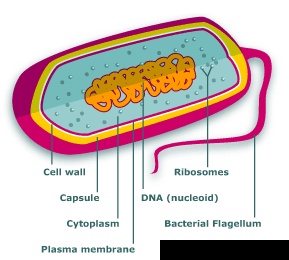
Which do BOTH prokaryotes and eukaryotes contain?
nucleus
mitochondria
ribosomes
cell wall
Which cell type tends to be smaller?
Prokaryote
Eukaryote
there is not a size difference
A eukaryotic cell is defined by having-
Free floating DNA, a cell wall, and a mitochondria
a bacterial cell
Membrane bound organelles and DNA inside of a nucleus
Ribosomes, DNA, and a flagellum
Which of the following is NOT a part of the Cell Theory?
All living things are made up of cells
All cells spontaneously blend into existence
The cell is the basic unit of life
All cells come from pre-existing cells
This cell is multicellular, has a true nucleus, and membrane bound organelles
Prokaryote
Eukaryote
Virus
Which of the following do prokaryotes and eukaryotes NOT have in common?
Flagellum
Genetic material
Ribosomes
Cytoplasm

