
 Worksheets
Evolution Check in 2
Total questions: 68
Worksheet time: 52mins
Having a standard taxonomic system benefits the scientific community by allowing scientists
from all over the world to do which of the following?
Have a common system for the classification of locations containing fossils
Use a similar system to classify the impact of removing species from ecosystems
Have a common understanding in the classification of organisms
Understand how other scientists classify predator–prey relationships
Some organisms have genes that improve their ability to survive and reproduce. If the genes
also help their offspring survive and reproduce, then which of the following will most likely
increase?
The frequency of the genes in one individual
The frequency of the genes in the population
The number of genes in one chromosome
The number of genes in the species
The concept of gene flow is demonstrated when a cow is driven off from its herd, joins
another herd, and reproduces. When the cow contributes to the gene pool of the new herd,
which of these most likely increases?
Natural selection
Genetic variation
Environmental fitness
Reproductive mutations

Zoogeographic regions are characterized by the presence of specific groups of animals. These
regions are determined by the taxonomic or phylogenetic relationships of animals. The map
shows the zoogeographic regions proposed by the naturalist Alfred Russel Wallace in 1876.The similarities of organisms in which two areas numbered above provide the best evidence
for common ancestry between the organisms in both locations?
1 and 2
3 and 4
5 and 6
7 and 8
Arthropods are joint-legged animals. Spiders, crabs, pill bugs, centipedes, and millipedes
are examples of the many types of arthropods. Which of these arthropods are most closely
related?
Arthropods of the same family
Arthropods of the same class
Arthropods of the same genus
Arthropods of the same species
Bactrian camels, dromedaries, llamas, and alpacas are all members of the same taxonomic family, Camelidae. Members of this family all have two toes, no hooves, true canine teeth, and a split upper lip. The family Camelidae originated in North America. The physical features of animals in this family and the family’s geographical origin provide evidence that all these animals —
live in the same type of ecosystem
have slowly evolved to become herbivores
have a common ancestor
exchanged DNA at some point in the past

A prey population consists of individuals with a variety of running speeds. The adaptation that allows some of these animals to run fast would be an example of natural selection if it helps them —
survive and undergo mutations in their DNA
lower the mortality rates of the population
produce offspring that run at average speeds
reproduce and increase the frequency of their genes in the population

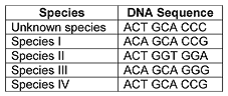
Scientists can determine relatedness among organisms by comparing partial amino acid
sequences. The table shows four partial amino acid sequences from four organisms.Which organism is the LEAST related to the other three organisms?
Organism 1
Organism 2
Organism 3
Organism 4

A student used a microscope to study four members of the phylum Ciliophora. Members of
this phylum move when propelled by hundreds of tiny cilia.Although these organisms belong to the same phylum, they are classified as different —
families
species
kingdoms
orders
The gray squirrel, Eastern fox squirrel, and red squirrel are all different species of squirrels.
Why is having a scientific name for each species of an organism important?
To prevent existing named organisms from having their names changed as they become
extinct
To keep the classification system from being altered as new organisms are discovered
To allow organisms to be placed in many classification levels at the same time
To standardize the naming and organization of organisms to avoid confusion

The diagram shows light- and dark-colored beetles that live on a tree.Which result is most likely to occur to the beetle population due to predation over time?
The number of light-colored beetles in the population will increase.
There will be more dark-colored beetles than light-colored beetles.
The number of light-colored beetles will decrease.
The dark-colored beetles will move to a different type of tree.
Niles Eldredge and Stephen Jay Gould researched the lenses of the eyes of fossil trilobites of
different species. In 1972 they published a paper in which they described the tendency of a
species to remain the same until a sudden change in the environment causes a new related
species to appear.
Which hypothesis was most challenged by the work of Eldredge and Gould?
Redi’s hypothesis that spontaneous generation does not occur
Haeckel’s hypothesis that embryological development mimics the evolution of species
Wallace’s hypothesis that geography affects the distribution of species
Darwin’s hypothesis that the development of species is a slow, gradual process

The relationships among different orders of millipedes are shown in the cladogram.Based on this cladogram, which statement best describes relationships among millipede
orders?
Stemmiulida is more closely related to Merocheta than Penicillata is to Merocheta.
Spirostreptida is more closely related to Glomerida than Sphaerotheriida is to Glomerida.
Polyzoniida is more closely related to Glomeridesmida than Sphaerotheriida is to
Glomeridesmida.
Merocheta is more closely related to Glomeridesmida than Glomerida is to
Glomeridesmida.
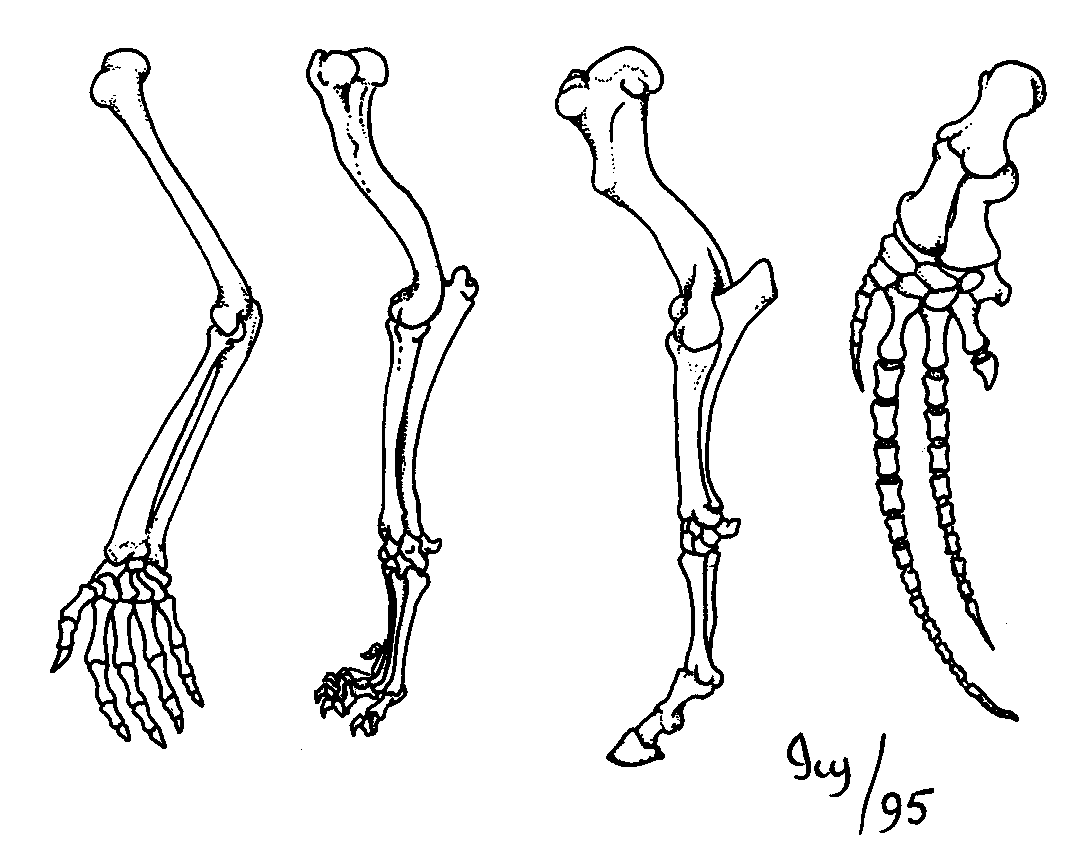


Which of the following can be determined by observing the embryos shown in the diagram

Vestigial structures
structures that perform a similar function but are not similar in origin
remnants of once-important structures that have slowly lost all or most of their function
features found in different organisms that share structural similarities but may have very different functions
preserved remains of an organism


The picture shows a/an ___________
homologous structure
vestigial structure
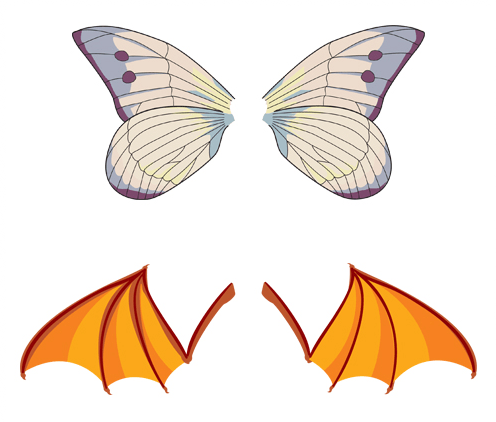
What is this an example of?
Homologous structure
Analogous structure
Vestigial organs
Functional adaption
Which of the following can be determined by observing the embryos shown in the diagram

What best describes the hind leg bones seen in the whale?
The bones are analogous structures to the fins of living fish.
The bones are vestigial structures that had a function in an ancestor.
The bones are homologous structures to the wings of butterflies.
The bones are fossil structures from an extinct ancestor.
Two scientists want to compare their research of fireflies. Which information must the two scientists provide to each other to determine if they studied the same type if fireflies?
Size of the firefly populations
Type of habitat in which the fire flies live
Color of light produced by te fireflies
Species name of the fire flies studied

Students examine images of a certain species of bat commonly found in Texas. Using the bat dichotomous Key, they conclude that the bat species is a Mexican free-tailed bat due to its large, round ears.
Based on the dichotomous key, in addition to the shape of the bat's ears, which other set of features should the students look for to confirm the identity of the bat?
Solitary with a wingspan greater than 35cm
Solitary with a wingspan less than 35cm
Colonial with a wingspan greated than 35cm
Colonial with a wingspan less than 35cm

The taxonomic classifications of four species of amphibians are shown.
Based on the information provided, which two species are most closely related?
northern cricket frog and bull frog
northern leopard frog and green treefrog
northern cricket frog and green treefrog
northern leopard frog and bullfrog
A researcher determines an organism to be eukaryotic, unicellular and autotrophic. In which taxonomic group should this organism be classified?
bacteria
protista
archaea
animalia
The gray squirrel, Eastern fox squirrel, and red squirrel are all different species of squirrels. Why is having a scientific name for each species of an organism important?
To prevent existing named organisms from having their names changed as they become extinct
To keep the classification system from being altered as new organisms are discovered
To allow organisms to be placed in many classification levels at the same time
To standardize the naming and organization of organisms to avoid confusion

Organisms are classified today using the Linnaean system, and the following table shows the taxonomic classification of two marine organisms living along the Pacific Coast.
Taxonomic classification is important to marine biologists because it provides a way to -
prove that marine evolution occurs
discover and name every marine organism on Earth
designate Latin as the universal language of marine biology
identify marine organisms and find evolutionary relationships between them

A dichotomous key for identifying fish is shown.
Based on this key, which two fish have eyes located on either side of their head and are not spotted?
Glassy sweeper and squirrelfish
Glasseye snapper and spotted eagle ray
Spotted goatfish and bandtail puffer
Peacock flounder and glassy sweeper
Many tree frog populations are threatened due to habitat loss. In an effort to promote conservation, tree frogs may be bred in captivity. A zoo acquired male and female tree frogs from two different populations. In the zoo, the tree frogs were able to successfully mate within their own population, but breeding attempts between the two populations were unsuccessful.
Based on this information, which statement correctly describes the relationship between the two populations of tree frogs.
They are in the same species but different kingdoms.
They are in the same class but different phyla.
They are in the same family but different orders.
They are in the same genus but different species.
A team of students encounters an unknown organism in a field while conducting a biodiversity study. Some students think the organism is a plant, while others think it is a fungus.
Which question should the students investigate to classify the organism correctly?
Is there a cell wall around the cells of the organism?
Does the organism perform photosynthesis?
Is there nervous tissue present in the organism?
Does the organism reproduce sexually?
Which list correctly identifies characteristics that protists share with animals?


Five general characteristics of organisms in kingdoms Plantae or Fungi are listed in the box.
Which table correctly lists the characteristics of the organisms in the two kingdoms?


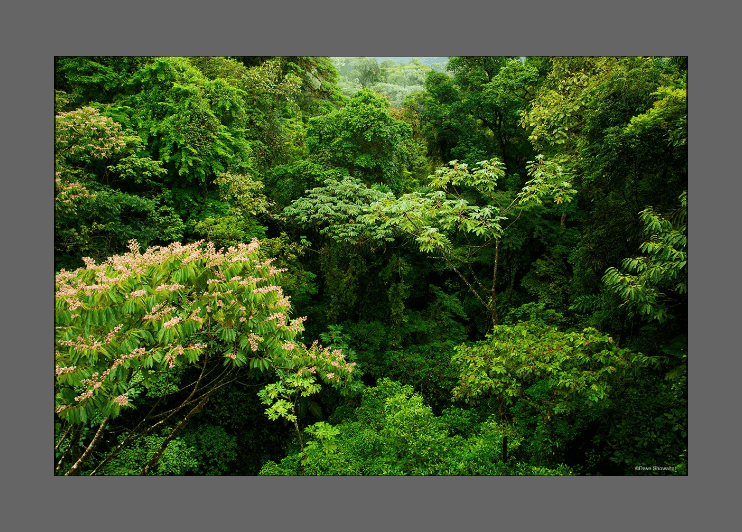
A yellow morph and green morph of an insect lives in the rainforest canopy. You would expect:
the green population to increase and the yellow to decrease
both populations should stay the same
both populations will increase
the green population to decrease and the yellow to increaseThis is a wrong answer
How do you "win" at natural selection?
survive
go extinct
survive & reproduce
Organisms with the “best” traits (adaptations) will live longer and reproduce more than others, causing changes in the population over time by acting on traits that are heritable.
Fitness
Adaptation
Variation
Natural Selection



stabilizing


