
 Worksheets
A & P Appendicular Skeleton
Total questions: 63
Worksheet time: 31mins

This image represents the __________ skeleton.
appendicular skeleton
axial skeleton

This image represents the __________ skeleton.
appendicular skeleton
axial skeleton
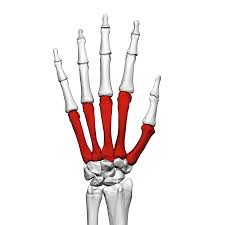
Which bones are highlighted
metacarpals
metatarsals
carpals
tarsals
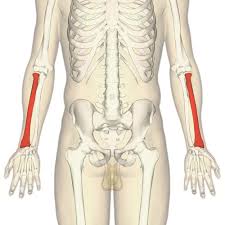
Which bone is highlighted
humerus
radius
ulna
femur
fibula
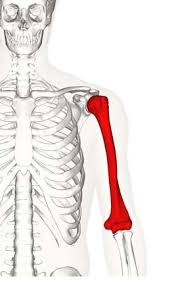
Which bone is highlighted
humerus
fibula
radius
ulna
tibia
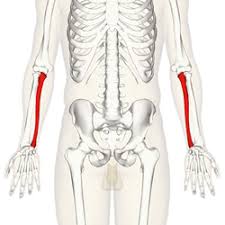
Which bones are highlighted
humerus
radius
ulna
fibula
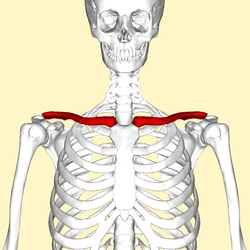

clavicle
scapula
humerus
radius
ulna

carpals
metacarpals
phalanges
ilium
ischium

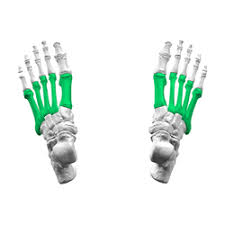
Which bones are highlighted
metatarsals
metacarpals
tarsals
carpals
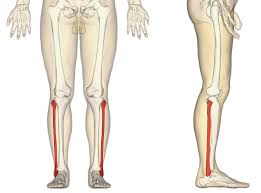
Which bone is highlighted
femur
radius
tibia
fibula
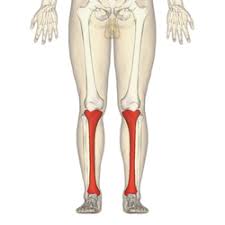
Which bone is highlighted
fibula
tibia
ulna
radius
Which of the following bones is not weight-bearing?
femur
tibia
fibula
talus


Identify the highlighted bone area
Sacrum
Pubis
Ilium
Pelvic girdle

Name the bone shown in green.
Zygomatic
Patella
Cranium
Phalanges
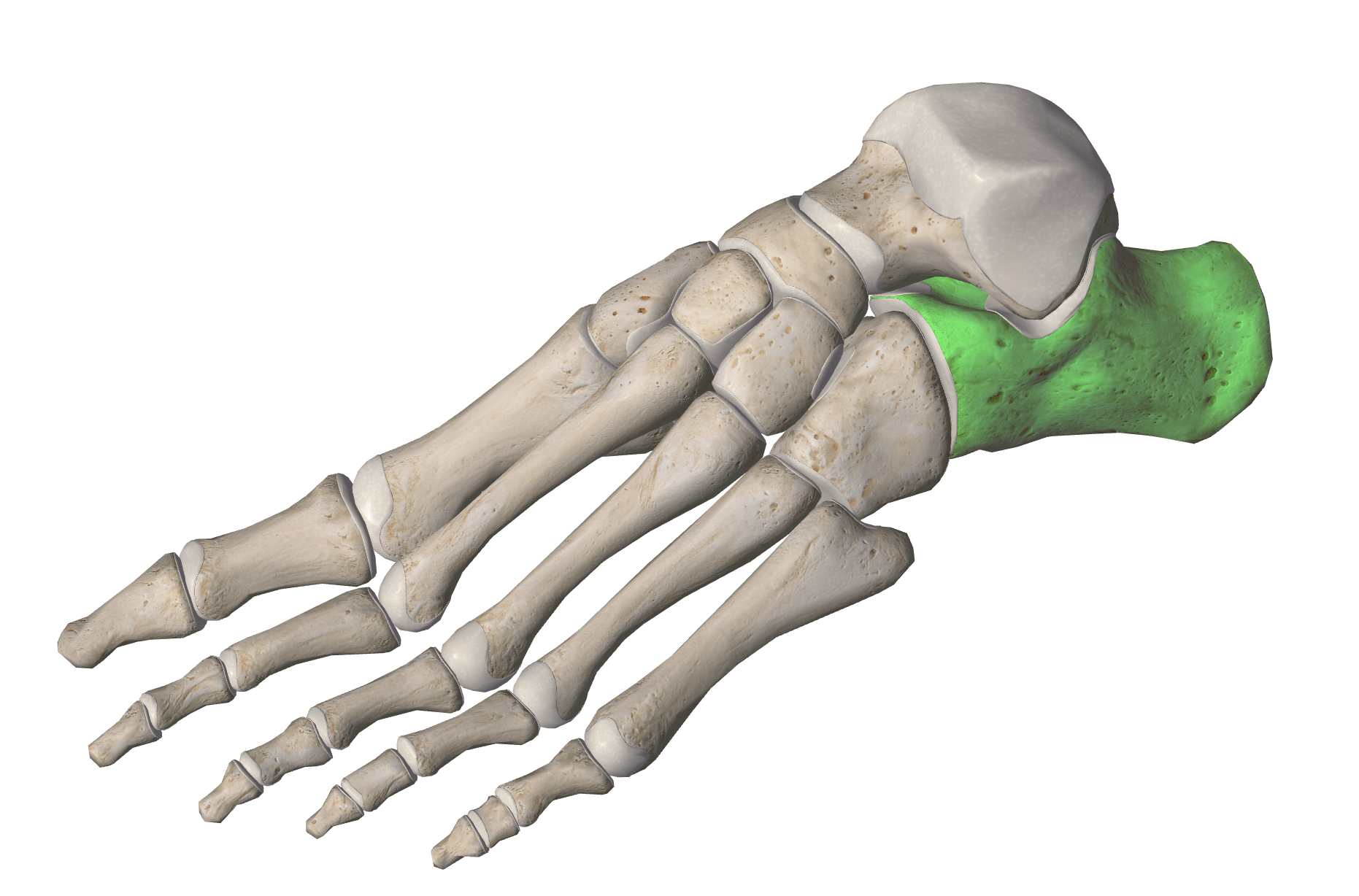

Identify the highlighted part of this bone
Iliac crest
Pubis
Ilium
ischium

Identify the highlighted part of this bone
Iliac crest
Pubis
Ilium
Ischium

Identify the highlighted part of this bone
Iliac crest
Pubis
Ilium
Ischium

Identify the highlighted bone (your tailbone)
sacrum
coccyx
pubis
lumbar

Identify the highlighted bone
sacrum
coccyx
pubis
lumbar

Identify Bone H
Phalange
Metatarsal
Tarsal
Coxal
The true wrist or carpus consists of:
a group of 8 short bones united by ligaments
the phalanges
the styloid processes of the radius and the ulna
the metacarpals
The _______ is located on the medial side of the forearm.
capitulum
radius
ulna
humerus
The collarbone is also known as the:
ulna
radius
humerus
clavicle
The shinbone is also known as the:
femur
tibia
fibula
talus
Anatomical name for kneecap
tibia
patella
fibula
cuboid
Two bones, the ___ and the ulna, form the skeleton of the forearm.
radius
tibia
fibula
femur
The skeleton of the hand consists of the ___, the metacarpals, and the phalanges.
tarsals
metatarsals
carpals
fibula
The ___, or thigh bone, is the only bone in the thigh.
humerous
femur
radius
ulna
The tibia and ___, form the skeleton of the leg.
femur
fibula
radius
ulna
The ___ is also known as the shin bone.
femur
fibula
radius
tibia
The foot, composed of the ___, metatarsals, and phalanges
tarsals
carpals
metacarpals
The bones of the fingers and toes are called ___.
carpals
phalanges
tarsals
metacarpals
Each shoulder girdle, or pectoral girdle consists of two bones, a clavicle and a ___.
tibia
scapula
sternum
carpal
The ___ is a large flaring bone that forms most of the hip bone.
ilium
ischium
pubis
The ___ bone is the strongest bone in the body.
humerous
femur
radius
ulna
The bones in the palm area of the hands are called ___.
carpals
phalanges
tarsals
metacarpals

What is the pink bone?
Scaphoid
Lunate
Triquetrum
Trapezoid

What is the turquoise bone?
Lunate
Capitate
Trapezium
Trapezoid

What is the light green bone?
Triquetrum
Trapezium
Trapezoid
Pisiform

What is the red bone?
Pisiform
Triquetrum
Trapezoid
Trapezium

What is the gold bone?
Trapezium
Trapezoid
Triquetrum
Hamate

What is the dark green bone?
Trapezoid
Trapezium
Triquetrum
Hamate

What is the light yellow bone?
Capitate
Lunate
Hamate
Scaphoid

What is the dark blue bone?
Hamate
Trapezium
Triquetrum
Trapezoid

yellow
Pisiform
Trapezium
Trapezoid
Capitate
dark blue
Pisiform
Trapezium
lunate
Capitate
light green
Hamate
Triquetrum
lunate
Capitate
orange
Hamate
Triquetrum
Trapezoid
Scaphoid
pink
Hamate
Triquetrum
Trapezoid
Scaphoid
light blue
Hamate
Triquetrum
lunate
Capitate
red
Trapezoid
Triquetrum
Trapezium
Capitate
dark green
Trapezoid
Triquetrum
Trapezium
Capitate

A
Calcaneus
Talus
Cuboid
Intermediate Cuneiform
B
Calcaneus
Talus
Cuboid
Intermediate Cuneiform
C
Medial Cuneiform
Navicular
Cuboid
Intermediate Cuneiform
D
Medial Cuneiform
Navicular
Cuboid
Intermediate Cuneiform
E
Medial Cuneiform
Navicular
Lateral Cuneiform
Intermediate Cuneiform
F
Medial Cuneiform
Navicular
Lateral Cuneiform
Intermediate Cuneiform
G
Medial Cuneiform
Navicular
Lateral Cuneiform
Intermediate Cuneiform

