Worksheets
Review fossils, evolution, geologic time
Total questions: 70
Worksheet time: 2hrs 44mins
Which type of rock are most fossils found?
sedimentary rock
metamorphic rock
igneous rock
fossils
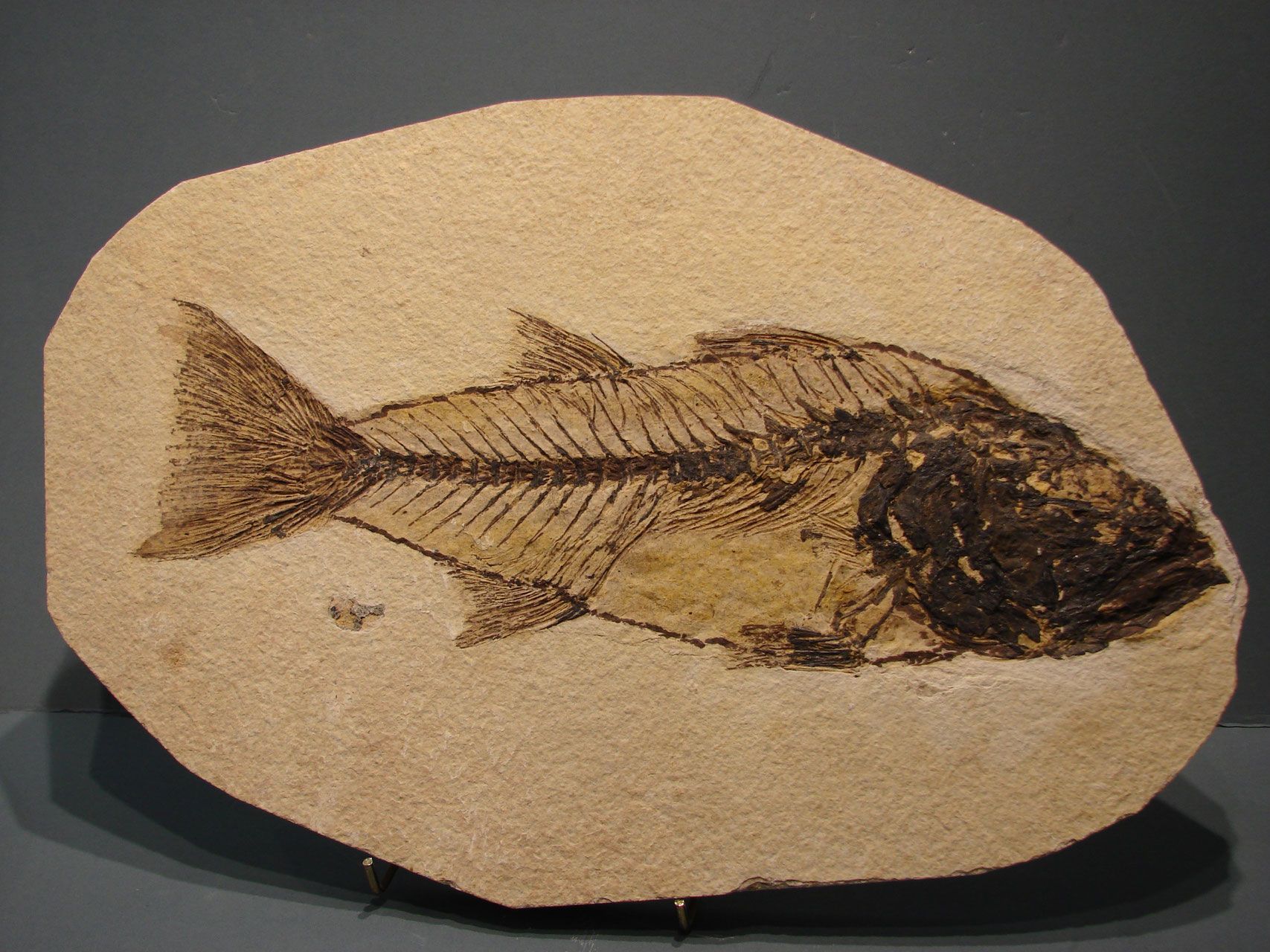
If a scientist found a fish fossil in the desert, what can they infer?
An animal ate the fish.
The water covered the area long ago.
Today's fish looks the same
The fish is endangered.

This type of fossil is tree sap hardened and replaced by minerals.
Petrified wood
Imprint
Amber
Mold

What type of fossil is pictured here?
Forest fossil
Trace fossil
Cast fossil
Body fossil
Which organism is most likely to become fossilized in the next million years?
a butterfly
a giraffe
an octopus
an earthworm
Which type of fossil preservation is a thin carbon silhouette of the original organism?
cast
carbon film
mold
petrified
Evidence that an organism lived a long time ago is called _________.
The past
A fossil
A rock
A mineral
Earth’s surface features slowly change over time. For example, sharp, jagged mountain ranges become lower and more rounded over time. What factor or factors is/are responsible for this change in their shape?
deposition
weathering and erosion
movement of continents
collisions between continental plates
Fossil can tell scientist
about the environment millions of years ago
how plants and animals have changed over time
how the Earth has changed over time
All are correct
What is it called when the complete group of organisms in that species dies off.
endangered
dinner
extinct

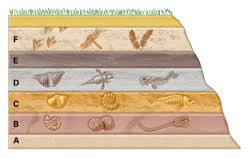
The youngest fossils in the rock strate are?
Ammonite and gastropods
Fern
trilobites
The oldest fossils in the rock strate are?
Ammonite and gastropods
Fern
trilobites
An insect trapped in amber from a tree-like sap called resin, and a wooly mammoth frozen in ice are examples of?
Preserved Fossils
Mold Fossils
Cast Fossils
Trace Fossils
A fossil...
Gives clues to the diversity of organisms on earth
Gives clues to past climates and surface changes
Gives clues to changes with organisms over time
All of the Above
8.
According to the Law of Superposition, the oldest layers of rock are always at the bottom, and the youngest layers are always at the top, if the rock layers have not been disturbed.
True
False
Most fossils that are found are...
Skin and Hair
Hard Parts like Bones, Teeth, and Shells
Organs
Small pieces of rock and sand
fossil
sediment
trace fossil
preserved
Where are fossils found?
All over the world
In oceans
On mountains
Mostly in Africa
In danger of becoming extinct.
preserved
sediment
endangered
minerlized
Coal, natural gas and oil are all examples of _______
trace fossils
fossil fuels
body fossils
petrified fossils

Which of the following orders the rock layers accurately from oldest to youngest?
1, 2, 3, 4, 5
5, 4, 3, 2, 1
2, 3, 4, 5, 1
1, 2, 3, 5, 4


Which of the following offers a possible list of the layers in order from oldest to youngest?
A, B, C, D, E
E, C, B, D, A
E, D, C, B, A
C, B, A, D, E

Layer B on Site #1 (left) is a match to which layer on Site #2 (right)?
z
y
w
there is no match


Suppose the blue star represents a certain fish species. When did this species go extinct at this location?
at the end of the Cretaceous
at the end of the Jurassic
during the Permian
at the end of the Triassic

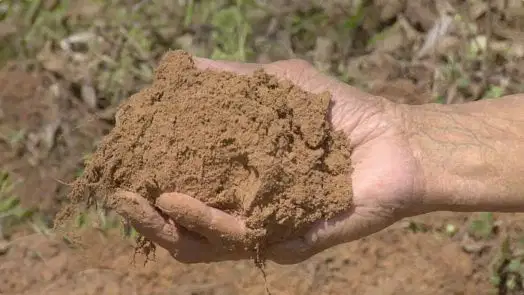
What is Silt?
Fine sand, clay, or other material carried by moving water and deposited at the bottom of a body of water like the ocean.
Sedimentary rocks
Impression or other preserved sign of activity such as feeding, scratching, burrowing, walking, or resting.

Sedimentary rocks are made when sand and mud gets laid down in layers.
Over time, these layers are squashed under more and more layers.
Eventually, the layers turn into rock
False
True
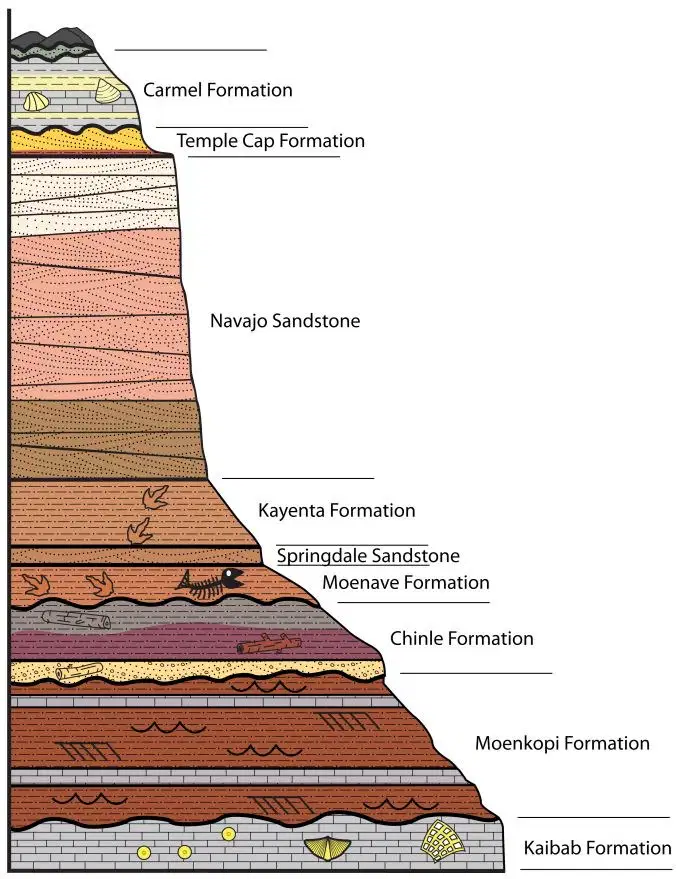
Layers of sedimentary rock that compile and compress
over time that can trap fossils within them is called_________>
Mold Fossil
Strata
Trace Fossil
None of the above.
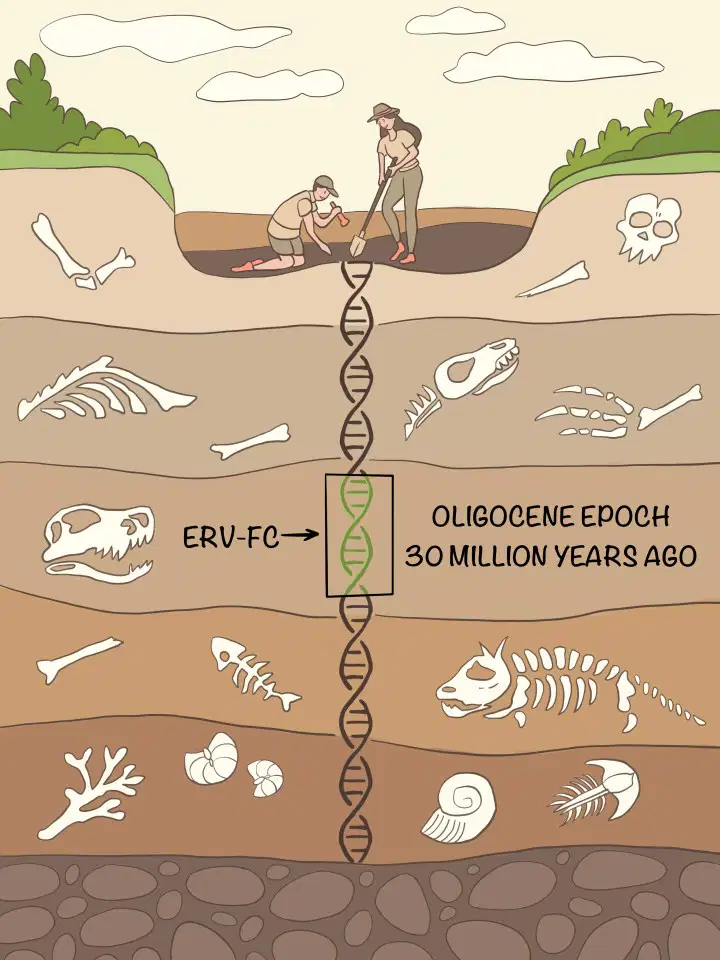
A collection of fossils over time that shows changes in organisms is a _________.

Which statement correctly describes the relative ages of the rock layers shown in the diagram?
The left part of layer B is younger than the right part
The left part of layer F is the same age as layer M
Layer R is older than layer M
Layer I is older than Layer B

If fossils in layer D are 100 million years old and in layer B they are 110 million years old, how old might are the fossils in layer C? Choose the best answer.
90 million years old
120 million years old
105 million years old
50 million years old

In rock layers shown in the picture, the oldest layer is (a) .

What type of rocks are formed inside the volcano when magma cools down?
Sedimentary rocks
Metamorphic rocks
Intrusive igneous rocks
Extrusive igneous rocks

What are extrusive igneous rocks formed from?
Magma cooling inside the Earth
Magma reaching Earth's surface and cooling
Sediments compacting and cementing
Heat and pressure changing rocks

What changes sedimentary rocks into metamorphic rocks?
Cooling
Melting
Heat and pressure
Weathering and erosion

What is formed when sediments are compacted and cemented?
Igneous rock
Metamorphic rock
Sedimentary rock
Magma

This rock was formed by smaller pieces of rock that settled at the bottom of a lake millions of years ago. What type of rock is this?
Sedimentary
Igneous
Metamorphic

This rock started as molten magma. What type of rock is this?
Sedimentary
Igneous
Metamorphic

This rock was another type of rock that was heated and compressed over time. What type of rock is this?
Sedimentary
Igneous
Metamorphic

Which process is best illustrated by the diagram?
igneous rock formation
sedimentary rock formation
igneous rocks changing into metamorphic rocks
sedimentary rocks changing into metamorphic rocks

Cooling & crystalization produce
igneous rocks
metamorphic rocks
sedimentary rocks

Choose the number where the following description best fits: Hot lava cools.
1
3
4
5

Choose the number where the following description best fits: Great pressure and heat.
1
2
3
4
What is weathering?
Sediments are stuck together
Sediments are moved from one place to another
Sediments are stopped in a new place
Rocks are broken down into sediments
What is erosion?
Sediments are stuck together
Sediments are moved from one place to another
Sediments are stopped in a new place
Rocks are broken down into sediments

The Mount Rushmore National Monument is carved from the granite (formed from magma underground) of South Dakota's Black Hills. What type of rock is granite?
Igneous
Metamorphic
Sedimentary
None of the above
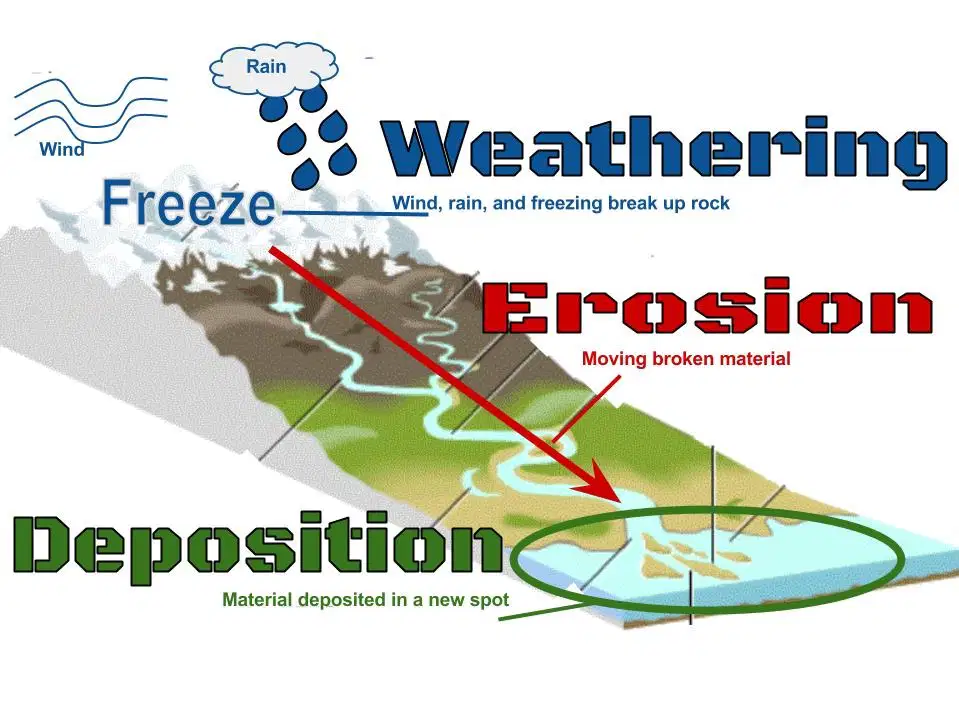
Weathering is the (a) of rock. Erosion is the (b) of rock. Deposition is where rock (c) .(Words used in forming sedimentary rock)
breaking
moving
stops at a new spot

According to the diagram, how does a sedimentary rock become a metamorphic rock?
Weathering and Erosion
Heat and Pressure
Compaction and Cementation
Melting


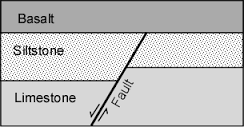
What could have caused this split?
Wind
Rain fall
Earthquake

What formed the Grand Canyon
Glaciers
Humans
Dinosaurs
River

Which rock layer is probably the oldest?
A
B
C

Which rock layer is probably the youngest?
A
B
C