
Font size
 Worksheets
QUIZ HUMAN CIRCULATORY SYSTEM A LEVEL
Total questions: 80
Worksheet time: 52mins
Which of the following is called the pacemaker of the heart?
Bundle of His
Sinoatrial node
Purkinje fibers
Atrioventricular node
The top number in a blood pressure reading is also called the _____ number
diastolic
systolic
pulse pressure
hypertension
The diastolic blood pressure reading is the number on _____ and means the heart is at ______
bottom, rest
bottom, at work
top, at work
top, at rest
A normal, soft, waxy substance found among lipids (fats) in the bloodstream and all body cells is called
lipids
lipoproteins
cholesterol
triglycerides
A myocardial infarction is also known as a
cancerous tumor
heart attack
stroke
surgical procedure to repair a vessel
The purpose of the heart valves are to
slow the blood as it enters a ventricle
slow the blood as it enters the atria
prevent blood from flowing backward
prevent blood from flowing into the lungs
Blood returns to the heart from the lungs through what vessel?
Aorta
Pulmonary veins
Pulmonary arteries
Inferior vena cava
Blood flows from the right atrium to the right ventricle through this valve
mitral valve
tricuspid valve
aortic valve
pulmonary valve
Blood flows from the the left ventricle to the aorta through this valve
aortic valve
bicuspid valve
mitral valve
pulmonary valve
Type of circulation that refers to blood flow from the heart to the lungs and back to the heart again?
Systemic circulation
Renal circulation
Portal circulation
Pulmonary circulation
Type of circulation that refers to the blood flowing through the entire body?
Systemic circulation
Renal circulation
Portal circulation
Pulmonary circulation
Coronary arteries...
supply the heart muscle cells with a supply of blood.
supply the brain cells with a supply of blood.
contain deoxygenated blood.
when clogged, cause a stroke.
The type of blood vessel that normally carries de-oxygenated blood back to the heart from body cells?
arteries
capillaries
veins
The type of blood vessel where exchange of gases, nutrients, and wastes occurs?
arteries
capillaries
veins

An abnormal widening/ballooning of a portion of an artery.
aneurysm
embolism
thrombosis
atherosclerosis
A blood clot that travels through the circulatory system and eventually becomes lodged within a blood vessel?
aneurysm
embolism
thrombosis
atherosclerosis
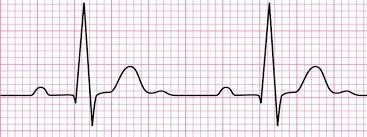
Type of device that measures the electrical currents created by the SA and AV nodes?
AED
MRI
ECG
CAT Scan

The main vein(s) that brings blood to the right atrium?
Aorta
Pulmonary veins
Superior and Inferior vena cava
Jugular vein

Name part N.
Right atrium
left atrium
right ventricle
left ventricle

Name part A.
Pulmonary artery
Pulmonary vein
Superior vena cava
Aorta

Name part M.
Tricuspid valve
Semilunar valve
Bicuspid valve
Mitral valve

When blood is blocked to the brain, it causes...
a heart attack.
high blood pressure.
a stroke.
sickle cell anemia.

Cholesterol is associated with which heart disease?
Arteriosclerosis
Atherosclerosis
SIckle Cell Anemia
Hypertension

Which phase of an ECG signals when the ventricles contract?
P
QR
QRS
T
S
Which phase of an ECG signals when the ventricles relax?
P
QR
QRS
T
S

Electrical fibres running through the ventricles are called
SA Node
AV Node
Bundle of His
Purkinje Fibres
During a heart attack, some of the cells in the thick layer of muscle in the heart walls die. This layer of muscle is called the
epithelial tissue layer.
pericardium.
epicardium
myocardium
In the heart, the mixing of oxygen-rich and oxygen-poor blood is prevented by the
mitral valve.
tricuspid valve
Septum
Pericardium
The heart is made from a muscle called
skeletal muscle
myocardium
smooth muscle
valves
Which chamber has the thickest muscle layer?
The left ventricle
The right ventricle
The left atrium
The right atrium
Which structure has the thinnest muscle layer?
The atrium
The left ventricle
The septum
The right ventricle

Which structure pumps oxygen-poor blood to the lungs?
The left atrium
The right atrium
The left ventricle
The right ventricle

Which chamber accepts oxygen-rich blood from the lungs?
The left atrium
The right atrium
The left ventricle
The right ventricle

Which chamber accepts oxygen-poor blood from the body?
The left atrium
The right atrium
The left ventricle
The right ventricle
Which structure prevent blood from flowing backward through the heart?
The valves
The septum
The myocardium
The chambers
Which structure brings oxygen-poor blood from the lower body to the heart?
The aorta
The inferior vena cava
The superior vena cava
The pulmonary arteries
If a person has a blood pressure reading of 150/90
High blood pressure
Normal blood pressure
low blood pressure
Fatty deposits called plaque build up in the walls of arteries, causing a condition known as
a stroke.
hypertension.
atherosclerosis.
a heart attack.
Which TWO vessels transport blood away from the heart?
Aorta
Vena Cava
Pulmonary Vein
Pulmonary Artery
The semilunar valves close during -
Ventricular systole
Ventricular diastole
Atrial Systole
Atrial Diastole

5. What do you call that aids blood clotting (or coagulation) by clumping together at the site of an injury, adhering to the lining of the wounded blood vessel, and producing a platform for blood coagulation to take place?
A. Artery
B. Blood
C. Platelets
D. Red Blood Cells
During diastole what is happening to the heart?
The ventricles are contracting
The atria and ventricles are relaxing
The atria are contracting and the ventricles are relaxing
The ventricles and the atria are contracting

What initiates the heart beat?
The brain
The AVN
Hormones such as adrenaline
The SAN
Heart Attack, Stroke & Atherosclerosis are examples of?
Respiratory Diseases
Cardiovascular Diseases (CVD)
Cholesterol
Hypertension

What blood vessel is number 9?
Vena cava
Pulmonary artery
Aorta
Pulmonary vein
What blood vessel is number 7?
Vena cava
Pulmonary artery
Aorta
Pulmonary vein
What is the valve between chamber 6 and chamber 5?
Tricuspid valve
Bicuspid valve
Aortic valve
Pulmonary valve
Where is there oxygenated blood?
1, 2, 6, 7
3, 4, 5, 6
1, 2, 3, 4
5, 6, 7, 8
When the heart beat is listened to using a stethoscope, there are two sounds. These are often described as “lub” followed quickly by “dupp”.
Which one of the following contributes to the second “dupp” sound?
The closing of the bicuspid (mitral) valve.
The opening of the tricuspid valve.
The closing of the semi-lunar valves.
The opening of the semi-lunar valves.

At which labelled point, A, B, C or D does the semi-lunar valve in the aorta open?
A
B
C
D

At which labelled point, A, B, C or D does the semi-lunar valve in the aorta close?
A
B
C
D

At which labelled point, A, B, C or D does the bicuspid (mitral) valve close?
A
B
C
D

What happens at Y
Bicuspid is closed and semilunar is open
Bicuspid is open and semilunar is open
Bicuspid is closed and semilunar is closed
Bicuspid is open and semilunar is closed
What happens at Z
Bicuspid is closed and semilunar is open
Bicuspid is open and semilunar is open
Bicuspid is closed and semilunar is closed
Bicuspid is open and semilunar is closed
What is the difference between the pulmonary vein and all the other veins of an adult?
It carries oxygen-poor blood, while the other veins carry oxygen-rich blood
It carries oxygen-rich blood, while the other veins carry oxygen-poor blood
It carries blood to the heart, while the other veins carry blood away from the hear
It carries blood away from the heart, while the other veins carry blood to the heart

Which letter is the pulmonary artery?
N
M
A
C
Which is true for diastole?
atrium relaxes, ventricle contracts, semilunar valve is closed
atrium relaxes, ventricle relaxes, atrioventricular valve is closed
atrium relaxes, ventricle relaxes, semilunar valve is closed
atrium contracts, ventricle relaxes, atrioventricular valve is open
Which of the following are true about the atria?
They have a thick wall
They are the receiving chambers
Have a thin wall
Are the discharging chambers
What is the correct path through the circulatory system which describes the passage of a blood clot originating in the left leg?
Vena cava--> right atrium--> right ventricle--> lungs-->left atrium-->left ventricle-->aorta
Vena cava--> left atrium--> right ventricle--> lungs-->left ventricle-->right ventricle-->aorta
Vena cava--> left atrium--> left ventricle--> lungs-->right atrium-->right ventricle-->aorta
Vena cava--> right atrium--> left atrium--> lungs--> right ventricle--> left ventricle-->aorta

Look at number 5, 8, and 14. Those are.....
tricuspid valve, pulmonary valve, and pulmonary veins
tricuspid valve, aortic valve, and pulmonary artery
mitral valve, pulmonary valve, and pulmonary artery
tricuspid valve, aortic valve, and pulmonary veins
Which of the following is true of an artery?
One, some or all answers could be correct?
it carries blood back to the heart
it has a thick layer of elastic tissue
it has a thin layer of muscle tissue
it has a narrow lumen

A condition in which the pressure of the blood on the walls of the blood vessels stays at a level higher than normal.
heart attack
hypertension
stroke
angioplasty
Normal blood pressure is
130/80
120/60
120/80
110/80

An inflammation of the inner most lining of the heart, including the inner surface of the chambers and the valves.
myocaditis
pericarditis
cardiomyopathy
endocarditis
Commonly referred to as "chest pains", the heart is receiving an insufficient amount of blood during stressful situations or exercise
ischemia
angina pectoralis
atherosclerosis
aneurysm
Where is the heart beat initiated?
right atrium
right ventricle
left atrium
left ventricle
Where does the tricuspid valve prevent backflow of blood?
From the right atrium to the right ventricle.
From the right ventricle to the right atrium.
From the left atrium to the left ventricle.
From the left ventricle to the left atrium.
Which of the following options occur during ventricular systole in a mammalian heart?
ventricular volume increases
bicuspid (mitral) valve opens
ventricular pressure increases
aortic pressure decreases
Where are the Purkyne (Purkinje) fibres in the heart located?
The outer wall of the left ventricle.
The outer wall of the right ventricle.
The wall of the right atrium.
The septum.
Which one of the following contributes to the first “lub” sound?
The closing of the bicuspid (mitral) valve.
The opening of the tricuspid valve.
The closing of the semi-lunar valves.
The opening of the semi-lunar valves.

