
 Worksheets
RENEWABLE, NON RENEWABLE RESOURCES QUIZ
Total questions: 145
Worksheet time: 3hrs 55mins
Is Oil renewable or non renewable?
Renewable
Non-renewable
Is wind renewable or non-renewable?
Renewable
Non-renewable
Is hydroelectric energy renewable or non-renewable?
Renewable
Non-renewable
Is Sun energy renewable or non-renewable?
Renewable
Non-renewable
Is Geothermal energy renewable or non-renewable?
Renewable
Non-renewable
Is Biomass energy renewable or non-renewable?
Renewable
Non-renewable
Is Coal non-renewable or renewable?
Renewable
Non-renewable
Is nuclear energy renewable or non-renewable?
Renewable
Non-renewable
Is gas renewable or non-renewable?
Renewable
Non-renewable
What resource is used mostly to power our homes?
Coal
Oil
Water
__________ is a resource that WILL NOT run out in the next several hundred years.
Renewable resource
Non-renewable resource
__________ is a resource that WILL run out in the next several hundred years.
Renewable resource
Non-renewable resource
Which of the following is a renewable resource?
Sunlight
Oil
Coal
Natural gas
Which of the following is a non-renewable resource?
Coal
Water
Sunlight
Wind

Plants and animals are also renewable resources.
True
False
Oil, coal and natural gas are considered non-renewable resources because people use them faster than they can form.
True
False

Solar Power is a __________ energy resource.
Non-renewable
Renewable
Coal is a __________ energy resource.
Renewable
Non-renewable

Wind is a __________ energy resource.
Non-renewable
Renewable

Where does most of Earth`s energy come from?
Wind
Sun
Water
Resources that are not able to be reproduced as quickly as they are used are called _____.
Renewable resources
Non-renewable resources

Coal is burned to heat water so that the _______ can turn turbines.
Fire
Steam
Gorillas
Wind

What are fossil fuels?
Solar, Wind, Hydro
Coal, Solar, Natural Gas
Coal, Oil, Natural Gas

Uranium atoms are split to create a tremendous amount of heat in a _____ power plant.
Biomass
Geothermal
Nuclear
Hydro-electric
Which of the following is a renewable resource?
Oil
Solar
Coal
Natural Gas

Natural Gas is a __________ energy resource.
Renewable
Non-renewable

Oil is a __________ energy resource.
Renewable
Non-renewable
Why are fossil fuels considered non-renewable resources if they are still forming beneath the surface today?
They are being formed as a type of methane which we cannot use.
They are being formed too far beneath the surface.
We are depleting the fossil fuels much faster than they can form.

Natural Gas is a __________ energy resource.
Renewable
Non-renewable

Energy that uses heat that comes from within the earth is called
Geological
Hydroelectric
Geothermal
Geographic

Hydro Power is a __________ energy resource.
Renewable
Non-renewable
Fossil Fuels are...?
A group of energy resources that were formed from ancient plants and organisms
A type of petrol used to power dinosaur cars.
An energy resource that can be quickly and easily replaced.
One ADVANTAGE of using fossil fuels is that:
They are better for the environment.
They can produce extremely high amounts of energy.
They contribute to the greenhouse effect.
They will never run out.
What is one DISADVANTAGE of using fossil fuels?
Fossil fuels will never run out.
Fossil fuels are very efficient forms of energy and are readily available, making them cheaper.
Burning fossil fuels contributes to the greenhouse effect which causes global warming.
Fossil fuels are better for the environment.
What is one ADVANTAGE of using renewable resources?
They will never run out.
They are more expensive.
They are bad for the environment.
What is one DISADVANTAGE of using renewable resources?
They are not as efficient as burning fossil fuels.
They will eventually run out.
They are cheaper and better for the environment.
In which country can you find the most Uranium?
Saudi Arabia
USA
Iran
Australia
Which is the biggest source of energy in Australia?
Solar
Coal
Oil
Wind
Compare renewable and non-renewable resources using ONE example for each.

Is Uranium...
A renewable resource
A non-renewable resource
A fossil fuel
What is a natural resource?
Material from the Earth that people use for their needs.
A place hidden in the mountains.
An object made from natural things.
__________ is an energy resource that WILL NOT run out in the next several hundred years.
Renewable Energy Resource
Non-Renewable Energy Resource
__________ is an energy resource that WILL run out in the next several hundred years.
Renewable Energy Resource
Non-renewable Energy Resource
Which of the following is a renewable resource?
Oil
Solar
Coal
Natural Gas
Which of the following is a non-renewable resource?
Water
Sun
Coal
Win
What are the 3 fossil fuels?
coal, oil, uranium
coal, hydroelectric, oil
natural gas, oil, coal

Coal is a __________ energy resource.
Renewable
Non-renewable
Hyrdo Power is a __________ energy resource.
Renewable
Non-renewable
Solar Power is a __________ energy resource.
Renewable
Non-renewable
Natural Gas is a __________ energy resource.
Renewable
Non-renewable
Oil is a __________ energy resource.
Renewable
Non-renewable
Wind is a __________ energy resource.
Renewable
Non-renewable
Geothermal Power is a __________ energy resource
Renewable
Non-renewable
Which of the following is a non-renewable resource?
Water
Wood
Oil
Fossil Fuel are?
A group of energy resources that were formed from ancient plants and organisms
A group of dinosaur fossils
A type of gas used for planes
Oil
renewable
non renewable
Water
Renewable- but we need to use it with caution
Non-renewable
The earth makes new water every day so we can use as much as we want
Making sure that people have what they need today, but also that the next generations have what they need, too.
conservation
sustainability
non renewable
The wise use of our resources
sustainability
renewable
conservation
The sun's energy
renewable
non-renewable
minerals like copper, aluminum, and gold
renwable
non-renewable
both renewable and non-renewable
Recycling is an example of what?
renewable resources
conservation
non-renewable resources
What is a natural resource?
Material from the Earth that people use for their needs.
A place hidden in the mountains.
An object made from natural things.
__________ is an energy resource that WILL NOT run out in the next several hundred years.
Renewable Energy Resource
Non-Renewable Energy Resource
__________ is an energy resource that WILL run out in the next several hundred years.
Renewable Energy Resource
Non-renewable Energy Resource
Which of the following is a renewable resource?
Oil
Solar
Coal
Natural Gas
Natural Gas is a __________ energy resource.
Renewable
Non-renewable
Resources that are not able to be reproduced as quickly as they are used are called _____.
renewable resources
replaceable resources
non renewable resources
non replaceable resources
Which are non renewable resources?
(Choose all correct answers)
natural gas
coal
water in a dam
oil
nuclear energy
Which of these are renewable resources?
coal
wind
geothermal
water in a dam
biomass
What is a natural resource?
Material from the Earth that people use for their needs.
A place hidden in the mountains.
An object made from natural things.
__________ is an energy resource that WILL NOT run out in the next several hundred years.
Renewable Energy Resource
Non-Renewable Energy Resource
__________ is an energy resource that WILL run out in the next several hundred years.
Renewable Energy Resource
Non-renewable Energy Resource
Solar Power is a __________ energy resource.
Renewable
Non-renewable

What is one disadvantage of using solar power?
It is free
At night, no power can be made
It is renewable
What is one disadvantage of using wind power?
It is renewable
The wind is everywhere
It is not always windy
Which of the following is a renewable resource?
Oil
Solar
Coal
Natural Gas
Coal is a __________ energy resource.
Renewable
Non-renewable
Hyrdo Power is a __________ energy resource.
Renewable
Non-renewable
Geothermal Power is a __________ energy resource
Renewable
Non-renewable
Fossil Fuel are?
A group of energy resources that were formed from ancient plants and organisms
A group of dinosaur fossils
A type of gas used for planes
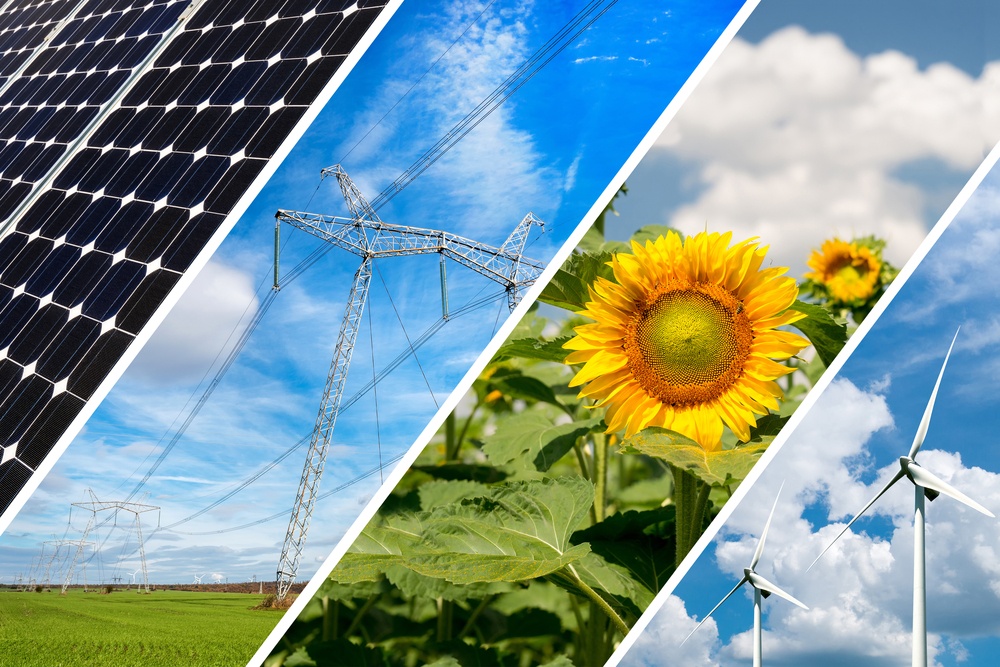
A natural resource is....
a resource that forms much more slowly than it is consumed
a natural resource that can be replaced at the same rate at which it is consumed
any natural material that is used by humans

Choose ALL of the nonrenewable energy resources
sun
fossil fuels
nuclear fuel
wind
natural gas
What effect does the sun have on surface water?
It causes it to boil
It causes it to rain
It causes it to sink
It causes it to evaporate
When water vapor is cooled and forms droplets of liquid water
Condensation
Evaporation
Transpiration
Runoff

What is precipitation?
Sweat from our bodies on hot days
Warm rain but not cold snow or sleet
Gas that we use in furnaces or ovens
Any form of water that falls from the sky
The process when plants release water vapor from their leaves is called _____________.
precipitation
evaporation
transpiration
condensation

What step of the water cycle does this picture show?
Condensation
Runoff
Precipitation
Evaporation

What are formed when water vapor condenses and come together?
Clouds
Mountains
Transpiration
Valleys

Is precipitation any form of water that falls back to earth?
Yes
No
When clouds fill with water and can't hold anymore, the water falls from the clouds as -
precipitation
clouds
The process by which water changes from a liquid to a gas.
evaporation
condensation
sublimation
precipitation
Plants return groundwater to the atmosphere through which process?
evaporation
sublimation
transpiration
condensation
The process in which water vapor in the air is changed into liquid water is called:
evaporation
transpiration
sublimation
condensation
When water deos not get absorbed into soil or evaporate into the atmosphere it becomes __________.
precipitation
sublimation
runoff
transpiration
What effect does the sun have on surface water?
It causes it to boil
It causes it to rain
It causes it to sink
It causes it to evaporate

what goes first in the water cycle
evaporation
condensation
surface runoff
precipitation
What is the energy source for the water cycle?
sun
wind
rain
oceans
Water in its gas form is called ____________________,
water vapor
precipitation
ice
air
Which of the following is an example of precipitation?
sleet
hail
snow
all of the above
Precipitation means...
water vapor cooling to form clouds
water running downhill
water falling from the sky
water heating up and rising as gas
Runoff means...
water vapor cooling to form clouds
water running downhill
water falling from the sky
water heating up and rising as gas
Condensation means...
water vapor cooling to form clouds
water running downhill
water falling from the sky
water heating up and rising as gas
What effect does the sun have on surface water?
It causes it to boil
It causes it to rain
It causes it to sink
It causes it to evaporate
When water vapor is cooled and forms droplets of liquid water
Condensation
Evaporation
Transpiration
Runoff
What is precipitation?
Sweat from our bodies on hot days
Warm rain but not cold snow or sleet
Gas that we use in furnaces or ovens
Any form of water that falls from the sky
The process when plants release water vapor from their leaves is called _____________.
precipitation
evaporation
transpiration
condensation
What step of the water cycle does this picture show?
Condensation
Runoff
Precipitation
Evaporation
When water deos not get absorbed into soil or evaporate into the atmosphere it becomes __________.
precipitation
sublimation
runoff
transpiration
When water vapor is cooled and forms droplets of liquid water
Condensation
Evaporation
Transpiration
Runoff
________________ is movement of water past the soil going deep into the groundwater.
Evaporation
Transpiration
Percolation
Sublimation
____________________ is the process by which water on the ground surface enters the soil.
Infiltration
Percolation
Deposition
Condensation
__________________ is the process by which moisture is carried through plants from roots to small pores on the underside of leaves, where it changes to vapor and is released to the atmosphere. It is essentially evaporation of water from plant leaves.
Transpiration
Percolation
Infiltration
Plant Uptake
Water that flows across the land and enters rivers and streams. It eventually flows into lakes and the ocean.
Transpiration
Surface Runoff
Deposition
Precipitation
What is it called when water sticks to water?
Cohesion
Adhesion
Capillary Action
Xylem
What allows water to stick to particles of dust in the air, thereby condensing to form clouds?
Cohesion
Adhesion
Dipole moment
Phloem
How does water enter a plant?
through the stomata
through the roots
by active transport in root hair cells
by osmosis in root hair cells
This vascular tissue (tubes) is responsible for the transportation of water and minerals up from the roots to the stem then leaves
Stomata
Shoot
Phloem
Xylem
What ions cause hardness in water?
(all two)
Calcium
Sodium
Magnesium
Hydrogen
Select one way to reduce water use.
wash dishes under a running tap
install a rain barrel to downspouts
take baths instead of showers
Wastewater from people’s homes that can be recycled and put to good use. Treated groundwater can be used to irrigate both food and non-food producing plants.
Blackwater
Sewage
Greywater
Rainwater

