Worksheets
Weathering, Erosion & Deposition
Total questions: 144
Worksheet time: 2hrs 48mins
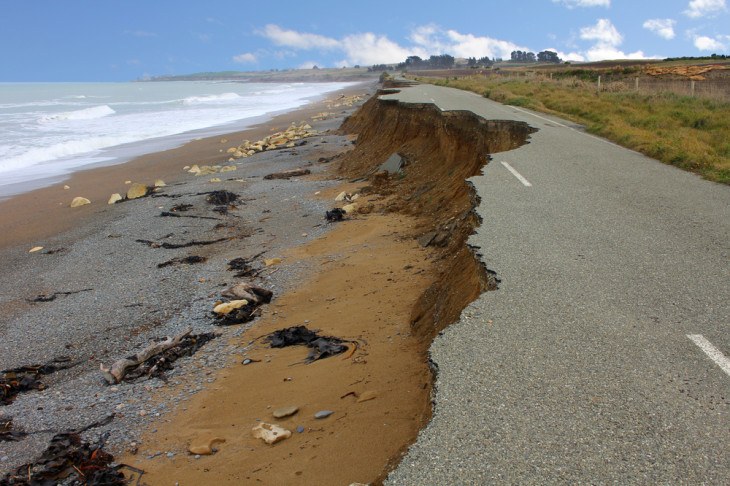
What caused this road to erode?
Strong Wind
Waves of Water
Ice
Humans digging
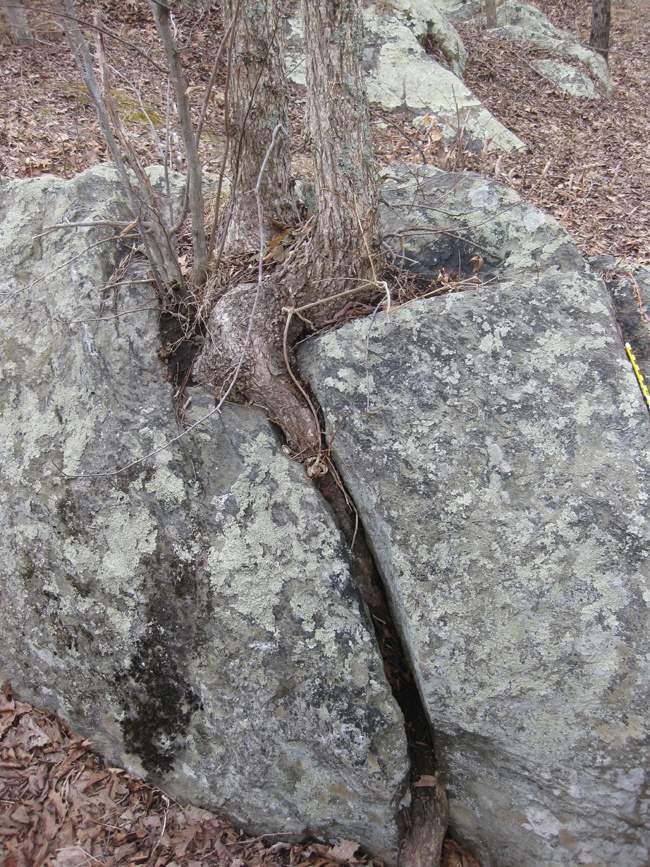
What type of weathering is this?
Ice
Chemical
Wind
Biological
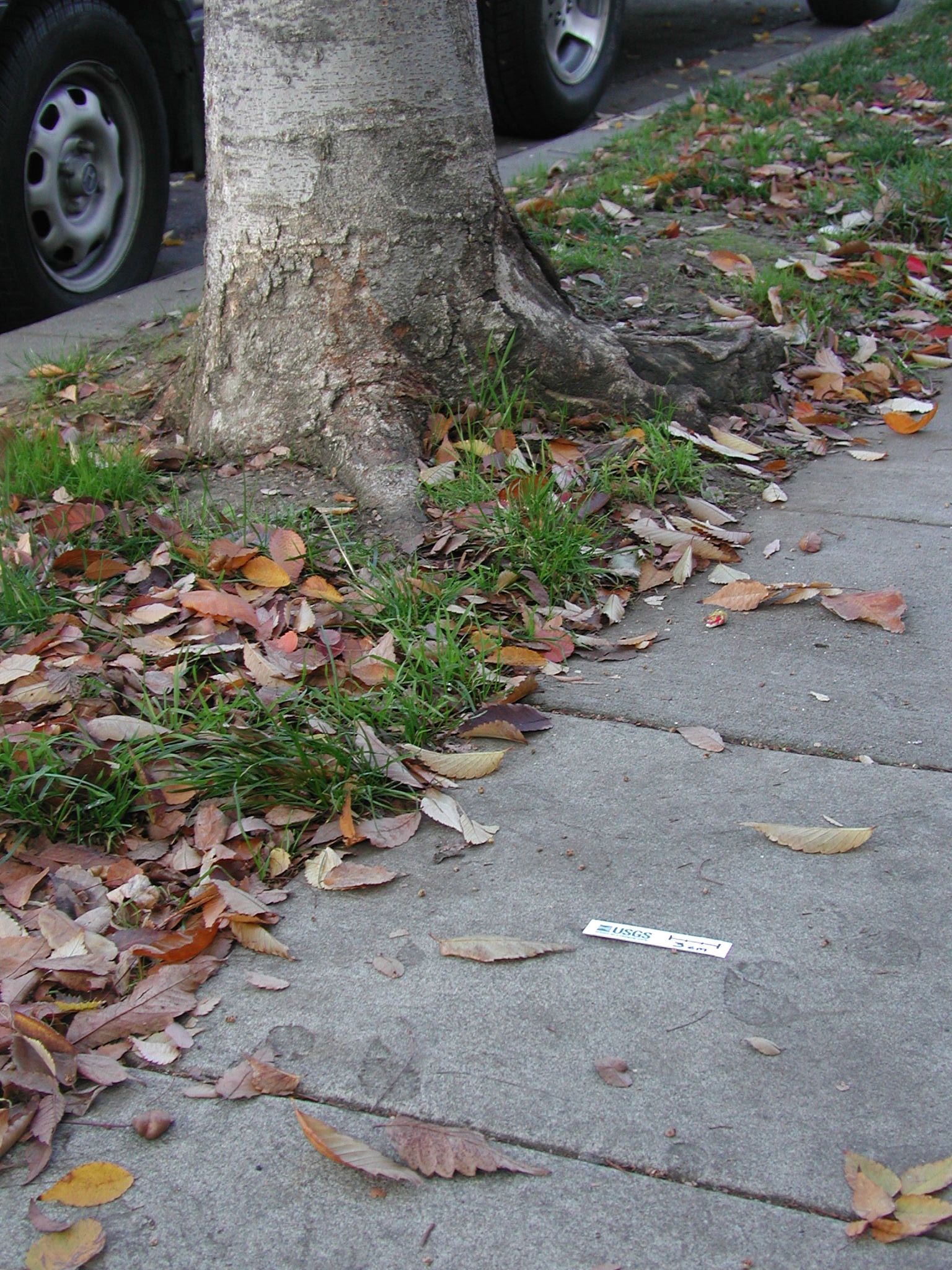
What will happen to this sidewalk if the tree continues to grow?
The roots will grow away from the sidewalk
The roots will grow and break the sidewalk into pieces.
The roots will stop growing
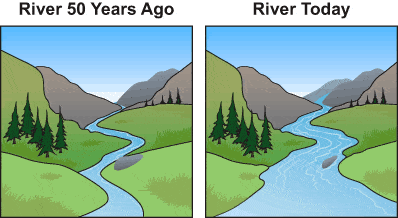
How is the river changing the valley over time?
The river is drying up, exposing rocks
The river becomes more narrow
The river freezes
The river is widening, covering more land and rocks.
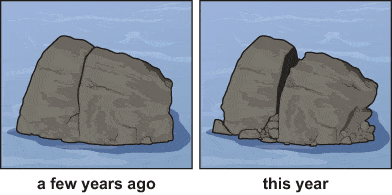
What most likely caused this rock to change?
Water got into the crack & froze many times
Wind quickly blew sand into the crack
sunlight made the rock get hot & burst
Does weathering and erosion happen quickly?
Yes
No
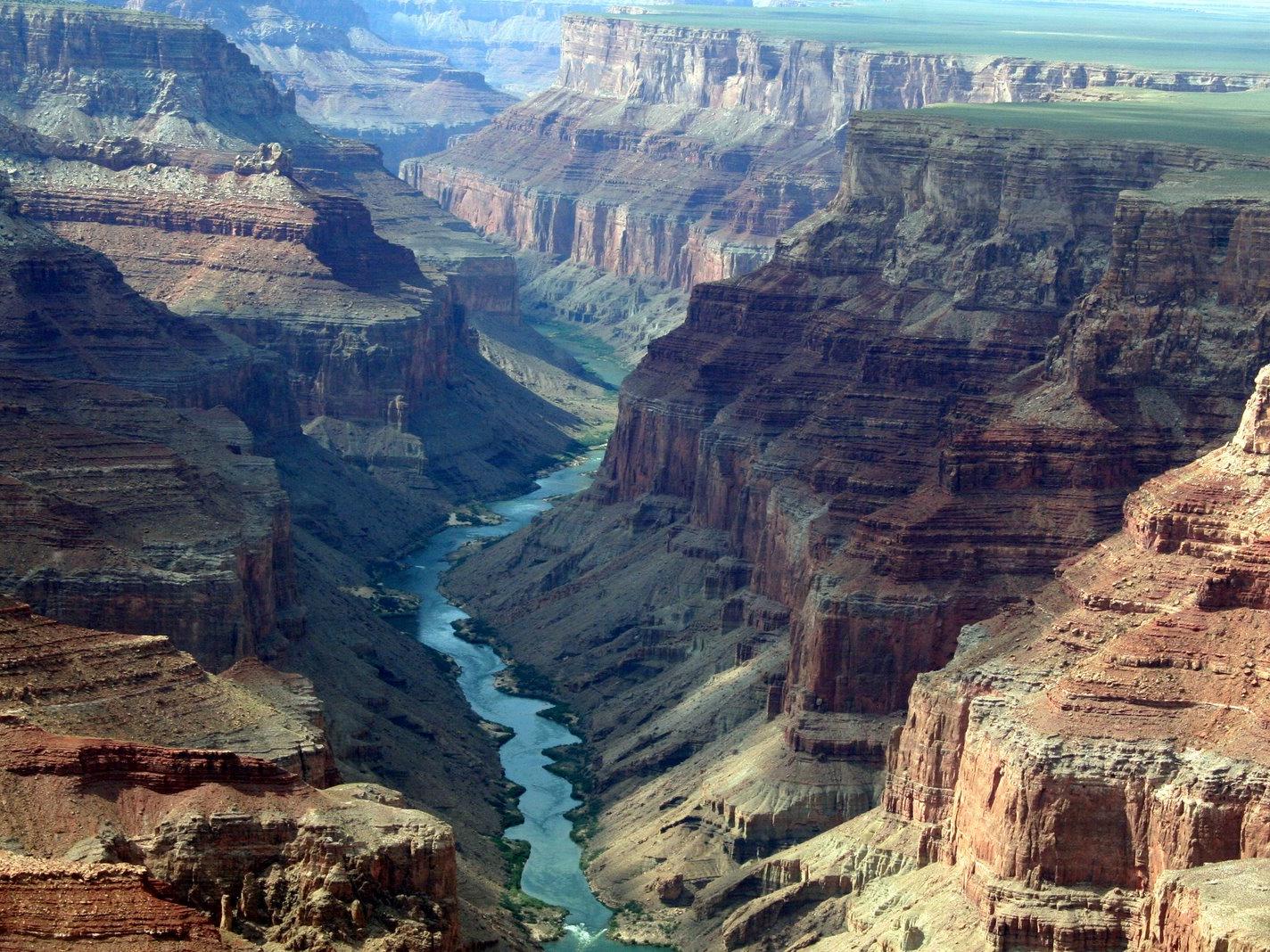
What created the Grand Canyon?
Earthquakes tore the land in half.
Floods quickly caused landslides.
Rain, wind & the river slowly carved into the rock & soil.
Large erupting volcanoes.
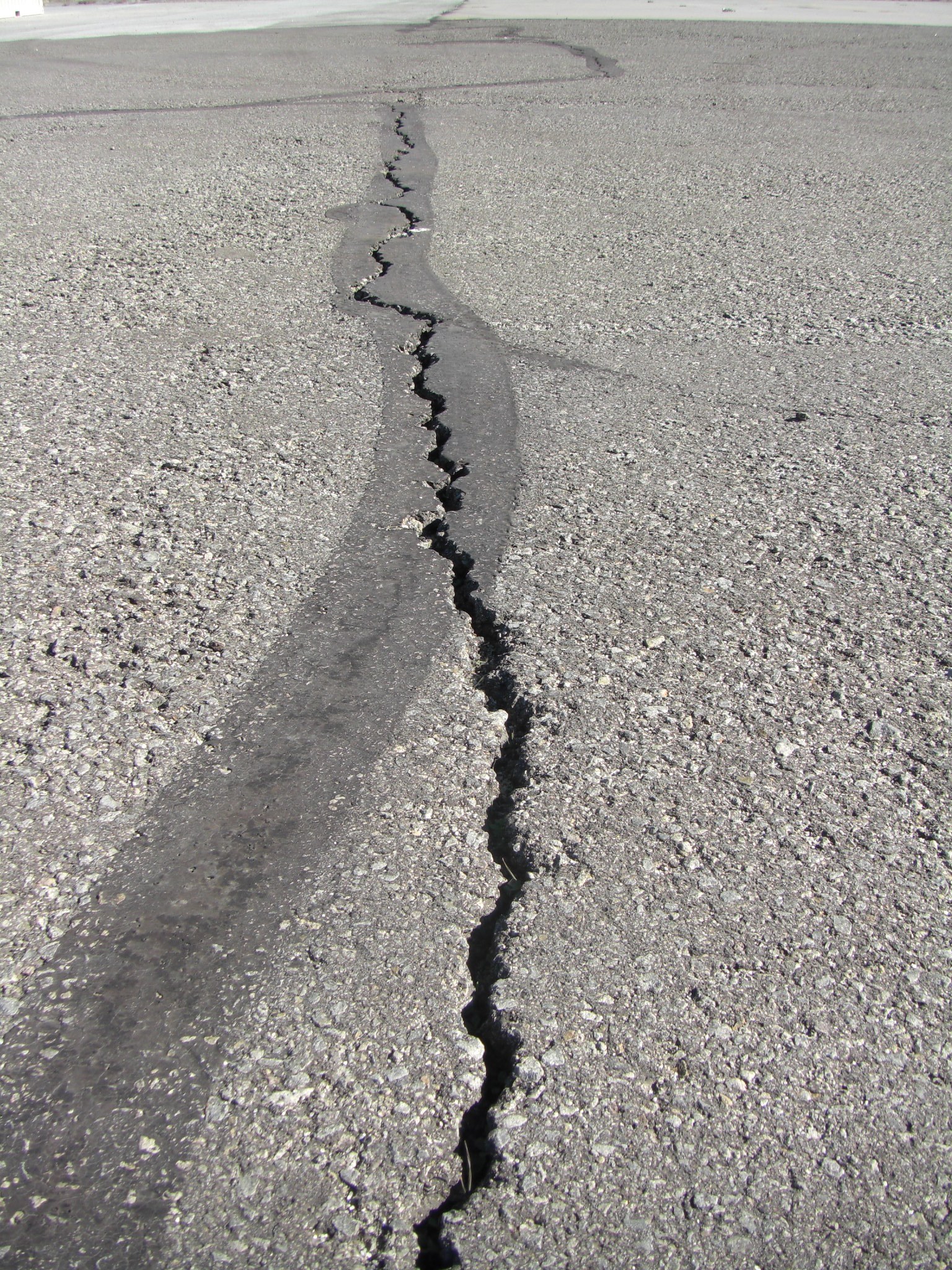
What most likely caused this crack in the road?
Tectonic Shift
Acid Rain
Ice Wedging
Root Wedging
Which is an example of wind weathering?
A rock cracking in half
A root breaking a sidewalk
A road cracking in winter
A desert rock changing shape over many years
What is the correct sequence?
Deposition, Erosion, Weathering
Weathering, Erosion, Deposition
Erosion, Deposition, Weathering
Erosion, Weathering, Deposition
Plants growing in rocks is an example of...
Weathering
Erosion
Wind blowing rocks away is an example of....
Weathering
Erosion

The acid normally involved in the formation of limestone caves is:
hydrochloric acid
nitric acid
carbonic acid
sulfuric acid


Mounds of wind-deposited sand in deserts & on shorelines are:
sea arches
sea stacks
sand dunes
cliffs

The extremely slow (the slowest) mass movement of material down a slope is called
mudslides
creep
slump
avalanche


What is the breakdown of the Earth’s crust into sediment called?
erosion
deposition
weathering

What is it called when weathered rock is carried away?
weathering
erosion
deposition
Which one of the examples below is physical weathering?
lichens growing on rock
acid rain wearing away limestone
oxidation (rusting) of a flag pole
frost wedging splitting a rock apart

Which of these terms describes the process of acid rain wearing out limestone?
deposition
chemical weathering
physical weathering
erosion
Which of these is an example of erosion?
light shining onto a mountain
wind blowing away sediment
rain breaking down rock
all options are correct
What is the process called when a glacier deposits rocks in oceans and lakes?
deposition
chemical weathering
physical weathering
erosion

Which of these examples is deposition?
wind blowing sand
sand that was dropped on the beach by waves
pebbles falling downhill due to gravity
a tree root breaking a rock

What is the movement of weathered material (sediment) from one place to another by wind, water, gravity, or ice?
erosion
deposition
chemical weathering
physical weathering
Extreme temperature changes is an example of what type of weathering?
chemical
physical

Weathering, erosion, and deposition impact Earth's geographic features.
true
false

___ moves material from one place to another.
Weathering
Erosion
Deposition
___ changes the identity of rocks & it involves a chemical reaction or change.
Physical weathering
Chemical weathering
Deposition
Erosion

This is an example of __.
physical weathering
chemical weathering

This is the process of dropping sediment in a new location.
Weathering
Erosion
Deposition

Rain washing away soil from a hillside is an example of...
physical weathering
erosion
deposition
chemical weathering

The process by which rocks are broken down
Weathering
Deposition
Erosion

The process in which wind, water, ice or gravity transport rock fragments from one location to another
Weathering
Deposition
Erosion

The process in which sediment drops to the bottom of the water or wind that is carrying it:
Weathering
Erosion
Deposition

Fragments of weathered rocks are known as ____.
sediments
deposits
limestones
sandstones

The MECHANICAL breaking down of rocks into smaller pieces is...
Physical weathering
Chemical weathering

The breakdown and decomposition of rocks as a result of chemical reactions and processes
Physical weathering
Chemical weathering

Water gradually wearing down and smoothing rocks over a long period of time is an example of...
physical weathering
chemical weathering
deposition
erosion

When iron in rocks reacts with oxygen, it forms iron oxide (rust), which weakens rocks and causes them to break apart. This is an example of...
physical weathering
chemical weathering
erosion
deposition
Rain washing away soil from a hillside is an example of...
physical weathering
erosion
deposition
chemical weathering

Waves dropping sand onto land until a beach is formed is an example of...
physical weathering
erosion
deposition
chemical weathering

An avalanche is an example of...
physical weathering
chemical weathering
erosion
deposition

Over long periods of time, deposition may change the Earth's surface by...
forming new land features.
washing away beaches.
breaking down large rocks in to smaller ones.
moving topsoil.

What causes the greatest amount of erosion on beaches?
Waves
Glaciers
Wind
Gravity

What is an enormous mass of ice moving over land, causing weathering of rock and soil?
A glacier
An iceberg
An ice wedge
A sand dune
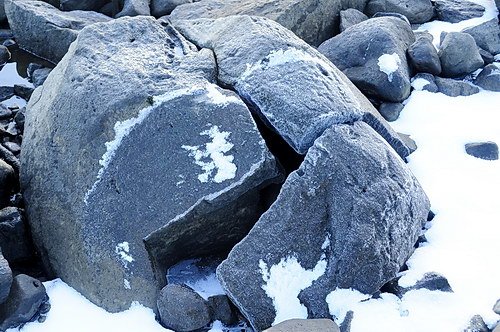
How does freezing water cause the weathering of rocks? The freezing water—
keeps the rocks in place.
makes the rocks last longer.
expands cracks and breaks rocks.
causes rocks to fall in landslides.

Which of the following is NOT a slow change to Earth's surface?
Weathering
Erosion
Deposition
Landslides
A delta is formed by the action of -
weathering
erosion
deposition
condensation


A farmer's topsoil is blown away during a hurricane is an example of __.
weathering
erosion
deposition
_____ is the movement of soil & rock by wind, water, ice, & gravity.
Weathering
Erosion
Deposition
___occurs when eroded materials stop moving & begin to build up.
Weathering
Erosion
Deposition
_____ is a process that weathers rock without a chemical reaction or change.
Mechanical weathering
Chemical weathering
Deposition

This is an example of __.
mechanical weathering
chemical weathering

A __ is a wetland area that forms as river waters empty into a larger body of water.
dune
delta
slump
gully
While camping, Stefan & Adrien wake one morning to discover that their car & tent are covered with a thin layer of sand. This is an example of:
Weathering
Erosion
Deposition

Hillsides are sometimes terraced to grow plants. What is the purpose of using terraces?
to keep roots from spreading
to increase wind erosion
to retain soil & water
to provide protection from animals
The rate of soil erosion will be higher in a field of crops planted in rows than in a field covered with grass because
grass grows lower to the ground than most crops
more soil is exposed to wind and water
most crops grow lower to the ground than grass
less soil is exposed to wind and water

The picture shows a kind of glacier that can be many meters thick. In this landscape, which of the following is most likely directly affected by this kind of glacier?
The average height of plants on the mountainside
the average mass of trees near the lake
the shape of clouds that form above the glacier
the shape of the valley between the mountains
Which of the following is the most important factor in the erosion of soil?
none of the choices
wind
glaciers
water
Which of these processes describes how sand is deposited on beaches?
waves carry sand to the beach and the sun dries the water, leaving sand behind.
Wind and waves grind up rocks under the beach into grains of sand.
Wind carries sand onto beaches from the land and then levels it out.
waves carry sand up the sloping beach, depositing sand as the waves lose speed.

In Spring 2003, a natural rock outcropping in New Hampshire called the Old Man of the Mountain collapsed. Which of the following most likely loosed the rock and caused it to fall?
oxygen reacting with iron on the surface of the rock
heat turning sedimentary rock into metamorphic rock
volcanic activity producing pressure at the rock's base
water freezing and thawing inside cracks in the rock
Plants/animals digging under ground with roots or claws to break apart rocks is called:
Creep
Abrasion
Burrowing
Exfoliation

The image above depicts the effects of chemical weathering breaking down limestone. Which type of chemical weathering causes this reaction?
Acid rain
Oxidation
Exfoliation
Abrasion
Over millions of years, the shape of mountains on Earth's surface can change to low hills & then rolling plains. These changes are most likely caused by-
Deposition
Volcanoes & Earthquakes
Human activity
Weathering & Erosion
Ashley wanted to demonstrate weathering & erosion. She put the same number/size of rocks into 2 tin cans, then added a small amount of water to both cans. Can A was shaken at a constant rate for 15 minutes, and can B was shaken for 60 minutes. Ashley then drained out all of the water & placed the rocks on the desk to observe. What is the best prediction of how how the rocks will look after this experiment?
The rocks in can B will become larger & rounder than can A
The rocks in can B will become smaller & rounder than can A
The rocks in can A will become smaller & rounder than can B
The rocks in can A will become larger & rounder than can B
Which type of area is more likely to weather & erode? An area with a lot of vegetation or an area with very little? Why?
The area with very little vegetation, because the roots won't be able to burrow through the rocks to weather it down.
The area with a lot of vegetation, because the roots will burrow through the rocks causing a landslide.
The area with very little vegetation, because it has no roots to absorb extra water or hold the soil together. The extra water & loose soil is likely to become a landslide/mudslide.
The area with a lot of vegetation, because the roots will absorb any extra rain water, & will also hold the soil together preventing a landslide.
What is the difference between weathering and erosion?
Erosion breaks down the rocks, and weathering carries the broken pieces away.
Erosion carries broken pieces away, and weathering builds the pieces back up into another land mass.
Weathering carries broken pieces away, and erosion builds the pieces back up into another land mass.
Weathering breaks down rocks, and erosion carries the broken pieces away.
Liam prepares a model by filling a plastic bottle with water, capping it tightly, & placing it in the freezer for 24 hours. After 24 hours, there are large cracks on the bottle's sides. Liam's model most likely represents which of the following types of weathering:
Acid rain
Oxidation
Frost wedging
Plucking

Which term best describes the graphic organizer in circle T?
Ice wedging
Abrasion
Oxidation
Burrowing animals

___ is the dropping off/ depositing of rocks.
Erosion
Deposition
Weathering
Which of the following is NOT one of the main factors that cause Weathering?
plant roots
Fast flowing lotic water
cycle of water freezing and melting in cracks
gravity

What is weathering?
occurs when the eroded materials are dropped or laid down
fragments of weathering rocks
the process by which rock materials are broken down by the action of physical and chemical process
the process by which wind, water, ice or gravity transport weathered materials from one location to another

What is sediment?
occurs when the eroded materials are dropped or laid down
fragments of weathering rocks
the process by which rock materials are broken down by the action of physical and chemical process
the process by which wind, water, ice or gravity transport weathered materials from one location to another
In the pictures below, choose each picture that shows different types of physical weathering.


In the pictures below, choose a picture that shows physical weathering of rock that has abrasion caused by wind.
In the pictures below, choose a picture that shows chemical weathering of rock.
Which picture shows an animal causing physical weathering?


What type of chemical weathering is in the picture shown?
oxidation
mosses and lichens
acid precipitation
Which picture represents a glacier eroding a valley?


Which picture represents water eroding sediment?

What happens to the sediment when a river slows down at a curve?
the river picks up larger pieces of sediment
the river loses energy & drops sediment
the river gains energy & picks up large boulders
the river stops all erosion at this point

What geologic process is happening to the rock in this picture?
The rock is being physically weathered by the tree roots
The rock is being chemically weathered by the tree roots
The rock is being eroded by the tree roots
The rock is being deposited by the tree roots

What geologic process happens when a delta forms as a river is emptied into the ocean?
the sediment's composition is being changed by oxidation
the sediment is being eroded by the river and deposited into the ocean
the sediment has experienced frost wedging

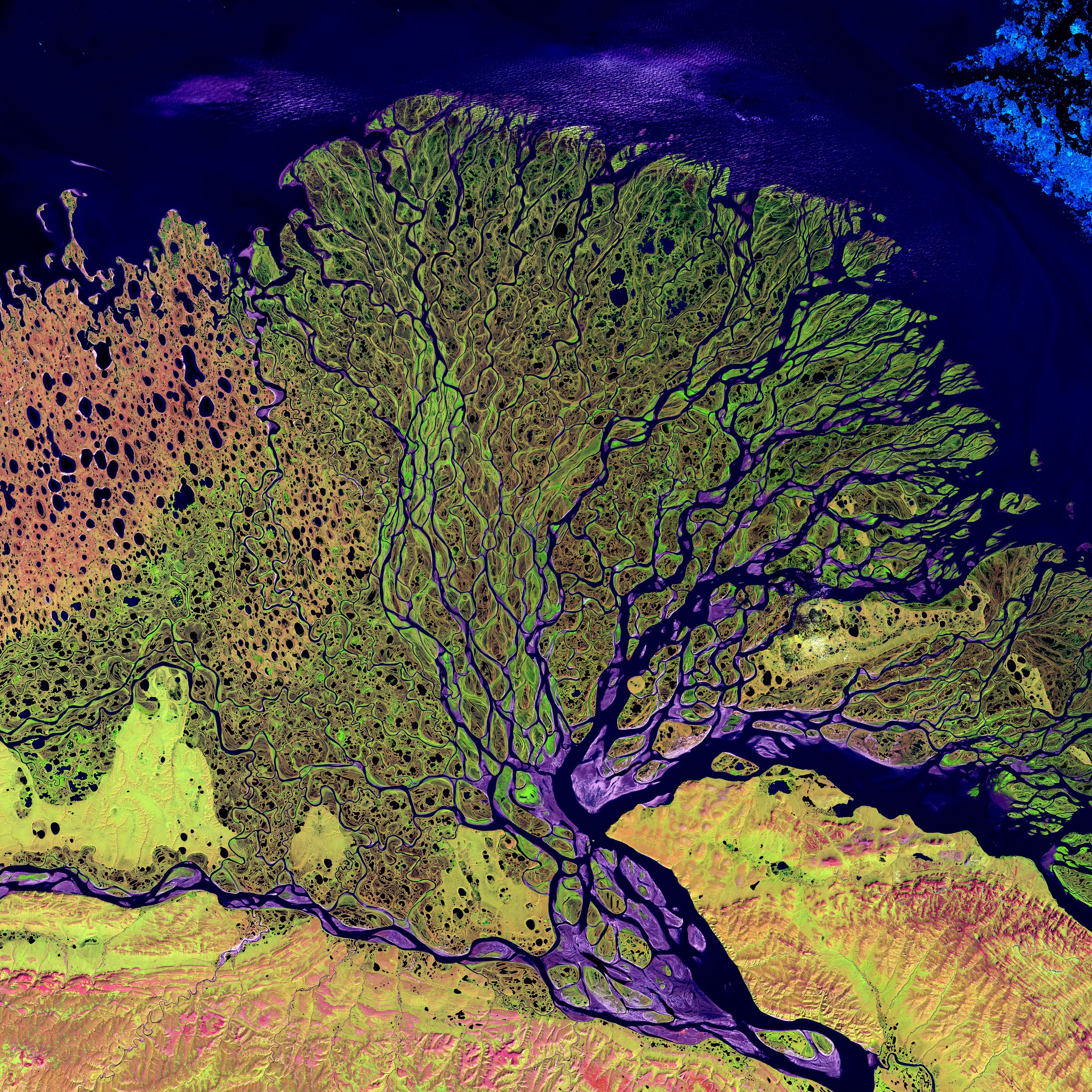
Deltas are mainly created by the process of -
deposition
weathering
waves
erosion


Limestone reacting with an acid is an example of
mechanical weathering
chemical weathering
erosion
deposition

A sidewalk being cracked by tree roots is an example of
mechanical weathering
chemical weathering
erosion
deposition

A statue being broken down by reacting with acid rain is an example of
mechanical weathering
chemical weathering
erosion
none of these

This arch was created by pieces of rock being washed away by the waves. This is an example of
weathering
erosion
deposition
none of these
When areas of uneven elevation get heavy rains, landslides can form. Landslides are most likely to form
in areas that have temperatures close to freezing.
in regions with dense rock under the soil layer.
on the tops of very tall mountains.
on the slopes of very steep hills.

Alex creates the model shown of a stream bed. They want to demonstrate how natural processes can change the surface of Earth through deposition & erosion. They pour water on their model & makes observations. In which situation will more deposition than erosion occur in Alex's stream bed model?
More deposition will occur if the slope of the stream increases.
More deposition will occur if sediment in the stream decreases.
More deposition will occur if sediment in the stream increases.
More deposition will occur if the speed of the stream water decreases.
Sam noticed after a heavy rainstorm that the loose dirt in their backyard had been moved around, creating channels & mounds. Select two of the processes that took place in Sam's backyard.
oxidation
deposition
creep
weathering
erosion

Based on the diagram, structure X is
a delta that is changing due to sediment deposits from ocean currents.
an island that is changing due to the movement of plate boundaries.
a delta that is changing due to sediment deposits from a river.
an island that is changing due to increasing volcanic lava flow.
MOVING small rocks to another place is
weathering
erosion
deposition
All of these are correct
Dropping off & building from pieces of rocks is:
weathering
erosion
deposition
None of these
Breaking rocks into smaller pieces is called
weathering
erosion
deposition
all of these
Wind blowing & moving sand is:
Weathering
Erosion
Deposition
Waves dropping sand on the beach is called?
Weathering
Erosion
Deposition
Not enough information to answer this question
Fiat noticed water getting into the cracks of a rock, freezing, & then ultimately breaking the rock. What process did Fiat observe?
Weathering
Erosion
Deposition
All of these
Waves dropping sand on the beach is best described as:
Weathering
Erosion
Deposition

The photograph shows a valley created by a glacier. The result of this glacial action will be a
U-shaped valley with well-sorted, rounded sediment
U-shaped valley with scratched and grooved bedrock
V-shaped valley with scratched and grooved bedrock
V-shaped valley with well-sorted, rounded sediment
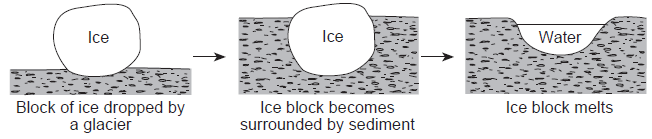
The diagram below shows a glacial landscape feature forming over time from a melting block of ice. This glacial landscape feature is best identified as
a kettle lake
an outwash plain
a oxbow lake
a moraine
a drumlin
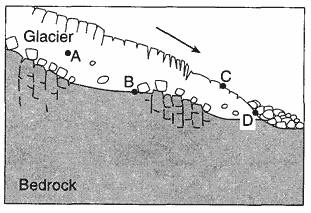
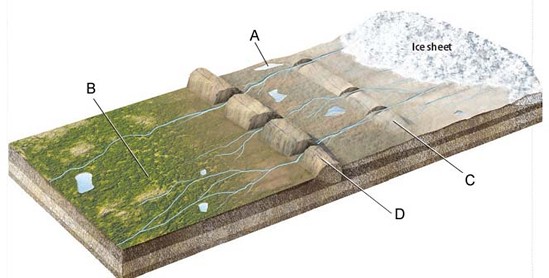
The cross section below represents the transport of sediments by a glacier. At which location is deposition most likely the dominant process?
A
B
C
D
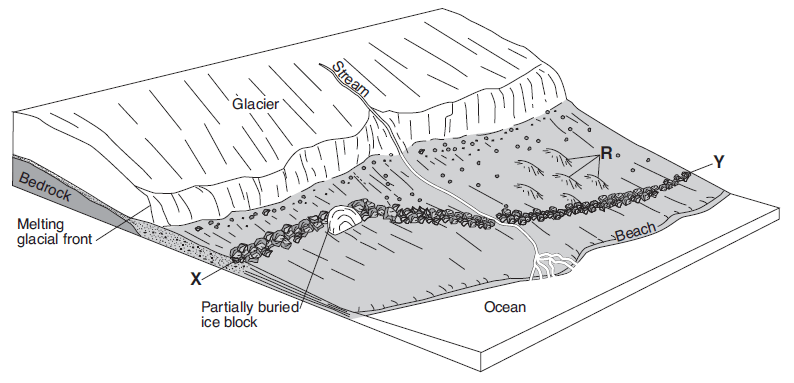
Which feature will most likely form when the partially buried ice block melts?
drumlin
morraine
kettle lake
till
sand dune
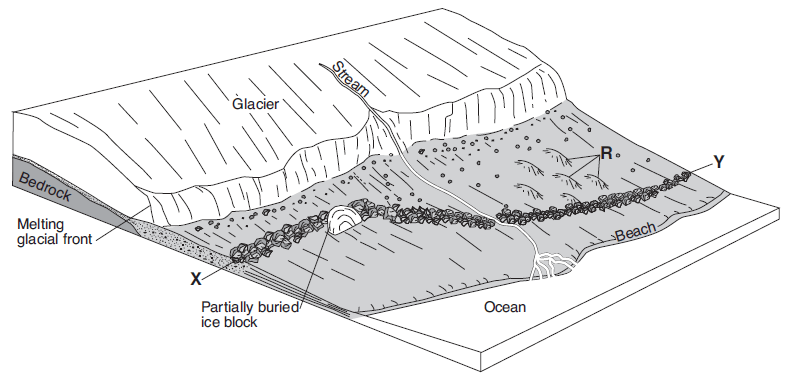
The elongated hills labeled R are most useful in determining the
age of the glacier
direction of movement of the glacier
size of the glacier
velocity of the glacier

Which characteristic would most likely decrease along the reference line from A to B? (Traveling away from the mouth of the river)
the density of the water
the size of the sediments
the amount of salt in solution
the depth of the water
As snow builds up it __ the bottom layers.
Compresses
Depresses
Builds up
Does nothing to
Freeze thaw is:
This process is when water gets into cracks in the rock. As the water in the cracks freezes, it expands and breaks the rock up.
This process is when ice gets into cracks in the rock. As the ice in the cracks freezes, it shrinks and breaks the rock up.
This process is when water gets into cracks in the rock. As the water in the cracks melts, it expands and breaks the rock up.
This process is when water gets into cracks in the rock. As the water in the cracks freezes, it expands and brings the rock together.

What is this image representing?
Abrasion
Plucking
Freeze Thaw
Deposition
Why do glaciers move?
Gravity
Weight
Gravity& weight
Neither gravity nor weight
When a large amount of dirt and rock move downhill, this is known as a
mud slide
landslide
creep
rock fall
If a large amount of sediment suddenly slips downhill in one huge mass, it is called a
slump
avalanche
creep
drumlin

Arrows on the map show the location & orientation of glacial striations on the surface bedrock. Dark shading shows the location of large moraines. How were the striations made?
Frost action cracked the bedrock during the ice age.
Rocks at the bottom of the glaciers were dragged over the bedrock.
Particles carried by winds scratched the bedrock during the ice age.
Particles carried by glacial meltwater eroded the bedrock.
Which landscape feature was most likely formed by glacial activity?
an eroded plateau
a flat floodplain
a U-shaped valley
a V-shaped valley

unsorted rock material deposited directly by ice as it melts is called
moraines
sediments
till
particles

_____ are are lines deposited at bottom or along sides of glaciers.
Drumlins
Till
Kettle Lakes
Moraines
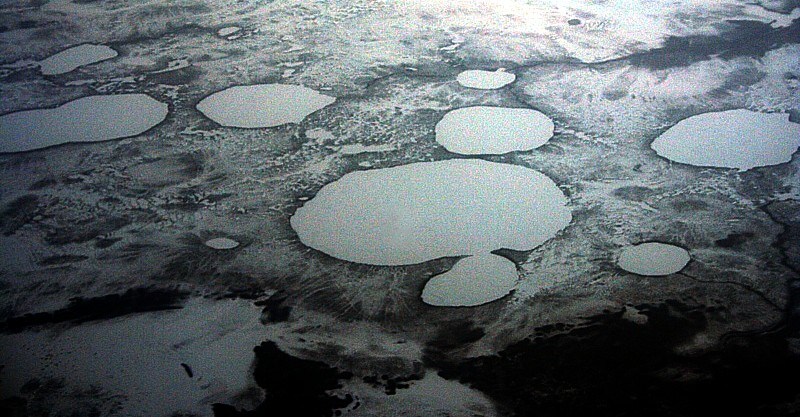
A _____ are depressions formed as stranded ice blocks melt in till.
meanders
oxbow lakes
kettle lakes
drumlins