
 Worksheets
Insurance and Taxes
Total questions: 28
Worksheet time: 12mins
Who primarily uses our tax money? (hint: choose 2 correct answers)
Your employer
The state government
The Federal government
Local Businesses

Our tax money is spent on all of the following EXCEPT:
Social Security
The Military
Private School Education
National Parks
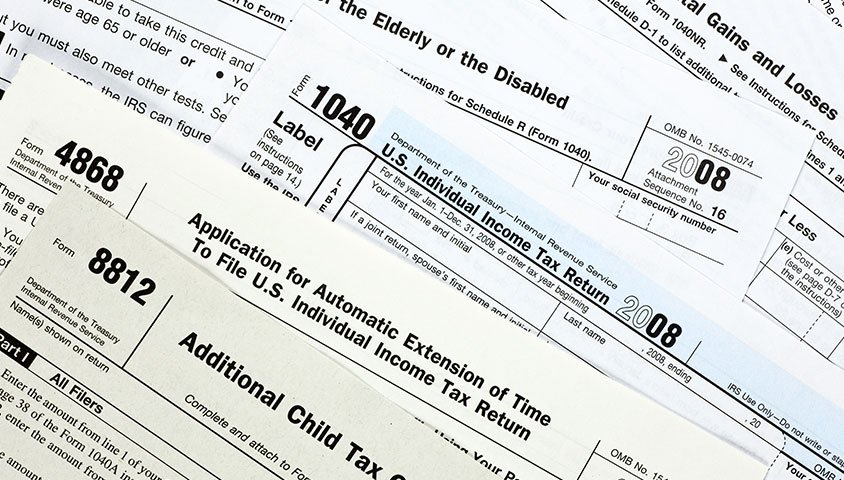
The W-4 form lets...
the government know how much you paid in taxes last year
your employer know how much to withhold from your paycheck
the 3 major credit bureaus know how many dependents you have
you know how much you paid in taxes last year
Jess is 21, in college, & has a job that provides 65% of her support. Is she a dependent?
Yes
No
What item would you DEFINITELY see on a paystub?
Retirement
Healthcare
Gross Pay
Your occupation/role
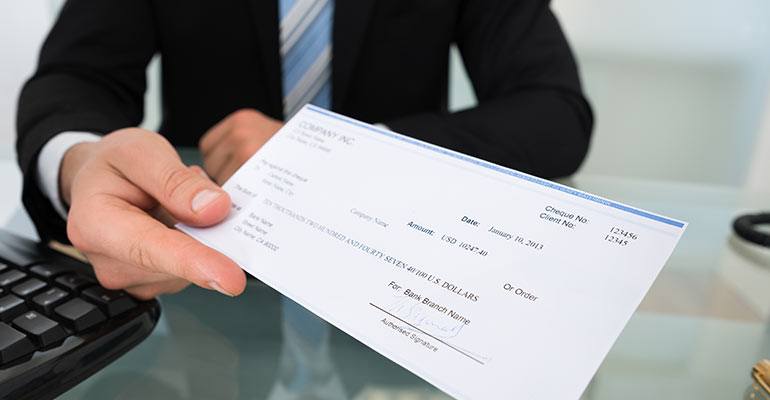
By claiming "exempt" on the W-4 form...
You are paying all income taxes upfront at the START of the year.
You are requesting an extension to file your taxes
You will NOT have income taxes withheld from your paycheck.
You are paying all income taxes at the END of the calendar year.
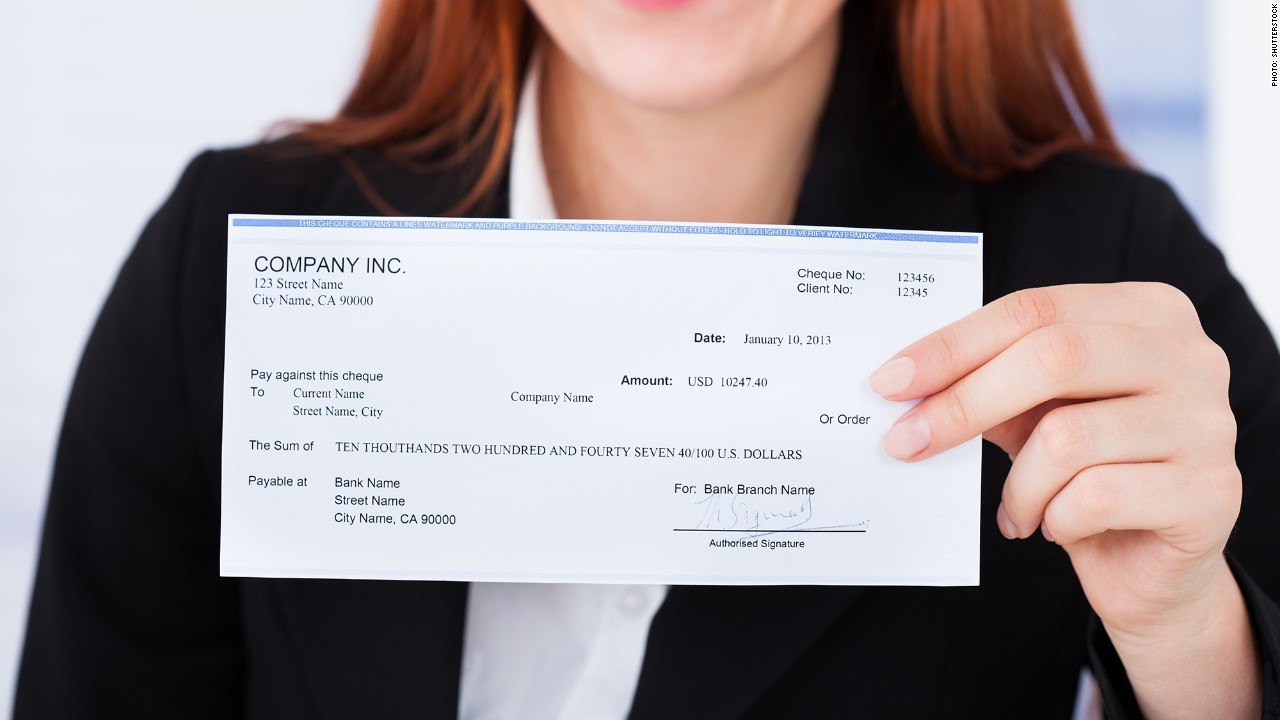
Jason filed his 2021 tax return and owes money. If he doesn't want to pay a fee, when should he pay this amount by?
April 18th
October 15th
December 31st
January 1st of the next year

True or False: All wages, tips, and bonuses are taxable unless specifically excluded.
True
False
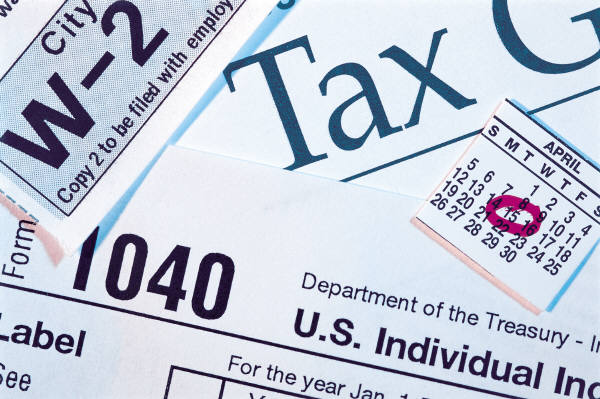
Which of the following is FALSE about the W-2 form? (hint: choose 2 correct answers)
The W-2 is sent out in April of every year
It lets you know how much you earned last year
It lets you know how much was withheld from your paychecks
You get 1 W-2 form every year, even if you had multiple jobs

Jason is 15 and earned $1450 at his job last summer. Should he file a tax return?
No, because he didn't earn enough.
No, because you have to be 16 and older to file taxes.
Yes, because he may get a refund.
Yes. You must file taxes even if you didn't earn enough.
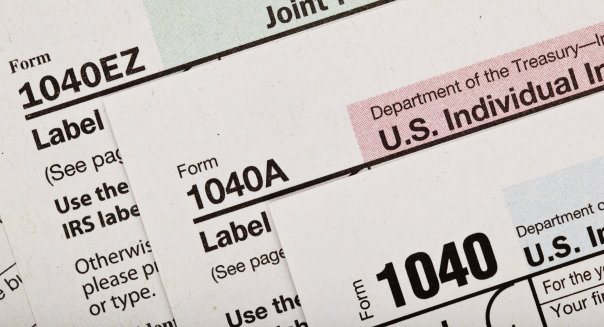
What do you need to file your 1040 form? (hint: choose 2 correct answers)
Your W-2
Your W-4
Your prior year's tax return
Social Security Number
Which of the following is NOT a way you can file your taxes?
Through a tax professional
Mailing in a paper tax return to the Federal government
Using tax software like TurboTax
Through your employer's HR department

If a teen files a tax return, can the parent still claim him/her as a dependent?
Yes. All teens are dependents until they are 18 years old
No. If a teen files a tax return, he/she cannot be claimed
Yes, as long as the teen meets the dependency requirements
Yes, but the parent has to add the teen's income to theirs

Luisa earned $1,200 at her part-time job, and $500 from babysitting in cash. Which is TRUE?
She will report her total income as $1,700.
She will report her total income as $1,200.
She will report her total income as $500.
Luisa is required to file a tax return.

Which is TRUE about earned income and unearned income? (hint: choose 2 correct answers)
Earned is how much you make from a job
Earned is any money you make in interest, dividends, etc.
Unearned is any money you make in interest, dividends, etc
Unearned is how much you make from a job
Which is TRUE if you do not pay your taxes?
You owe twice as much the following year
You're more likely to be approved for low interest loans
You cannot go to jail (but you will be heavily fined)
Your credit score may be impacted
A formal request made by the insurance policyholder to the insurance company for payment or services covered by the insurance policy.
Claim
Accident
Premium
Coverage
An type of car insurance policy that provides complete protection.
Deductible
Comprehensive
Liability
Total
The types of events (losses) that an insurance company would pay for and the amount of money paid for the loss.
Premium
Deductible
Coverage
Claim
A financial product (called an insurance contract or policy) that you buy from an insurance company or organization.
Insurance
Premiums
Stocks
Bonds
A payment made monthly, twice a year, or yearly, for an insurance policy.
Premium
Copay
Tax
Benefit
The amount of money an insurance policy holder must pay on a claim before the insurance company begins to pay. The higher this is, will usually result in a lower premium.
Premium
Claim
Deductible
Policy



