
 Worksheets
Midterm Review Quizz
Total questions: 155
Worksheet time: 2hrs 9mins

Answer the following using the picture. What is the independent variable?
Orientation of the test tube
Type of plant
Direction of plant growth
Water
Answer the following using the picture. What is the dependent variable?
Orientation of the test tube
Type of plant
Direction of plant growth
Water
Answer the following using the picture below. What are the constants? Select all that apply.
Type of plant
Water
Test tube
Plant growth
Stopper

Which question is this apparatus most likely designed to answer?
Does atmospheric pressure affect transpiration?
Does gravity affect the direction of plant growth?
Does turgor pressure affect the absorption of water?
Does absorbed light increase the environmental temperature?
An experiment was designed to keep an egg intact while falling from a high point. For each experiment, the different devices will be drop the same type of egg from the same height. What is the independent variable?
egg drop devices
eggs and height
the egg smashing or staying intact
An experiment was designed to keep an egg intact while falling from a high point. For each experiment, the different devices will be drop the same type of egg from the same height. What is the dependent variable?
egg drop devices
eggs and height
the egg smashing or staying intact
An experiment was designed to keep an egg intact while falling from a high point. For each experiment, the different devices will be drop the same type of egg from the same height. What is the control?
egg drop devices
eggs and height
the egg smashing or staying intact
An experiment was designed to test the effectiveness of a cargo ship. For each experiment, the different cargo ships will be placed in water to see if they each float. If it floats, then we will add a penny to see how many pennies the cargo ship can carry. What is the independent variable?
cargo ships
water
cargo ship floats or sinks
An experiment was designed to test the effectiveness of a cargo ship. For each experiment, the different cargo ships will be placed in water to see if they each float. If it floats, then we will add a penny to see how many pennies the cargo ship can carry. What is the dependent variable?
cargo ships
water
cargo ship floats or sinks
An experiment was designed to test the effectiveness of a cargo ship. For each experiment, the different cargo ships will be placed in water to see if they each float. If it floats, then we will add a penny to see how many pennies the cargo ship can carry. What is the control?
cargo ships
water
cargo ship floats or sinks
___________a molecule that is present in all living cells and that contains the information that determines the traits a living thing inherits and needs to live.
Cell
Stimulus
Homeostasis
DNA
Living things are made up of units called
DNA
Cells
Homeostasis
Seeds

A collection of living organisms that belong to different populations but all live in the same area and interact with one another is a...
Population
Ecosystem
Community
Ecosphere
TRUE or FALSE...Viruses are LIVING.
(a)
viruses are unicellular
True
False
All members of which group require a host cell to reproduce?
Animals
Bacteria
Fungi
Virus
Which one is NOT true for a virus
Has a protein coat called a capsid
Has both DNA and RNA
Is specific to a certain type or group of organisms
Needs a host in order to reproduce
Which of the following is true?
Viruses are smaller than cells but are more complex and have more organelles
Viruses are larger than cells and are more complex and have more organelles
Viruses are larger than cells but are less complex
Viruses are smaller than cells and are less complex
Which two reasons are why viruses are not considered living?
they cannot reproduce on their own
they are not composed of cells
they have no DNA
they do not adapt and evolve
All viruses contain-
genetic material like DNA or RNA
cells
mitochondria
cytoplasm
Antibiotics ________ treat viral infections.
can
cannot

Which of these are viruses? (choose all that apply)


Why do we need a new vaccine for Influenza every year?
because the virus mutates very quickly
because the virus is unknown
because the vaccine works for a short time
none of the answers
You are a doctor and Little Billy is in your office with the flu. His mother wants you to prescribe an antibiotic. Which would be the best response?
"Absolutely, get that kid an antibiotic!"
"Actually, he just needs to take a painkiller."
"Unfortunately, antibiotics do not work against viruses like the flu."
"Give him a vaccine and he will feel better right away!"
Which two biomolecules are used for energy?
Carbohydrates and Proteins
Lipids and Carbohydrates
Proteins and Lipids
Nucleic Acids and Proteins
Which of the following has the correct monomer matched?
Protein -> Nucleotide
Carbohydrate -> Monosaccharide
Lipids -> Amino Acid
Nucleic Acid -> Glycerol & Fatty Acid

What is represented by letter A
Enzyme
Substrate
Active Site
Enzyme Substrate Complex
What does an enzyme do to a chemical reaction?
Speeds it up (catalyzes)
Slows it down
Breaks it down
What happens to an enzyme after it releases the product?
Enzyme is expelled from the cell.
Enzyme is denatured and can no longer catalyze a reaction
Enzyme is re-used and attaches to a new substrate
Enzyme becomes the product
All of the following can cause an enzyme to work less effectively EXCEPT -
Concetration (amount of) substrate
Temperature
pH
Perfect Conditions
Which of the following best defines denature?
An enzyme working in optimal conditions
An enzyme's shape changes causing it to no longer catalyze reactions.
A substrate's shape changes to match the enzyme
An enzyme shape changes to match the substrate.
What are the 2 factors that denature an enzyme?
pH and concentration
concentration and temperature
temperature is the only factor
pH and temperature

Based on the graph, what is the optimal temperature for the enzyme?
20
40
43
60

Based on the graph, what pH does Enzyme C work best at?
1.5
6
8
9
What does an enzyme do for the activation energy?
It raises it
It slows it down
It speeds it up
It reduces it

This image is a model of-
Flagella
Nucleus
Endoplasmic Reticulum
Cell Membrane
The function of the plasma membrane is....
Vesicle with enzymes to digest waste
Regulate what is transported into and out of the cell
Package materials
Make proteins
Most of the cell membrane is made of...
Nucleic acids
Proteins
Lipids
Carbohydrates
What forms the channels and pumps in the phospholipid bilayer?
proteins
hydrophilic heads
lipids
carbohydrates

Hydrophobic region of the cell membrane?
E
B
C
A

Hydrophilic portion of cell membrane?
D
C
B
A
A ______________ is composed of a phosphate and glycerol head and 2 fatty acid chain tails.
cholesterol
glycoprotein
phospholipid
glucose

The _________ of the phospholipids in a cell membrane face inward towards each other because they are ___________.
heads, hydrophobic
heads, hydrophilic
tails, hydrophobic
tails, hydrophilic
The _________ of the phospholipids in a cell membrane face outward because they are ___________.
heads, hydrophobic
heads, hydrophilic
tails, hydrophobic
tails, hydrophilic
Which process do plants use to turn sunlight into food energy?
photosynthesis
cellular respiration
transpiration
evaporation
Which kind of organism is an autotroph?
consumer
producer
decomposer
herbivore
Which organisms are heterotrophs?
photosynthesizers
producers
consumers
plants
Which organism is an example of a producer?
moth
mushroom
rose bush
cheetah
Why are mushrooms important to the food chain?
They recycle nutrients into the ecosystem.
They produce food energy for other living things.
They recycle oxygen into the atmosphere.
They consume excess herbivores in the ecosystem.
Maggots feed on dead and decaying organisms for energy. What are maggots?
autotrophs
producers
decomposers
heterotrophs
In the food chain below, which is the producer?
grass
mouse
snake
hawk
Which is the primary consumer in this food chain?
snake
grass
rabbit
hawk
Yellowfin tuna, or Thunnus albacores, are large sport fish that are found in tropical and subtropical waters around the world. They typically school under objects such as boats or patches of driftwood for protection from predators. Schooling under these structures also provides yellowfin tuna with easy access to a food source such as smaller herbivorous fish that may be foraging for food around the structures. Which trophic level does yellowfin tuna fill in a food chain?
producer
primary consumer
secondary consumer
tertiary consumer
Food chains show energy transfer between organisms. The size of a food chain can vary, yet there is a limit to the number of levels that a food chain can reach. Why is there a limit to the number of levels that a food chain can reach?
Plants are not infinite in number.
Producers are limited by consumers.
Carnivores are too large to be eaten.
Energy is lost at each trophic level.

What is shown in the image below?
food chain
trophic chain
food web
energy web
Which is an interconnection of food chains in an ecosystem?
food web
trophic chain
energy web
producer web

Which organism is a primary consumer in the food web below?
herbivorous duck
bald eagle
osprey
vegetation

What might happen to the organisms in the food web below if the number of phytoplankton and vegetation drastically decreased?
The small fish and wading birds would be affected.
Only the small fish would be affected.
The small fish, bivalves, and invertebrates would be affected.
The entire food web would be affected.
From the producer level to which level does energy flow directly?
decomposer
tertiary consumer
secondary consumer
primary consumer

Which statement BEST explains the flow of energy as it moves through the different levels?
Energy decreases as it is lost as heat to the environment.
Energy increases as it is gained from the environment.
Energy is unavailable because it is used up by the organisms at Level 1.
Energy is transferred as it is produced by organisms in the next level.
What impact do resources, such as sunlight and water, have on a forest ecosystem?
They limit the carrying capacity of the ecosystem.
They increase habitat areas for new organisms entering the ecosystem.
They decrease the number of diseases resulting from overpopulation.
They alter the rate of photosynthesis, resulting in more oxygen being produced.
A relationship that describes a close interaction between two different species is known as what?
Biodiversity
Population
Symbiosis
Emigration
Changes to abiotic factors in an environment can impact biotic factors. Which statement is the BEST example of this situation?
Heavy rainfall increases soil erosion.
Melting glaciers cause sea levels to rise.
Cold temperatures cause rocks to weather.
Drought conditions increase competition among consumers.
Dead matter and waste would pile up without which type of organism?
decomposer
consumer
producer
A pride of lions stalks, tackles, and kills an antelope. Which is best being demonstrated?
predation
mutualism
cooperation
Which best describes mutualism?
Ticks live and feed on dogs and other animals’ blood to survive.
Mushrooms send out long, underground structures which allow them to grow in other areas.
Ants attack animals that try to feed on the acacia tree, and the ants feed on the nectar of the tree.
The nonliving physical environment of an ecosystem is the __________ component.
abiotic
biotic
diverse
living
A community of organisms living together with their physical environment is a(n)
biome
biosphere
ecosystem
atmosphere
This is the study of interactions between organisms and the interactions that organisms have with their environment.
Evolution
Ecology
Biology
Commensalism
What are the five levels of environmental organization, from largest to smallest?
biosphere, ecosystem, community, population, organism
ecosystem, biosphere, population, organism, community
biosphere, population, ecosystem, community, organism
biosphere, ecosystem, population, community, organism

The cycling of materials such as carbon, water, and other nutrients are mainly dependent upon soil-dwelling organisms. Use this image to answer questions. Which pair of organisms shown are decomposers?
Fungi and Bacteria
Bacteria and Grass
Fungi and Mice
Mice and Grass
Which is most likely to be a primary consumer?
herbivore
carnivore
omnivore
multivore
Which are NOT considered heterotrophs?
herbivores
carnivores
decomposers
producers
What is the maximum number of individuals an ecosystem can support?
population density
carrying capacity
succession limit
habitat maximum

Many different organisms live in Amanda’s garden. The diagram shows a simple food web of some of the organisms in her garden. Predation helps maintain the stability of an ecosystem. Which statement BEST describes how this garden ecosystem can benefit from the presence of snakes?
The snakes provide an energy source for the moles.
The snakes consume the mice best adapted to their environment.
The snakes eat moles, which allows the population of mice to increase.
The snakes keep the mice from overpopulating, which could deplete plant resources.
Significant destruction of a forest habitat will increase which gas in the atmosphere?
CO2 (carbon dioxide)
NO2 (nitrogen dioxide)
O2 (oxygen gas)
N2 (nitrogen gas)
What is the main source of energy for the water cycle?
the Sun
fossil fuels
clouds
the ocean
In any ecosystem, organisms interact with biotic and abiotic parts of the environment. As a result of all of the interactions, the matter within the system is
produced when plants grow.
recycled when organisms die.
lost when animals and plants die.
formed when new animals are born.
How does the energy in each trophic level of an energy pyramid compare to the energy in the preceding level?
It has about 5% of the energy from the level below it.
It has about 10% of the energy from the level below it.
It has about 15% of the energy from the level below it.
It has about 20% of the energy from the level below it.

What is happening to water at D in Figure 3–3?
Water is falling to the ground as precipitation.
Water is evaporating from the ocean.
Water is being taken up by plants through transpiration.
Water is seeping into the ground to become groundwater.

Which step shows carbon passing through a geological process?
Respiration and photosynthesis
Deposition and Volcanic activity
Feeding and decomposition
Human Activity

Which steps in Figure 3–9 show the carbon cycle passing through living systems?
Respiration, photosynthesis, feeding, and decomposition
Volcanic activity
Deposition
Human Activity

What goes in Box 4 in Figure 3–7?
Atmospheric carbon dioxide
Carbon containing rocks
Photosynthesis
Respiration

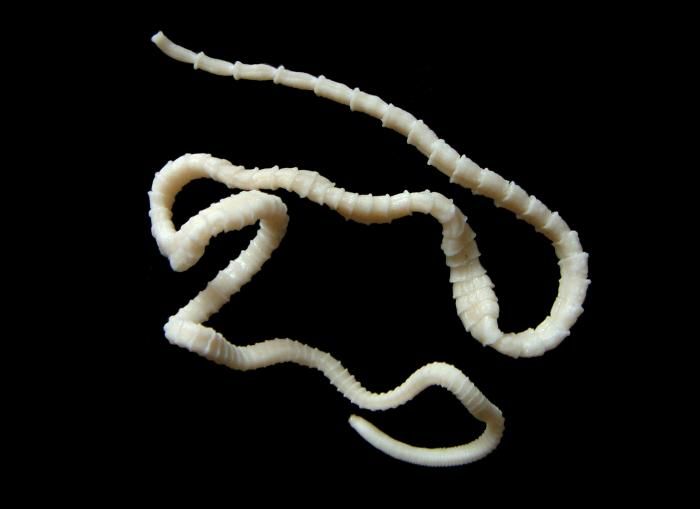
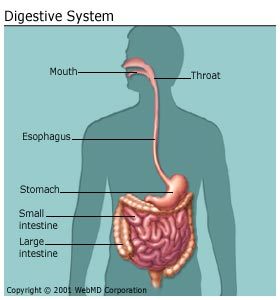
A tapeworm lives in the intestine of a cat absorbing nutrients through its skin. A tapeworm and a cat have this type of relationship.
mutualism
parasitism
commensalism
competition
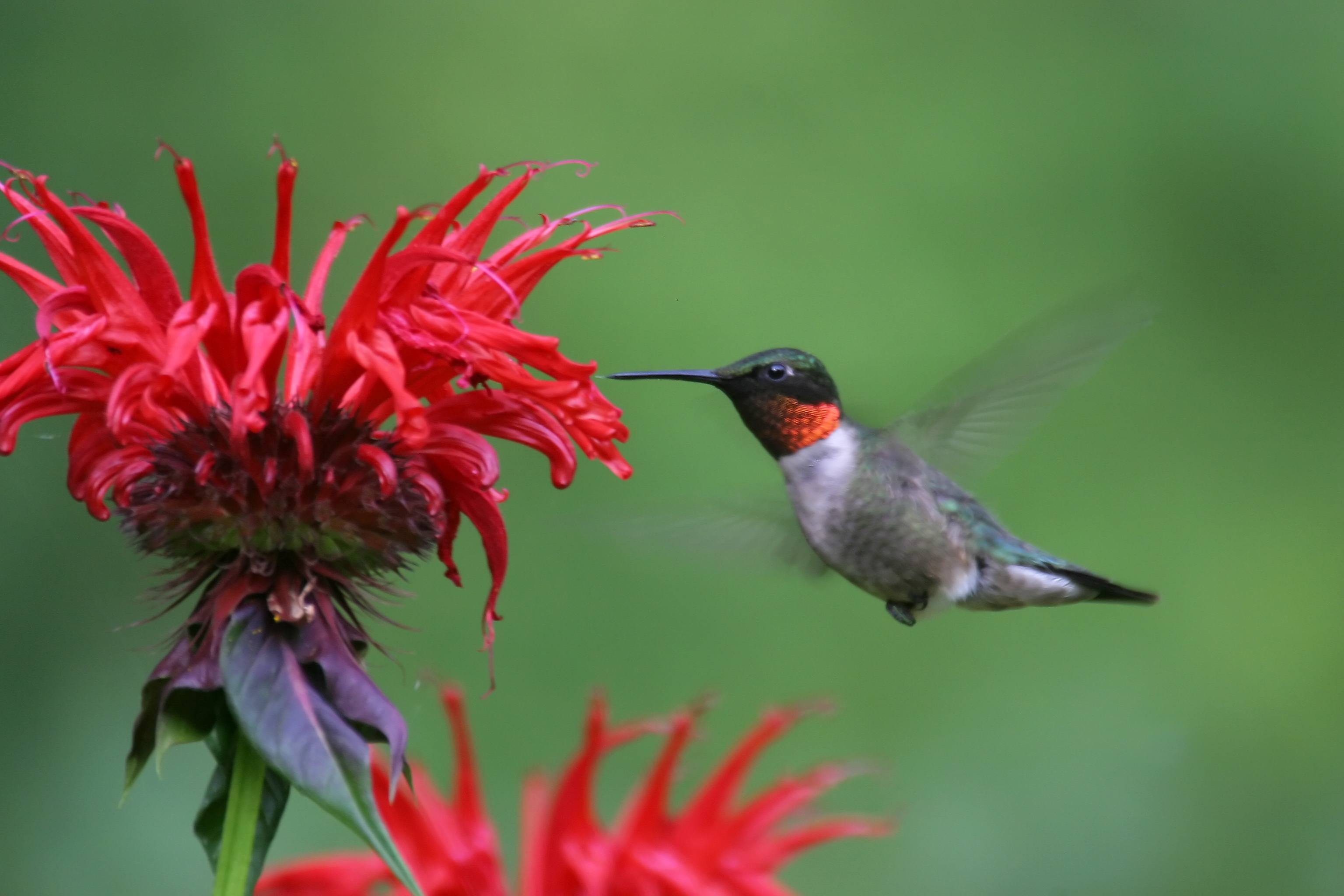
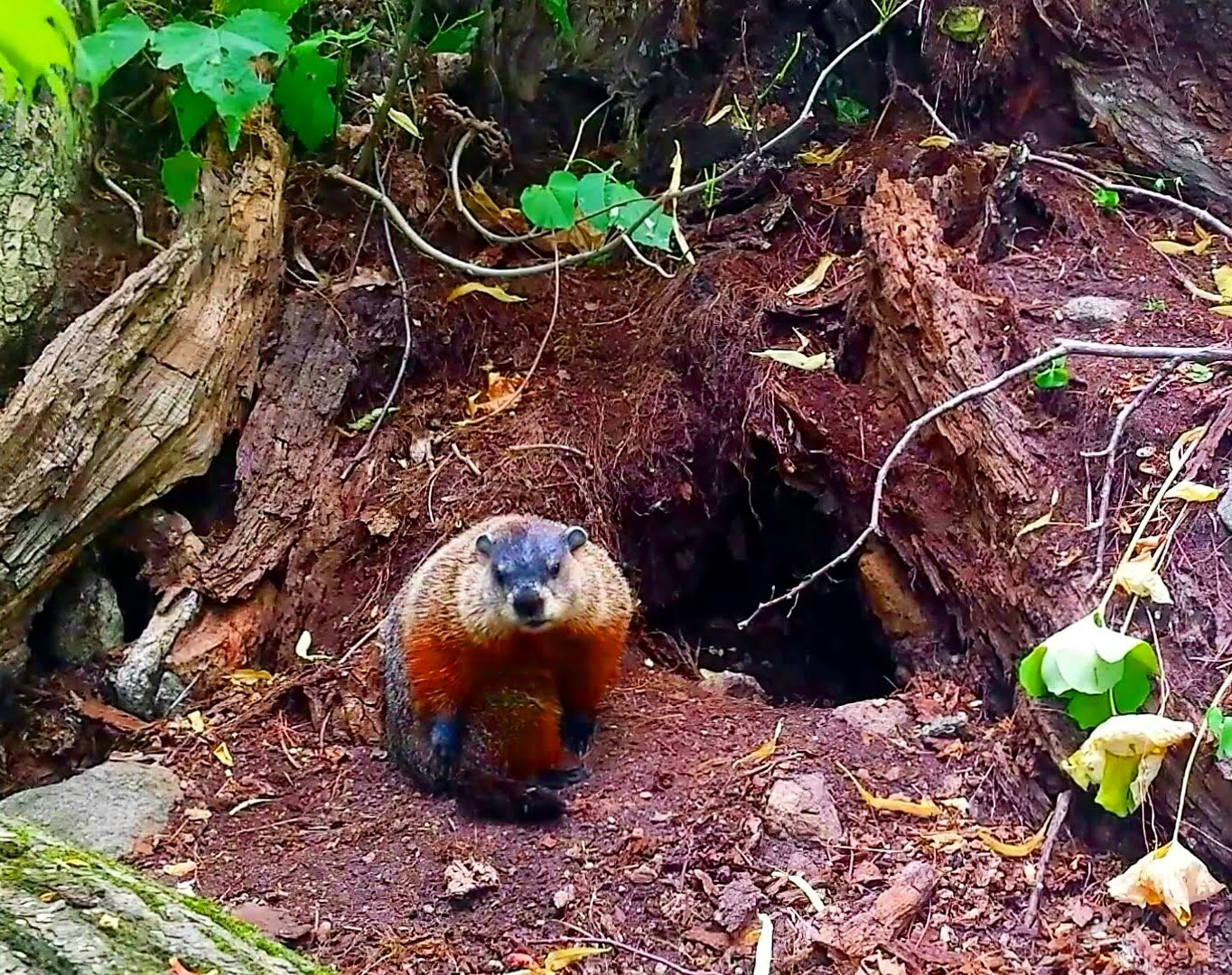
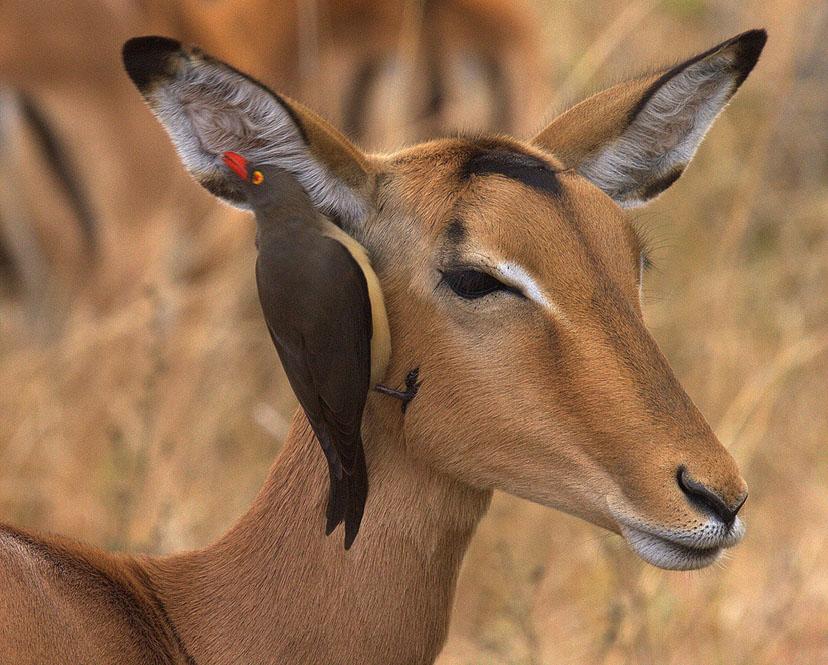
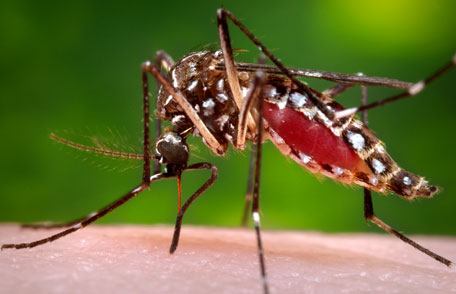

Aphids are tiny insects that live on and eat the leaves of plants, removing vital nutrients from the plants.
Predation
Parasitism
Commensalism
Mutualism

Mockingbirds will push the eggs out of a blue bird's nest and use the nest for it's own babies illustrating...
commensalism
parasitism
mutualism
predation

Clown fish live among anemones, acting as a lure for the sea anemone's prey. The clown fish get protection and shelter from the anemone. This is an example of which type of symbiosis?
Commensalism
Mutualism
Parasitism

A bee and a flower work together to benefit each other. This is an example of a ______. The bee helps the flower by pollinating it and the flower helps the bee by providing it with nectar.
commensalistic relationship
parasitic relationship
mutualistic relationship

Hookworms enter the human body by burrowing into the skin of the feet. Once in the skin, they enter the bloodstream and travel to the small intestine where they attach to the walls and begin to drink the person's blood and weaken the victim.
mutualism
commensalism
parasitism

Lichens are close associations of fungi and algae. The fungi hold the water supply and the algae perform photosynthesis to manufacture carbohydrates for both organisms.
mutualism
commensalism
parasitism

In the jungles of South America lives a thorn tree call an acacia. A species of ant eats secretions of the acacia, drinks its sap, and raises its young in the hollow thorns. The ants also keep competing vines from growing near the acacia tree and they help repel any insects that would damage the acacia tree.
mutualism
commensalism
parasitism

Lactobacilli are a type of bacteria that live in our lungs and destroy many of the microorganisms that enter our respiratory system. They are highly adapted to living in our lungs and can't survive in many other habitats.
mutualism
commensalism
parasitism

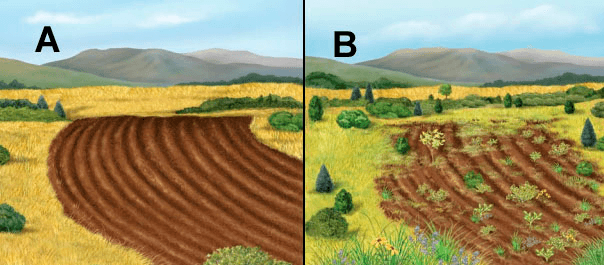
agricultural succession
intermediate succession

Which of the following is represented by the final illustration (#8)?
tertiary succession
terrestrial completion
biosphere
Which of the following best describes primary succession?
A volcano wipes out ecosystem that gradually grows back from ash covered soil.
A volcano creates a new island of rock that slowly forms an ecosystem.
A fire burns down a forest that regrows over time.
A tornado destroys a grassland that must slowly grow back over time.
Why does biodiversity increase during the course of succession?
Biodiversity refers to the difference in ages of organisms, so some organisms arrive earlier than others.
Over time, the same trees begin to reproduce and take over an area.
Many populations of organisms gradually begin to occupy the same area to create a climax community.
Many organisms move in to the area for a short amount of time, then leave to find a better habitat.
Which are the first organisms to colonize an area and begin the process of ecological succession?
foundational species
introductory species
primary species
pioneer species
Which of the following is NOT a pioneer species?
Shrubs
Lichen
Mosses
Fungi
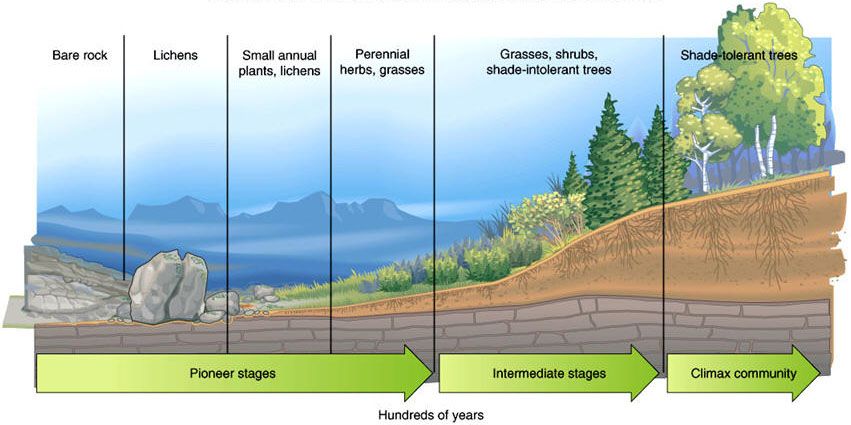
quaternary

