
 Worksheets
Review for Final Exam
Total questions: 149
Worksheet time: 2hrs 50mins
Which statement was NOT included in cell theory?
All living things are composed of cells.
Living cells come only from other living cells.
Each cell contains a cell membrane, cytoplasm, nucleus, mitochondria, and endoplasmic reticulum.
Cells are the smallest structure of living things that can perform the functions necessary for life.
Who discovered and named cells while looking at cork?
Captain Hook
Robert Hooke
Matthais Schleiden
Rudolf Virchow
These three scientists together helped come up with the second part of the cell theory (all living things are made of one or more cells). CHOOSE 3 ANSWERS
Schleiden
Leeowenhoek
Hooke
Virchow
Schwann
Who discovered that all cells come from other living cells and had research that lead to the last major principle of cell theory?
Matthias Schleiden
Theodore Schwann
Robert Hooke
Rudolf Virchow

Robert Hooke, Anton van Leeuwenhoek, Theodor Schwann, Rudolf Virchow, and Matthias Schliden were all responsible for what theory?
The Theory of Gravity
The Theory of Relativity
The Cell Theory
The Theory of Continental Drift
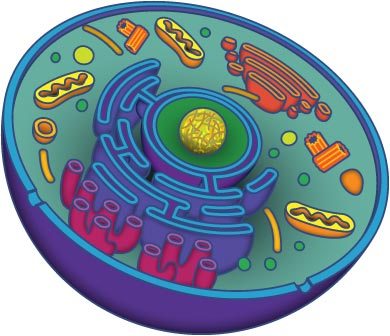
All living things are made up of...
cells
tissues
organ
organ systems
What is the basic structural and functional unit of all living things?
atom
cell
bacteria
animalcules
All cells -----
come from other dead cells
come from other living cells
crystallize out of the air
The German scientist, ________ concluded all animals are made up of cells.
Matthais Schleidon
Theodore Schwann
Rudolf Virchow
Anton Van Leeuwenhoek
Robert Hooke
Which picture does NOT belong?


Which of the following is NOT made up of cells?
snowflake
earthworm
tree
human
Cells come from______.
other preexisting cells
cytoplasm
organelles
prokaryotes
Plants and animal cells have...
Mitochondria and chloroplasts
Nucleus and chloroplast
Cell wall and chloroplast
Mitchochodria and cytoplasm
Which organelle is the command center for eukaryotic (plant and animal) cells?
Cell wall
Nucleus
Mitochondria
Lysosome
What is the difference between a prokaryotic cell and a eukaryotic cell?
Prokaryotes do not have a nucleus or organelles, but a eukaryotic cell does
Eukaryotic cells do not have a nucleus or organelles, but prokaryotes do
What is the purpose of the nucleus?
It is the command center, contains DNA, and cell division
It protects the cell
It stores energy for the cell
It gets rid of waste in the cell
What is the difference between mitochondria and chloroplast?
Mitochondria produces energy and chloroplasts breaks down energy
There is no difference. They are the same.
Mitochondria breaks down energy from food and chloroplasts produce energy from sunlight.
Mitochondria contains DNA and chloroplasts are green
The outermost layer of a plant cell and animal cell is...
Plant cell - cell membrane, animal cell - cell wall
Plant cell - cell wall; animal cell - cell membrane
Plant and animal cell - cell wall
Plant and animal cell - cell membrane
"Post office" of the cell that packages proteins and fats:
ER
Golgi Body
Nucleus
Cytoplasm
"Envelopes" of the cell, used for transporting material:
ER
Golgi Body
Mitochondria
Chloroplast
What does a plant cell have that an animal cell doesn't have?
Cell Membrane and Cell Wall
Cell Wall and Mitochondria
Cell Wall and Nucleus
Cell Wall and Chloroplast
What is the jelly-like substance that keeps the organelles floating?
Cell Membrane
Nucleus
ER
Cytoplasm
Which organelle holds the cell together? (found in both an animal and plant cell)
Cell Wall
Nucleus
Cell Membrane
Ribosome
What are the "protein-makers" of a cell?
Ribosomes
Mitochondria
ER
Golgi Body


Protects the body from the outside world
integumentary system
skeletal system
nervous system
urinary system

Removes fluid waste from the body
digestive system
respiratory system
skeletal system
urinary system

Controls growth and development
nervous system
muscular system
endocrine system
skeletal system

Produces children through sexual reproduction
respiratory system
reproductive system
digestive system
circulatory system

Moves the body
respiratory system
endocrine system
digestive system
muscular system

Provides shape, support, and protection to the body
immune/lymphatic system
nervous system
skeletal system
reproductive system

Controls and coordinates body functions; Sends and receives signals
nervous system
endocrine system
integumentary system
circulatory system

Breaks down food
digestive system
urinary system
respiratory system
circulatory system

Inhales oxygen and exhales carbon dioxide
immune/lymphatic system
reproductive system
muscular system
respiratory system

Pumps blood through the body so that it gets what it needs
nervous system
circulatory system
muscular system
integumentary system
Allows for movement
Digestive system
endocrine system
muscular system
nervous system
contains the following organs: stomach, large and small intestine, liver
muscular system
digestive system
endocrine system
urinary / excretory system
Which 2 systems would work together to help a person walk?
muscular & skeletal
muscular & excretory
muscular & reproductive
skeletal & excretory
contains the ovaries & testes
skeletal system
reproductive system
excretory system
lymphatic system
Contains cardiac, smooth and skeletal tissue
skeletal system
digestive system
muscular system
nervous system
which 2 systems work together to move your hand from a fire once it senses heat
nervous, digestive
nervous, endocrine
nervous, muscular
nervous, respiratory
Kidneys, bladder, ureters, urethra
digestive system
endocrine system
excretory system
skeletal system
What systems work together to regulate body temperature?
nervous & integumentary
skeletal & muscular
integumentary & endocrine
nervous & lymphatic
Protects the body, regulates body temperature
Integumentary
Nervous
Skeletal
Muscular
Carries oxygen and nutrients to all parts of the body.
Integumentary
Nervous
Circulatory
Respiratory
Allows movement in the body
Integumentary
Nervous
Skeletal
Muscular
Receives stimuli and transports impulses, coordinates actions and reactions in the body
Integumentary
Nervous
Circulatory
Respiratory
Supports and provides structure for the body
Skeletal
Muscular
Circulatory
Respiratory
Supplies blood with oxygen and rids the body of carbon dioxide
Integumentary
Nervous
Circulatory
Respiratory
Main Organs: Skin
Integumentary
Nervous
Skeletal
Muscular
Main Organs: Heart and blood vessels
Integumentary
Nervous
Circulatory
Respiratory
Main Organs: Muscles
Integumentary
Nervous
Skeletal
Muscular
Main Organs: Brains, spinal cord, nerves
Integumentary
Nervous
Circulatory
Respiratory
Main Organs: Bones and joints
Skeletal
Muscular
Circulatory
Respiratory
Main Organs: Lungs
Integumentary
Nervous
Circulatory
Respiratory
A structure made up of different types of tissue and performs a specific job.
cells
tissue
organ
organ system
Which of the following is the MOST complex level of organization?
Organism
Organ System
Cell
Tissue
Which of the following is the MOST complex level of organization?
Tissue
Organ System
Cell
Organ
Which of the following is the LEAST complex level of organization?
Atom
Organism
Tissue
Organ System
What is a group of different tissues working together to perform a function?
Cells
Atom
Tissue
Organ
What is the smallest unit of life?
Proton
Cell
Bacteria
Electron
What is a group of several organs working together to perform a function?
Organ System
Cell
Atom
Organ
What is a group of similar cells that perform a function?
Cell
Tissue
Organ
Organ System
Which change describes a substance that changes shape, form, or appearance but is still the same substance?
physical change
chemical change
What happens when a new substance is produced during a reaction?
physical change
chemical change

Melting ice
physical change
chemical change

Burning wood
physical change
chemical change

rusty nail
physical change
chemical change

broken glass
physical change
chemical change

mixing baking soda and vinegar
physical change
chemical change
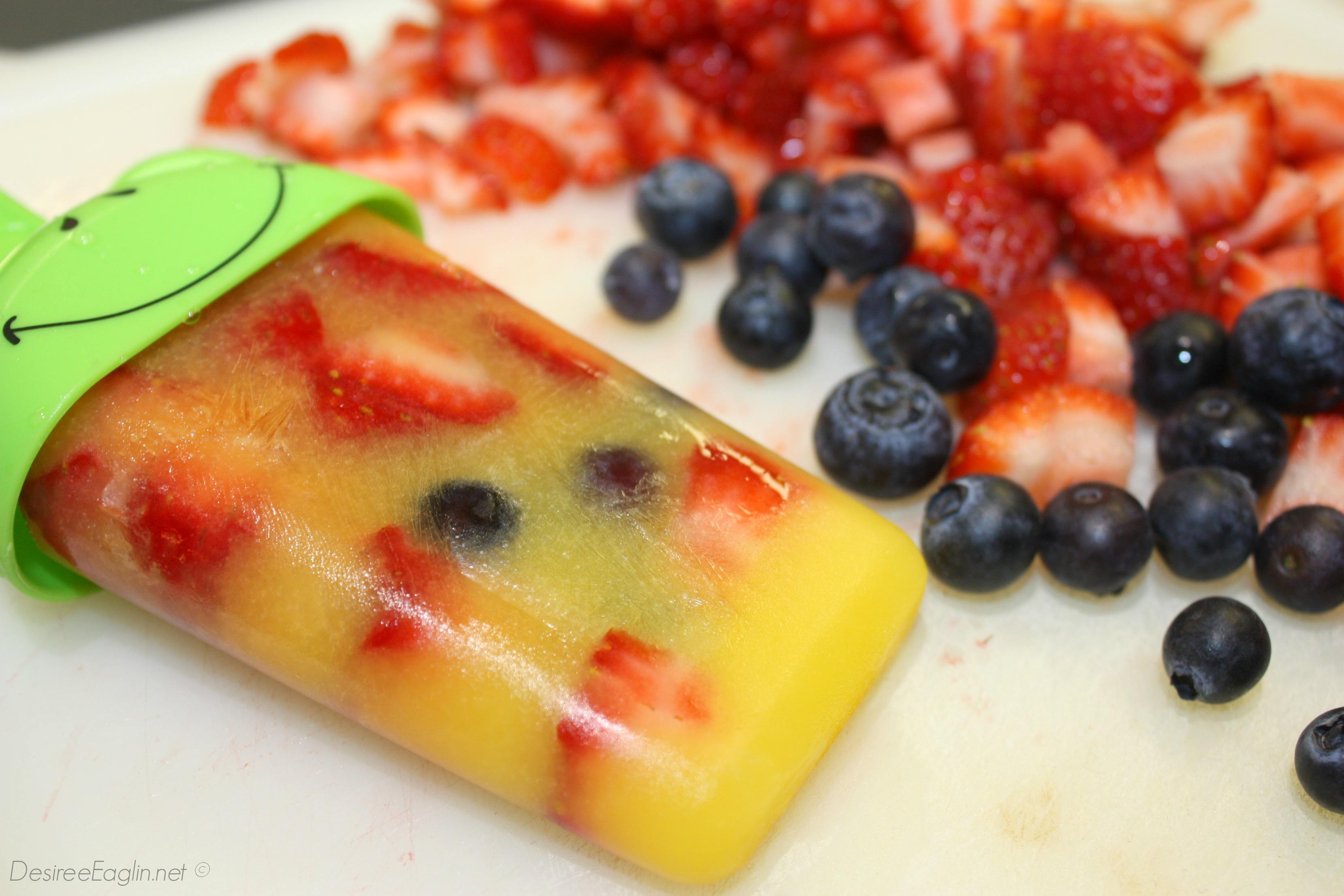
Freezing Juice?
physical Change
chemical Change
Fizzing, foaming, and burning are all examples of
physical change
chemical change

Baking Cookies
Physical Change
Chemical Change

Lighting a Match
Physical Change
Chemical Change

Cooking Pancakes
Physical Change
Chemical Change
Chewing food into smaller pieces.
Physical
Chemical
Saliva breaking down carbohydrates.
Physical
Chemical
Enzymes break down food nutrients.
Physical
Chemical
Water being absorbed in the large intestines.
Physical
Chemical
Food is mixed together.
Physical
Chemical
Your stomach mixes acid and enzymes with the food to break down protein in the pizza.
Physical
Chemical
Your esophagus is a tube that moves the food from your mouth to your stomach.
Physical
Chemical
Peristalsis: a series of wave-like muscle contractions that moves food to different processing stations in the digestive tract.
Physical
Chemical
Acid secretion.
Physical
Chemical
Enzyme action.
Physical
Chemical
Enzymes break down starch into simple sugars.
Physical
Chemical
The walls of your stomach contract to turn the food from a solid to a thick liquid.
Physical
Chemical
Your stomach mixes acid and enzymes with the food to break down protein in the pizza.
Physical
Chemical


1. Food that you eat provides your body with .
Chemical energy
Electrical energy
Radiant energy
Thermal energy
How many parents are required for asexual reproduction?
none
1
2
4
How do bacteria reproduce?
mitosis
budding
binary fission
regeneration
What is one advantage of asexual reproduction?
offspring are different from parents
diseases are not passed from parent to offspring
it takes a longer time
it takes less time
Which organisms reproduce by budding? Click all that apply.
hydra
earthworm
bacteria
yeast cells
How many parents are involved with sexual reproduction?
none
1
2
4
What is an advantage of sexual reproduction?
it is a faster process
negative traits of parents may not always be passed to offspring
it takes more energy and time
finding a mate is necessary
Mark all that are examples of asexual reproduction.
mitosis
budding
regeneration
meiosis
What organisms reproduce by regeneration? Mark all that apply.
ameba
starfish
lizard
mosquito
Involves two parents and produces offspring different from parents
external fertilization
sexual reproduction
internal fertilization
asexual reproduction
The movement of pollen from one flower to another flower
zygote
pollination
internal fertilization
fertilization
A small growth on an organism that splits and grows into a new organism
regeneration
mitosis
binary fission
budding
When an organism splits into an exact copy
fertilization
binary fission
regeneration
budding
When an organism grows back a part that it lost
fertilization
binary fission
regeneration
budding
Male reproductive cell in plants
sperm
zygote
egg
pollen
The joining of male and female sex cells
asexual reproduction
internal fertilization
pollination
fertilization
A reproductive process that involves two parents that combine genetic material to produce a new organism, which differs from both parents.
external fertilization
asexual reproduction
sexual reproduction
internal development
Type of reproduction that makes an identical copy of a parent cell
sexual reproduction
asexual reproduction
internal fertilization
external fertilization
Female reproductive cell in animals
egg
pollen
sperm
zygote
Male reproductive cell in animals
egg
sperm
clone
pollen
Which of the following statements are true about asexual reproduction? (chose all that apply)
Asexual reproduction requires only one parent.
The offspring in asexual reproduction are clones of the parent.
The offspring in asexual reproduction are produced by mitosis.
The offspring in asexual reproduction are produced by meiosis.

___________ reproduction has the advantage of increasing genetic variation.
Sexual
Asexual
Fission
Budding
Organisms produced by asexual reproduction are genetically different from the parent organism.
False
True

