
 Worksheets
Our Environment class 10
Total questions: 42
Worksheet time: 24mins
The natural environment consists of................................... .
Activities among human beings
Plants and animals that surround the human beings
Creations among human beings
Interactions among human beings
1. Land,water, air, etc, comprise the ...................environment.
Natural
Human
Man-made
Artificial
1. What is an abiotic component of environment?
Table
Water
Human
None of these
Natural environment can be divided into............................types.
Two
Three
Five
Four

When is World Environment Day is celebrated?
5 February
5 August
5 June
5 may
An artificial ecosystem is
Pond
Forest
Desert
Crop field
Ozone layer protects us from harmful ultra-violet radiations of the sun.
Ture
false
Environment is damaged by use of paper bag.
True
false
was the class fruitful?
Yes
Somewhat
No
When is World Environment Day is celebrated?
5 February
5 August
5 June
5 may
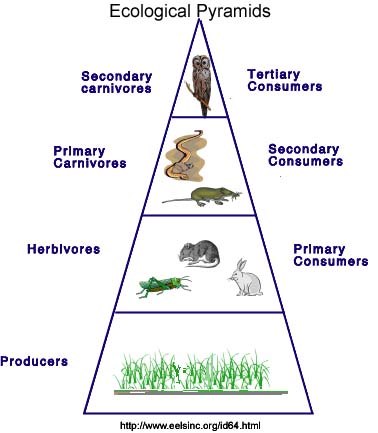
Which of the following is a primary consumer in a grassland ecosystem?
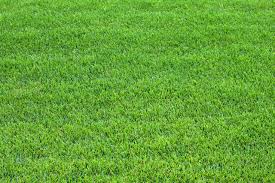
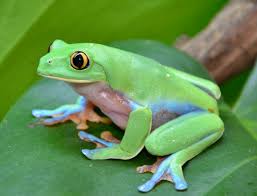
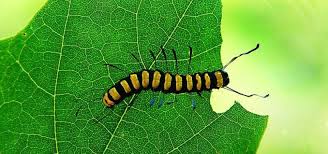
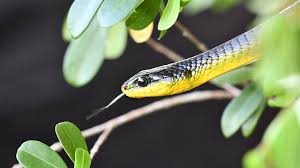
What percentage of energy is passed on to next tropic level?
10%
50%
90%
100%

What is this called?
Food Web
Food Chain
Abiotic Factors
Biotic factors

Which organism recieves the least amount of energy from the producer?
Owl
Grasshopper
Lilypad
Mouse
The phenomenon by which toxins concentrate in the organisms at higher trophic levels within an ecosystem is known as...
Biotoxicity
Biomagnification
Eutrophication
Predation
Consider the following food chain:
Algae > Mayfly > Minnow > Trout
In a polluted ecosystem, which organism is likely to have the HIGHEST level of toxic chemicals in its body?
Algae
Mayfly
Minnow
Trout
What does the Ozone in the atmosphere do?
causes the greenhouse effect
causes acid rain
protects the Earth from harmful infrared (IR) rays
protects the Earth from harmful ultraviolet (UV) rays
What damage can UV rays cause?
can cause sunburn.
can cause some types of skin cancer.
cataracts.
all of the above
What is causing damage to the Ozone layer?
Methane
Carbon dioxide
CFCs
All of the above
Identify the non- biodegradable substance from the following.
Paper
Tin cans
Vegetable peels
Wood
An artificial ecosystem is
Pond
Forest
Desert
Crop field
Each step of a food chain is called as
Trophic level
Food web
Eutrophication
Biological magnification
Which of the following constitute a food chain?
Grass, tiger and ant
Tiger, goat and human
Goat, human and grass
Human, fish and crab
Calculate the amount of energy available to snake in the given food chain if there is 6500 J of energy available to grass hopper.
Grass ----> grass hopper ---> frog -----> snake
6500 J
650 J
65 J
6.5 J
Why do we need to manage the garbage we produce
i)To improve the health and quality of life
ii)For preventing environmental pollution
iii) To produce more biodegradable plastics
iv) To reduce the strain on natural resources
i and iv
iii and ii
i, ii and iii
i,ii and iv
Non biodegradable waste materials can be treated by composting technique.
true
False
Non biodegradable wastes can be managed by practicing techniques like
Reduce Reuse Reabsorb
Reduce reuse recycle
___________________ are found as an alternative for plastics which are decomposed by microbial action.
PVC
Biodegradable plastics
thermoplastic plastic
thermosetting plastic
Which trophic level comprises of producers?
First Trophic level
Second Trophic level
Third Trophic level
Forth Trophic level
What the source of energy for all food chains?
Earth's core
Tides
Sun
Soil
Decomposers are important because (check all the correct answers)
They break down organic matter into inorganic form and help recycle it
They remove impurities from the soil
They clean up the environment by decomposing dead organisms
They make fossil fuels.
Q. 1 Read the statement and answer the questions that follow: A non biodegradable toxic chemical has entered into the food chain consisting of 4 trophic levels.
(a)Which trophic level of a food chain is likely to be more affected by this incident.?
First Trophic level
Second Trophic level
Third Trophic level
Fourth Trophic level
(b) What phenomenon is responsible for the accumulation of non biodegradable material in the food chain?
Biomagnification
Bio-significance
Biotechnology
Biochemistry
(c) Would this phenomenon have occurred if the chemical that had entered the food chain was biodegradable?
Yes
No
Pick the odd one out
Pepsi Can
Bisleri bottle
Vegetable peels
Thermacole plate
Zoo, aquarium, garden are all types of _________________ ecosystem
Natural
Manmade
How much energy is transferred from one trophic level to the next?
(a)
How much of the sun's energy can plants use of the total energy that falls on them?
(a)

