
 Worksheets
Chapter 21-Lesson 1& 2 - grade 9
Total questions: 65
Worksheet time: 51mins
It is not soluble in water
organic compound
inorganic compound
Which of the given compound is NOT an inorganic compound?
HBr
C8H18
NO2
CuSO4



Function: Stores genetic information
carbohydrates
lipids
proteins
nucleic acids
Function: Source of quick energy
carbohydrates
lipids
proteins
nucleic acids
Examples: Fats, oils, waxes, cholesterol, hormones
carbohydrates
lipids
proteins
nucleic acids
Examples: DNA and RNA
carbohydrates
lipids
proteins
nucleic acids
Example: Monosaccharides
carbohydrates
lipids
proteins
nucleic acids
Example: Amino Acids
carbohydrates
lipids
proteins
nucleic acids
Function: Forms the cell membranes
lipids
carbohydrates
proteins
nucleic acids
The element _______is found in all of the organic compounds.
Iron
Nitrogen
Carbon
Oxygen
When an atom loses an electron, it becomes a
positive ion
negative ion
neutral ion
neutral atom
IONIC or COVALENT. Sharing of electrons
Ionic
Covalent
IONIC or COVALENT. Transfer of Electrons
Ionic
Covalent
Which of the following is an example of a nucleic acid?
Proteins
RNA
Enzymes
Cellulose
Glucose, also known as blood sugar, is which type of macromolecule?
Nucleic acids
Lipids
Proteins
Carbohydrate
Which macromolecule stores genetic information?
Nucleic acids
Lipids
Proteins
Carbohydrates
Fatty acids and glycerol are common components of which macromolecule?
Carbohydrates
Nucleic acids
Lipids
Proteins
The macromolecules that make up the majority of the cell membrane's structure are _____.
lipids
proteins
enzymes
carbohydrates
Which category of carbon-based molecules includes sugars and starches?
unsaturated fatty acids
proteins
phospholipids
carbohydrates
We obtain all of the macromolecules form the food we eat except for _____.
carbohydrates
proteins
lipids
nucleic acids
A protein is a macromolecule that is used to...
give cells/systems energy.
build cell parts.
give cells/systems long term energy storage.
help cells with chemical processes.
A carbohydrate is a macromolecule that is used to...
give cells/systems energy.
build cell parts.
give cells/systems long term energy storage.
help cells with chemical processes.
Homeostasis
allows for a wildly fluctuating internal environment
is impossible in vertebrates
is the maintenance of a relatively stable internal environment and often incorporates a form of feedback regulation
Which of these is NOT a function of the digestive system?
breaks down food
absorbs nutrients
eliminates waste
takes oxygen to body cells
The process of breaking down food into nutrient rich molecules.
absorption
digestion
peristalsis
villi
The process by which nutrient molecules pass through the wall of your digestive system into your blood.
absorption
digestion
peristalsis
villi
organ where there is the most absorption of nutrients
stomach
small intestine
large intestine
liver
waves of muscular contractions that move food through the digestive tract.
digestion
absorption
peristalsis
villi
finger-like projections in the small intestine that absorb nutrients
digestion
absorption
peristalsis
villi
Where does the digestion of proteins take place?
Mouth and stomach
Stomach and small intestine
Mouth and small intestine
Mouth, stomach and small intestine
What are proteins made of?
amino acids
minerals
sugars
vitamins
What is the main source of energy for your body?
proteins
carbohydrates
fats
mineral

Where does absorption take place
A
B
C
D
Which process depends on enzymes?
chemical digestion
elimination
mechanical digestion
absorption

In which part of the picture does chemical digestion begin
1
2
3
4
5

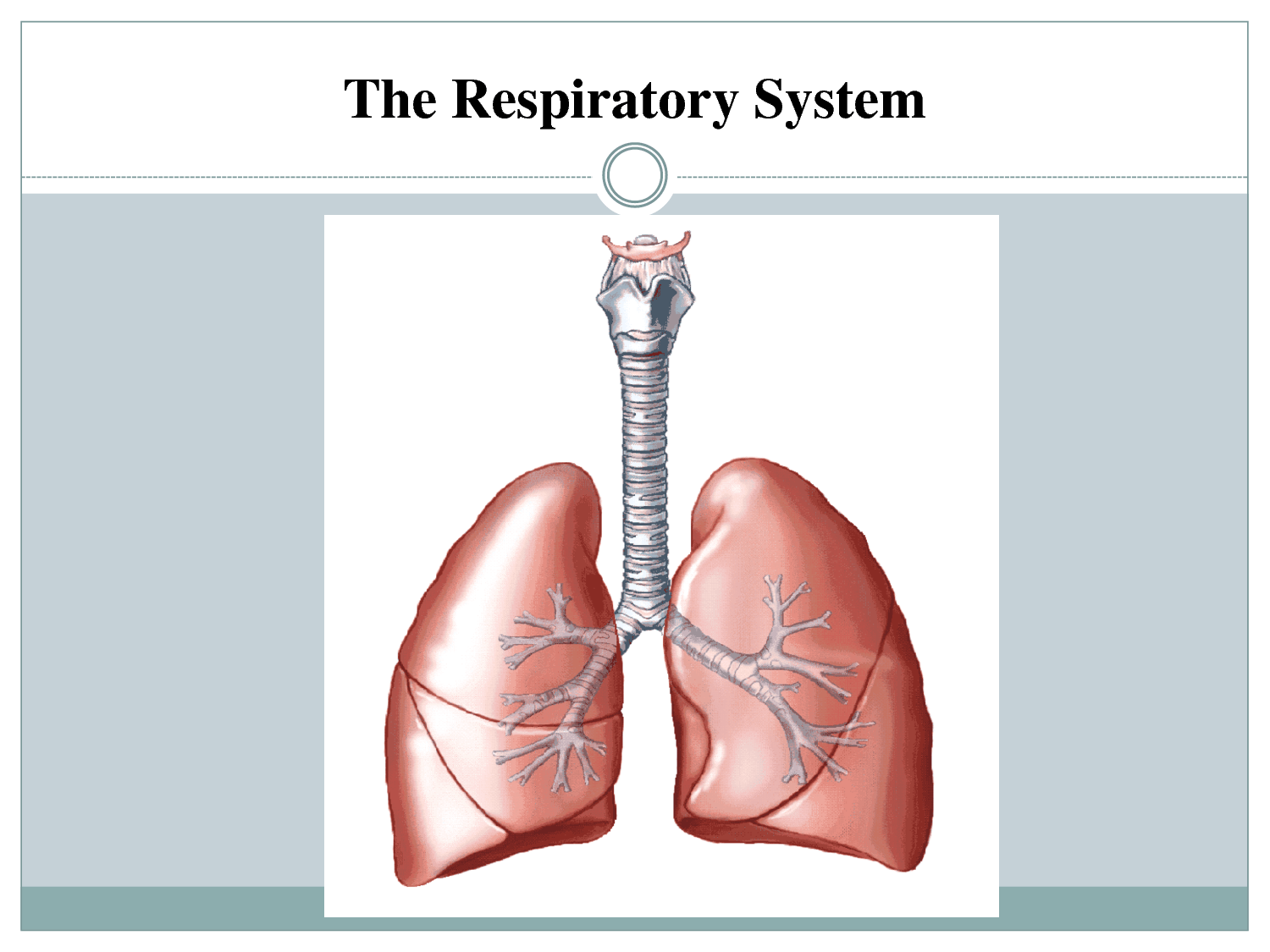
What is the main function of the respiratory system?
to provide oxygen and remove carbon dioxide from the body
o break down food and absorb nutrients
to remove oxygen from the body and deliver carbon dioxide
What are the main organs of the respiratory system that allow us to breathe and for gas exchange to happen?
diapragm
lungs
trachea
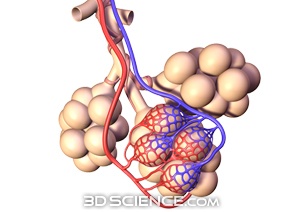
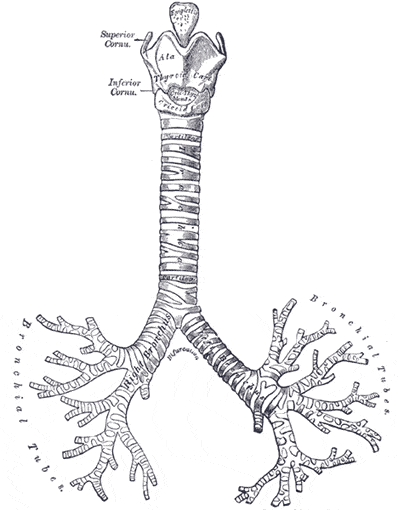
These are the two two main branches from the trachea (one to each lung)
bronchi
alveoli
capillaries
bronchioles
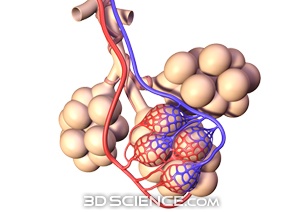
The circulatory system works with the ___________ system to provide our body with oxygen and get rid of CO2 (carbon dioxide).
respiratory
digestive
muscular
skeletal
Where does the urinary tract start?
In the kidneys
In the urethra
In the ureters
In the esophagus
After to pass to the ureters, where does the urine lead?
In the kidneys
Into the urethra
On the liver
On the bladder
Blood being pumped to the kidneys and then filtered by neurons is an example of which two systems working together?
circulatory and muscular
excretory and circulatory
nervous and excretory
nervous and muscular

What will happen to your pupils if you are in a really bright room?
They will contract
They will expand
They will burst into flames
They will stay the same size

What structure of the eye controls the size of the pupils?
Ciliary Muscles
Iris
Lens
Retina
Which is the small black circle in the eye?
Iris
Pupil
Sclera
Eyelash

