
Font size
 Worksheets
Renewable Energy Final Exam Review
Total questions: 105
Worksheet time: 1hrs 3mins
What approximate percent of energy consumption is made of renewable energy?
92%
50%
20%
8%
Which of the following is not a drawback of solar energy?
sunlight does not have energy
cost
sun is not always out
uses materials that can cause environmental problems to mine
Which of the following is a reason to use wind energy?
migration of birds being interrupted
noise
disrupts the landscape
can generate extra income for farmers
what is a drawback to hydroelectric power?
fish being isolated on one side of the dam
water in the reservoir becomes warm
increases the dissolved oxygen
increases the rate of nutrient flow downstream
which location would be best for solar energy?
Arizona
Oklahoma
Hawaii
Colorado
Which location would be best for geothermal energy?
Arizona
Oklahoma
Hawaii
Colorado
Which location would be best for wind energy?
Arizona
Oklahoma
Hawaii
Colorado
Which renewable energy does not require spinning a turbine?
hydroelectric
wind
tidal
photovoltaic cells
A home is built with clear glass panels that allow sunlight to pass through. This is an example of
Active solar
Passive solar
Parabolic collector
Photovoltaic Cells
Which part of an atom moves to create current?
proton
neutron
electron
What is given off as waste in a hydrogen fueled car?
H2
O2
H2O2
H2O
a home is fitted with pumps that pipe water to the roof of the home to be heated by the sun. This is an example of
passive solar
active solar
parabolic collector
photovoltaic cell
Which of the following is not a biofuel or a biomass?
wood
ethanol from corn
dung
coal
fuel cells that use a chemical reaction to generate electricity are using
hydrogen gas
methane gas
water
oil
what is a drawback of using ethanol as a fuel alternative to gasoline?
it is produced from a food item
produces more pollution than gas
nonrenewable and comes from the ground
burns worse than gasoline
Which of the following are the most energy efficient light bulbs?
incandescent
compact florescent
LED
halogen
if a tractor trailer truck is 20% efficient, what happened to the other 80%
energy is destroyed
energy is lost as heat
the 80% is still in the gas tank
energy is converted into matter

during which years would gas prices be increasing?
1980
1990
1995
2000

Renewable energy resources produce less_____________ than fossil fuels.
pollution
energy
wind
light
What is a renewable resource?
A resource that is constantly being formed or replenished
An object you cannot replace
Fossil fuels
A resource that is fiinite
Energy produced by burning organic matter waste such as wood, food scraps, and animal matter is called______________ energy.
All of the following are considered renewable energy sources EXCEPT –
Wind
Coal
Biomass
Solar


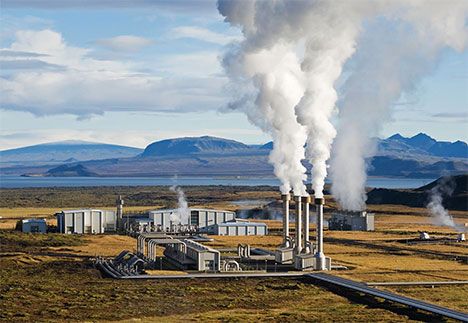
This power plant, harnessing the energy of heat below Earth's surface, produces electricity most likely by using
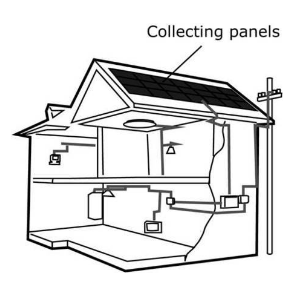
Which alternative energy source does this house use?

A positive aspect of investing in geothermal energy is...
it is expensive to start using
it is not reliable
there is an unlimited supply of heat from within the Earth
it is limited to certain areas
Renewable energy resources produce less_____________ than fossil fuels.
pollution
energy
wind
light
Energy created from wood, peat moss, and manure is called __________________ energy.
biomass
geothermal
natural
solar
What is a drawback to hydroelectric power?
fish being isolated on one side of the dam
water in the reservoir becomes warm
increases the dissolved oxygen
increases the rate of nutrient flow downstream
What is given off as waste in a hydrogen fueled car?
H2
O2
H2O2
H2O
Which of the energy sources listed is NOT a renewable source of energy?
Solar
Oil
Wind
Tidal
Geothermal
Which energy source is derived from the movement of sea water in and out of turbines to generate electricity?
Wind
Hydro-electric power (HEP)
Tidal
Solar
Geothermal
True or False: Renewable energy is generally better for the environment as it produces less pollution.
True
False
Which of the following make up fossil fuels?
Oil
Coal
Gas
All of the above
Fossil fuels and nuclear fuels make up non-renewable energy
True
False
Fossil fuels are formed by
Human overuse
Remains of living things millions of years ago
Carbon dioxide
Drilling a hole into the ground and extracting rocks
When fossil fuels are burnt, they release the greenhouse gas _____________ which contributes to climate change
Carbon dioxide
Oxygen
Nitrogen
Hydrogen
Nuclear energy occurs in power plants. One negative of this is:
More pollution
Carbon dioxide is released into the atmosphere
Wastes produced remain radioactive
Doesn't provide a constant supply of energy
Sustainability is making sure that the planet and its resources can continue to provide life.
True
False
Which of these problems could happen if we don't look after the resources we have?
Loss of animal homes
Climate change
Increase in pollution
All of the above

The main function of an Environmental impact statement is
To predict the effect a federal project might have on the environment
To produce a record of environmental change throughout history
To satisfy the requirements of international agreements
To limit real estate development and the activities of businesses
What is something we do daily that does NOT affect our ecological footprint?
taking a shower
driving to school
blowdrying your hair
change your clothes
An accurate definition of Sustainability is
meeting population needs
meeting the needs of the present without compromising the ability of future generations to survive
meeting the needs of the future without worrying about todays
meeting the food needs of animals
The three pillars of sustainability are
Physical, Economical, Political
Environmental, Social, Physical
Economical, Environmental, Social
Physical, Political, Social
Sustainability of the natural environment includes protecting natural resources like
Water, sunlight, wind
Trees, sunlight, soil
Buildings, waste, trees
Water, trees, soil
What helps people obtain higher prices for their product and better working conditions?
captive trade
fair trade
free trade
impartial trade
You go to the dentist twice a year for teeth cleanings and check-ups. What type of health care does this represent?
allowable
diagnotic
preventative
sustainable
Which of the following is NOT an element of the Anthropocene Epoch?
deforestation
ice-age
mining
pollution
Which type of consumption describes the unsustainable or excessive consumption of goods?
collborative
hyper-consumption
individual
hypo
Humans can impact carbon cycle positively by
"Planting trees"
"A factory with smoke stacks"
"The local landfill burning trash"
"Paved streets with many cars on the roads"
The tragedy of the commons refers to a problem where
"the productive area of Earth needed is too small"
"there are too few species in an area"
"plants will not grow in an area"
"humans over use the resources in an area"
Until the Industrial Revolution the balance of this gas in our atmosphere was stable...
O3 (ozone)
O2 (oxygen)
SO4 (sulfate)
CO2 (carbon dioxide)
Why is biodiversity important?
To create stable ecosystems
To decrease predator numbers
To increase atmospheric temperatures
To stabilize non-renewable resources
What pollutant forms when automobile emissions react with oxygen gas and ultraviolet rays?
Smog/ ground level ozone
carbon dioxide
radon
sulfur dioxide
Pollution that comes from a specific site is called
reservoir
potable
point-source
permeability
Buildings, urbanization, paving & transportation can cause cities to become...
Gentrified
Ozone connectors
Heat islands
Solar bubbles
Which of these would have the lowest long-term environmental impact?
Nuclear power
Corn ethanol
Burning coal
Wind energy
Which of these ues the least amount of energy & water to grow & is best for the environment?
wheat
poultry (chickens)
beef cattle
dairy cows
About 70% of Earth's freshwater is used for agriculture - the main reason is…
Lack of funding
Genetic modifications
Population growth
Increased saltwater levels
Who can help save the environment?
environmentalists
you
scientists
all of the above!

What happens if a population grows past its carrying capacity?
The population keeps growing
The population starts to die off
The entire species will go extinct
The carrying capacity just increases
Which of the following ISN'T a fossil fuel?
oil
coal
uranium
natural gas
When an object's temperature decreases, its particles have more energy and vibrate faster.
True
False
What term describes the probability that a product will be sellable to consumers for a profit?
capital intensive
commercialization potential
demonstration
variable costs
In order to meet the requirements of the Kyoto Protocol, countries can buy or sell
certified extra emission reduction credits.
clean development mechanisms.
emissions trades.
joint implementations.
Which of the following describes a more efficient updated grid that integrates renewable energy, uses digital technology, and will connect the entire United States?
electric grid
national grid
global grid
smart grid
Which pillar of sustainability focuses on meeting the needs of all people?
conservation
ecology
culture
social
In a sustainable food system, people rely on
globally grown foods when they are in season.
globally grown foods when they are not in season.
locally grown foods when they are in season.
locally grown foods when they are not in season.
Our present day geological era, which is marked by changes to the Earth and its climate that are shaped by human activities, is the
Anthropocene Epoch.
Archean Epoch.
Phanerozoic Epoch.
Proterozoic Epoch.
What do you think might happen to an ecosystem where a keystone species has gone extinct?
The entire ecosystem may collapse.
Invasive species may take over the ecosystem.
Other species would also disappear and become extinct.
All of the above.

