
 Worksheets
Circulatory System test review
Total questions: 74
Worksheet time: 2hrs 59mins
Delivers oxygen to your body cells. Made in bone marrow.
white blood cell
red blood cell
respiratory system
lungs
Fights disease and infection. Made by the lymphatic system.
white blood cells
red blood cells
circulatory system
blood
This organ pumps blood through your body.
heart
artery
vein
capillaries
These blood vessels take oxygenated blood to the body cells.
heart
artery
vein
capillary
These blood vessels carry deoxygenated blood to the lungs.
heart
capillaries
veins
arteries
Small blood vessels that diffuse oxygen, carbon dioxide, and nutrients.
heart
arteries
veins
capillaries
The system that makes red blood cells.
nervous
circulatory
respiratory
skeletal
The system that delivers oxygen and gets rid of carbon dioxide.
respiratory
skeletal
lymphatic
digestive
The system that sends electrical signals to the heart that tell it to beat.
respiratory
lymphatic
nervous
digestive
The system that breaks down food into nutrients.
lymphatic
respiratory
nervous
digestive
The system that makes white blood cells.
lymphatic
respiratory
nervous
digestive
A disease in which red blood cells are mis-shaped and clog capillaries.
leukemia
heart disease
sickle-cell anemia
hemophilia
Causes an overproduction of white blood cells that crowd the blood.
leukemia
heart disease
hemophilia
sickle-cell anemia
Causes an overproduction of white blood cells that crowd the blood.
leukemia
heart disease
hemophilia
sickle-cell anemia
Cholesterol and plaque builds up on vessel walls and causes heart attack and stroke.
leukemia
heart disease
hemophilia
sickle-cell anemia
A hereditary disease where blood does not clot to stop bleeding.
hemophilia
heart disease
sickle-cell anemia
leukemia
The 3 main functions of the Circulatory System
break down food, remove waste, make blood cells
react to stimuli, grow, adapt
deliver materials, remove waste, and fight infection
The 3 main functions of the Circulatory System
break down food, remove waste, make blood cells
react to stimuli, grow, adapt
deliver materials, remove waste, and fight infection
The 3 main functions of the Circulatory System
break down food, remove waste, make blood cells
react to stimuli, grow, adapt
deliver materials, remove waste, and fight infection
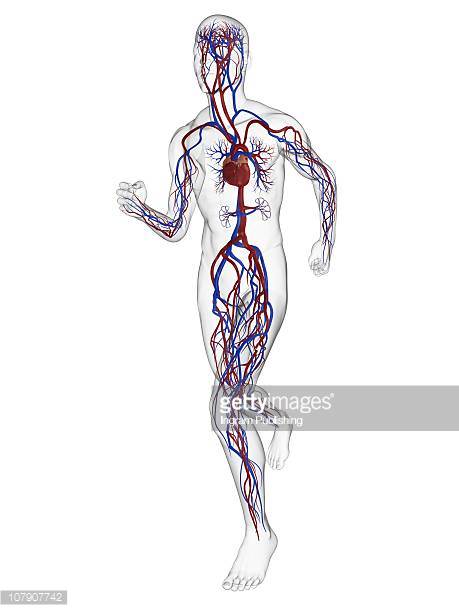
What is the main organ of the circulatory system?
small intestine
bone
lungs
heart
Arteries carry oxygen rich blood away from the heart.
True
False
The job of the heart is to . . .
pump blood around the body.
send food to the small intestines.
break down food.
give energy to the body.
The heart is about the size and shape of your . . .
head
fist
hand
foot
How does the heart work?
It pumps blood first to the lungs, back to the heart and then around the rest of the body.
It pumps blood first to the rest of the body, back to the lungs and then to the heart.
It pumps blood around the rest of the body, back to the heart and then to the lungs,
(a) is the liquid part of blood.
(a) help form clots to stop bleeding.
Blood vessels that carry blood to the heart.
Veins
Arteries
Capillaries
The upper part of the heart is made up of two chambers called what?
Ventricles
Atria
(a) are the tiniest blood vessels.
The bottom part of the heart is divided into two chambers called what?
Ventricles
Atria
These blood cells carry oxygen from the lungs to all parts of the body.
White Blood Cells
Red Blood Cells
Platelets
Plasma
About how many times does your heart beat per minute?
20-60
40-80
60-100
80-120
This occurs when blood flow to part of the heart is blocked.
Heart attack
Stroke
Arrhythmia

Which type of blood vessel carries blood TO the heart?
Arteries
Capillaries
Veins
Venules
What type blood vessel exchanges nutrients and oxygen in the tissues?
Arteries
Veins
Capillaries
Venules

Arteriosclerosis is when...
blood pressure increases.
plaque builds up in the veins.
artery walls become thicker.
blood pressure decreases.
Which of the following is NOT a factor in affecting blood pressure?
blood volume.
age.
blood output.
resistance.
Which of the following is NOT a major factor affecting blood flow?
Heart size
Viscosity
Exercise
Plaque
What are the main organs of the circulatory system?
brain, spine, & nerves
heart, arteries, & veins
heart, lungs, & veins
skin, nails, & hair
What is the main organ of the circulatory system?
small intestine
bone
lungs
heart
Veins carry oxygen poor blood back to the heart.
False
True

Arteries are...
blood vessels responsible for carrying oxygen-rich blood away from the heart to the body.
blood vessels that carry blood low in oxygen from the body back to the heart for reoxygenation.

Veins are...
two of the body's main type of blood vessels.
blood vessels that carry blood low in oxygen from the body back to the heart for reoxygenation.

Blood is made up...
by four main components, Plasma, Red Blood Cells, White Blood Cells, and Platelets.
by plasma and platelets.
by red blood cells, white blood cells.

The main organ of the circulatory system is...
veins and arteries.
the heart.
the blood.

The heart is divided in...
three atriums and two ventricles.
right and left atriums and ventricules.
pulmonary veins and aorts.

What is produced by your body in response to foreign antigens, such as the wrong type of blood?
agglutinates
clotting factors
phagocytes
antibodies
Tyler has blood type AB+, he can donate blood to a person that has blood type?
AB+
AB-
O-
O+
Which blood type has Type A antibodies?
Type AB
Type O
Type B
Type B and Type O
Laney is the universal donor, what blood type does she have?
O-
O+
AB+
AB-
Destiny has blood type B, what antigen is present?
None
A
B
A and B
Hemophilia, which isn't very common, mostly affects girls. In rare cases, guys can have the disease and get bleeding problems similar to the ones girls have.


Coronary Artery Disease
Increase the risk of heart disease
Reduce the risk of heart disease

Healthy Weight
Increase the risk of heart disease
Reduce the risk of heart disease
Organ in the circulatory system that pumps blood
throughout the body
heart
lungs
capillary
artery

