
 Worksheets
Biology 1st Semester Final Exam Review (with Ecology)
Total questions: 102
Worksheet time: 2hrs 33mins
A group of organisms living in the same area that can mate and produce fertile offspring
trophic level
species
ecosystem
niche
The final two steps in the scientific method are
form a hypothesis & experiment
analyze data & form a conclusion
form a conclusion & report the work
ask questions and collect data
You want to see if plants grow taller when given water or orange juice.
What is the dependent variable?
The height of the plants
What you water the plants with (Water or orange juice)
You want to see if plants grow taller when given water or orange juice. What is the independent variable?
The height of the plant
What you are watering the plant with (Water or orange juice)

A well tested and supported explanation that unifies a broad range of observations is call a
hypothesis
theory
inference
conclusion
A possible explanation for a set of observations, also know as an educated guess, is called
hypothesis
theory
inference
law
Which statement is NOT part of the cell theory?
The cell is the basic unit of structure and function in living things
All cells come from pre-existing cells
All living things are made of one or more cell.
All cells contain DNA and membrane-bound organelles.
What is the function of the Golgi apparatus?
digest worn-out cell parts
control what enters the cell
packages and ships cell products
makes ribosomes
Which structure is only in plant cells but not animal cells?
nucleus
nucleolus
ribosomes
chloroplasts
Osmosis, Simple Diffusion and Facilitated Diffusion are all examples of...
Active Transport
Passive Transport
Endocytosis, Exocytosis and Protein Pumps are all examples of...
Active Transport
Passive Transport


Which process converts carbon in the from of glucose (sugar) into carbon dioxide gas?
Bioremediation
Photosynthesis
Cellular Respiration
Transpiration
Which gas do plants release, that humans depend on for survival?
Water
Carbon Dioxide
Oxygen
Sugar
Plants use ____________ to make their own food
Water
Sunlight
Carbon dioxide
All of these
Where in the cell does cellular respiration occur?
Nucleus
Chloroplast
Mitochondria
Golgi
Organisms that can NOT make their own food and must obtain energy from external sources are called
autotrophs
heterotrophs
thylakoids
plants
The sugar that is in the backbone of DNA is called
fructose
ribose
glucose
deoxyribose
What nucleotide base does RNA contain that DNA does not?
adenine (A)
cytosine (C)
uracil (U)
thymine (T)
What is made up of different types of tissue?
cell
organ
What is a group of organs that work together to perform a major function?
cell
organ
organ system
molecule
The role an organism plays in its environment is known as its
habitat
ecosystem
biosphere
niche
Which picture shows a food web?


Several sheep living together in an area is called a:
Population
Community
Ecosystem
biosphere
Cows, sheep, pigs and chickens living together on a farm is an example of...
Population
Community
Ecosystem
Biome
Which picture shows a food chain?


Where do all living things get their energy from?
They make their own
They eat food
The sun
Water
The branch of biology dealing with interactions among organisms and between organisms and their environment is called.
anatomy
botany
ecology
parasitology

Which animal is the secondary consumer?
mouse
snake
monkey
jaguar

What is a producer?
Rabbits
Grasses
Birds
Grasshopper
What do herbivores eat?
Producers
Consumers

What is the primary consumer?
acorns
mouse
snake
owl
What do carnivores eat?
Producers
Consumers
What is an example of a limiting factor for an animal?
The color of the animal's fur
The amount of food available
The height of the animal
The genes of the animal

What is the carrying capacity shown in the graph?
2500
5000
7500
10,000
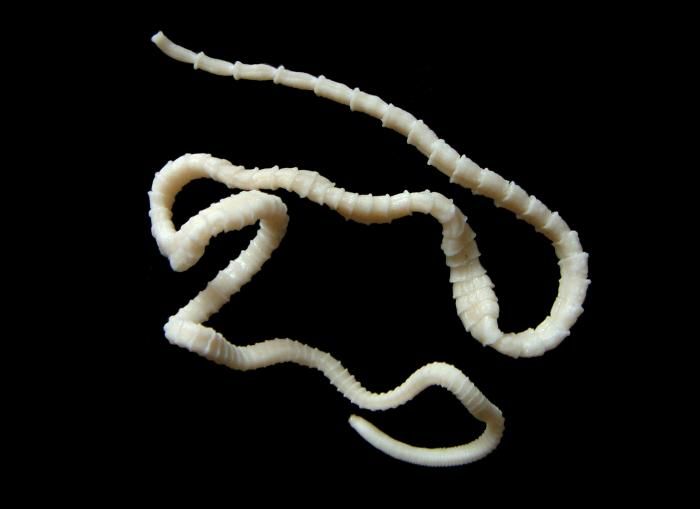
A tapeworm lives in a dog's intestine and feeds off of the nutrients there. This harms the dog. This type of relationship is called.
mutualism
parasitism
commensalism
competition
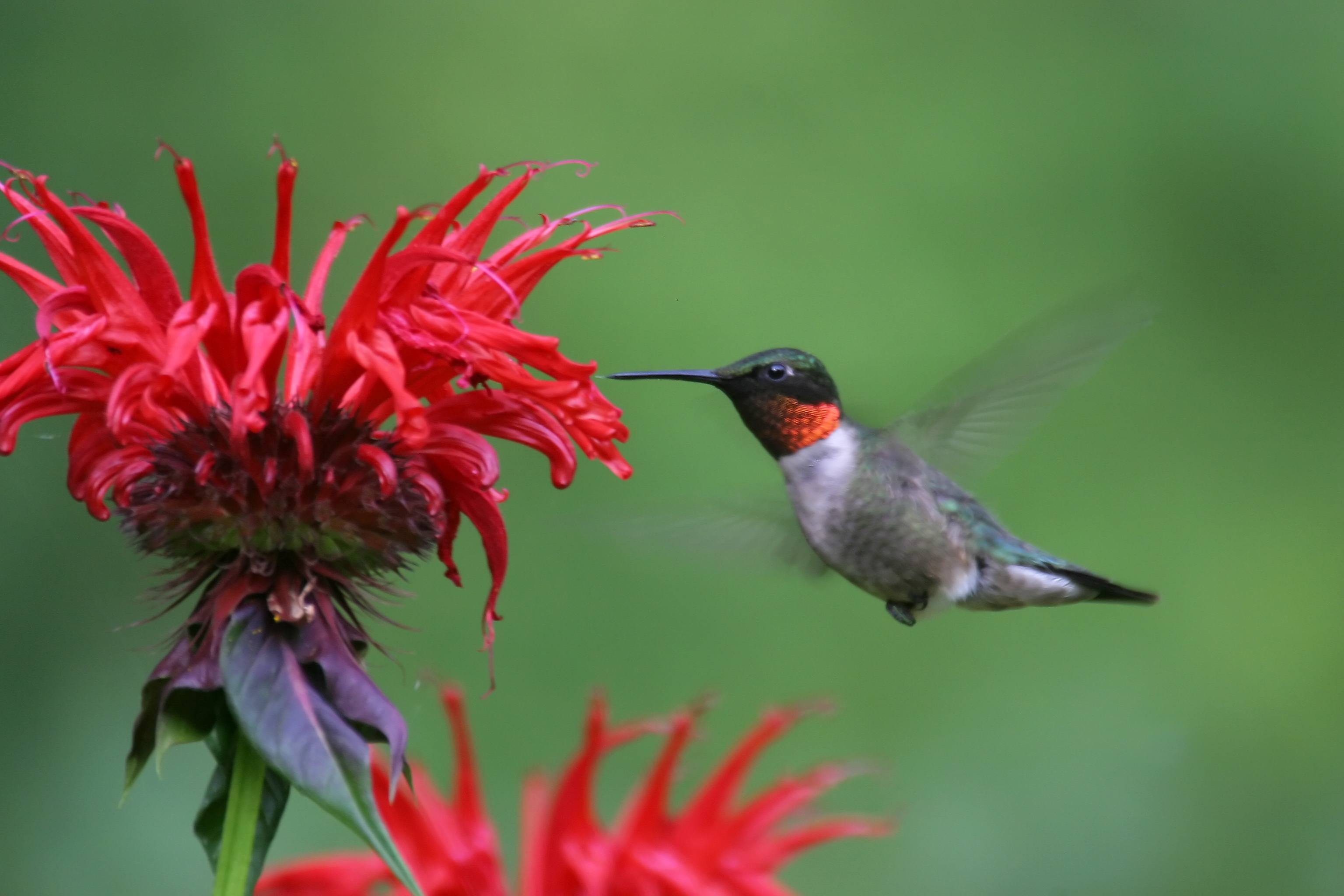
Which level of organization includes all of the other levels?
ecosystem
population
community
biosphere
A group of cells that perform similar functions is called a(an)
organ
organ system
tissue
atom
The proper order of the levels of organization are
organ systems, organs, tissues, cells
tissues, cells, organs, organ systems
cells, tissue, organs, organ systems
cells, organ systems, tissues, organs
Which items are created during cellular respiration?
Water and CO2
Glucose and Oxygen
Alcohol and CO2
Lactic Acid
The building blocks of RNA and DNA (nucleic acids) are called
amino acids
fatty acids
nucleotides
cells
Carbohydrates, lipids, proteins, and nucleic acids are collectively known as
organic compounds
living molecules
inorganic compounds
atoms
How much energy is passed along to each organism in the food chain?
10%
50%
90%
100%
Which of the following organic compounds is the main source of energy for living things?
carbohydrates
DNA
proteins
RNA
A monosaccharide is a monomer of a
carbohydrate
lipid
nucleic acid
protein
What are the biotic factors in the environment that have an effect on populations called?
Density-Independent Factors
Density-Dependent Factors
Carrying Capacity
Living Things
What are the abiotic factors in the environment that affect populations called?
Density-Independent Factors
Density-Dependent Factors
Carrying Capacity
Non-Living Things
Name two strategies an R-Strategist uses to survive?
Long life span, Large body size
Short Life Span, Small Body size
Name two strategies an K-Strategist uses to survive?
Long life span, large body size
Short life span, small body size
As a part of the water cycle, water from Earth's surface enters the clouds and finally falls back to the ground in the form of rain. What is the correct sequence of processes water undergoes?
Evaporation, Condensation, Precipitation
Precipitation, Condensation, Evaporation
Condensation, Evaporation, Precipitation
Evaporation, Precipitation, Condensation


The greenhouse effect is caused by
more heat arriving at the Earth from the sun
the Earth releasing more heat at night
gases in the air trapping heat released by the Earth
planting more trees
Prokaryotes do NOT have....
membrane bound organelles
DNA or RNA
Cell membrane
Life
Which of the following is NOT a characteristic that prokaryotes and eukaryotes share?
cell membrane
ribosomes
DNA or RNA
nucleus
All of the following are examples of eukaryotes EXCEPT for....
Animals
Plants
Fungi
Bacteria
Which part belongs in both plant and animal cells?
Cytoplasm
Chloroplast
Large Central Vacuole
Cell Wall
Choose the statement below that is TRUE.
Plant and animal cells both have cell walls so the cell can maintain its shape.
Animal cells do not have chloroplasts because animals do not require the use of photosynthesis to produce their food.
Plant cells do not have a nucleus because plants are not living organisms like animals are.
Animal cells do not have cytoplasm because an animal cell's organelles are free to move around as they please.
The role an organism plays in its environment is known as its
habitat
ecosystem
biosphere
niche
What happens to both energy and biomass as you move UP a food pyramid?
they both increase
they both decrease
What type of population growth is shown in this entire graph?
logistic
exponential

What type of transport is this? (High to Low through a protein channel)
facilitated diffusion
active transport
diffusion
osmosis



