
 Worksheets
Exam 7 Practice Problems
Total questions: 105
Worksheet time: 2hrs 57mins

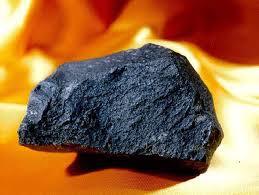


What type of rock is created from heat and pressure?
Igneous
Sedimentary
Metamorphic
Which type of rock was created from the deposition and cementation of weathered material?


Which rock was most likely formed from heat and pressure?


What type of rocks are formed from the processes seen in the picture?
Igneous
Sedimentary
Metamorphic

In which type of rock would you find fossils like you see in the picture?
Igneous
Sedimentary
Metamorphic

Which process comes first in the creation of sedimentary rock?
erosion
compaction
cementation
weathering


Igneous rock that cools very quickly when it forms may have a texture that is ________________.
Igneous rock
fracture
smooth and shiny with no visible grain
very grainy
What are the steps of breaking down sedimentary rock?
Sediments just get melted down
Weathering, erosion, deposition, compaction, and cementation
Sediments don't break down
Weathering, erosion, and deposition
How are metamorphic rocks formed?
They are formed from very little heat and pressure on Earth's surface
They are formed from just pressure being applied to them.
They are formed from intense heat and pressure, deep beneath the surface of the Earth.
They are no metamorphic rocks
How does folding affect Earth's surface?
Folding causes the crust to buckle, and over time, to rise up and form mountains.
Folding causes the crust to sink.
Folding causes the crust to bend in half.
Folding has no effect on Earth's surface.
Which type of stress occurs at convergent boundaries where plates push into each other?
tension
compression
shear
A geologist notices that the land on one side of a break in the crust is slightly higher than the other side.
What has the geologist found?
an anticline
a fault
a fold
a joint
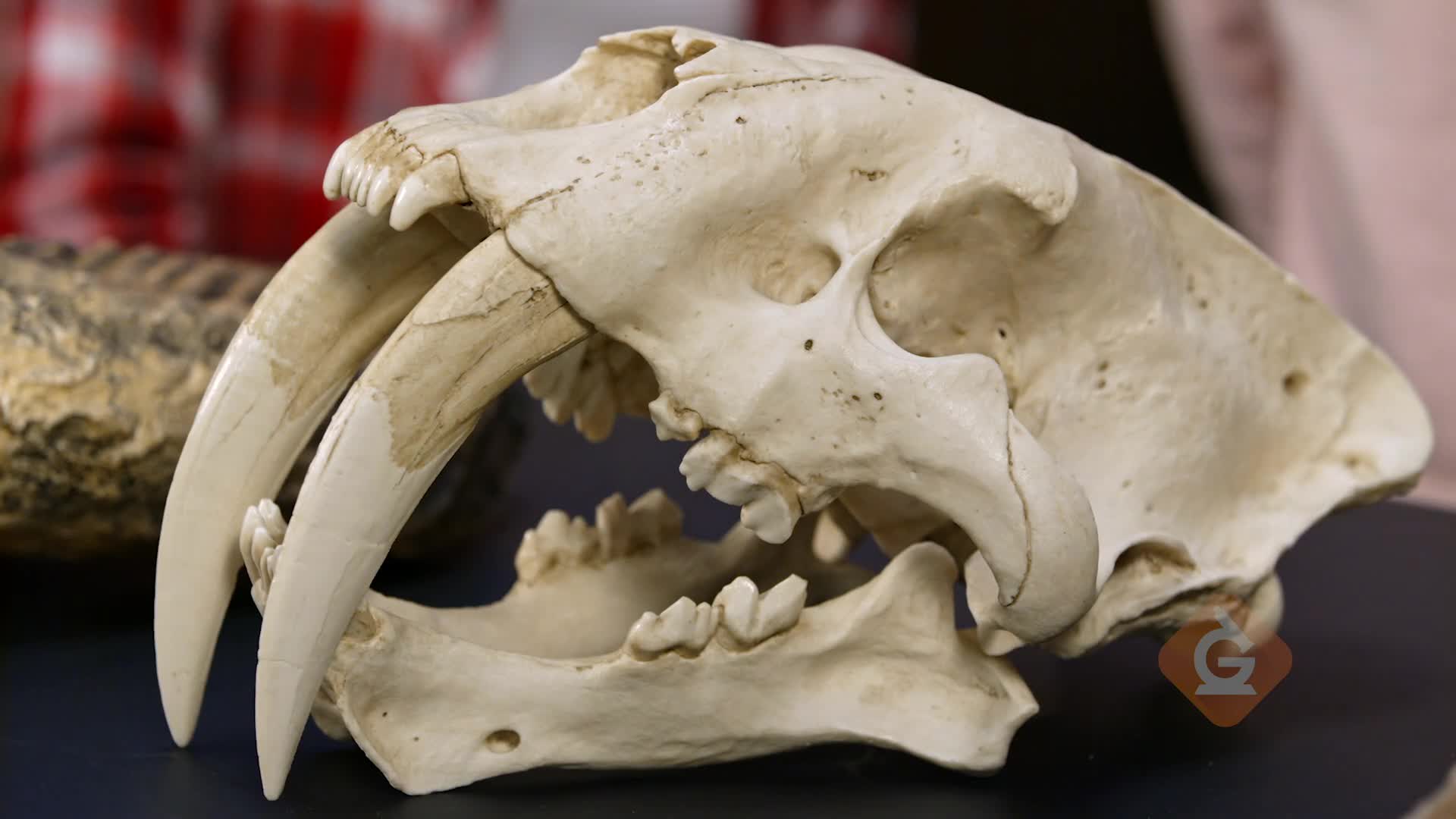
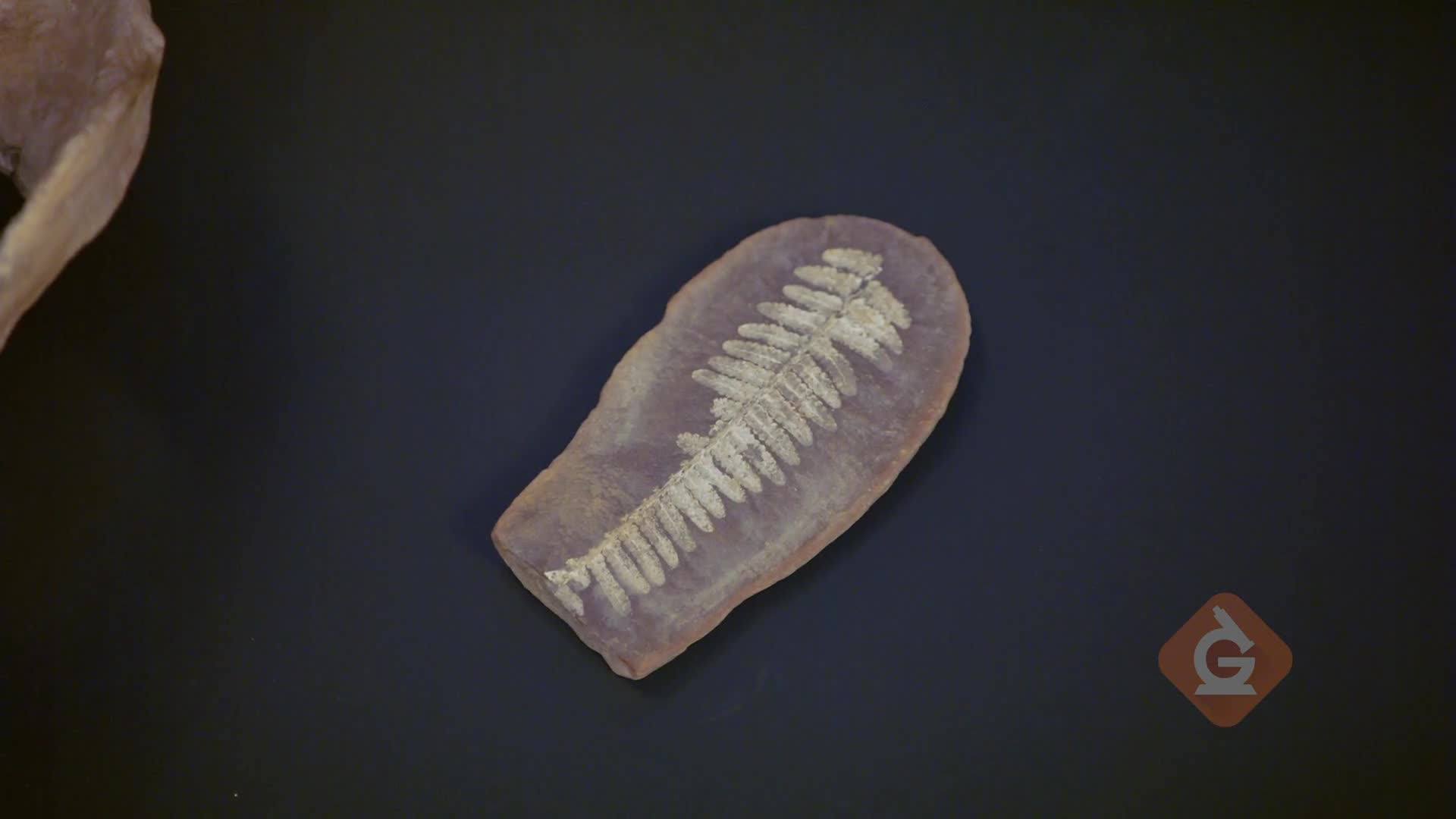

The formation of fossils as stone replaces decaying tissues
Extinction
Petrification
Glacial Period
Sedimentary Layers
Fossils are the preserved remains of organisms that lived long ago. According to the law of superposition, the rock layers that contain fossils should be far below Earth’s surface. Which answer best explains why fossils are sometimes found at or near the surface?
Fossils are less dense than rock, so they rise to the surface.
Fossils are moved to the surface by other organisms.
Sedimentary rock layers are relatively soft, and new fossils sink through upper layers into older, deeper layers.
Some rock layers with fossils have been exposed because of different processes, such as faulting, folding, and weathering.
Scientists find a fossil of a fish on top of a mountain. What kind of evidence does the fossil provide scientists about the way this area might have changed over time?
It shows that fish were once able to live without water.
It shows that oceans can change quickly and become land.
It shows that the animals found on the mountain today evolved from fish.
It shows that the mountain may have once been under water and raised up by natural processes.
The rock layers that make up the Grand Canyon range in age from 2 billion to 230 million years. What would a scientist need in order to compare the relative ages of rocks from two different parts of the canyon?
the location of each rock
the size and hardness of each rock
the size of the crystals that make up each rock
the amounts of radioactive elements in each rock
Paleontologists are studying a specific type of fossil from an organism found in the bottom rock layer of a cliff. Later they notice the same type of fossil in a higher layer on the same cliff. The rock layers are undisturbed – no folding or faulting has taken place. Which of the following is the BEST explanation for why fossil?
This particular type of organism was present in multiple locations on Earth.
This particular type of organism lived for a long period of time in the same area.
The cliff has many folds that moved the fossils into different layers.
The cliff has many faults that have broken down the rock and moved the fossils.

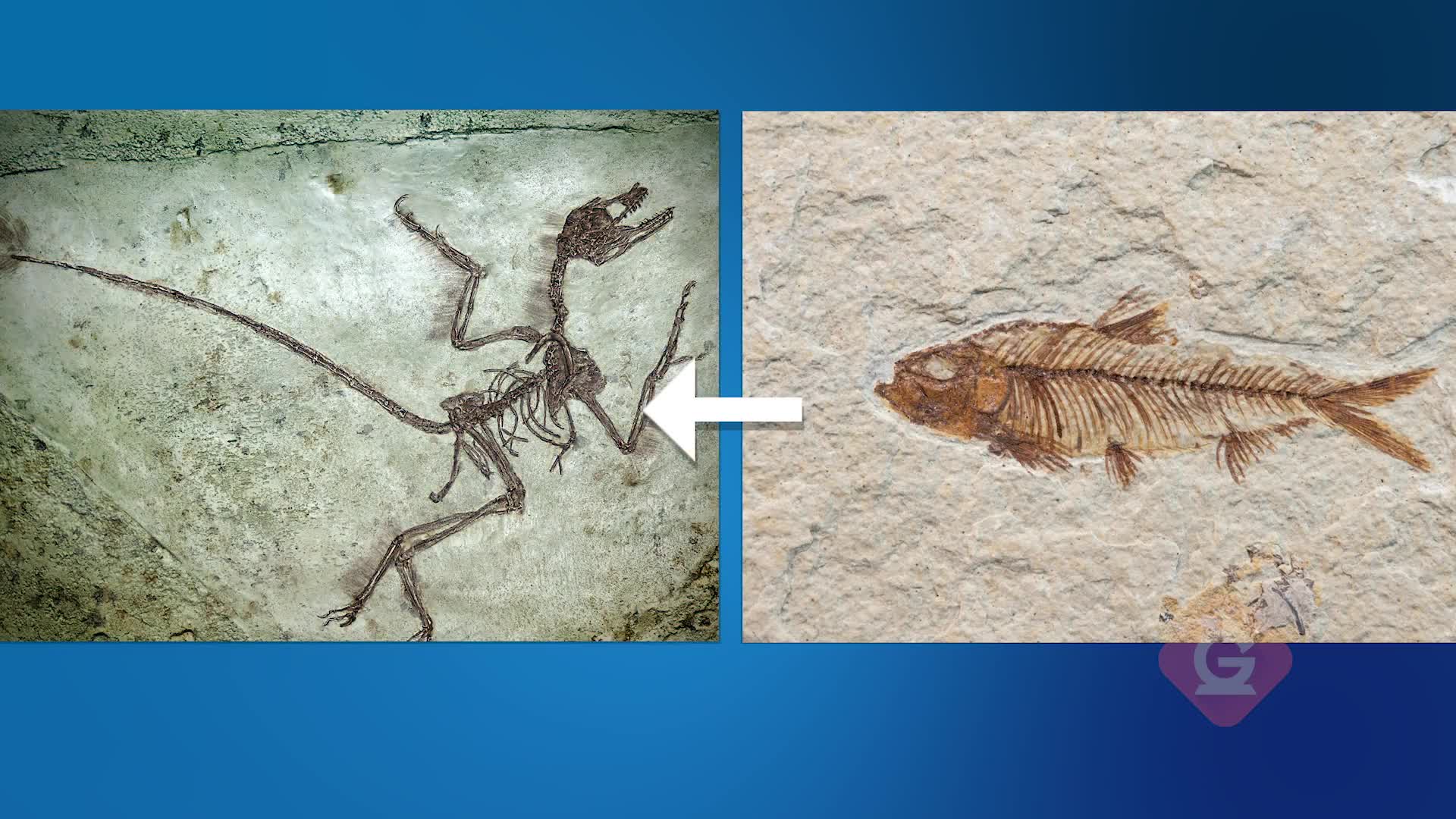
Fossils provide information about the layers of rock in which they are found. For example, the fish fossil indicates that the sediments in the surrounding rock were deposited in or near a body of water.
What information does the fish fossil provide about the age of the rock layer surrounding it?
The rock is younger than the fossil.
The rock is older than the fossil.
The rock and fossil are the same age.
The age of the rock is unrelated to the age of the fossil.

The rock layers that make up the Grand Canyon range in age from 2 billion to 230 million years. What would a scientist need in order to compare the ages of rocks from two different parts of the canyon?
the location of each rock
the size and hardness of each rock
the size of the crystals that make up the rock
the radioactive elements in each rock
Many features of rocks offer clues to their ages. Which feature does NOT provide information about the age of a rock?
the position of the rock relative to other rock layers.
the size of the crystals that make up the rock
the radioactive elements within the rock
the fossils found within the rock



This rock started as molten magma but transformed after a volcano erupted. What type of rock is this?
Sedimentary
Igneous
Metamorphic
When water enters cracks in rocks and freezes, it expands and breaks the rock apart.
Mechanical
Ice Wedging
Roots
Chemical
Carbonic Acid
The type of weathering that occurs when chemicals react with minerals.
Mechanical
Ice Wedging
Roots
Chemical
Carbonic Acid
What happens to a rock when it is weathered?
It is broken into smaller pieces.
It is moved by wind, air, or water.
It is built up as material is deposited.
It is changed into another type of rock.

_____________ weathering is the breaking down of rocks by chemical reactions.
Chemical
Physical
Deposition
Erosion
____________ is the breaking down and wearing a way of rock by mechanical action.
Erosion
Oxidation
Iron Oxide
Abrasion
When acidic water rushes over Limestone for extended periods of time, the rock is dissolved and eventually forms caves and other features. This is an example of what?
Climate
Frost Wedging
Dissolving
Carbonic acid weathering limestone to form caves
chemical weathering
mechanical weathering
The wedging (or growing) of tree roots along natural grooves in rock
chemical weathering
mechanical weathering
water, ice, wind or gravity
moves fragments of rock
and soil.
water, ice, wind or gravity
deposit rock sediments
and soil in a new place.
Earth’s crust into smaller
and smaller pieces.

The image above depicts the effects of chemical weathering breaking down limestone. Which type of chemical weathering causes this reaction?
Acid rain
Oxidation
Exfoliation
Abrasion

Which type of sediment does wind erosion most strongly affect?
Loose, sandy soil
Wet rocks
Wet, compacted soil
Dry, compacted soil

The tallest sand dunes in North America are found in Great Sand Dunes National Park and Preserve in Colorado. These dunes were formed from the sand at the bottom of a dry lake bed. Which of the following agents is most likely responsible for the formation of the sand dunes?
Wind
Water
Ice
Gravity

A landform that is a result of the deposition of sediments at the mouth of a river
canyon
mountain
plateau
delta

A huge, slow moving mass of snow or ice
Glacier
Delta
Bay
Sea

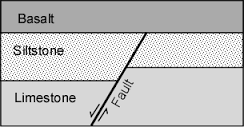
Which layer is OLDER? Intrusion M or Layer D?
Intrusion M
Layer D

Which layer is OLDER? Fault E or Intrusion D?
Fault E
Intrusion D

Which layer is OLDER? Layer E or Intrusion A?
Layer E
Intrusion A

Which layer is OLDER? Layer E or Fault H?
Layer E
Fault H
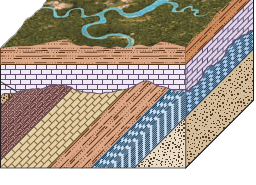
What type of unconformity is shown here?
Non-conformity
Disconformity
Angular unconformity


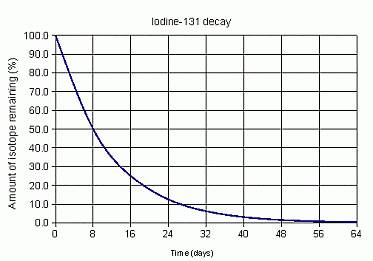
The % of the parent isotope remaining after 2 Half Lives.
50%
25%
12.5%
6.25%
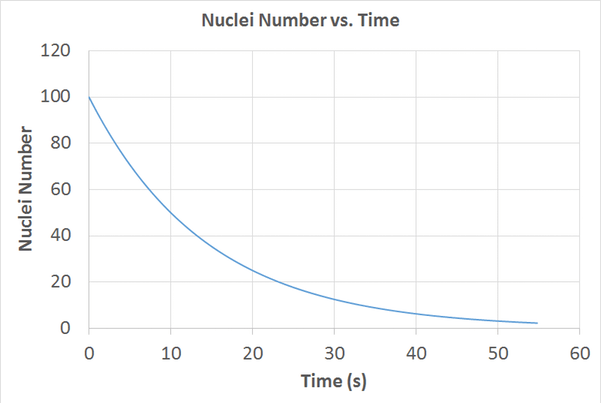
What is the Half life of this isotope?
5 seconds
10 seconds
15 seconds
20 seconds
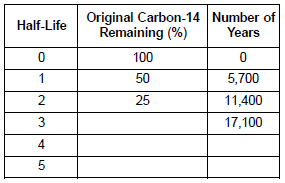
After 22,800 years, approximately what percentage of the original carbon-14 remains?
15%
12.5%
6.25%
3.125%
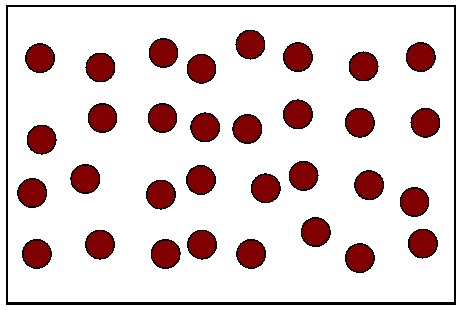
The diagram shows 32 atoms
32 of the Red are the parent isotope
0 of the atoms are daughter isotopes
How many half-lives have occurred?
0
1
2
3
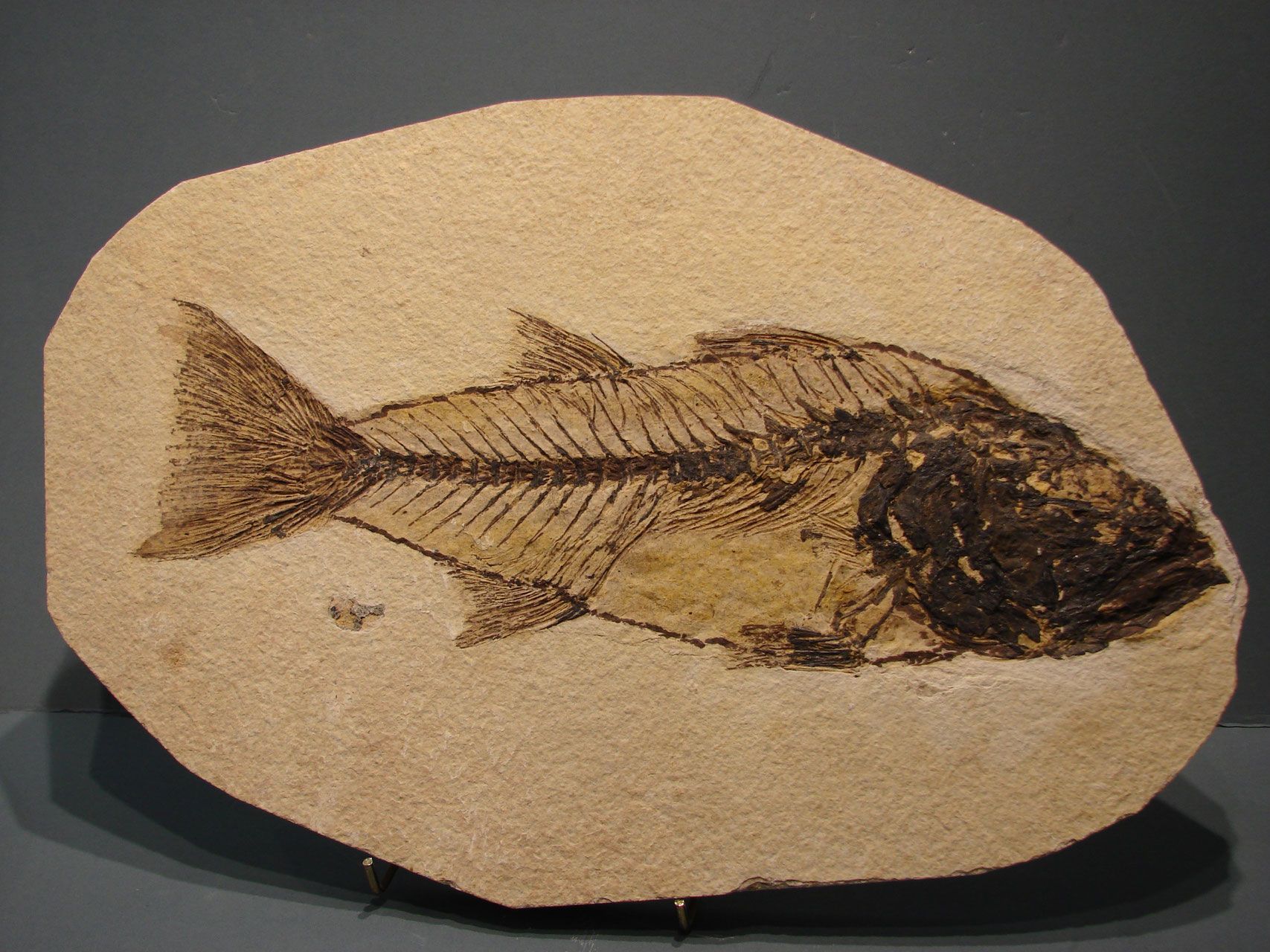
If a scientist found a fish fossil in the desert, what can they infer?
An animal ate the fish.
The water covered the area long ago.
Today's fish looks the same
The fish is endangered.

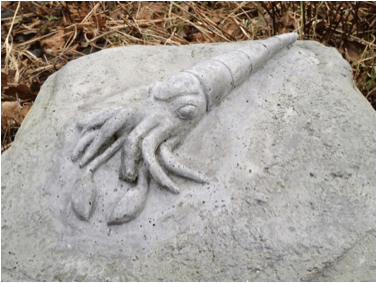
What type of fossil is pictured here?
Mold fossil
Trace fossil
Cast fossil
Fake fossil

What type of fossil is pictured here?
Mold fossil
Trace fossil
Cast fossil
Carbonization fossil
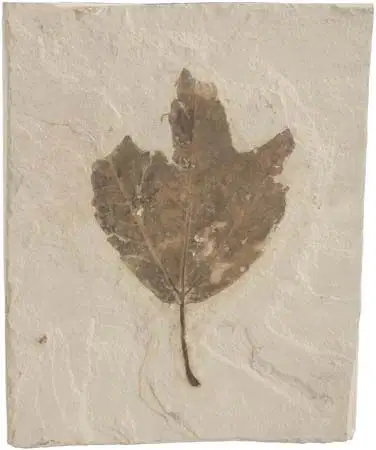
Which type of fossil preservation is a thin carbon silhouette of the original organism?
permineralization
carbonization
mold
petrified
a type of fossil this is a solid copy of an organism's shape, formed when minerals seep into a mold
cast fossil
mold fossil
carbon film
petrified fossil
organisms or parts of organisms preserved in a substance, such as amber, tar, or ice
trace fossil
petrified fossil
mold fossil
preserved remains

Which texture best describes this rock?
porphyritic
nonfoliated
foliated
clastic

This type of fossil is tree sap hardened and replaced by minerals.
Petrified wood
Imprint
Amber
Mold

Q. What are the 3 major types of rocks?
Igneous, Metamorphic, Sedimentary
Metamorphic, Igneous, Cementation
magma, lava, crystals


A fault or intrusion is younger than the unit it cuts across.
Law of Superposition
Inclusions
Principle of Cross-Cutting Relationships
Priniciple of Orignial Horizontality
The principle that states that geologic processes that occurred in the past can be explained by current geologic processes.
The present is the key to the past.
Unconformity
Uniformitarianism
Superposition
Catastrophism
the number of years that have passed since the rock was formed, such as, "this basalt layer is 1000 years old +/- 20 years".
absolute age
law of superposition
relative age
unconformity
Age of a rock compared to the ages of other rocks, such as "this rock is older than the rest in the area".
Absolute Age
Law of Superposition
Relative Age
Unconformity
Magma pushes into rock layers below the surface of the earth where it cools and hardens into igneous rock.
extrusion
fault
index fossil
intrusion
Widely distributed and representing an organism that existed for a geologically short period of time, they are useful in finding relative age of rocks they are found in.
extrusion
fault
index fossil
intrusion
Always younger than the rock layers that it cuts through, this break in Earth's crust is caused by forces acting on the rocks on either side.
extrusion
fault
index fossil
intrusion
Index fossils are useful when identifying the relative age of rock because they are:
widespread & have a relatively short lifespan
widespread and they have a relatively long lifespan
occur in a small area and have a relatively short lifespan
occur in a small area and have a relatively long lifespan


