
 Worksheets
Grade 7 Biology Revision Quiz
Total questions: 101
Worksheet time: 2hrs 33mins
Choose the contributions to modern classification made by Carolus Linnaeus
He placed organisms in groups based on their observable features.
He ordered birds to avoid airplane chashes.
He devised a naming system called binominal nomenclature.
He organized the things located at a supermarket.
The scientific name given to an organism is based on binominal nomenclature.
True
False
The more classifications two organisms share, the less characteristics they have in common and the less related they are.
True
False
Naming system developed by Linnaeus
Classification
Binominal Nomenclature
Genus
Taxonomy
Process of grouping things based on their similarities.
Classification
Binominal Nomenclature
Genus
Species
A group of organisms that can mate and produce offspring that can also mate and reproduce
Binominal Nomenclature
Genus
Taxonomy
Species
First word in an organism's scientific name
Classification
Genus
Taxonomy
Species
The scientific study of how things are classified
Binominal nomenclature
Classification
Taxonomy
Species
Which is a more general classification category and thus will have more organisms:
Kingdom
Specie
Genus
Family
Which is the smallest classification and thus will have less organisms.
Kingdom
Genus
Species
Order
The scientific study of how organisms are classified and named is
binomial nomenclature
classification
taxonomy
genus
The process of grouping things based on their similarities is
classification
binomial nomeclature
genus
taxonomy
A group of organisms that can mate and produce offspring that can also mate and reproduce
classificaiton
species
classification
genus
The first word in an organism's scientific name.
species
classification
binomial nomenclature
genus
Both words in an organism's scientific name should be capitalized.
True
False
The broadest, least specific level of classification would be
species
class
genus
domain
Which group of organisms would be MOST closely related.
Organisms in the same class
Organisms in the same family
Organisms in the same domain
Organisms in the same kingdom
What does the first word in an organism's scientific name identify?
The species
The genus
A distinctive feature of an organism
The family

Which is the most specific level of classification?
species
genus
domain
kingdom

The more levels of classification two organisms share, the less closely related they are.
True
False

The scientific name of a donkey is Equus asinus. What genus does a donkey belong to?
(a)
A tool that consists of a series of paired statements that describe characteristics of different organisms is
a taxonomic key
taxonomy
binomial nomenclature
scientific name
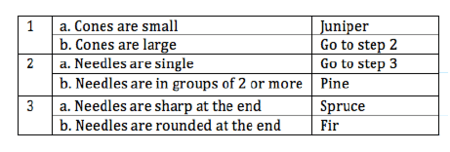

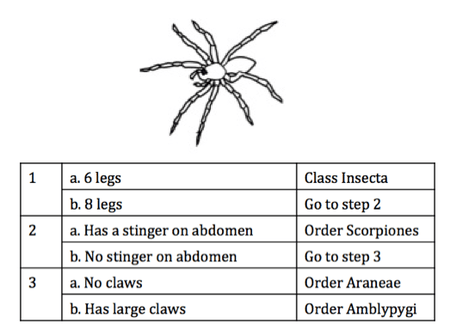
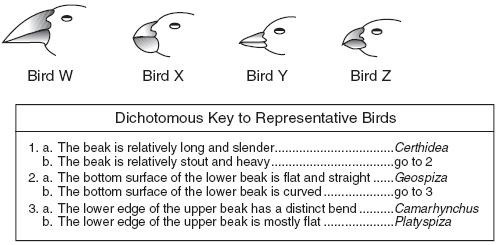


bacteria belong to which domain?
Eukarya
Prokarya
Archaea
Bacteria
What is binomial nomenclature (naming)?
A two headed turtle
A two name naming system
A two grouped system to classify
A microscope with two lenses.
What is the science of organizing, classifying and naming living things?
taxification
taxadermy
taxonomy
toxicology
In a properly written scientific name, which part is written entirely in lowercase?
species
genus
phylum
family

Which organism is most closely related to Quercus rubrum?
Acer rubrum
Quercus macrophylla
Which of the following taxa contain the fewest members?
phyllum
family
genus
class
What organelle controls the cell?
Lysosome
Nucleus
Nucleolus
Chromosomes
What is the job of chloroplasts in the cell?
produce protien
catch sunlight and turn it into energy
nothing
clean up


Plants don't have chloroplasts.
true
false
Animals have chloroplasts.
false
true
Which organelle belongs in plant cells only?
Cell Membrane
Mitochondrion
Chloroplast
Nucleus
Which organelle belongs in plant cells only?
Cytoplasm
Mitochondrion
Cell Wall
Nucleus
What organelle controls the cells activities?
Lysosome
Nucleus
Nucleolus
Chromosomes
Jelly-like substance found inside cell that acts as a medium for chemical reactions within the cell
Nuclear Membrane
Golgi Body
Cytoplasm
Ribosome
Which organelle is known as the POWERHOUSE of the cell?
Mitochondria
Cell membrane
Vacuole
Lysosomes
What are two major differences found in plant and animal cells?
Plant cells have a cell wall and chloroplasts, while animal cells do not.
Plant cells have a nucleus and vacuoles, while animal cells do not.
Plant cells have no mitochondria or cytoplasm, while animal cells do.
They are the same.
What does the phrase, "cells are the building blocks of life" mean?
Organ Systems rule the world
Tissues are the building blocks
Organs are found in plants and animals
All living things are made of cells
Which of the following is a correct list of structures found in both plant AND animal cells?
mitochondria, vacuole, nucleus, cell membrane, cytoplasm
mitochondria, vacuole, nucleus, cell membrane, cytoplasm, cell wall, chloroplasts
mitochondria, vacuole, nucleus, cell membrane, cell wall, chloroplasts
mitochondria, vacuole, nucleus, cell membrane, cell wall
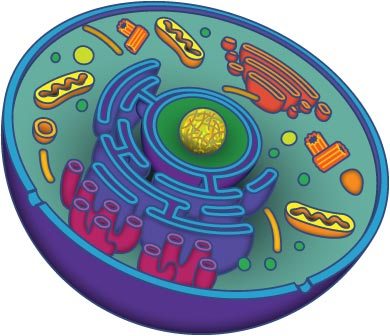
All living things are made up of...
cells
cell tissues
organ
organ systems
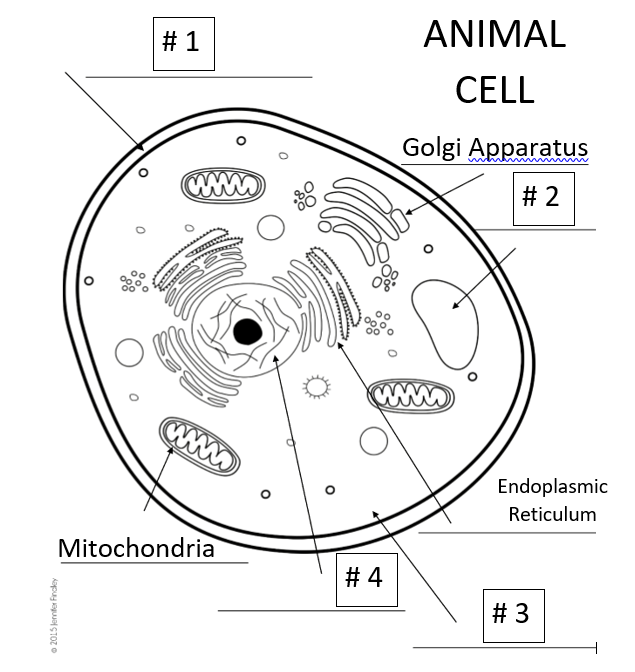
Which organelle is #1? P.S. If you know the other organelles listed for the test they might be bonus points ;)
Cell wall
Cell membrane
Nucleus
Microorganism
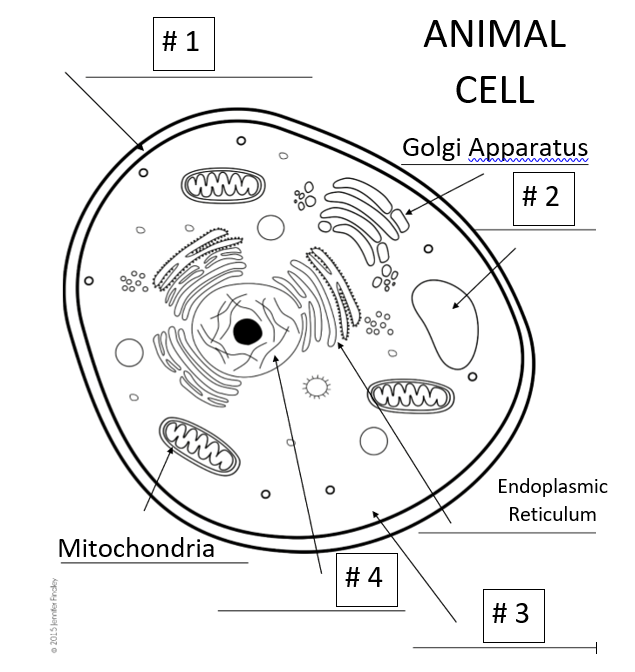
Which organelle is #2? P.S. If you know the other organelles listed for the test they might be bonus points ;)
Cell Wall
Chloroplast
Vacuole
Nucleus
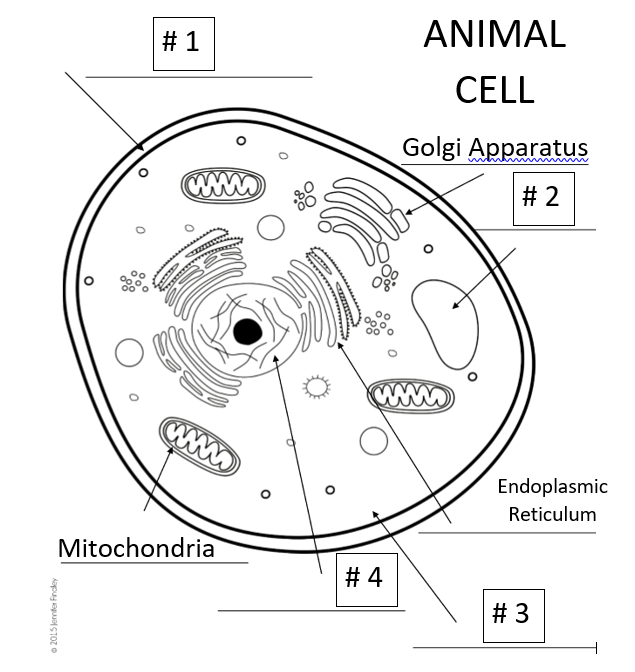
Which organelle is #3?
Cell Wall
Chloroplast
Vacuole
Cytoplasm
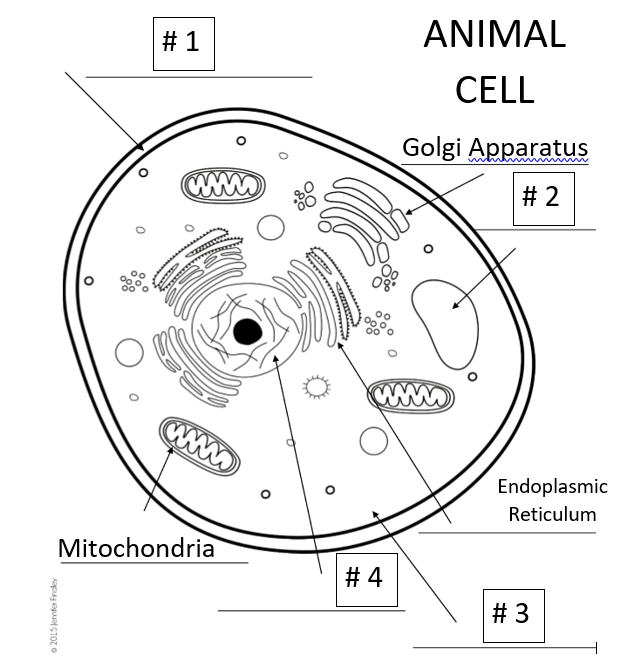
Which organelle is # 4? P.S. If you know the other organelles listed for the test they might be bonus points ;)
Cell wall
Nucleus
Organelle
Chromosome
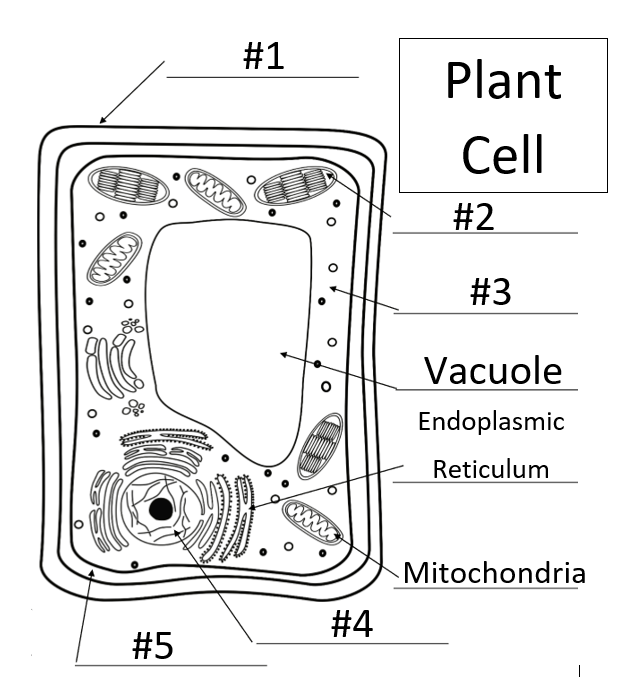
Which organelle is #1?
Vacuole
Chromosomes
Cell Wall
Nucleus
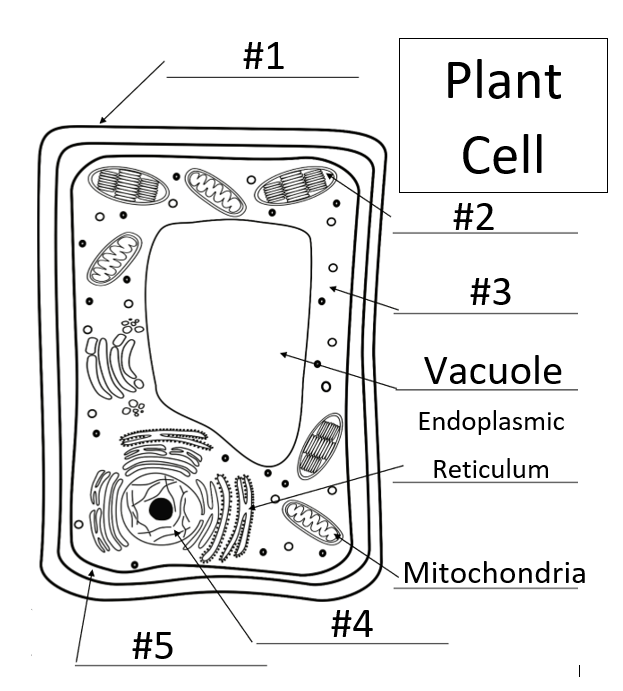
Which organelle is #3?
Cytoplasm
Chloroplast
Mitochondria
Organelle
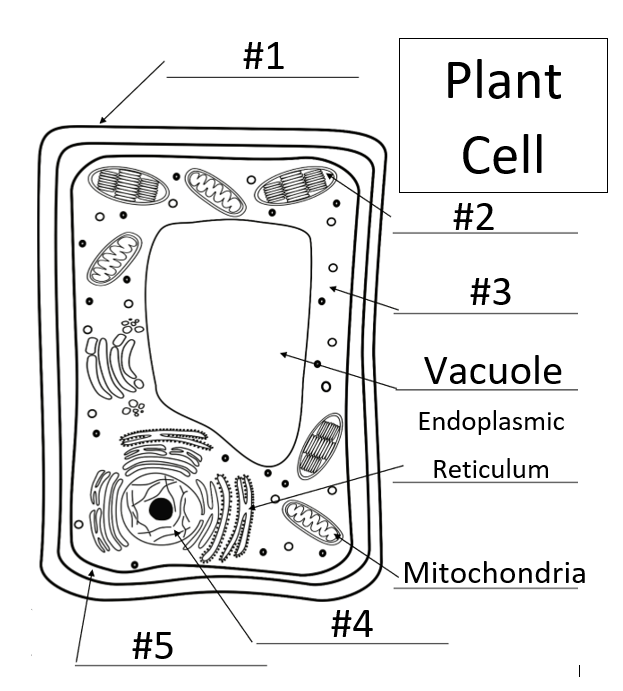
Which organelle is #2?
Chloroplast
Cytoplasm
Emilywillard
Nucleus
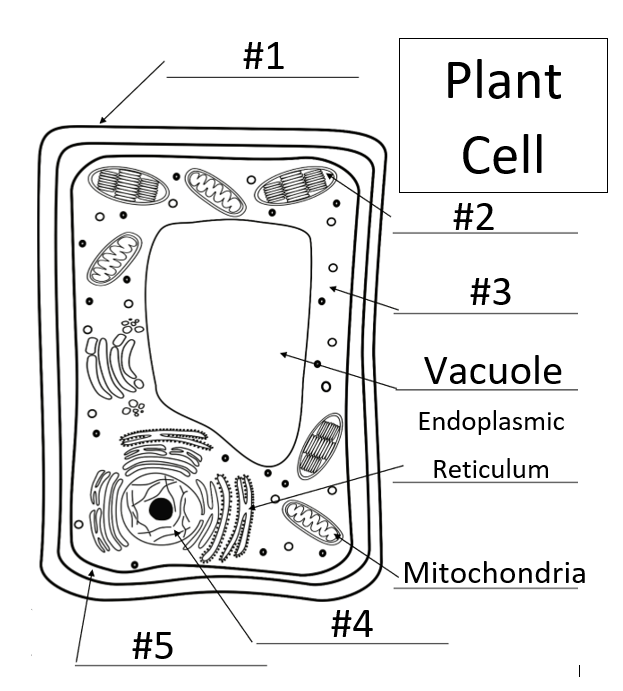
Which organelles are #4 and #5?
Cell membrane and mitochondria
Cell membrane and chloroplast
Nucleus and mitochondria
Nucleus and cell membrane
Kevin writes a report to compare and contrast the cells of plants and animals. Which of the following statements is accurate and belongs in Kevin's report?
The cell membrane of animals is much thicker than those in plants.
Vacuoles in plants are much larger than those in animals.
Animal cells do not have chromosomes.
Plant cells do not have chloroplasts.
Some organelles are present in both plant and animal cells. Each organelle performs a different function. Which of the functions listed below are performed by organelles found in both plants and animals?
Convert solar energy into chemical energy; store DNA; provide a rigid outer membrane that gives the cell support.
Support the cell from the inside; provide a rigid outer membrane that gives the cell support; break down chemical energy.
Break down chemical energy; store DNA; provide a permeable barrier for the cell.
Provide a liquid medium that protects and sustains other organelles; support the cell from the inside; convert solar energy into chemical energy.
Naomi was looking at cells with a microscope. She knows the cells are classified as either plant cells or animal cells. How can she tell if these cells are plant cells?
She should look for a large nucleus in the center of the cells.
She should look for cytoplasm that is filled with organelles.
She should look for a cell membrane surrounding the entire cell.
She should look for a cell wall outside of the cell membrane.
Which of the following organelles is only found in plant cells?
Cell membrane
Mitochondria
Chloroplast
Nucleus
Which organelle is responsible for converting sugars into energy (ATP)?
Cell wall
Mitochondria
Vacuole
Nucleus
DNA is a long molecule instructing the cell how to function. Which organelle is DNA found in?
Cytoplasm
Cell membrane
Vacuole
Nucleus

Sheyla is examining a cell under a microscope. She has identified a cell wall, a nucleus, and a chloroplast. What type of organism does this cell most likely belong to?
a plant
a fungus
an animal
a bacterium

Plant and animal cells are similar in structure and organization; however, there are two organelles that are unique to plant cells. Compared to an animal cell, which organelle is specific to plant cells?
Cell wall
Cytoplasm
Cell membrane
Chloroplasts
The number of mitochondria in a cell depends on the needs of the cell. A cell that needs a lot of energy will have an inreased number of mitochondria in comparison to a cell that uses less energy. Given this information, what type of cell would likely have the most mitochondria?
Skin cells
Fat cells
Bone cells
Muscle cells
Which statement about plant and animal cells is true?
Both have a cell wall to give them support.
Both have a large vacuole to store water.
Both use mitochondria to produce energy.
Both use chloroplasts to store energy.

The picture shows a diagram of an animal cell. Which letter points to the organelle where most of the hereditary material is stored?
E
F
G
H
Plant cells have a structure that is not found in animal cells. This structure enables plant cells to carry on photosynthesis. In which cell structure does photosynthesis take place?
Chloroplast
Mitochondrion
Nucleus
Vacuole

Plant cells are different from animal cells. The diagram identifies four different structures in a plant cell. Compared to the structures in an animal cell, which of the following structures is found only in a plant cell?
Mitochondrion
Cell Wall
Cytoplasm
Nucleus
What structure keeps harmful chemicals out of animal cells?
The cell membrane
The cell wall
The Golgi apparatus
The nucleus
If a cell has waste to store, it will store it...?
In the endoplasmic reticulum
In the cytoplasm
In the nucleus
In vacuoles
What structures break down food and release energy?
Mitochondria
Ribosomes
Golgi bodies
Vacuoles

Which of the following organelles is able to capture energy from the Sun?
Chloroplast
Vacuole
Cell wall
Mitochondrion

