
 Worksheets
Sem 1 Biology Review
Total questions: 75
Worksheet time: 1hrs 10mins
What is an example of a positive feedback mechanism?


According to the feedback loop, what does high blood sugar promote?
Insulin Release
Glucagon Release
Insulin Uptake
Glycogen Uptake

What is the correct equation for cellular respiration?
6O2 + C6H12O6 -> 6CO2 + 6H2O + Energy
6O2 + C6H12O6 + Energy -> 6CO2 + 6H2O
6CO2 + 6H2O -> 6O2 + C6H12O6 + Energy
6CO2 + 6H2O + Energy -> 6O2 + C6H12O6
2. Which biomolecules contains your genetic information?
Proteins
Lipids
Carbohydrates
Nucleic Acids
9. Amino Acids are the monomers of __________.
Nucleic Acids
Proteins
Carbohydrates
Lipids
1. The four most common elements found in biomolecules are __________.
Sulfur, Phosphorus, Carbon, Oxygen
Carbon, Oxygen, Nitrogen, Hydrogen
Sulfur, Nitrogen, Carbon, Iron
Carbon, Nitrogen, Hydrogen, Sulfur

(Why do I need this before a workout?)

Also known as simple sugars, these carbohydrate monomers are called....
lipids
nucleotide
monosaccharide
monomer
A _________ reaction removes a molecule of water to bond monomers together to create a polymer.
hydrolysis
dehydration synthesis
water
magical


Where do plants get the energy for photosynthesis to take place?
nutrients in the soil
the sun
chlorophyll
bee pollination
The process of photosynthesis takes place in the:
Leaves of the Plant.
Stem of the plant.
Roots of the plant.
All of the above.

What 3 things do plants need for the process of photosynthesis?
Sunlight, oxygen and sugar.
Water, soil and oxygen.
Sunlight, carbon dioxide and water.
Sunlight, soil and water.

What energy transformation occurs as a mouse produces body heat?
Chemical --> Thermal
Thermal --> Chemical
Electrical --> Thermal
Thermal --> Mechanical

What energy transformation occurs during photosynthesis?
Chemical --> Light
Thermal --> Chemical
Light--> Chemical
Mechanical --> Thermal
True or false: matter cannot be created or destroyed
True
False
Which of the following molecules has the most energy?
Glucose
Oxygen
Carbon Dioxide
Water


What happens to the 90% of energy that is not transferred to the next level?
Lost as light
Lost as heat
Lost as carbon diocide
Absorbed into the soil

The largest number of individuals that an environment can support long term is...
carrying capacity
emigration
immigration
population density

What happens if a population grows past its carrying capacity?
The population keeps growing
The population starts to die off
The entire species will go extinct
The carrying capacity just increases
This may cause a population to increase
increase of food supply
removal of predators
removal of disease
all of these

Something that regulates the size of a population is called...
a limiting measure
a limiting factor
carrying capacity
biodiversity
What are factors that affect carrying capacity?
Biotic only
Biotic and abiotic
Depends on the ecosystem
Abiotic only
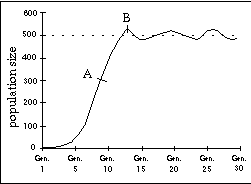
What is the carrying capacity of the graph?
around 500
more than 800
less than 300
around 700
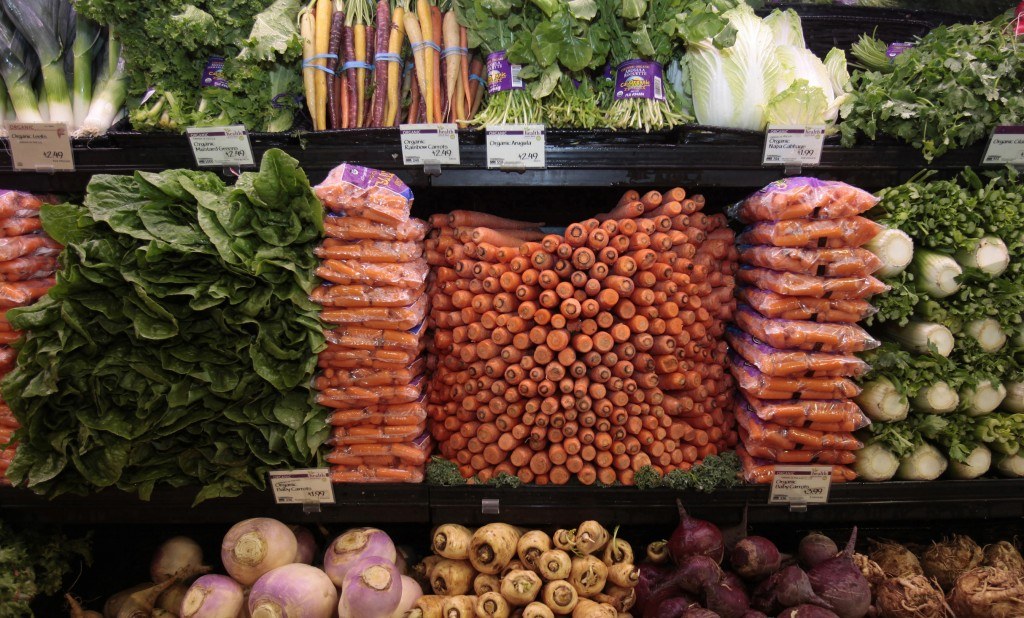
What is an invasive species?
An organism that is new to an environment that has positive effects on the environment.
An organism that is native to an environment that has negative effects on the environment.
An organism that is new to an environment that has negative effects on the environment.
An organism that is native to an environment that has positive effects on the environment.
Many fish die due to a drastic change in water temperature.
Density-Dependent
Density-Independent
An extensive drought in the plains threatens wildebeest, giraffe, zebra, and springbok populations.
Density-Dependent
Density-Independent
Which of the following is a density-dependent limiting factor?
human activities
unusual weather
competition
natural disaster
Which of the following are density dependent factors?
competition for resources
predation
disease
natural disasters
What are the 3 key features of populations?
Size, Density, Dispersion
Limiting Factors, Niche, Environment
Size, Limiting Factors, Density
Niche, Density, Dispersion

Match the graph to the type of growth exhibited.
Logistic Growth
Exponential Growth

Match the graph to the type of growth exhibited.
Logistic Growth
Exponential Growth

A relationship where one organism (predator)
eats another organism (prey),
usually of a different species.
Parasitism
Mutualism
Commensalism
Predation

A symbiotic relationship where one organism (the parasite) benefits from and hurts another (the host).
Usually the parasite is getting food from the hosts body.
Commensalism
Parasitism
Mutualism
Competition

A symbiotic relationship that benefits both members of two different species.
Predator-Pray
Commensalism
Mutualism
Parasitism

A symbiotic relationship where one species obtains food or benefits from another species without benefitting or harming the other.
Commensalism
Mutualism
Competition
Parasitism

Organisms that “fight” for limited resources such as food, water or mates. It can be between organisms from different species or between organisms of the same species.
Predator-Prey
Mutualism
Competition
Parasitism
The collective mass of all living things in a particular area or at a specific trophic level of an ecosystem is known as...
Population Size
Biomagnification
Biomass
Apex Trophism

Which organism in the food web shown to the right would
contain the lowest concentration of chemical pollutants?
producers
primary consumers
secondary consumers
tertiary consumers
The phenomenon by which toxins concentrate in the organisms at higher trophic levels within an ecosystem is known as...
Biotoxicity
Biomagnification
Eutrophication
Predation

When you consume an organism, you only receive 10% of the energy, but how much of the toxins do you receive?
All of the toxins
10% toxins
1% toxins
None of the toxins

In which organism would biomagnification be the most concentrated? (Remember the lab: Rabbits eat the grass, the snake eats the rabbit, the hawk eats the snake--the hawk is the apex predator)
grass
rabbit
snake
hawk
Toxin concentrations _____________ as you go up the food chain.
do not change
increase
decrease
Which consumer is the most affected by toxins like mercury?
Primary Consumer
Secondary Consumer
Apex Predator
Producers
Which process contributes carbon dioxide to the atmosphere?
anaerobic respiration
photosynthesis
protein synthesis
tree farms
Which process removes carbon dioxide from the atmosphere?
deforestation
tree farms
burning fossil fuels
cellular respiration
Which statement is correct?
matter cycles; energy cycles
matter cycles; energy disintengrates
matter cycles; energy converts
matter converts; energy cycles
Humans burn fossil fuels and wood, releasing carbon dioxide into the atmosphere. This carbon dioxide is then absorbed by trees for photosynthesis. These processes are contributory to which chemical cycle?
The carbon cycle
The water cycle
The nitrogen cycle
The phosphorous cycle
How does the human body return carbon to the atmosphere in the carbon cycle?
Waste products
Photosynthesis
Cellular respiration
Formation of glucose
What do we call it when organisms store energy in their body?
Biomass increase
Waste
Cellular Respiration
Heat loss

