
Font size
 Worksheets
sustainability and biodiversity
Total questions: 113
Worksheet time: 4hrs 46mins
Biodiversity is the ____________ and variability of __________ on earth
variety
life
diversity
difference
Which term best describes the number and variety of organisms in a given area during a specific period of time?
limiting factor
biodiversity
succession
sustainability

Abiotic is non-living
What is one way that a temperate rainforest is different from a temperate deciduous forest?
A temperate rainforest has large populations of grasses rather than tall trees.
A temperate rainforest is made up of palm trees rather than coniferous trees.
A temperate rainforest has a long rainy season rather than moderate, year-round rainfall.
A temperate rain forest has trees that lose their leaves in winter rather than keeping them year-round.

Students were asked to make a claim supported with evidence to answer the question, "Which ecosystem would be most sustainable if all the grasses died from severe drought?" What claim is valid and supported by the evidence?
A. The forest ecosystem is most suitable because there are more top predators.
B. The grassland ecosystem is most sustainable because there are fewer organisms that eat grass.
C. The forest ecosystem is most sustainable because most of the animals can eat other organisms.
D. The grassland ecosystem is most sustainable because there is less competition for food.
What is biodiversity?
The interaction of biotic and abiotic factors in an ecosystem
The number of different living things in an ecosystem
The age of an ecosystem
The type of climate an ecosystem has
A pioneer species such as __________ are a combination of algae and fungus that grow on bare rock.
A. Mistletoe
B. Legumes
C. Lichens
D. Mushrooms

Refer to the food web. If the grasses in each ecosystem are attacked and killed by a disease, which ecosystem will most likely survive?
A. The prairie ecosystem, because few organisms eat grass.
B. The tundra ecosystem, because there is a variety of producers.
C. The prairie ecosystem, because there a fewer top predators.
D. The tundra ecosystem, because it has more herbivores.
How are tropical plants such as bromeliads adapted to the biome in which they live?
They grow from tree branches rather than the forest floor, which helps them to absorb more sunlight.
They have long, thick roots, which helps them to gather the nutrients that are found deep within the soil.
They have hollow leaves and stems for storing water, which helps them to survive long periods with little rainfall.
They lose their leaves during the winter, which helps them to save energy when the temperature falls and prevents the buildup of snow.
Which is more sustainable, a food web or a food chain?
A food web
A food chain
Tropical rainforests have the greatest biodiversity of any type of land ecosystem. How does biodiversity contribute to the sustainability of an ecosystem?
F. The presence of more species with different adaptations makes it more likely that some organisms will survive an ecological disaster.
G. Greater genetic variation within species makes it more likely that some individuals will survive a disease outbreak.
H. The presence of a variety of herbivore species that can feed on a large number of different producer species helps ensure abundant prey for predators in the ecosystem.
J. All of the above.
What is the most important biotic factor in supporting an ecosystem?
water
carnivores
producers
A farmer digs a small pond in a pasture. The farmer adds young individuals from two species of algae-eating fish to the pond and plants some reeds around the edge of the pond. The farmer wants the pond to be a sustainable ecosystem.
Which of the following would be most helpful in increasing the pond ecosystem’s sustainability?
Decreasing the number of pond species around the edges of the pond
Introducing older fish of the same species into the population of algae-eating fish
Having a greater diversity of living organisms in the pond
Adding water between the water and where the reeds are planted

The food webs below model relationships among the organisms in two ecosystems.
Which ecosystem would be more likely to survive if a disease killed the grasses?
A. The forest ecosystem, because most of the animals can eat other organisms.
B. The grassland ecosystem, because several predators compete for food.
C. The forest ecosystem, because it has three top predators.
D. The grassland ecosystem, because it has many herbivores.

What is true about sustainability?
Having a small number of species increases biodiversity
Sustainability is how organisms change over time
Sustainability is how much rainfall and sunlight an ecosystem receives
The more different types of species you have (biodiversity) the better an ecosystem can sustain itself
What is true about sustainability?
Having a small number of species increases biodiversity
Sustainability is how organisms change over time
Sustainability is how much rainfall and sunlight an ecosystem receives
The more different types of species you have (biodiversity) the better an ecosystem can sustain itself
If there was a major source of pollution in a watershed, in which location would it have the least impact?
The highest elevation in the watershed
The closest to streams and rivers
The furthest north portion of the watershed
The lowest elevation in the watershed

When biodiversity increases
Sustainability decreases
Sustainability remains the same
Sustainability also increases
Sustainability becomes greater by 2
When biodiversity increases
Sustainability decreases
Sustainability remains the same
Sustainability also increases

When biodiversity decreases
Sustainability also decreases
Sustainability remains the same
Sustainability increases
Sustainability is not impacted
Some students take care of a vegetable garden. When it is time to plant in the spring, the students leave part of the garden empty in order to observe ecological succession. Which of these will most likely occur first?
F. Development of topsoil
G. Growth of weeds and grasses
H. Growth of trees and shrubs
J. Development of a stream
When biodiversity decreases
Sustainability also decreases
Sustainability remains the same
Sustainability increases
Sustainability is not impacted
What is the upper surface of the groundwater called?
Watershed
Water Table
Recharge Zone
Surface Water
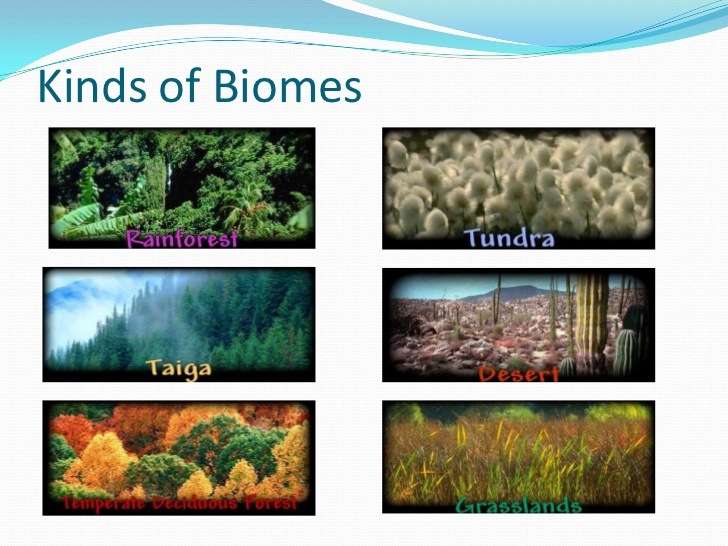
In which biome would you expect to find many coniferous trees?
taiga
Tundra
Savanna
Tropical rainforest
What two factors would make biodiversity increase?
Tornadoes and hurricanes
Large amount of producers and water
More predators and competition

Which option is biotic?
Plants
Air
Water
When biodiversity increases
Sustainability decreases
Sustainability remains the same
Sustainability also increases
Sustainability becomes greater by 2
When biodiversity decreases
Sustainability also decreases
Sustainability remains the same
Sustainability increases
Sustainability is not impacted
Consumer that eats plants
heterotroph
herbivore
producer
What is the name of the area of land that water flows across on its way to a larger body of water?
Water Table
Watershed
Surface Water
Runoff

Based on the table of observations, which ecosystem is likely to be the least sustainable?
A. Ecosystem 1, because it has the fewest species
B. Ecosystem 2, because it includes both aquatic and terrestrial species.
C. Ecosystem 3, because it has few predators.
D. Ecosystem 4, because it supports many animals.
What important role does fire play in a grassland biome?
It helps seeds germinate.
It spreads seeds to distant locations.
It causes flowers on plants to bloom.
It prevents animals from eating plant populations.

In the watershed shown, what direction is the water flowing?
South (down the page)
North (up the page)
East (towards the right of the page)
West (towards the left of the page)
Biodiversity means..
The variety of life in an ecosystem
How an ecosystem changes over time
Differences among humans

A drought has hit this grassland biome. How will this effect the rabbit population?
The rabbits will increase in number.
The rabbit population will stay the same.
The rabbit population will decrease.
What does biodiversity indicate about an ecosystem?
the location of the ecosystem
the overall size of the ecosystem
the ability of the ecosystem to survive change
the identity of the organisms that began ecological succession in the ecosystem
What is false about biodiversity
More biodiversity makes it least likely for a species to survive a disturbance such as a Tsunami
More biodiversity allows species to survive a disturbance such as a hurricane
As biodiversity increases sustainability increases
Genetic biodiversity is what makes us look and act different
You observe a garden in a schoolyard. Corn, tomatoes, pumpkins, and other crops thrive in the garden. What is most likely true of the soil in this microhabitat?
It is dry and frozen.
It is rocky, sandy, and dry.
It is deep, dark, and nutrient rich.
It is thin, acidic, and nutrient poor.
What is the difference in a microhabitat and a biome?
size
temperature
climate
precipitation
If an ecosystem has a very high biodiversity, what else is true about the ecosystem?
It is a desert
It is very cold
It has high sustainability
It has very few organisms
An ecosystem that is not sustainable can break down when a natural disaster occurs. This can lead to organisms in the ecosystem either leaving the area or dying off.
Increased biodiversity results in a more sustainable ecosystem because -
F. A greater number of plant species means that there is less barren land
G. A greater variety of species present allows more organisms to adapt after changes occur
H. The transition area between two ecosystems is narrower.
J. There are fewer species to be affected by environmental stresses

Primary succession occurs when pioneer species move into an area that has no plants. Which organisms are common pioneer species?
A. Conifer trees and tall grasses with roots that loosen the soil
B. Mosses and lichens that can grow on rocky surfaces.
C. Grasses and weeds that arrive as seeds carried by the wind and then germinate in rich soil.
D. Vines and shrubs that help prevent the erosion of shallow soil.

A forest
Habitat
Microhabitat
Biodiversity is a bad thing for an ecosystem.
True
False
Both primary and secondary succession begin with pioneer species that-
A. change the area and make it safer from predatory organisms.
B. invade the area so that new organisms cannot be established.
C. modify the area and allow larger and more complex organisms to appear.
D. use up all the existing resources and prevent establishment of non-native organisms
Which of the following items is permeable?
A table/counter top
A plastic bag
A rain jacket
Soil
The warmer the environment is and the closer an environment is to the equator, the higher the biodiversity of the environment. Based on these observations, which of these environments has the greatest biodiversity?
Tundra
Desert
Tropical rainforest
Grasslands
A certain area of the Indian ocean is expected to dry up and become a desert over thousands of years. What will happen to the sustainability of this ocean?
Sustainability would increase because the number of species would increase
Sustainability would remain the same
Sustainability would decrease because the number of species would decrease
Not enough information is given
In a stable ecosystem, what type of organisms should we see the most of? (think of your energy pyramid!)
Producers
Primary consumers
Secondary Consumers
Tertiary Consumers
Apex Predators
Groundwater seeps through the ground in a recharge zone and fills the empty spaces in the rocks and soil. What is the layer of rock that holds/stores the groundwater called?
Water storage rock
Aquifer
Watershed
Water Table
What is true about sustainability?
Having a small number of species increases biodiversity
Sustainability is how organisms change over time
The more different types of species you have (biodiversity) the better an ecosystem can sustain itself
Pollution of surface water does not impact groundwater
True
False

What is a recharge zone?
A place where you can charge your Tesla
A place with impermeable rock and lots of runoff
A place with permeable material at the top where water seeps in and gets to the groundwater
A place where there is very little pollution
Water always flows...
From cold temperatures to warm temperatures
From north to south
From low elevation to high elevation
From high elevation to low elevation
What is the difference between biotic and abiotic?
Biotic are non-living things
Abiotic are living organisms
Biotic is life,
Abiotic is non-living
A good aquifer is made of permeable rock.
True
False
The final stable community that is made up of mature, hardwood trees is called
A. pioneer community
B. climax community
C. farmland
D. old field

The following table lists the number and variety of organisms in four different ecosystems.
Based on the table, which ecosystem is likely the most sustainable?
Ecosystem 1
Ecosystem 2
Ecosystem 3
Ecosystem 4

Tree Stump
Habitat
Microhabitat
When biodiversity increases
Sustainability decreases
Sustainability remains the same
Sustainability also increases
Sustainability becomes greater by 2

Students in a science class visited four local ecosystems. The students observed the species present in each ecosystem and recorded their observations in the table.
Based on these observations, which ecosystem is likely to be the LEAST sustainable?
A. Ecosystem 1, because it has the fewest species.
B. Ecosystem 2, because it includes both aquatic and terrestrial species.
C. Ecosystem 3, because it has few predators.
D. Ecosystem 4, because it supports many animals.
When biodiversity decreases
Sustainability also decreases
Sustainability remains the same
Sustainability increases
Biodiversity means..
The variety of life in an ecosystem
How an ecosystem changes over time
Differences among humans
Diversity of a select few species in a deserted area
What is true about sustainability?
Having a small number of species increases biodiversity
Sustainability is how organisms change over time
Sustainability is how much rainfall and sunlight an ecosystem receives
The more different types of species you have (biodiversity) the better an ecosystem can sustain itself


A hurricane hits a coastal prairie and destroys the habitat. Years later there is an appearance of small plants with rapidly spreading roots. This vegetation describes
A. a microhabitat
B. primary succession
C. secondary succession
D. biodiversity

Which of the following would cause biodiversity to DECREASE?
Water
Forest Fires
Sunlight

Anastayjia visited 3 different ecosystems to collect specimens. She visited a grassy area in a tundra and woody area in a Temperate deciduous forest. She collected 20 different types of species from the tundra and 98 different types of species from the forest. Which ecosystem is the MOST sustainable?
Tundra
Desert
Temperate deciduous forest
Rainforest
Which of the following would cause biodiversity to DECREASE?
Water
Forest Fires
Sunlight
Producers
What is false about biodiversity
More biodiversity makes it least likely for a species to survive a disturbance such as a Tsunami
More biodiversity allows species to survive a disturbance such as a hurricane
As biodiversity increases sustainability increases
Genetic biodiversity is what makes us look and act different
Biodiversity occurs in all except..
Genes
Abiotic factors
Species
Ecosystem
Which of the following is not an example of how biodiversity contributes to the sustainability of an ecosystem?
A. Controlling pest species
B. Providing potential for medical discoveries
C. Creating a limited gene pool for future generations
D. Regulating the chemistry of air and water supply
The suffix diversity means
different
variety
colors
animals
Which of the following most likely supports the most sustainable ecosystem?
The habitat with the greatest number of predators
The habitat with the greatest variety of living things
The habitat with the warmest average temperature
The habitat with the greatest number of consumers
An organis that creates nutrients using energy from the sun, is known as a ----
A. predator
B. scavenger
C. herbivore
D. producer
A rain forest ecosystem is characterized by high biodiversity and a warm/rainy climate. How might this impact the ecosystem's sustainability if the ecosystem is damaged by a catastrophic event?
The ecosystem, because it has few plant and animal species, will experience low sustainability, not allowing it to recover
The ecosystem, because it has many plant and animal species, will experience high sustainability, allowing it to recover
Biodiversity does not have an impact on an ecosystem's sustainability
Which statement below best describes how biodiversity contributes to the sustainability of an ecosystem?
A. A variety of plant and animal species allows for more survivors of a natural disaster.
B. Having more species in an ecosystem allows the human population to increase in size.
C. Low biodiversity reduces the competition for resources, which helps native species survive.
D. Few species in the ecosystem reduces the likelihood that disease spreads through the ecosystem.
An organism that stalks, kills, and eats other animals is known as a ---
consumer
scavenger
herbivore
producer
The ocean ecosystem has a high sustainability because of -
strong, persistent currents
predator/prey relationships
the large variety of different organisms, producers, and water
None of the above
The variety of ways that species ____________ with each other and their environment.
live
eat
interact
help
_______________________ comprise only 6% of all land on Earth yet are home to nearly 50% of all the species on Earth.
ocean
tropical rain forests
tundras
desserts
Which of the following situations contributes to the sustainability of an ecosystem
A. Increase in biodiversity
B. Decrease in biodiversity
C. Extinction of a population from the ecosystem
D. Removal of many populations of organisms
A healthy biodiversity provides a number of natural services (benefits) for _____________________.
animals
humans
ecosystems
everyone
Organisms with a ___________ gene pool have a __________ chance of surviving
smaller, lesser
larger,greater
smaller, greater
larger, smaller
Which best describes a type of organism that lives on, and feeds off of plants or other organisms?
saprophytes
autotrophs
omnivores
tracheophytes
An ecosystem that is not sustainable can break down when a natural disaster occurs. This can lead to organisms in the ecosystem either leaving the area or dying off. Increased biodiversity results in a more sustainable ecosystem because ---
A. a greater number of plant species means that there is less barren land.
B. a greater variety of species present allows more organism to adapt after changes occur
C. the transition area between two ecosystems is narrower.
D. there are few species to be affected by environmental stressess.
Why does higher biodiversity cause an ecosystem to be more sustainable?
A. There are more types of organisms competing for living space in the ecosystem.
B. There are a greater variety of genes and species in the ecosystem.
C. There are more animals preying on one another in the ecosystem.
D. More organisms decrease the rate of disease in and ecosystem.
Aluminum is refined from bauxite, which is found in the ground under rainforests. Humans must destroy this habitat to mine the bauxite and make aluminum. This type of habitat destruction will most likely result in ---
A. an increase in rainfall
B. an increase in number of species
C. a decrease in biodiversity
D. a decrease in cloud formation
a benefit to biodiversity is that it helps to boost ecosystem _______________________
survival
value
life
productivity
What two factors would make biodiversity increase?
Tornadoes and hurricanes
Large amount of producers and water
More predators and competition
The water cycle and ocean warming
An ecosystem experiences a ten year drought. As a result of the drought, many plant and animal species are not able to survive. What will be the effect on the biodiversity and sustainability of the ecosystem?
A. Increased biodiversity and increased sustainability
B. Decreased biodiversity and increased sustainability
C. Increased biodiversity and decreased sustainability
D. Decreased biodiversity and decreased sustainability
The prefix Bio means
life
birds
science
ecosystems
In an ecosystem, which type of animal would best be described as a secondary consumer?
Carnivore
Herbivore
Omnivore
Decomposer
A hurricane hit a tundra and a forest. A tundra is less biodiverse than the forest. Which biome would be impacted the most?
The forest because it has more species and it wouldn't be able to sustain itself as well as the tundra
They would be impacted the same
The forest because it has more producers
The tundra because it has less species and it wouldn't be able to sustain itself as well as the forest
The hottest spots for species diversity are close to the _____________.
Coast
Florida
Equator
Poles
What is false about biodiversity
More biodiversity makes it least likely for a species to survive a disturbance such as a Tsunami
More biodiversity allows species to survive a disturbance such as a hurricane
As biodiversity increases sustainability increases
Genetic biodiversity is what makes us look and act different

