
 Worksheets
LS - Cell Reproduction - Asexual, Sexual, Mitosis, Meiosis
Total questions: 76
Worksheet time: 4hrs 48mins
Meiosis produces daughter cells that are:
genetically identical
genetically different
zygotes
germ cells
Germ cells (cells that make egg and sperm cells) go through:
mitosis
meiosis
An organism has 36 chromosomes in its genome (all the chromosomes it has). What would be the correct diploid number?
36
72
18
2
An organism has 36 chromosomes in its genome (all the chromosomes it has). What would be the correct haploid number?
36
72
18
2
When does crossing over occur?
Mitosis
Meiosis
The products of meiosis are ___. *Select TWO!
genetically different daughter cells
haploid cells
diploid cells
identical cells
Meiosis is different from mitosis in that..
it creates identical daughter cells and mitosis does not.
it reduces the number of chromosomes by half whereas mitosis keeps the same number
meiosis and mitosis are not different at all
meiosis creates two daughter cells and mitosis creates four
A mosquito has 6 chromosomes. How many chromosomes would their egg and sperm cells have?
2
3
6
12
The exchange of pieces of chromatin between homologous chromosomes during Prophase I of meiosis is called
independent assortment
mutation
crossing over
random fertilization
*Two copies of chromosomes that share similar genes, but may have different alleles are called:
sister chromatids
Chromie Homies
homologous chromosomes
Any change in the sequence of DNA is a
recombination
mutation
chromatin
independent assortment


How did you inherit your genetic information?
most of your chromosomes are from your mother
a random number of chromosomes from each parent
most of your chromosomes are from your father
half of your chromosomes are from your mother and half are from your father
The cells produced by mitosis are
Identical
Different
The cells produced by meiosis are
Identical
Different
Muscle cells, brain cells, and liver cells are all examples of
Somatic cells
Gametes
Sex cells
Reproductive cells
How many daughter cells are created during mitosis?
1
2
3
4
How many daughter cells are created by meiosis?
1
2
3
4
Which of the following is the purpose of meiosis?
growth (from zygote to adult)
maintenance (replacing blood cells)
repair (after injuries)
making gametes (egg and sperm cells)
Meiosis and mitosis are exactly the same
True
False

Which process is shown in the image?
crossing over
independent assortment
segregation
mutation
Another name for a reproductive cell is
egg cell
sperm cell
gamete
ALL Answers are Correct!
Humans have ___ chromosomes in body cells and ___ chromosomes in gametes.
46; 23
23; 46
43; 26
26; 43
Gametes are produced by the process of
mitosis
meiosis
crossing-over
replication
Different forms of a gene are known as
dominant genes
recessive genes
alleles
chromosomes
A mutation is defined as:
A change in the cell's structure
Anything that changes in an embryo
Any change in the physical features of a human
A change in the DNA sequence
A mutation can be...
harmful
helpful
neutral
harmful or helpful, but never neutral
harmful, helpful, AND neutral
Mutations AND sexual reproduction are important for.....
causing diseases
increasing variation in populations
giving super powers
keeps you from getting sick
The variety of genes and alleles that exist in organisms
independent assortment
chromosomal abnormalities
genetic diversity
mutations
Different genes allow for different ____________________.
traits
pants
moods
prey
Genetic _________________ allow some organisms to be better adapted to the environment.
variations
domination
repeats
weakness
Crossing over increases
genetic variation
the frequency of division
the number of chromosomes
the number of daughter cells produced
If a person had "XY" chromosomes, their gender would be:
male
female
cannot be determined
What causes genetic variation in meiosis?
crossing over of chromosomes
chromosomes pulling apart

Does this image represent mitosis or meiosis?
Mitosis
Meiosis

Which of the following lists the phases of mitosis in the correct order?
interphase, prophase, metaphase, anaphase, telophase
prophase, metaphase, anaphase, telophase
telophase, anaphase, metaphase, prophase
cytokinesis, interphase, prophase
Mitosis occurs in a
sex cell
somatic cell
What can cause mutations?
all of these
Mistakes during DNA replication or protein synthesis
Mistakes during mitosis or meiosis
Viruses

The picture depicts which process?
Mieosis
Mitosis
DNA replication
Fertilization
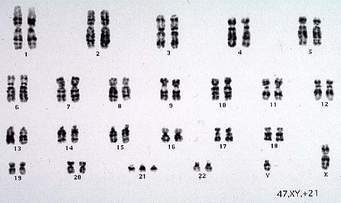

What type of chromosomes are labeled A?
Autosomes
Sex chromosomes
Unique Chromosomes
What type of chromosomes are labeled B?
Autosomes
Sex chromosomes
Unique Chromosomes

Is this a male or female karyotype?
male
female

Is this a male or female karyotype?
male
female
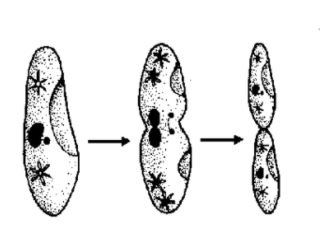
What type of asexual reproduction is illustrated in the diagram?
binary fission
budding
sporulation
regeneration
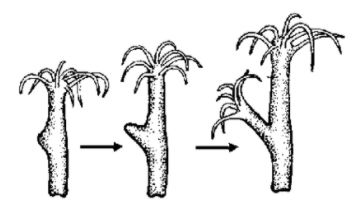
What type of asexual reproduction is illustrated in the diagram?
binary fission
budding
sporulation
regeneration
A cell with 46 chromosomes divides by mitosis, how many chromosomes will be present in the resulting daughter cells?
92
46
23
12
Match types of asexual reproduction

budding

binary fission

fragmentation

vegetative propagation

mitosis
Match types of asexual reproduction
budding

binary fission

fragmentation
vegetative propagation
mitosis
to receive genes from a parent
homozygous
mutation
DNA
inherit
How much genetic material is provided by the parents in sexual reproduction?
0% from each
25% from each
50% from each
100% from each
Bacteria are considered what?
Eukaryotes
Prokaryotes
Which cell type tends to be smaller?
Prokaryote
Eukaryote
there is not a size difference
All cells come from ________________cells.
Prokaryotic
Eukaryotic
basic
existing
What is the genetic material called in cells?
RNA
a nucleus
DNA
cell membrane
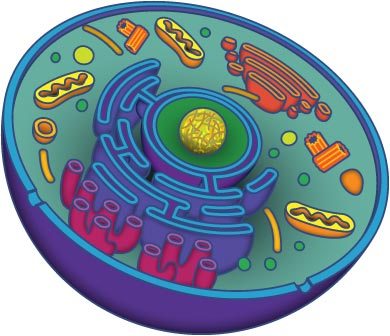
Match the following
Cells
All living things are made of one or more
DNA
All living things have genetic material.
Reproduce
All living things have offspring
Grow
All living thing increase in size, develop and die
Human females have ____ and males have _____ chromosomes.
XY, XY
XX, XX
XY, XX
XX, XY
YY, YY
Only requires one parent
asexual reproduction
sexual reproduction
requires two parents
asexual reproduction
sexual reproduction
offspring are unique from the parent and each other
asexual reproduction
sexual reproduction
organisms are clones of parent
asexual reproduction
sexual reproduction

The process on the right is:
Left: meiosis
Right: mitosis
Left: mitosis Right: meiosis
What is the correct sequence of structures from smallest to largest?
DNA, Gene, Nucleus, Chromosome, Cell
Gene, DNA, Chromosomes, Nucleus, Cell
Why is DNA important?
It teleports cookies to my locker.
It carries the instructions for our cells.
It allows me to be invisible.
It gave us a snow day in August.

