
 Worksheets
Science 6 Review
Total questions: 125
Worksheet time: 1hrs 10mins

Which one is the picture that shows a water pollution effect?


The animal above become endangered nowadays. The main reason they become endangered is __________
Pandemic disease
Loss of habitat
Pollution
Erosion
Why is it important to care for the environment?
To ensure resources are around for future generations
To ensure water becomes polluted
To ensure plants and animals have difficulty surviving
To use up all of the resources
How can humans help to reduce pollution?
Throw their trash away anywhere
Recycle if possible
Work in factories that produce alot of smoke
Empty their drinks into the river or ocean
What is an effect of pollution?
Preserves natural resources for the future
Makes it easier to breathe
Makes humans, animals and plants sick or die
Makes the sun move closer to the earth

Read the article and choose the best title
Favourite toys
Treasured possessions
My room
habitat
home
colour
routine

environmental preservation
water conservation
pristine beach
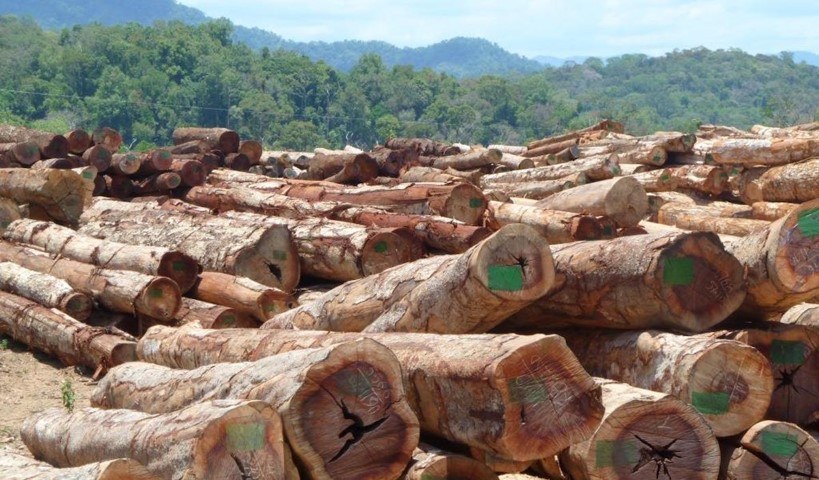
preservation
deforestation
watering
Which of the following situations DOES NOT show way of protecting and
conserving estuaries and intertidal zones?
Angelo recycles old things.
Melay limits the use of plastic products.
Nico uses synthetic fertilizer for his crops.
Angela dumps his wastes in a proper container.
Which of the following activities is the MOST environment-friendly?
Building dams along the river
Dumping chemicals into bodies of water
Commercially developing coastal watersheds
Restoring coastal watersheds from damages
Why is there a need to protect the estuaries and intertidal zones?
It is our property.
It helps us come up with lessons to discuss in class.
It provides vital nesting, breeding, and feeding habitats for many species.
It is God’s gift to us, thus we can do anything to it for our own benefits.
Mariss and her friends went to the beach. They brought food for them to eat. After swimming and eating, most of her friends left their wastes scattered on the beach. As a friend who values protection of environment, what would you tell them?
“It’s okay to throw garbage on the beach.”
“Do not bring any food when going to the beach again.”
“I’ll tolerate what you have done today but never do it again.”
“Do not leave your wastes on the beach because it can cause pollution.”
What is a flowering plant?
A plant that produces spores
A plant that produces cones
A plant the produces flowers and fruits.
The ferns reproduce by ________
Spores
Seeds

This is an example of _________
Ferns
Mosses
How many groups can plants be divided into?
4
2
3
7
An example of non-flowering plants is __________
Pine tree
Rose
Jasmine
Durian tree
Seedless vascular plants reproduce by...
Seeds
Spores
Pollen
Rhyzoid
A flowering plant which forms seeds for reproduction
angiosperm
gymnosperm
bryohpyte
conifer
A seed plant that bears its seeds directly on the surfaces of cones
angiosperm
gymnosperm
bryophyte
rhizoid
__________________________ is the process of transporting the male gamete from the male flower parts to the female flower parts.
Asexual reproduction
Pollination
Photosynthesis
Vasculation
Plants that do not have a well-developed system of tubes for transporting water and other materials
nonvascular plants
vascular plants
chloroplasts
conifers

Conifer plants grow _________instead of flowers
trees
seeds
cones

Leaves of ferns are known as _________ and start as fiddleheads.
fronds
rhizomes
rhizoids

Some ferns are good to eat especially when they are fiddleheads.
True
False
These are tiny plants with no true roots, stems and flowers.
ferns
mosses
trees

Mosses are important because they ______ soil so that it does not wash away.
hold
absorb
destroy

Describe the type of interaction between the organisms in the picture.
Predation
Competition
Commensalism
Parasitism

Describe the type of interaction between the organisms in the picture.
predation
parasitism
competition
mutualism

Describe the type of interaction between the organisms in the picture.
mutualism
parasitism
commensalism
competition

Describe the type of interaction between the organisms in the picture.
parasitism
commensalism
predation
competition

Describe the type of interaction between the organisms in the picture.
competition
parasitism
predation
commensalism

Describe the type of interaction between the organisms in the picture.
mutualism
predation
commensalism
parasitism

Describe the type of interaction between the organisms in the picture.
predation
parasitism
competition
commensalism

Describe the type of interaction between the organisms in the picture.
mutualism
commensalism
predation
competition

Describe the type of interaction between the organisms in the picture.
parasitism
predation
commensalism
mutualism

Describe the type of interaction between the organisms in the picture.
commensalism
predation
mutualism
competition
A relationship in which one organism benefits and the other is unaffected.
mutualism
competition
parasitism
commensalism
A relationship in which two organism benefit from the action of each other.
parasitism
mutualism
commensalism
competition
An animal that hunts other animals for food
omnivore
consumer
predator
prey
An animal that is hunted and eaten by another animal
producer
consumer
predator
prey
Describe the type of interaction between the organisms in the picture.
Predation
Competition
Commensalism
Parasitism
Describe the type of interaction between the organisms in the picture.
predation
parasitism
competition
mutualism
Describe the type of interaction between the organisms in the picture.
mutualism
parasitism
commensalism
competition
Describe the type of interaction between the organisms in the picture.
parasitism
commensalism
predation
competition
Describe the type of interaction between the organisms in the picture.
mutualism
predation
commensalism
parasitism
Describe the type of interaction between the organisms in the picture.
commensalism
predation
mutualism
competition
The force that acts in the opposite direction of motion when two surfaces come in contact.
force
friction
static
kinetic
Friction is a force that acts in an ____________direction of movement.
similar
opposite
parallel
west
How does friction affect speed?
More friction decreases speed
More friction increases speed
Less friction decreases speed
None of these
What does friction produce?
Light
Sound
Heat
Gravity
Which of these materials do you predict would have the MOST amount of friction?
Metal
Tile
Sand paper
Denim
Which of these is an example of undesirable effects of friction?
Keeping our balance
Forest fire
Running on the street
Writing on notebook
Rougher surfaces have ___________.
greater friction
less friction
the same level of friction
All these are correct
Which of the following is an example of friction that is helpful?
Brakes used on a bike
Tires from a car on the road
Tread on the bottom of your shoes
All examples are helpful
How can friction be reduced?
Reduce the force acting between the two surfaces
Reduce the roughness of the two surfaces coming in contact
Use wax, grease or oil
All of the above are ways of reducing friction
You use ___________ friction when you leave marks on paper with a pencil “lead”.
Static friction
Sliding friction
Rolling friction
A. None of these
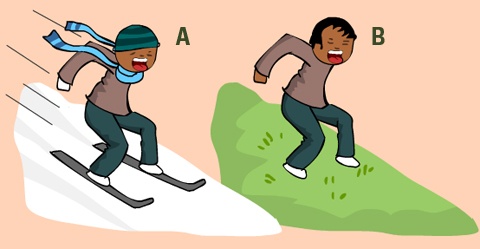
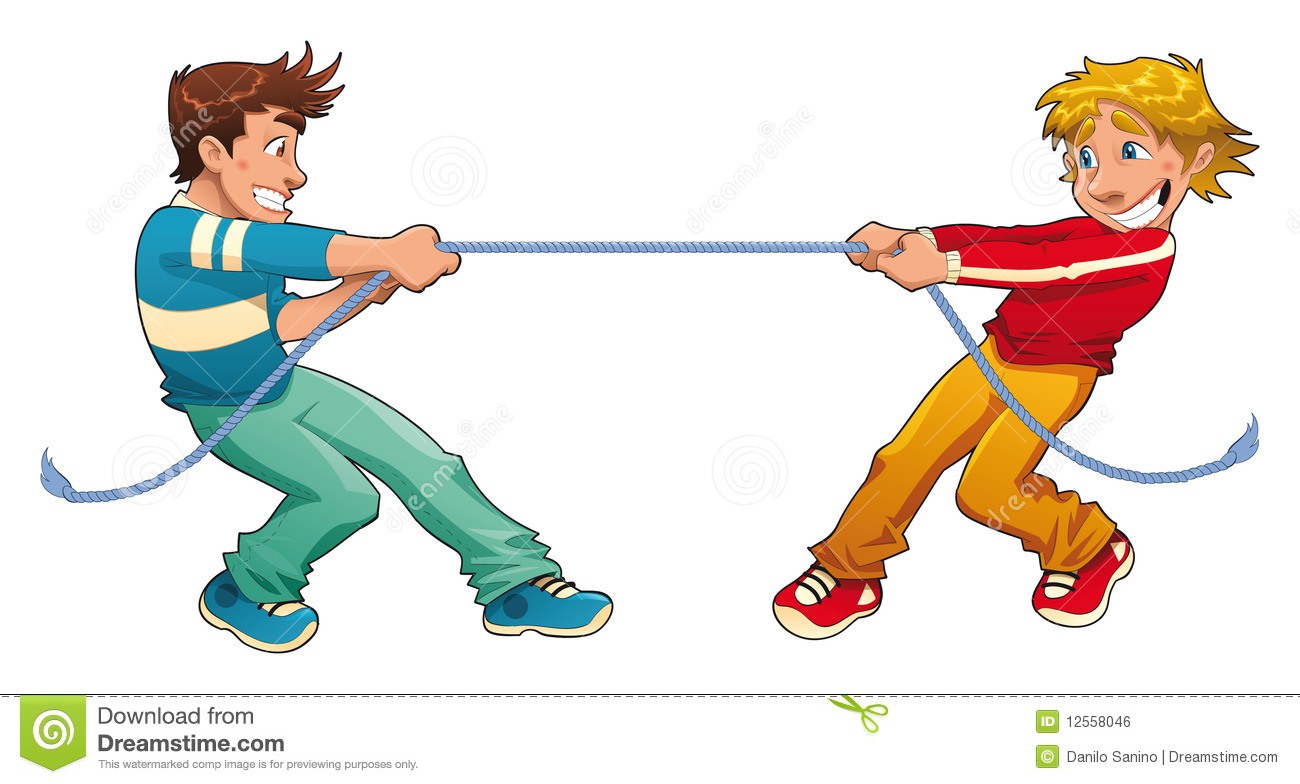


? = mass x acceleration
or
? = m x a
is used to find
1st
Law of Motion
2nd
Law of Motion
3rd
Law of Motion


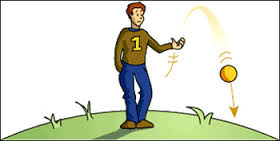
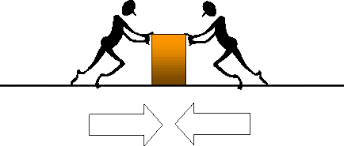

A squirrel sits on the ground and eats a donut. We know the forces on him must be balanced because...
Forces are always balanced
the squirrel is not accelerating
squirrels are projectiles
he's eating a donut


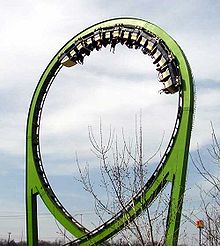
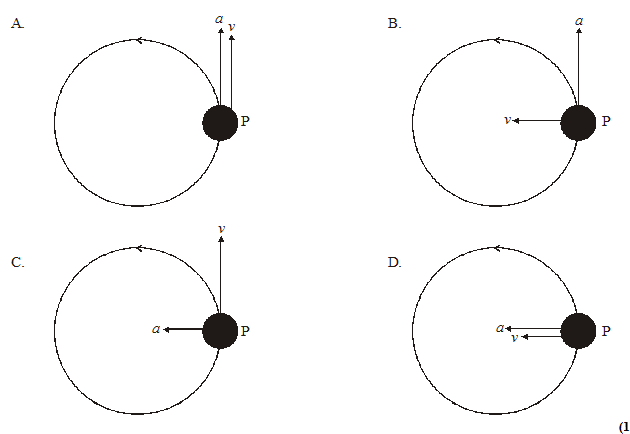
moving or tending to move toward a center...
centripetal force
centrifugal force
Tangent
Curvature

A lamp that plugs into a wall socket draws energy, which flows through a thin wire in the bulb, causing it to heat up until it glows. What energy transformations are taking place?
Chemical → light → electrical
Mechanical → sound → light
Thermal → solar → electrical
Electrical → thermal → light
An electric pencil sharpener uses electricity to make its motor spin. The pencil sharpener also makes noise and heats up. Which observation of the pencil sharpener demonstrates the law of conservation of energy?
The amount of electrical energy used equals the total amount of mechanical, sound, and thermal energy produced.
The amount of energy used by the electric pencil sharpener is greater than an electric lamp.
The electric pencil sharpener only uses energy when it is being used to sharpen a pencil.
The electric pencil sharpener is easier to use than the older version that was cranked by hand.

Turning the handle makes a current that causes the light bulb to glow. What are the energy transformations that happen in this hand generator?
Thermal → solar → light
Mechanical → electrical → light
Electrical → mechanical → light
Solar → light → electrical
When energy enters a system and then comes out of the system later, the law of conservation of energy states that–
some of the energy that entered the system will remain in the system.
the energy will always create a change in the properties of the parts of the system.
the form of energy that comes out of the system must be the same form that entered.
the amount of energy coming out of the system must equal the energy that entered the system.
In which of the following scenarios would this energy transformation be observed?
chemical → light → heat
Plucking a guitar string
Lighting a match
Turning on a fan
Starting a car
Which of the following is a form of potential energy?
sound energy
chemical energy
mechanical energy
thermal (heat) energy
The law of conservation of energy states ___.
electrical energy can be transformed into other forms
energy can be created and destroyed
energy is never created nor destroyed
what goes up must come down
There are ___ forms of kinetic energy.
3
5
4
2
There are ___ forms of potential energy.
3
5
4
2
During energy transformations, energy is never ___.
released as heat
used to increase an object's potential energy
created or destroyed
completely transformed
A baseball is hit into the air with a bat. When does baseball have the greatest gravitational potential energy?
when it hits the ground
when it reaches its highest point
when it leaves the bat
when the mechanical and kinetic energies of the baseball are equal
___ is energy stored by things that stretch or compress.
Gravitational potential
Elastic kinetic energy
Chemical kinetic energy
Elastic potential energy
Calculate the gravitational potential energy of the object.
GPE = mgh
mass: 50
gravity: 10
height: 6
5320J
300J
66J
3000J
Calculate the kinetic energy.
KE=21mv2
mass: 200
velocity: 5
2,500J
250J
500,000J
none of the above

What type of energy is stored in a battery?
electrical
thermal
radiant
chemical
Which energy transformation occurs in a toaster?
electrical → thermal
chemical → thermal
nuclear → electrical
thermal → electrical
A battery converts what type of energy to another?
electrical → thermal
chemical → electrical
kinetic → nuclear
light → heat
Energy transformations occur when ___.
a chemical reaction takes place
energy changes from one form to another
energy is created through conduction
two forces slide together that are touching
Which items would have this energy transformation: chemical → mechanical
a candle burning
eating a big breakfast before a race
a ball bouncing
using a hairdryer
Which of the following is not a source of stored chemical energy that can be turned into a form of kinetic energy?
a battery in a toy car
food
the nucleus of an atom
fossil fuels

What is a inclined plane..?
A thing wrapped around a inclined plane
Any flat sloping surface
A simple machine used to pull things
A complex machine that slopes

What is a screw...?
A sloped surface
A bicycle
A inclined plane wrapped around a cylinder or a cone
A simple machine made up of one or two inclined planes
Which one is the correct example of a pulley...?


What is a wedge...?
A simple machine made up of one or two inclined planes
An axe
A inclined plane wrapped around a cone
None of the above
How many types of simple machines are there...?
2
9
6
7
When does work occur...?
While sitting/standing motionless
When a force causes an object to move in the direction of the applied force
When a force causes an object to move in the opposite direction of the applied force
All of the above

What is a machine...?
an apparatus using or applying mechanical power and having several parts, each with a definite function and together performing a particular task.
Something that reduces the amount of force while pushing an object
A machine is any device that changes the amount of force applied to an object
All of the above

What is a lever...?
A wheel that has a groove along its edge
The fixed point
A simple machine in which either a wheel turns a wheel around a central pivot
A simple machine having an arm that moves around a fixed point

What is a pulley...?
A wheel that has a groove along its edge
Something you pull on
A wheel and axle
A complex machine

What is a wheel and axle...?
A simple machine in which either a wheel turns an axle or an axle turns a wheel around a central pivot
Part of a lever on which a person or another machine applies a force
A well
A simple machine having an arm that moves around a fixed point
What is fulcrum...?
The fixed point
A part of the lever on which a person or another machine applies force
What is a effort arm...?
The fixed point
A part of the lever on which a person or another machine applies force
What is the resistance arm...?
The part of the lever that applies a force on an object
A part of the lever on which a person or another machine applies force
Which one is a third class level...?
FEL
LEF
EEL
Which one is a second class lever...?
EFL
LEF
ELF

