
 Worksheets
Organism Relationships
Total questions: 71
Worksheet time: 1hrs 11mins

Cattle egrets forage (feed) in fields among cattle. The egret gets easy access to flying insects stirred up by the cattle, and the cattle don't care if the egrets are there or not.
mutualism
commensalism
competition
parasitism
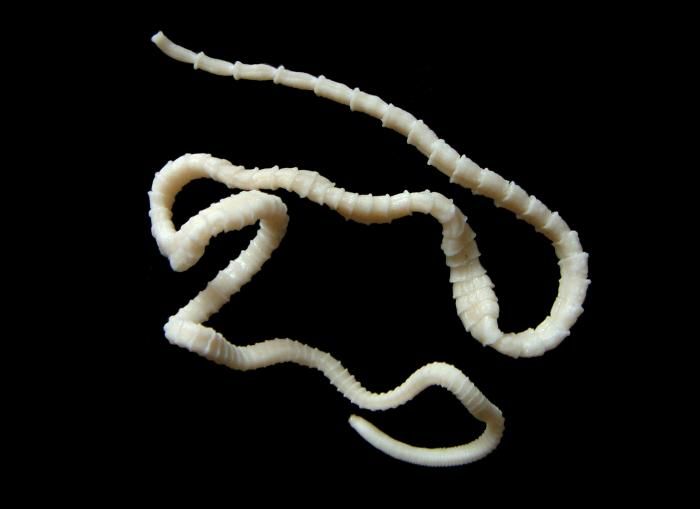
A tapeworm and a cat have this type of relationship.
mutualism
parasitism
commensalism
predation
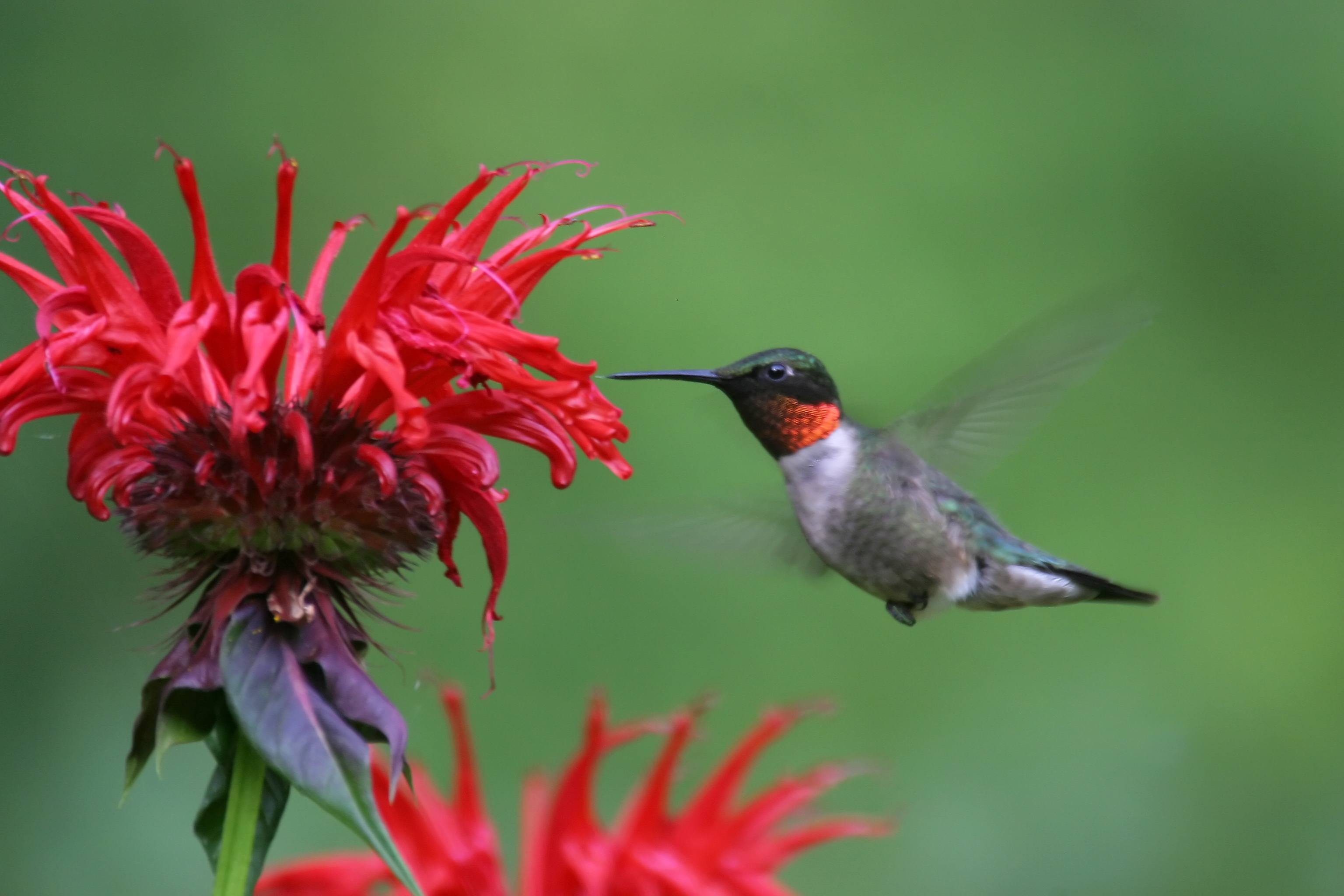
Hummingbirds feed on nectar from flowers. The flowers are pollinated by hummingbirds as they move from flower to flower.
commensalism
mutualism
parasitism
predation
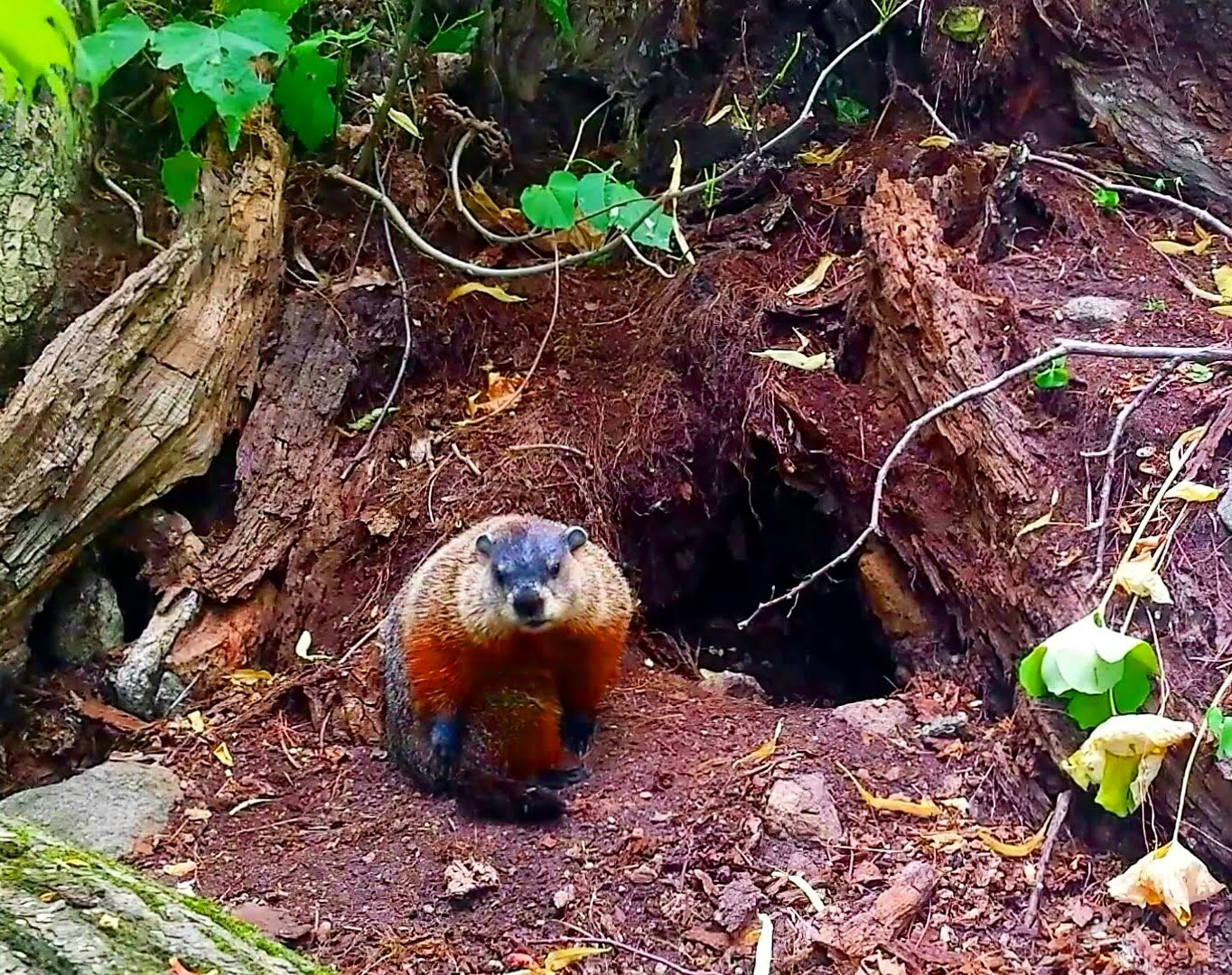
Skunks often live in burrows that have been dug and abandoned by woodchucks.
commensalism
mutualism
parasitism
predation
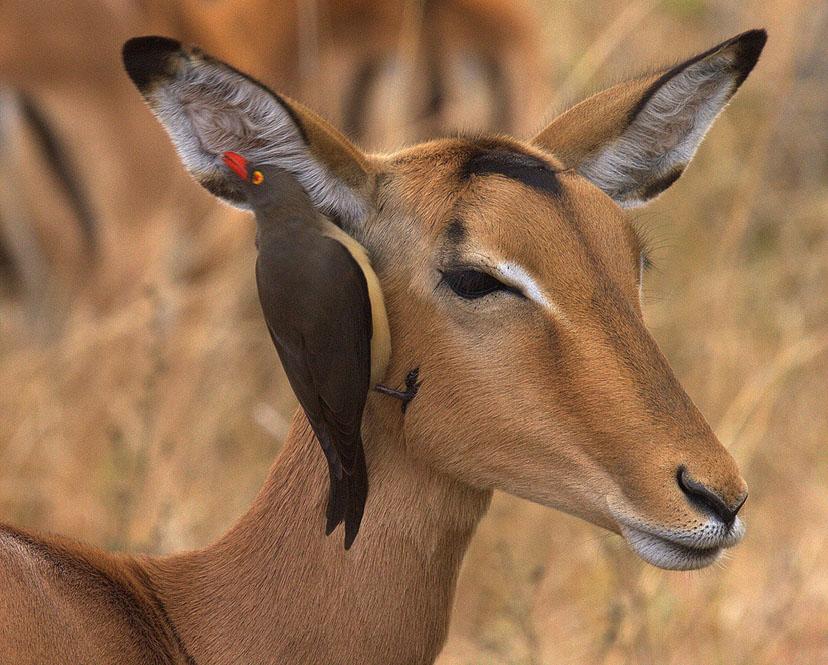
Red-billed oxpeckers are birds that often feed on parasites that infest impala. This is an example of ....
commensalism
mutualism
paratisism
predation

Which best describe parasitism?
Both organisms benefit positively from the relationship
One organism benefits from the relationship the other is harmed
One organism benefits from the relationship the other is not affected
Both organisms benefit negatively from the relationship
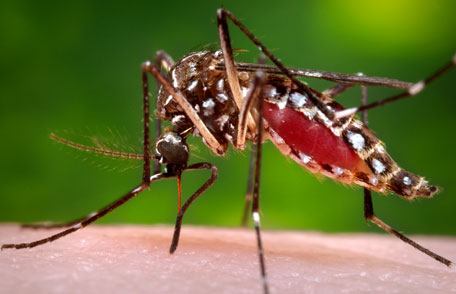
When a mosquito bites you, you are the __________ and the mosquito is the ____________.
host, hostess
parasite, host
host, parasite
prey, predator

Aphids are tiny insects that live on and eat the leaves of plants, removing vital nutrients from the plants.
Predation
Parasitism
Commensalism
Mutualism

Clown fish live among the deadly tentacles of the sea anemone and are protected by it. The clown fish eats food left over by the anemone keeping the area clean and also acts as “bait”.
mutualism
commensalism
parasitism
predation

Remoras eat food left over by the shark it swims along with. The shark makes no attempt to prey upon the remora and there is no benefit to the shark having the left over food removed.
mutualism
commensalism
parasitism
predation

This is an example of....
commensalism
predation
parasitism
mutualism

A spider spins it's web between this animals antlers. This is an example of ......
predation
commensalism
parasitism
mutualism
What is an ecological niche?
The role an organism plays in its environment
A predator that has gone extinct
A wetland that borders a swamp and a marsh
A type of natural disaster
Two bald eagles fighting over a dead salmon is an example of:
Interspecific competition
Competitive exclusion
Intraspecific competition
Niche partitioning
The long tail feathers of a peacock are considered to be an adaptation because:
They get longer each year
They help the peacock reproduce
They make it easier for predators to catch the peacock
They are the result of a mutation on a recessive gene

In a parasitic relationship, one organism is being helped and the other one is being _____.
En una relación parasitaria, un organismo se beneficia y el otro se esta ______.
helped
ayudado
harmed
dañado
not effected
no afectado

In a mutualistic relationship, both organisms are ________________.
En una relación mutualista, ambos organismos son ________________.
harmed
dañado
not effected
no afectado
helped or benefit
ayudado o beneficio

Commensalism is where one organism is benefiting and the other organism is _____________________.
El comensalismo es donde un organismo se beneficia y el otro es _____________________.
not effected
no afectado
helped
ayudado
harmed
dañado

Red-billed oxpeckers are birds that feed on parasites found on an impala. The impala gets rid of parasites and the red-billed oxpeckers get a yummy dinner. This is an example of _______.
Los oxpeckers de pico rojo son aves que se alimentan de parásitos que se encuentran en un impala. El impala se deshace de los parásitos y los oxpeckers de pico rojo obtienen una deliciosa cena. Esto es un ejemplo de _______.
commensalism
mutualism
parasitism
competition
predator- prey

Yucca flowers are pollinated by yucca moths. The moths lay their eggs in the flowers where the larvae hatch and eat some of the developing seeds. This is an example of _
Las flores de yuca son polinizadas por las polillas de yuca. Las polillas ponen sus huevos en las flores donde las larvas eclosionan y comen algunas de las semillas en desarrollo. Este es un ejemplo de
Mutualism
Parasitism
Commensalism
predator - prey
competition

A male peacock displays his brilliant tail feathers to attract a mate.
Un pavo real macho muestra sus brillantes plumas de la cola para atraer a un compañero.
mutualism
parasitism
commensalism
predator-prey
competition

Identify the Relationship: The red hawk pursues, captures, and kills its prey.
Identificar la relación: el halcón rojo persigue, captura y mata a su presa.
mutualism
commensalism
parasitism
predator-prey
competition

Mistletoe extracts water and nutrients from the spruce tree to the tree's detriment (harm). This is an example of
El muérdago extrae el agua y los nutrientes del árbol de abeto en detrimento (daño) del árbol. Este es un ejemplo de
Mutualsim
Parasitism
Commensalism
predator-prey
competition

A feeder fish usually follows behind sharks to pick up food scraps that they leave behind. The fish gets food and the shark is unaffected. This is an example of:
(Un pez alimentador usualmente sigue a los tiburones para recoger los restos de comida que dejan atrás. El pez se alimenta y el tiburón no se ve afectado. Esto es un ejemplo de)
Mutualism
Commensalism
Parasitism
competition
predator-prey

Two populations struggle for the same resources
Dos poblaciones luchan por los mismos recursos.
mutualism
parasitism
commensalism
predator-prey
competition

Which of the following represents the order for the levels of organization in the environment?
(¿Cuál de los siguientes representa el orden de los niveles de organización en el entorno?)
organism-community-biome-ecosystem-population
(organismo-comunidad-bioma-ecosistema-población)
population-community-biome-ecosystem-organism
(poblacion-comunidad-bioma-ecosistema-organismo)
population-organism-community-biome-ecosystem
(poblacion-organismo-comunidad-bioma-ecosistema)
organism-population-community-ecosystem-biome
(organismo-población-comunidad-ecosistema-bioma)

Leaf-cutter ants harvest leaves and carry them to fungi that convert plant material into a usable form for the ants to digest. The fungi depend on the leaves for nutrients. The ants also produce an antibiotic on their bodies that helps protect the fungi from harmful bacteria. Which of these explains the relationship between the leaf-cutter ants and the fungi?
(Las hormigas cortadoras de hojas cosechan hojas y las llevan a los hongos que convierten el material vegetal en una forma utilizable para que las hormigas lo digieran. Los hongos dependen de las hojas para obtener nutrientes. Las hormigas también producen un antibiótico en sus cuerpos que ayuda a proteger a los hongos de las bacterias dañinas. ¿Cuál de estos explica la relación entre las hormigas cortadoras de hojas y los hongos?)
Commensalism, because the ants receive energy from the fungi and the fungi are unaffected
(Comensalismo, porque las hormigas reciben energía de los hongos y los hongos no se ven afectados.)
Competition, because both organisms consume the same resource for energy
(Competencia, porque ambos organismos consumen el mismo recurso de energía)
Mutualism, because both the ants and the fungi benefit from each othe
(Mutualismo, porque tanto las hormigas como los hongos se benefician mutuamente)
Predation, because the ants feed on the fungi
(Depredación, porque las hormigas se alimentan de los hongos.)
A tapeworm lives in the intestines of a dog absorbing nutrients, causing illness and weight loss is an example of
(Una tenia vive en los intestinos de un perro absorbiendo nutrientes, causando enfermedades y la pérdida de peso es un ejemplo de)
parasitism (parasitismo)
commensalism (comensalismo)
mutualism (mutualismo)
predation (depredación)
competition (competencia)
Both organisms benefit
(Ambos organismos se benefician)
Mutualism
One organism is helped the other is hurt
(Un organismo es ayudado el otro es lastimado)
Parasitism
Two organisms compete for the same resources
(Dos organismos compiten por los mismos recursos.)
Competition
One organism is helped and nothing happens to the other
(Se ayuda a un organismo y al otro no le pasa nada.)
Commensalism
One organism kills and eats the other organism
(Un organismo mata y se come al otro organismo.)
Predation
A certain species of bird eats insects off the backs of cattle. If the relationship between the birds and the cattle is mutualistic, then the individuals benefiting from the relationship are -
(Cierta especie de ave se alimenta de insectos de la espalda del ganado. Si la relación entre las aves y el ganado es mutualista, entonces los individuos que se benefician de la relación son -)
only the birds (solo los pájaros)
only the cattle (solo el ganado)
neither the birds nor the cattle (ni los pájaros ni el ganado)
both the birds and the cattle (ambos los pájaros y el ganado)

In some coral reefs, a symbiotic relationship exists between pygmy seahorses and sea fans. The pygmy seahorse can wrap its tail around the branches of the sea fan. This allows the pygmy seahorse to be camouflaged within the sea fan, protecting it from predators. The pygmy seahorse does not harm or benefit the sea fan while it grasps the branches with its tail. This is an example of
(En algunos arrecifes de coral existe una relación simbiótica entre pigmeos caballitos de mar y abanicos de mar. El caballito de mar pigmeo puede enrollar su cola las ramas de la gorgonia. Esto permite que el caballito de mar pigmeo sea camuflado dentro de la gorgonia, protegiéndola de los depredadores. El caballito de mar pigmeo no daña ni beneficia a la gorgonia mientras se agarra
las ramas con su cola. Este es un ejemplo de)
Predator/prey
Mutualism
Commensalism
Parasite/host


In this type of symbiotic relationship, one species benefits while the other is harmed (the host).
Competition
Mutualism
Parasitism
Commensalism
Predation
In this type of symbiotic relationship, one species benefits while the other is unaffected
Competition
Mutualism
Parasitism
Commensalism
Predation
In this type of symbiotic relationship, two different species of organisms both benefit from interacting with each other
Competition
Mutualism
Parasitism
Commensalism
Predation
This relationship occurs between organisms that need the same type of limited resource (food/territory/space).
Competition
Mutualism
Parasitism
Commensalism
Predation
This relationship occurs when one organism kills and consumes another type of organism (prey).
Competition
Mutualism
Parasitism
Commensalism
Predation
Male whitetail deer sometimes lock antlers as they fight over females during the breeding season.
Competition
Mutualism
Parasitism
Commensalism
Predation
Mosquitos bit humans and other mammals for their blood, getting a free meal while the mammal gets an itchy or painful welt where they are bitten.
Competition
Mutualism
Parasitism
Commensalism
Predation
Flowering plants attract bees and other pollinators. Bees collect the nectar for food, spreading pollen and helping the plant reproduce.
Competition
Mutualism
Parasitism
Commensalism
Predation
Certain birds are often seen sitting on large mammals such as the water buffalo. The bird gets a meal eating ticks and bugs while removing the harmful parasites.
Competition
Mutualism
Parasitism
Commensalism
Predation
Spiders build sticky webs to catch and eat small insects.
Competition
Mutualism
Parasitism
Commensalism
Predation
Lizards can benefit from using plans as a shelter or hiding place. The plants aren't harmed, but they don't directly benefit either.
Competition
Mutualism
Parasitism
Commensalism
Predation
Coyotes and foxes naturally clash during encounters in the wild because they both eat similar prey animals.
Competition
Mutualism
Parasitism
Commensalism
Predation
Cats have excellent vision and hearing to be able to successfully hunt mice and other small rodents to eat.
Competition
Mutualism
Parasitism
Commensalism
Predation
Owls sometimes make their homes in the hollows of trees. The owl is protected by the tree, but the tree is neither harmed nor helped.
Competition
Mutualism
Parasitism
Commensalism
Predation
Mistletoe is a plant that lives on trees and used root-like structures to steal their water and nutrients.
Competition
Mutualism
Parasitism
Commensalism
Predation

