
 Worksheets
Human Body Systems and Metabolism Vocabulary
Total questions: 70
Worksheet time: 2hrs 28mins
a set of interacting parts forming a complex whole
starch
system
scientific argument
respiratory system
molecules that are the building blocks of proteins
amino acids
carbon dioxide
cellular respiration
chemical reaction
a molecule made of carbon and oxygen atoms
amino acids
carbon dioxide
cellular respiration
chemical reaction
a type of energy storage molecule made of many glucose molecules connected together
system
scientific argument
starch
respiratory system
the chemical reaction between oxygen and glucose that releases energy into cells
cellular respiration
amino acids
carbon dioxide
chemical reactions
a process in which atoms rearrange to form new substances
cellular respiration
chemical reaction
circulatory system
claim
the body system that transports molecules to and from all cells of the body
circulatory system
claim
chemical reaction
cellular respiration
the body system that takes in oxygen and releases carbon dioxide
respiratory system
circulatory system
digestive system
lymphatic system
a category of large molecules that perform important functions inside living things
oxygen
proteins
molecule
metabolism
a molecule that organisms get from the air or water around them and use to release energy
oxygen
proteins
molecules
cells
a group of atoms joined together in a particular way
molecule
glucose
metabolism
protein
the body system that takes in food and breaks it down
circulatory system
digestive system
lymphatic system
respiratory system
the ability to make things move or change
force
energy
evidence
synergy
a molecule that organisms can use to release energy, and that is made of carbon, hydrogen, and oxygen atoms
metabolism
molecule
glucose
oxygen
the body's use of molecules for energy and growth
metabolism
glucose
molecule
evidence
●They help you move. They get stronger when you excercise.
muscles
brain
heart
●You breath with them
liver
lungs
kidneys
This organ is part of the nervous system. It controls your body and allows you to learn and think.
intestines
stomach
brain
heart
lungs
It pumps blood
muscles
heart
brain
You need to drink a lot of water to keep them healty.
Kidneys
heart
stomach
There are two. One is small and one is large
Intestines
kidneys
lungs
It covers and protects your whole body
liver
skin
heart
It cleans your blood
liver
lungs
stomach

LET'S FIND THE CORRECT ANSWER!
BRAIN
LIVER
PANCREAS
KIDNEY

LET'S FIND THE CORRECT ANSWER!
BRAIN
HEART
LIVER
BLADDER

LET'S FIND THE CORRECT ANSWER!
LUNGS
HEART
STOMACH
KIDNEYS

LET'S FIND THE CORRECT ANSWER!
LIVER
STOMACH
HEART
SMALL INTESTINE

LET'S FIND THE CORRECT ANSWER!
LIVER
HEART
LARGE INTESTINE
SMALL INTESTINE

LET'S FIND THE CORRECT ANSWER!
SKELETAL SYSTEM
DIGESTIVE SYSTEM
CIRCULATORY SYSTEM
RESPIRATORY SYSTEM

LET'S FIND THE CORRECT ANSWER!
KIDNEYS
BLADDER
PANCREAS
STOMACH

LET'S FIND THE CORRECT ANSWER!
STOMACH
INTESTINES
KIDNEYS
BLADDER

THIS ORGAN IS PART OF THE RESPIRATORY SYSTEM.
TRUE
FALSE

FUNCTION OF THE LUNGS: TO PUMP BLOOD
FALSE
TRUE

FUNCTION OF THE HEART: TO PUMP BLOOD
TRUE
FALSE

THE LIVER IS PART OF THE DIGESTIVE SYSTEM
TRUE
FALSE
What does the human heart do?
filters out wastes
absorbs minerals
circulates blood around the body
controls movements
What does the human brain do?
controls everything from thoughts to movements
circulates blood
absorbs minerals
filters out wastes
What does the skin do?
supports your weight
filters out wastes
circulates blood
covers and protects all your organs and skeleton
What do the kidneys do?
filters out wastes from the blood
circulates blood
absorbs minerals
controls movements
What do the lungs do?
breaks down food
moves the body
brings in oxygen and takes out carbon dioxide
filters out wastes
What does the stomach do?
breaks down food
brings in oxygen
circulates blood
filters out wastes
What do the intestines do?
absorbs minerals and nutrients
controls movement
covers and protects organs and skeleton
protects organs and supports weight
What do the muscles do?
move the body with voluntary & involuntary movements
protects the organs and skeleton
absorbs minerals
breaks down food
What does the skeleton do?
protects organs and supports weight of body
breaks down food
absorbs minerals
controls movements and thoughts
What is a function?
purpose or job
movement
absorption
respiration
What body system takes nutrients and oxygen to and carbon dioxide and waste from the cells?
circulatory system
nervous system
digestive system
respiratory system
What body system breaks down food?
circulatory system
nervous system
digestive system
respiratory system
What body system controls movement of the human body?
circulatory system
nervous system
digestive system
respiratory system
What body system takes oxygen into the body and gives off carbon dioxide?
circulatory system
nervous system
digestive system
respiratory system
The digestive system is made up of which of the following organs?
brain, nerves and spinal cord
trachea, lungs and heart
esophagus, stomach, small intestine and large intestine
mouth, brain, and large intestine
The _______ is the basic building block of the human body.
organ
cell
tissue
system
The respiratory system is made up of which of the following organs?
brain, nerves and spinal cord
cells, lungs and heart
esophagus, stomach, small intestine
mouth, nose, trachea, lungs
The circulatory system is made up of which of the following parts?
brain, nerves and spinal cord
cells, lungs and heart
heart, blood vessels and blood
skin, tissues and muscles
The nervous system is made up of which of the following organs?
brain, nerves and spinal cord
cells, lungs and heart
heart, blood vessels and blood
skin, tissues and muscles
How many chambers does the human heart have?
1
2
3
4
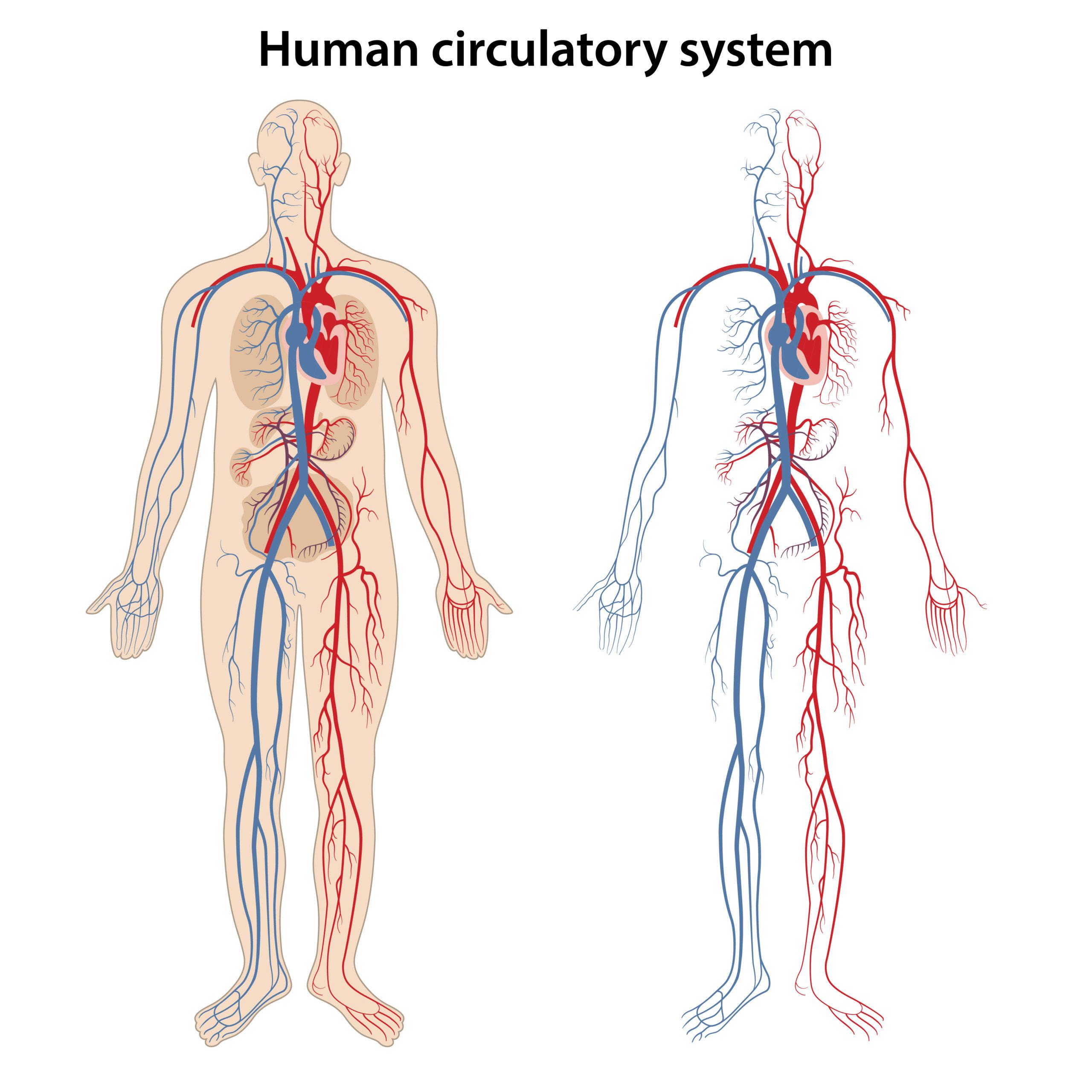
The circulatory system is....
responsible for bringing oxygen into your body and removing carbon dioxide.
the organs and tissues involved in circulating blood through the body
the smallest unit of life
A group of tissues that work together to perform closely related functions.
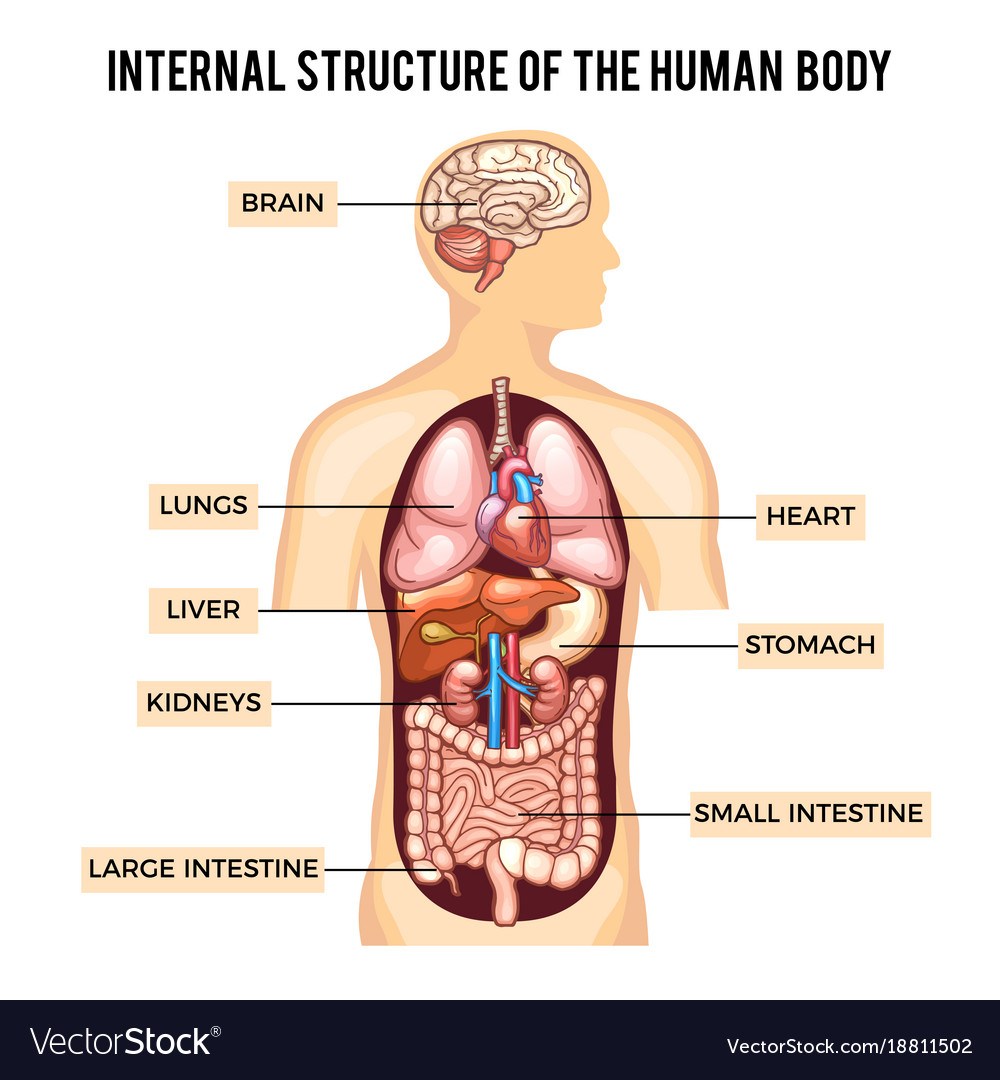
What is an organ?
A group of tissues that work together to perform closely related functions.
the network of nerve cells and fibers that transmits nerve impulses between parts of the body.
all of the bones and muscles in your body and responsible for body structure and movements.
responsible for providing your body with nutrients from food.

An ___________ is a living thing.
tissue
respiratory system
organism
cell
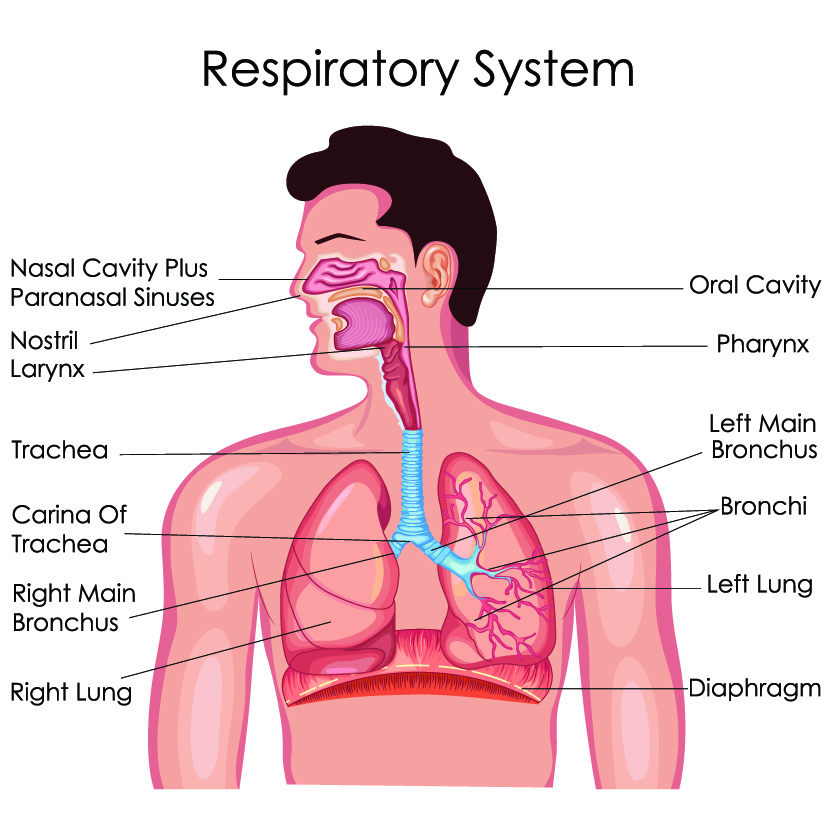
Which body system is responsible for bringing oxygen into your body and removing carbon dioxide?
organ system
tissue
musculoskeletal system
respiratory system
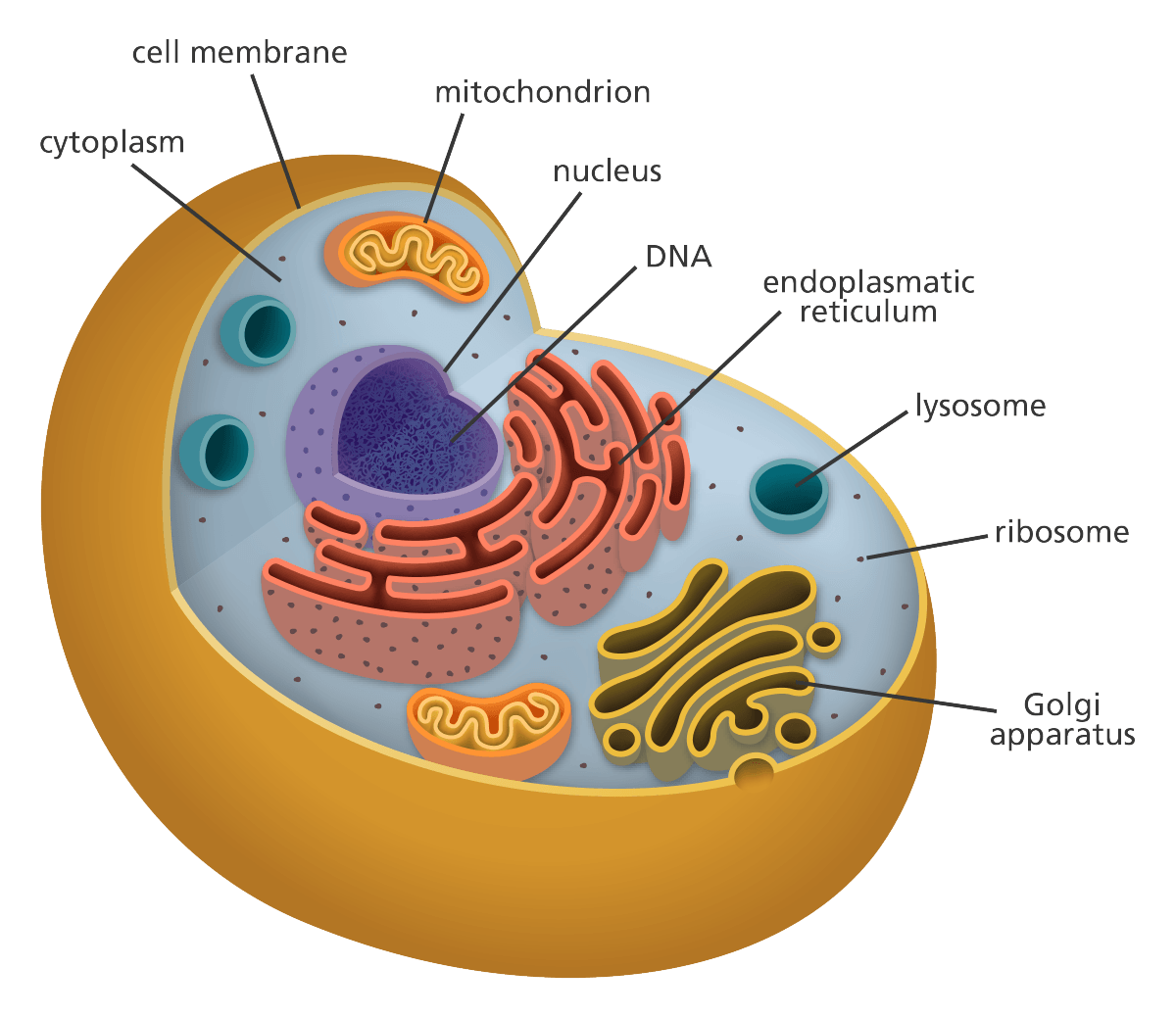
What is a cell?
the largest unit of life
the smallest unit of life
a group of similar organs working together
responsible for providing your body with nutrients from food.
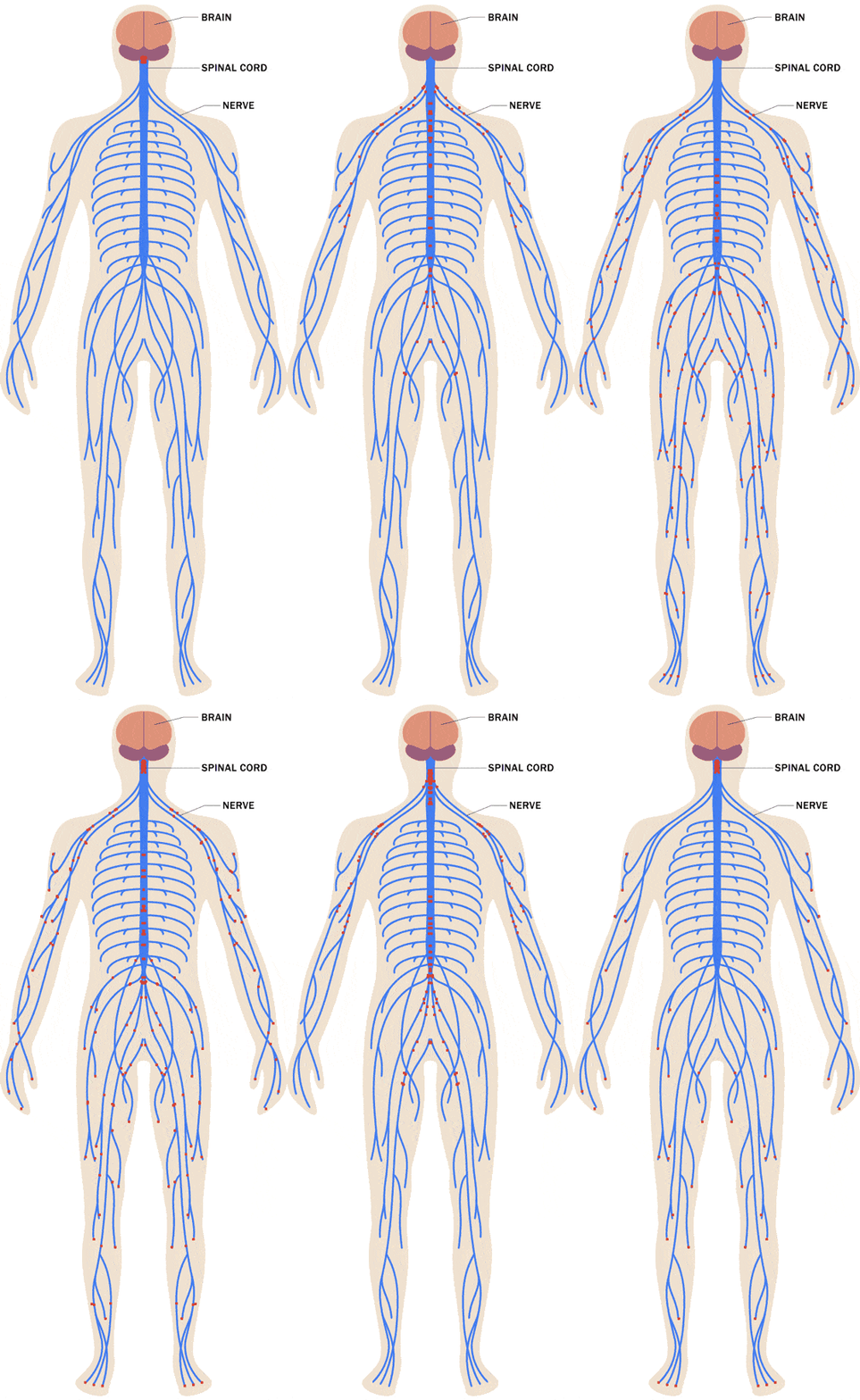
Which system is made up the network of nerve cells and fibers that transmits nerve impulses between parts of the body?
tissue
organ system
nervous system
digestive system
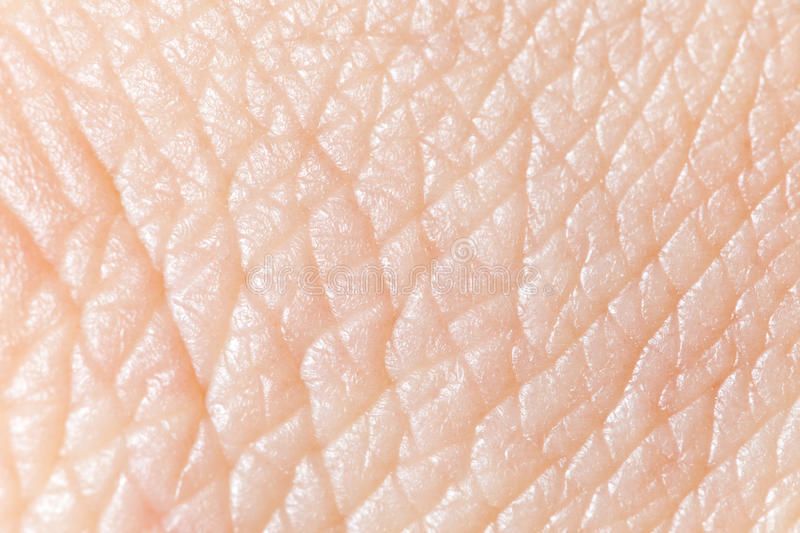
Define tissue.
A group of similar cells that perform the same function.
A living thing
responsible for filtering your blood, removing wastes, and heating and cooling your body.
A group of tissues that work together to perform closely related functions.
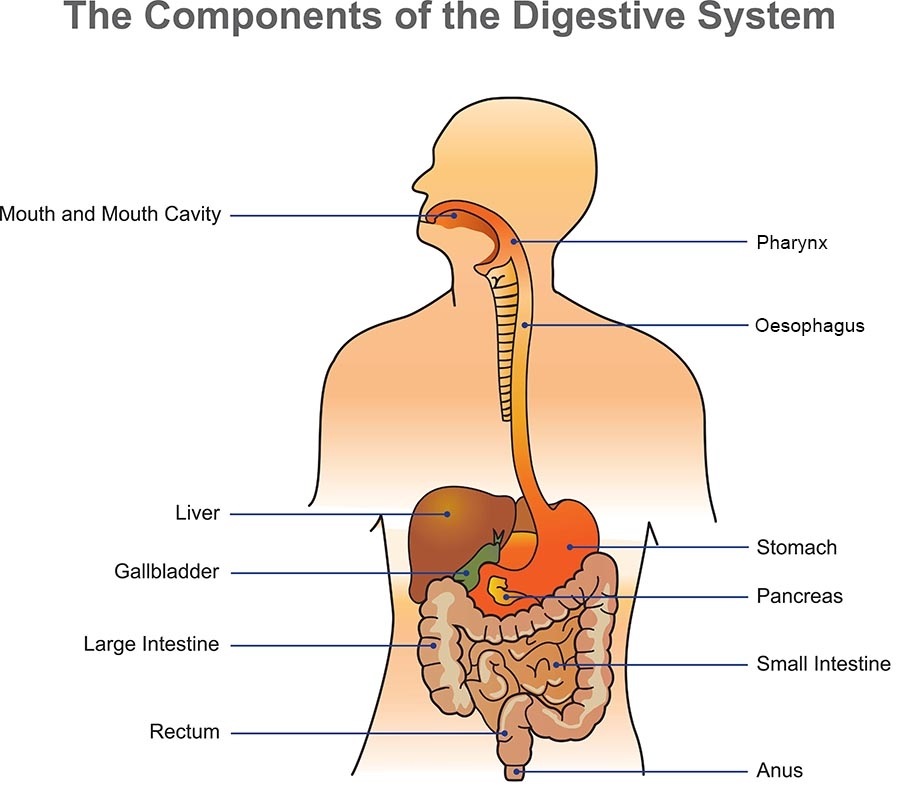
Which human body system is responsible for providing your body with nutrients from food?
circulatory system
excretory system
organ
digestive system
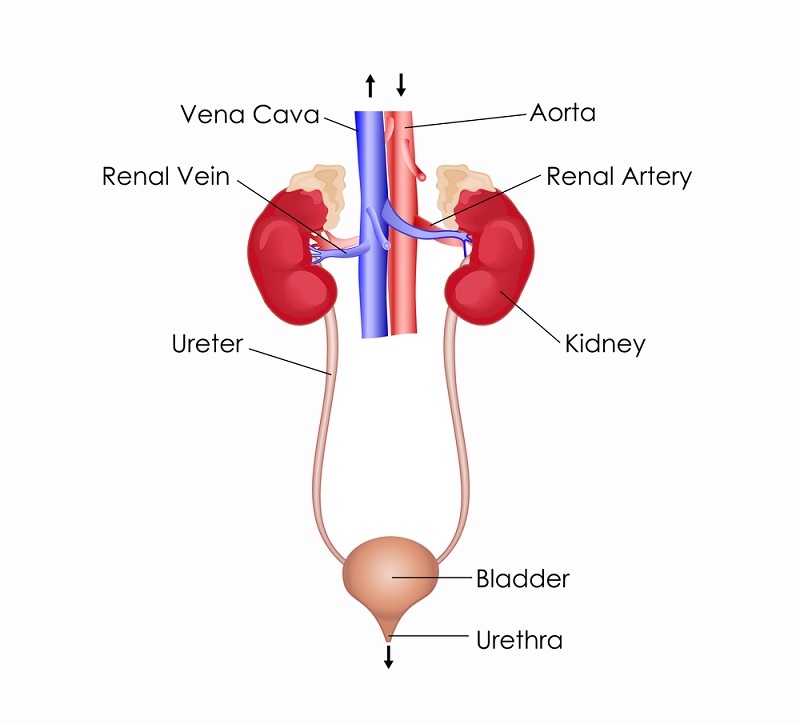
The excretory system is....
responsible for bringing oxygen into your body and removing carbon dioxide.
responsible for filtering your blood, removing wastes, and heating and cooling your body.
a living thing
the smallest unit of life
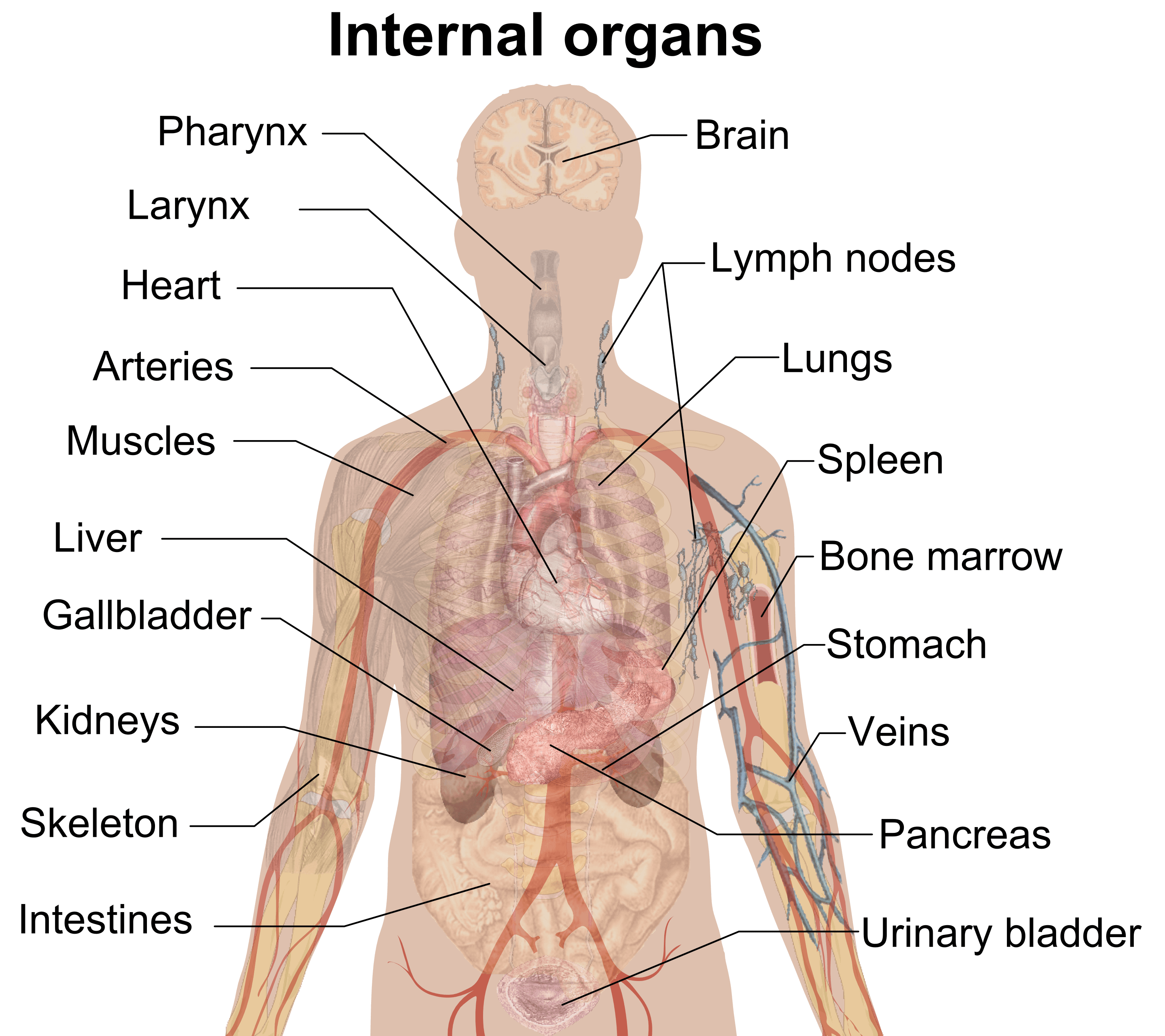
What is an organ system?
the network of nerve cells and fibers that transmits nerve impulses between parts of the body.
A group of similar cells that perform the same function.
A group of organs that work together in performing vital bodily functions.
all of the bones and muscles in your body and responsible for body structure and movements.
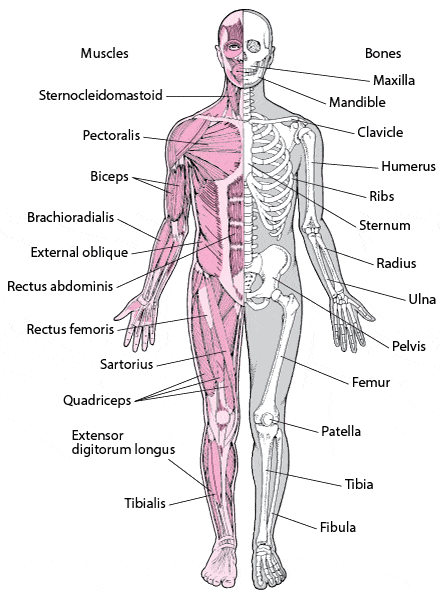
This human body system is made up of all of the bones and muscles in your body. It is responsible for body structure and movements.
musculoskeletal system
digestive system
organism
respiratory system

