
Font size
 Worksheets
Human Body Systems
Total questions: 58
Worksheet time: 31mins
What is the digestive system?
A system to take out the bad stuff that's in your body
A system where a certain group of organs work together to convert food into energy to feed the body
A system where certain organs in the body digest the food you eat
A system that the organs in the stomach make food for the body to digest.
Where does the digestive system start? (a)
What are 2 MOST important organs of the digestive system?
small intestines
esophagus
large intestines
pharynx

Which is the esophagus?
A
B
C
D
E
What does the large intestine do?
digest the food from this process
makes a pathway for the food
reabsorb a lot of the water from this process
absorbs the food from this process

Which parts of the diagram is the small and large intestine?
A~ small intestine
E~ large intestine
D~ small intestine
E~ large intestine
C~ large intestine
B~ small intestine
A~ large intestine
C~ small intestine
E~ small intestine
D~ large intestine
Think Critically: What does digest mean?
break down
make up
What are the organs related to the digestive system?
small intestine
large intestine
stomach
lungs
Define the digestive system


physical breakdown of food
chemical digestion
esophagus
mechanical digestion

tube connecting the mouth to the stomach
stomach
esophagus
peristalsis

large muscular sac that continues the mechanical and chemical digestion of food
stomach
small intestine
liver

Digestive organ where most chemical digestion and absorption of food takes place
pancreas
small intestine
liver

produces bile to break up fat particles
pancreas
large intestine
liver

absorbs water into bloodstream
gall bladder
large intestine
liver

organ that stores bile
gall bladder
large intestine
liver
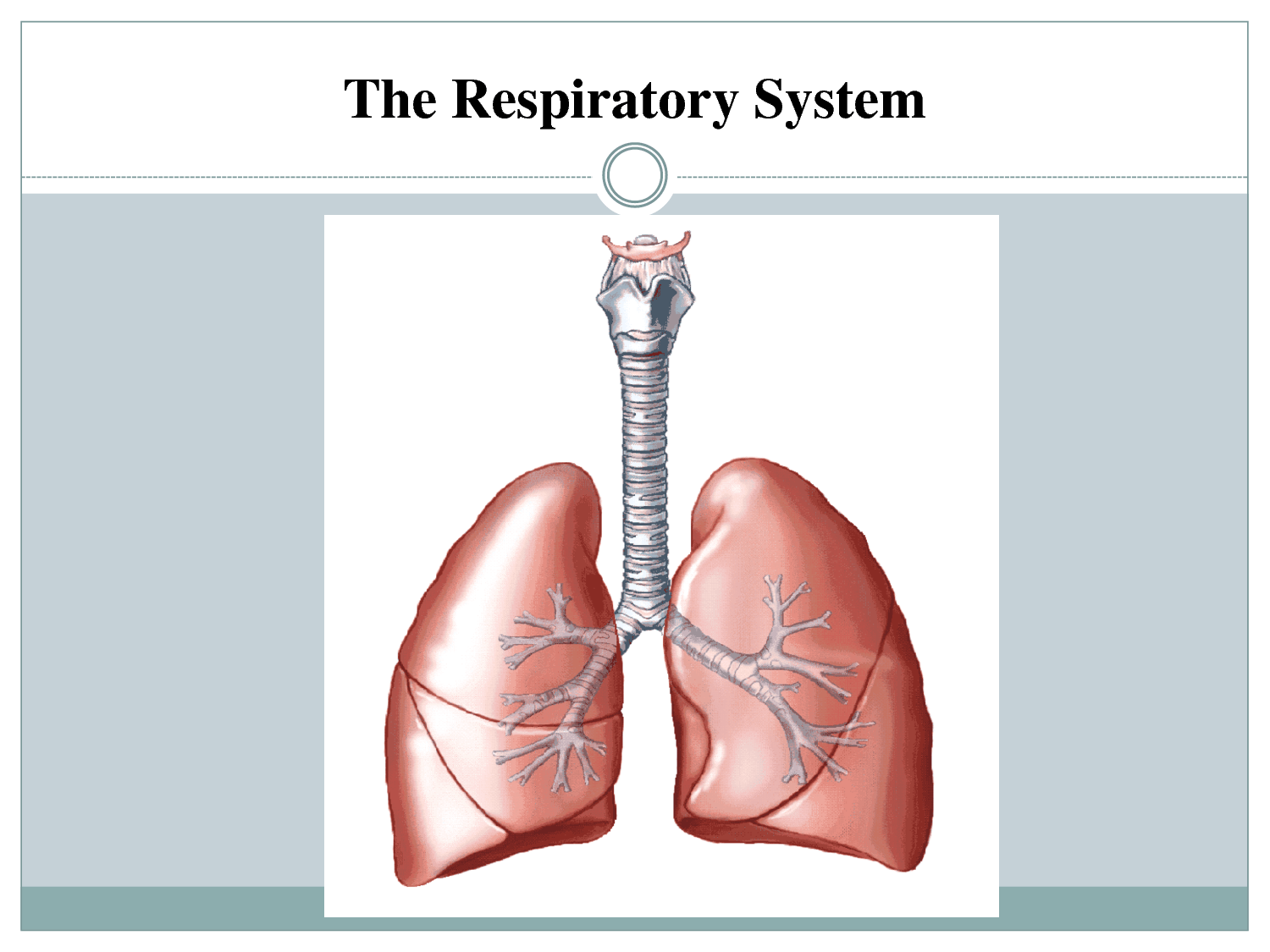
Your lungs are ___________ air
My lungs are __________________ air.
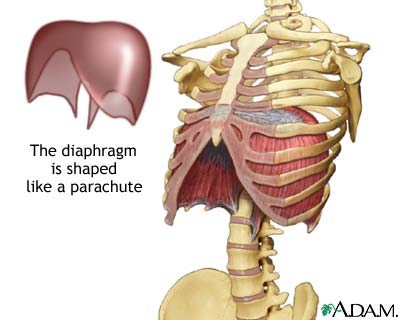
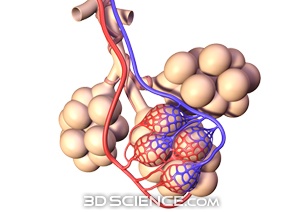
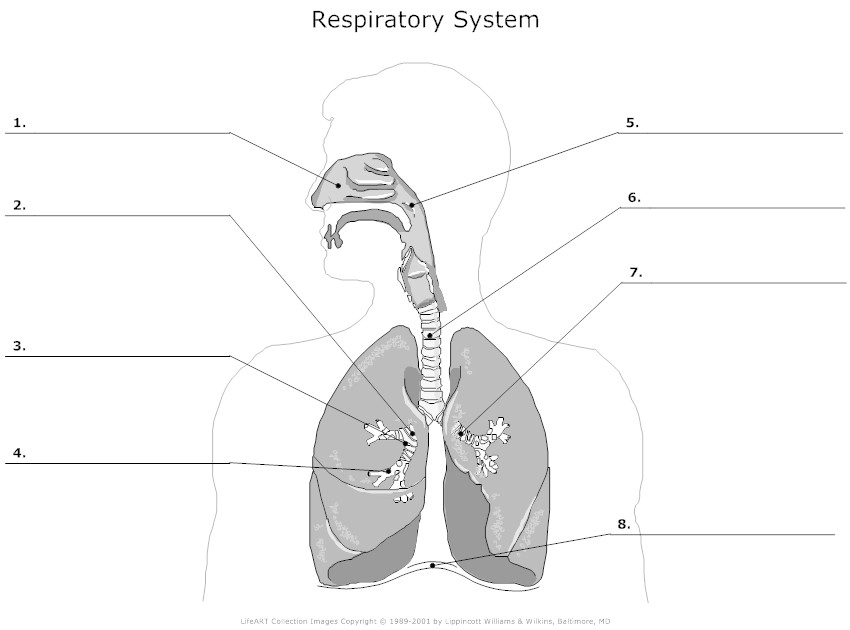
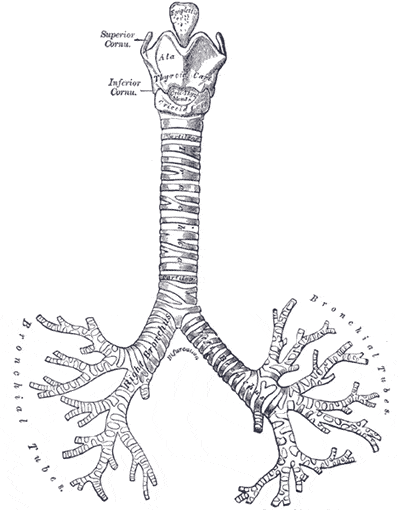
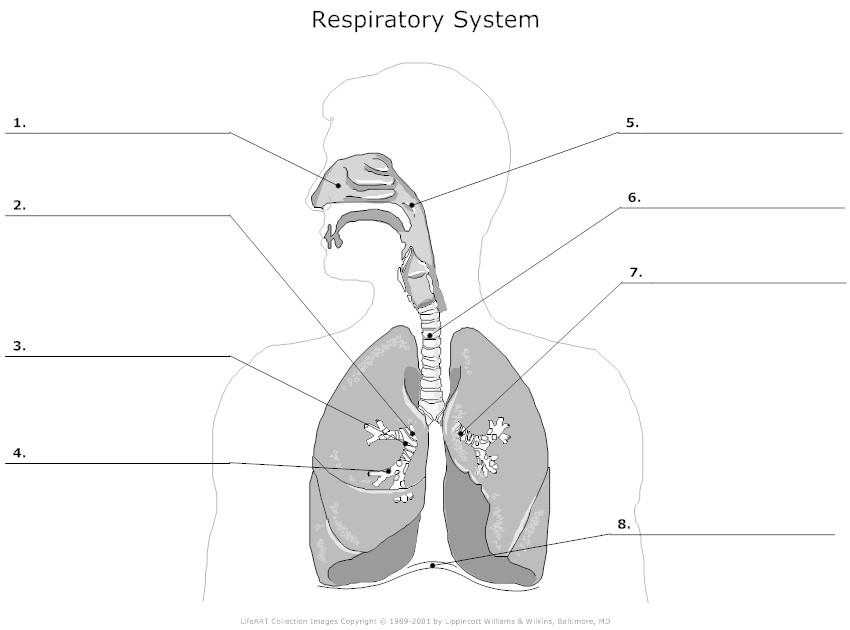
WHAT DOES THE DIAPHRAGM DO?
MUSCLE THAT CONTRACTS AND INFLATES THE LUNGS
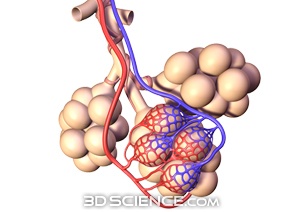
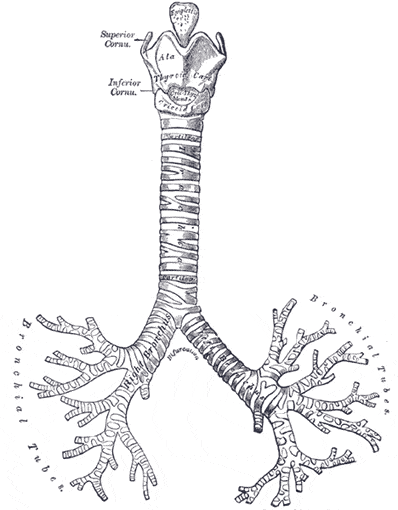
MAIN ORGAN OF THE RESPIRATORY SYSTEM

WHAT LETTER IS THE LUNGS?
G.
A.
E.
B.

What are the 5 levels of organization in order?
tissue>cell>organism>organ>organ system
cell>tissue>organism>organ>organ system
organism>organ system>organ>tissue>cell
cell>tissue>organ>organ system>organism
What type of blood vessel returns blood to the heart?
Artery
Vein
Capillary
None of the above.
Red blood cells
small, round cells that carry oxygen
White blood cells
large, irregular cells that fight disease
Platelets
tiny fragments that help to stop bleeding when you are cut
The human body contains about _ liters of blood. (Type only the number)
(a)
What can you infer about carbon dioxide from the fact that your body needs to breathe it out?
It is delivered to the heart via coronary circulation.
Without it, the lungs would not be able to function.
It can be harmful if it builds up in the bloodstream.
It is necessary for a variety of life processes.
As the blood reaches the lungs, what is removed from the blood?
oxygen
carbon dioxide
red blood cells
white blood cells
Match with the word that goes in the blank:
____ carry blood away from the heart.
Arteries
____ carry blood to body cells.
Capillaries
____ carry blood back to the heart.
Veins
Blood in the pulmonary arteries is ____ in oxygen.
low
Blood in the pulmonary veins is ____ in oxygen.
rich
Which of the following does the circulatory not consist of?
Heart
Lungs
Blood
Blood vessles
The circulatory system works with the _______ system
disgestive
immune
nervous
respiratory
The circulatory system revolves around which organ?
heart
lungs
veins
instestines
Which type of blood vessel carries blood away from the heart?
arteries
ventricles
aorta
veins
How many chambers are in the human body?
9
10
4
2
Which of the following organs fits the definition?
•they carry oxygen and nutrients away from your heart to your bodies tissues
veins
arteries
lungs
heart
Which of the following organs fits the definition?
-carry deoxygenated blood from the body to the heart so that the system can renew and be sent to the lungs
heart
arteries
veins
lungs
Arteries, Veins, and capillaries are 3 types of ____
systems
cells
organs
blood vessels

What are the main functions of the excretory system?
deliver oxygen to the body
deliver nutrients to the body
remove water and waste from the body
remove disease from the body
Which organs help to remove waste from the body?
Lungs, stomach, bladder, and kidneys
Lungs, heart, bones, and bladder
Lungs, large intestine, bladder and kidneys
Lungs, esophagus, bladder and kidneys
Which organ(s) remove waste gases?
Bladder and kidneys
Lungs
Large intestine

What is organ is #1?
Kidney
Stomach
Bladder
Heart
What organ is #3?
Kidney
Stomach
Bladder
Heart
True or False:
Kidneys filter waste from blood.
True
False
I look like a sleeping snake
colon
small intestine
esophagus
I am like a long slide
esophagus
small intestine
large intestine

Which of the following is NOT part of your excretory system?
Heart
Lungs
Kidneys
Skin

Blood is cleaned by which organs?
Lungs
Ribs
Kidneys
Intestines

Why is your skin part of the excretory system?
Sweating gets rid of salt and water
Exhaling releases carbon dioxide
Sweating gets rid of carbon dioxide
The large intestine releases feces

